Urban Exodus or Revival? Analyzing the 2026 Population Shifts Between U.S. Cities and Suburban Areas
The landscape of American demographics is a constantly evolving tapestry, woven with threads of economic opportunity, lifestyle preferences, technological advancements, and societal shifts. As we look ahead to 2026, one of the most compelling narratives in this demographic saga is the ongoing dance between urban centers and their sprawling suburban counterparts. Are we witnessing a continued urban exodus, a sustained flight from the dense, bustling heart of cities, or is a city revival on the horizon, drawing residents back with renewed vigor and innovative offerings? Understanding these U.S. Population Shifts 2026 is crucial for policymakers, urban planners, businesses, and individuals alike, as these movements dictate everything from housing markets and infrastructure development to local economies and social cohesion.
The COVID-19 pandemic undeniably accelerated certain trends, particularly the re-evaluation of living spaces and work arrangements. Remote work became not just a possibility but a widespread reality for many, untethering a significant portion of the workforce from the necessity of daily commutes to urban offices. This newfound flexibility, coupled with a desire for more space, greener environments, and often lower costs of living, fueled an initial surge in suburban and even rural migration. However, as the immediate crisis recedes and cities adapt, questions arise about the long-term sustainability of these shifts. Will the allure of urban amenities, cultural vibrancy, and concentrated economic opportunities once again tip the scales in favor of city living? Or have the fundamental dynamics of where and how Americans choose to live been permanently altered? This article delves deep into these questions, exploring the multifaceted factors influencing U.S. Population Shifts 2026, examining the evidence for both an urban exodus and a potential city revival, and projecting the likely scenarios that will shape our communities in the coming years.
A Brief History of Urban-Suburban Dynamics
To truly grasp the potential U.S. Population Shifts 2026, it’s essential to look back at the historical ebb and flow of urban and suburban populations. The 20th century witnessed a dramatic shift, beginning with rapid urbanization driven by industrialization and culminating in the post-World War II suburban boom. Factors like widespread automobile ownership, the Interstate Highway System, and the desire for homeownership and family-friendly environments propelled millions to the suburbs. This period, often dubbed the ‘white flight’ era, led to significant urban decay in many core cities.
However, the late 20th and early 21st centuries saw a resurgence of interest in urban living. Young professionals, empty nesters, and a growing segment of the population were drawn to the cultural amenities, diverse job markets, and walkable lifestyles that cities offered. Urban revitalization efforts, often spearheaded by public-private partnerships, transformed neglected downtowns into vibrant hubs of activity. This ‘back-to-the-city’ movement was strong in many major metropolitan areas, leading to increased property values, new developments, and a renewed sense of urban identity. This cyclical nature of population movements underscores that current trends are part of a larger, ongoing narrative, making predictions for U.S. Population Shifts 2026 both complex and fascinating.
Advertisements
Key Drivers Influencing 2026 Population Movements
Several powerful forces are currently shaping where Americans choose to live, and these will undoubtedly dictate the extent of any urban exodus or city revival by 2026. Understanding these drivers is paramount to forecasting future trends.
Remote Work Revolution
Perhaps the most significant disruptor is the sustained adoption of remote and hybrid work models. For millions, the daily commute is no longer a mandatory component of their professional lives. This freedom allows individuals and families to prioritize factors beyond proximity to the office, such as:
- Affordability: Housing costs in major urban centers have long been a barrier for many. Remote work opens up possibilities for living in areas with significantly lower housing prices, allowing for greater financial flexibility and improved quality of life.
- Space and Lifestyle: Suburban and rural areas often offer larger homes, bigger yards, and easier access to nature. For families, this means more room to grow; for individuals, it can translate to dedicated home office space and a more relaxed pace of life.
- Commute Avoidance: Even for those in hybrid models, reducing the number of days spent commuting can be a powerful incentive to live further from the city core. The time and cost savings associated with less travel are substantial.
The long-term implications of remote work are still unfolding, but it is clear that its influence on U.S. Population Shifts 2026 will be profound, potentially sustaining the outward migration from densely populated urban cores.
Cost of Living and Affordability Crisis
Beyond housing, the overall cost of living in major cities – from groceries and transportation to taxes and services – continues to escalate. This affordability crisis is pushing many, particularly middle-income families and young professionals, to seek more economically viable alternatives. Suburbs, and even smaller cities further afield, often present a more attractive financial proposition. This economic pressure is a primary catalyst for an urban exodus, even for those who might otherwise prefer city amenities.
Quality of Life and Well-being
The pandemic also brought a heightened awareness of personal well-being. Concerns about density, access to green spaces, air quality, and community safety have influenced residential choices. While cities are actively working to address these concerns, suburbs often inherently offer:
- More green space and parks.
- Perceived lower crime rates.
- Less noise and pollution.
- Stronger community ties in some areas.
These factors contribute to a desire for a different quality of life, steering some segments of the population away from the traditional urban hustle. The pursuit of improved well-being is a subtle yet powerful force shaping U.S. Population Shifts 2026.
Demographic Shifts: Millennials and Gen Z
The largest generations, Millennials and Gen Z, are now in various stages of life, from starting families to establishing careers. While earlier Millennials were drawn to urban centers, many are now entering phases where larger homes, better schools, and suburban amenities become more appealing. Gen Z, while valuing urban vibrancy, also faces significant economic challenges, making affordability a key concern. Their choices will significantly impact the trajectory of U.S. Population Shifts 2026.
The Case for a Continued Urban Exodus
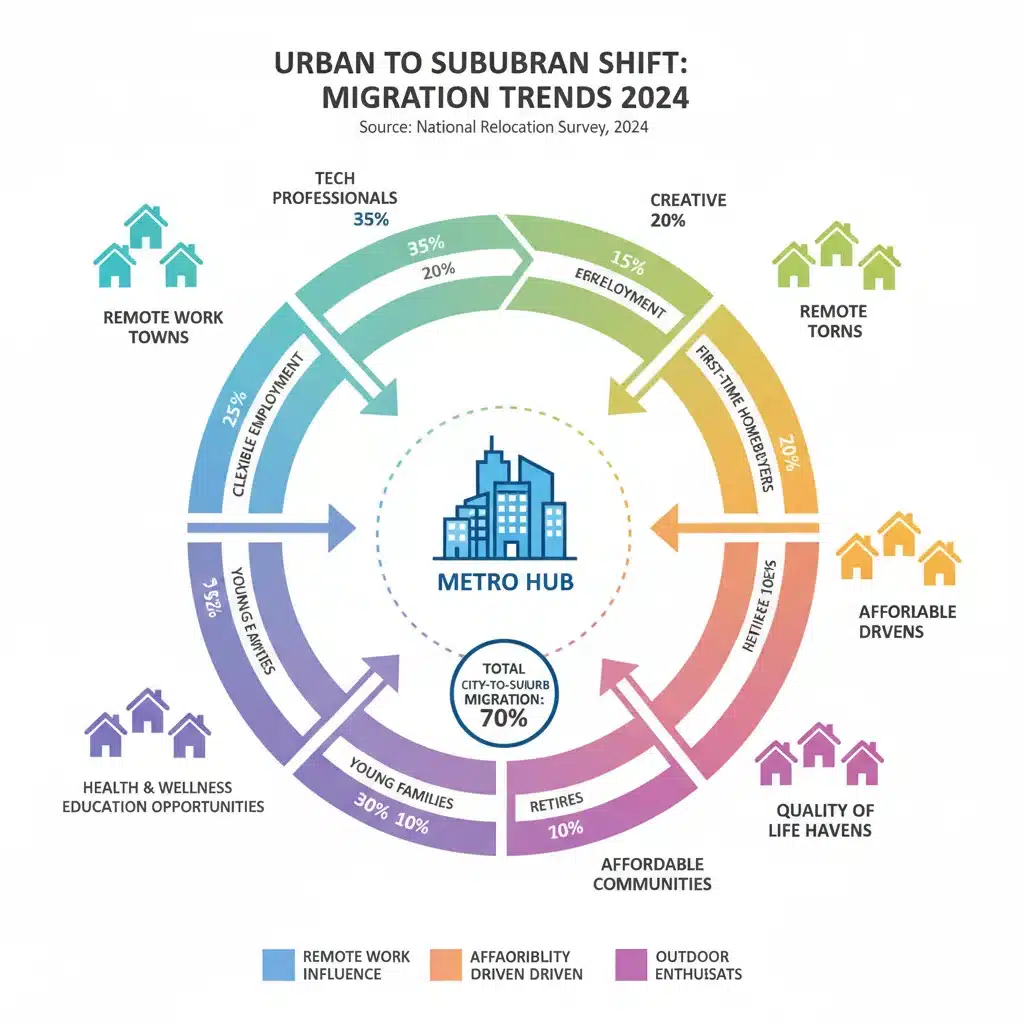
Evidence suggests that the outward migration from major urban cores, initially spurred by the pandemic, may not be a temporary blip but rather a sustained trend, at least for some cities. Data from various sources, including the U.S. Census Bureau and real estate analytics firms, indicate that many large metropolitan areas experienced net out-migration in recent years. This urban exodus is characterized by several key patterns:
- Growth of Secondary Cities and Exurbs: Instead of moving to entirely rural areas, many are relocating to smaller, more affordable cities within a few hours’ drive of a major metropolitan area (often called ‘secondary cities’) or to the far outskirts of existing suburbs (‘exurbs’). These locations offer a balance of affordability, space, and some amenities, while still providing access to larger urban centers when needed.
- Declining Rents in Some Major Cities: While not universal, some historically expensive urban rental markets have seen softening demand and even rent decreases, suggesting a diminished influx of new residents. This is a crucial indicator for the future of U.S. Population Shifts 2026.
- Increased Suburban Housing Demand: Housing markets in many suburban areas have remained fiercely competitive, with rising prices and quick sales, indicating sustained demand from former urban dwellers.
- Demographic Shifts: As mentioned, Millennials reaching family-forming ages are increasingly seeking suburban environments for schools, safety, and space.
The argument for a continued urban exodus rests on the premise that the underlying drivers – remote work, affordability, and quality of life preferences – are not transient but represent fundamental shifts in how Americans want to live and work. Unless cities can dramatically adapt to these new demands, the outward flow may persist through U.S. Population Shifts 2026 and beyond.
The Counter-Argument: A City Revival on the Horizon?
Despite the compelling case for an urban exodus, a strong counter-narrative suggests that cities are resilient and poised for a city revival. Proponents of this view point to several enduring advantages of urban living and proactive measures cities are taking:
- Economic Hubs and Innovation: Cities remain unparalleled centers of economic opportunity, innovation, and specialized industries. Many sectors, particularly those requiring collaborative environments, still thrive on the density and networking opportunities that cities provide. The ‘agglomeration economies’ – the benefits derived from the concentration of people and businesses – are powerful and difficult to replicate elsewhere.
- Cultural and Social Vibrancy: The cultural richness, diverse culinary scenes, entertainment options, and social opportunities offered by cities are a powerful draw. As concerns about public health recede, the desire for these experiences is likely to bring people back.
- Infrastructure and Public Transit: Cities boast superior public transportation networks, reducing reliance on cars and offering a more sustainable lifestyle. Investments in green infrastructure, smart city technologies, and improved public spaces are making urban environments more attractive.
- Adaptation and Innovation: Cities are not static; they are constantly adapting. Many are implementing policies to address affordability, create more green spaces, improve public safety, and foster mixed-use developments that blend residential, commercial, and recreational areas. These efforts are crucial for a city revival.
- Return to Office Mandates: While remote work is prevalent, many companies are implementing hybrid models or even full return-to-office mandates, which will naturally draw some workers back to urban centers or at least closer to them.
The argument for a city revival emphasizes the inherent strengths and adaptive capacities of urban areas. For many, the unique combination of opportunity, culture, and convenience that cities offer is simply irreplaceable, ensuring that U.S. Population Shifts 2026 will likely see a rebalancing rather than a wholesale abandonment of urban life.
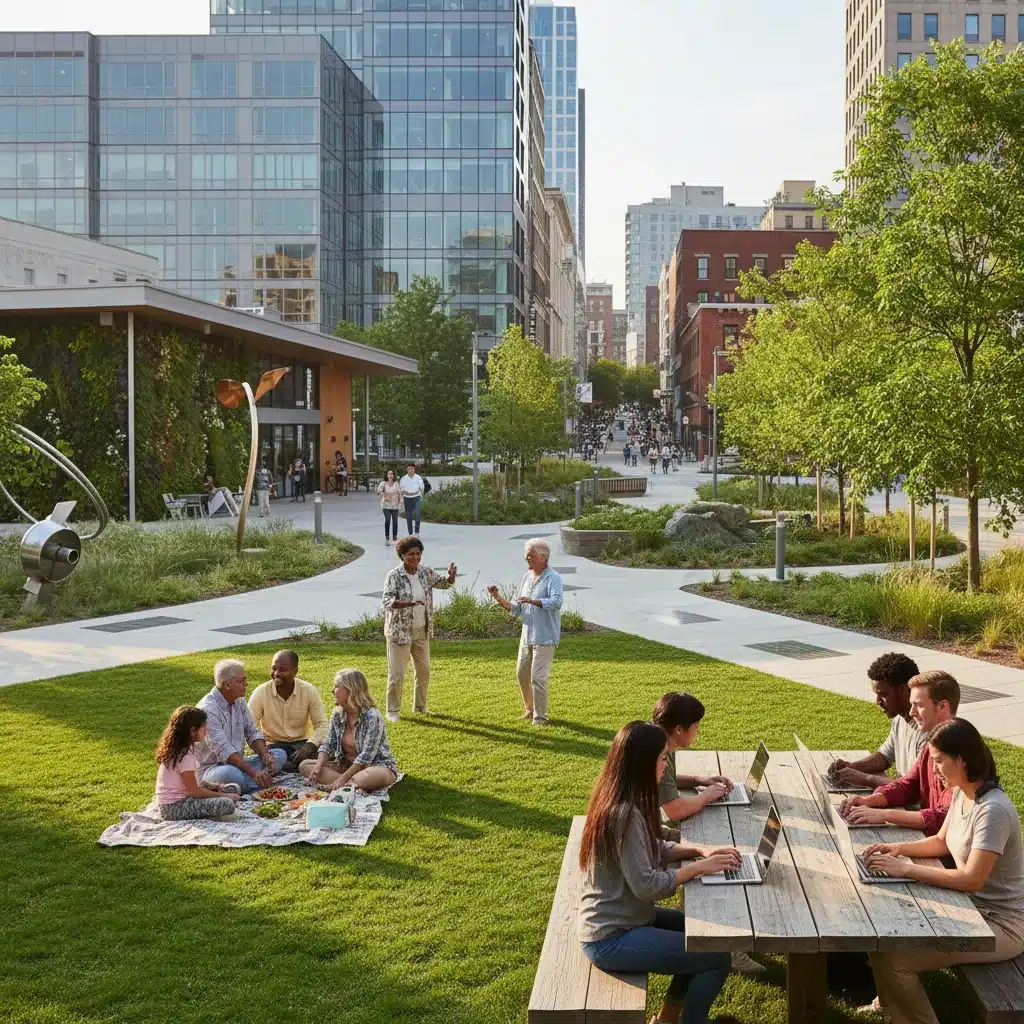
Projected Scenarios for U.S. Population Shifts 2026
Predicting the future with absolute certainty is impossible, but based on current trends and the interplay of the drivers discussed, we can outline several plausible scenarios for U.S. Population Shifts 2026:
Scenario 1: Continued Hybridization and Decentralization
This scenario suggests a continuation of the trends observed post-pandemic. Remote and hybrid work models remain dominant, allowing for a more distributed population. Major cities might see slower growth or even slight declines in their core populations, while surrounding suburbs, exurbs, and secondary cities continue to flourish. This isn’t a complete urban exodus, but rather a decentralization, where people live further from their primary workplaces, commuting only a few days a week if at all. This scenario implies a significant rethinking of urban infrastructure, focusing on connectivity, local amenities in suburban nodes, and robust regional transportation networks.
Scenario 2: The Urban Rebound
In this scenario, the allure of cities proves too strong to resist for a sustained period. As companies increasingly demand a return to office, even if hybrid, and as urban cultural life fully recovers, a significant portion of those who left might return. Young graduates and international immigrants, historically drawn to cities for opportunity and diversity, will once again fuel urban growth. Cities that proactively address affordability, public safety, and quality of life concerns will be the first to experience this city revival. This scenario would see a stabilization or even modest growth in core urban populations by U.S. Population Shifts 2026, though perhaps not to pre-pandemic levels in all areas.
Scenario 3: The Tale of Two Cities (and Suburbs)
This is arguably the most likely scenario, where there isn’t a single national trend but rather a divergence based on specific city characteristics. Some cities, particularly those with high costs of living, aging infrastructure, and less adaptable economies, might indeed experience a prolonged urban exodus. Conversely, cities that are innovative, invest in sustainability, offer diverse job markets, and actively work to improve affordability and quality of life (e.g., through robust public transit, green spaces, and diverse housing options) will likely see a city revival. This scenario emphasizes that local policies and unique economic drivers will be crucial in determining individual city trajectories in U.S. Population Shifts 2026.
Impact on Infrastructure and Urban Planning
Regardless of which scenario largely plays out, the U.S. Population Shifts 2026 will have profound implications for infrastructure and urban planning. If decentralization continues, there will be increased demand for services, transportation, and amenities in suburban and exurban areas. This requires rethinking investment priorities, potentially shifting focus from dense urban transit to regional connectivity and expanded suburban utilities.
For cities experiencing a city revival, the focus will be on maintaining and upgrading existing infrastructure, expanding public transit to accommodate growth, and developing innovative housing solutions to combat affordability issues. Smart city technologies, sustainable development practices, and resilient infrastructure will be paramount to support a growing urban population. Both scenarios necessitate a flexible and adaptive approach to planning, recognizing that the needs of communities are constantly evolving.
Economic Consequences of Population Shifts
The economic ramifications of U.S. Population Shifts 2026 are extensive. A sustained urban exodus could lead to:
- Reduced Tax Bases: Cities relying heavily on property taxes and local sales taxes from a dense population might see their revenues decline, impacting public services.
- Commercial Real Estate Downturn: Empty office buildings and reduced foot traffic in commercial districts could lead to a slump in commercial real estate values and increased vacancies.
- Shifts in Retail and Services: Businesses might follow populations to suburban areas, leading to a revitalization of suburban commercial centers and a decline in some urban retail.
Conversely, a city revival would mean:
- Renewed Economic Growth: Increased consumer spending, new business formation, and a robust job market in urban areas.
- Property Value Appreciation: Sustained demand for housing and commercial space would likely lead to appreciating property values.
- Innovation Hubs: Cities would continue to be magnets for talent and investment, fostering innovation and economic diversification.
The economic health of individual cities and regions will be directly tied to their ability to adapt to these demographic changes and either mitigate the effects of an exodus or capitalize on a revival. Understanding these dynamics is critical for businesses and investors looking ahead to U.S. Population Shifts 2026.
Social and Cultural Implications
Beyond economics and infrastructure, U.S. Population Shifts 2026 will also have profound social and cultural impacts. An urban exodus could lead to:
- Increased Suburban Diversity: As more diverse populations move to the suburbs, these areas will become more multicultural and dynamic.
- Challenges for Urban Social Programs: A shrinking tax base in cities could strain social services and programs designed to support vulnerable populations.
- Changes in Social Fabric: The character of both urban and suburban communities could shift, requiring new approaches to community building and integration.
A city revival, on the other hand, would reinforce cities as melting pots of culture and ideas, driving social progress and innovation. However, it also brings challenges such as gentrification and the need to ensure equitable access to urban amenities for all residents. The social cohesion and cultural identity of American communities will be shaped by these movements, making the study of U.S. Population Shifts 2026 vital for understanding our collective future.
Conclusion: Adapting to the New Normal of U.S. Population Shifts 2026
The question of whether we face an urban exodus or a city revival by 2026 is not a simple binary choice. The reality is likely to be a complex mosaic of both, with different cities and regions experiencing varying degrees of population change. The enduring influence of remote work, the persistent challenge of urban affordability, and evolving lifestyle preferences are powerful forces that will continue to shape where Americans choose to lay down roots.
What is clear is that adaptability will be the hallmark of successful communities. Cities must innovate to offer compelling reasons for residents to stay or return, focusing on sustainable development, improved quality of life, and diverse economic opportunities. Suburbs and exurbs, in turn, must prepare for growth, ensuring adequate infrastructure, services, and community planning to accommodate new residents. Understanding and responding proactively to these U.S. Population Shifts 2026 will be crucial for fostering vibrant, resilient, and equitable communities across the nation. The future of American demographics is not predetermined; it is being actively shaped by choices made today by individuals, businesses, and governments.