The 2026 Shift: Remote Work Reshaping US Urban Landscapes & Community Needs
The 2026 Shift: How Remote Work is Permanently Reshaping U.S. Urban Landscapes and Community Needs (RECENT UPDATES)
The year is 2026, and the landscape of work in the United States has undergone a seismic transformation. What began as a necessity during a global crisis has solidified into a permanent fixture: remote work. This isn’t just a fleeting trend; it’s a fundamental shift that is profoundly reshaping U.S. urban landscapes, redefining community needs, and challenging long-held assumptions about how and where we live and work. The implications of this remote work urban shift are far-reaching, touching everything from real estate markets and public transportation to local economies and social infrastructure.
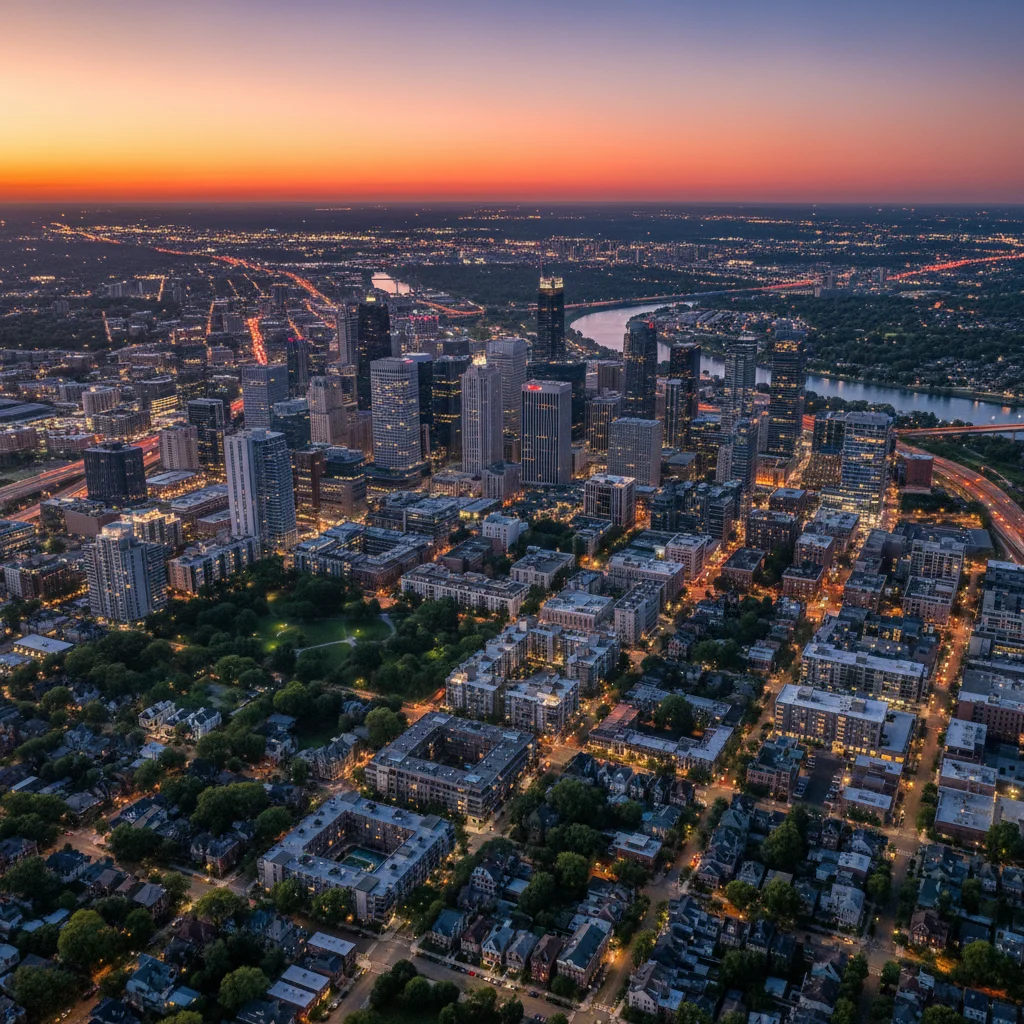
For decades, the allure of the city center – with its towering office buildings, bustling commercial districts, and dense residential areas – was undeniable. Cities were economic engines, drawing talent and investment, and fostering innovation through proximity. However, the widespread adoption of remote work has decoupled employment from geography, empowering millions of Americans to choose their living environments based on factors beyond commuting distance. This has ignited a significant remote work urban shift, prompting a re-evaluation of urban planning, community services, and even the very identity of American towns and cities.
This comprehensive article delves into the multifaceted impacts of this permanent remote work urban shift. We will explore the latest data and trends, analyze the challenges and opportunities it presents for urban and suburban areas, and discuss how communities are adapting – or struggling to adapt – to this new reality. From the emptying out of some downtown office spaces to the revitalization of smaller towns and the increased demand for local amenities, the effects are widespread and continue to evolve. Understanding this transformation is crucial for policymakers, urban planners, businesses, and individuals alike as we navigate the future of work and community in America.
Advertisements
The Great Decentralization: Shifting Demographics and Real Estate
One of the most visible consequences of the remote work urban shift is the demographic redistribution across the country. For generations, the narrative was one of relentless urbanization. Now, a counter-narrative is emerging, with many urban dwellers, particularly those with families or seeking a lower cost of living, opting for suburban, exurban, or even rural locales. This ‘great decentralization’ is driven by the newfound freedom to live further from traditional job centers without sacrificing career opportunities.
The Exodus from Core Urban Centers
Major metropolitan areas, once synonymous with economic opportunity, are experiencing a nuanced but significant outflow. While not a wholesale abandonment, the rate of growth in many core cities has slowed, and in some cases, reversed. Data from various sources, including the U.S. Census Bureau and real estate analytics firms, indicate that smaller cities, suburbs, and exurbs are seeing increased population influx. This shift is particularly pronounced among higher-income earners who can afford to purchase larger homes in areas with better schools and more green space, often at a fraction of the cost of their former urban residences. This contributes directly to the remote work urban shift.
Suburban and Exurban Renaissance
The beneficiaries of this urban exodus are often the suburbs and exurbs that surround major cities, as well as mid-sized cities that offer a balance of amenities and affordability. These areas are experiencing a renaissance, with increased demand for housing, local services, and community infrastructure. This surge in population brings with it both opportunities and challenges. While new residents can invigorate local economies and diversify communities, they also place strain on existing resources, including schools, roads, and utilities. The remote work urban shift is thus creating new hotspots of growth and development.
Real Estate Market Dynamics
The real estate market is perhaps the most immediate reflection of the remote work urban shift. Downtown office vacancies have soared in many cities, leading to a re-evaluation of commercial property values and potential conversions to residential or mixed-use spaces. Conversely, residential property values in desirable suburban and exurban areas have skyrocketed, creating affordability issues for long-time residents and first-time homebuyers. The demand for larger homes with dedicated office spaces, strong internet connectivity, and outdoor areas has become a primary driver in housing choices, fundamentally altering housing market trends.
Redefining Community Needs: From Commuter Hubs to Livable Neighborhoods
As populations redistribute, so too do the needs and expectations of communities. The traditional model of a city as a place to work and a suburb as a place to sleep is rapidly dissolving. The remote work urban shift demands that communities become more self-sufficient, offering a wider array of services and amenities to residents who spend more time living and working locally.
Increased Demand for Local Amenities and Services
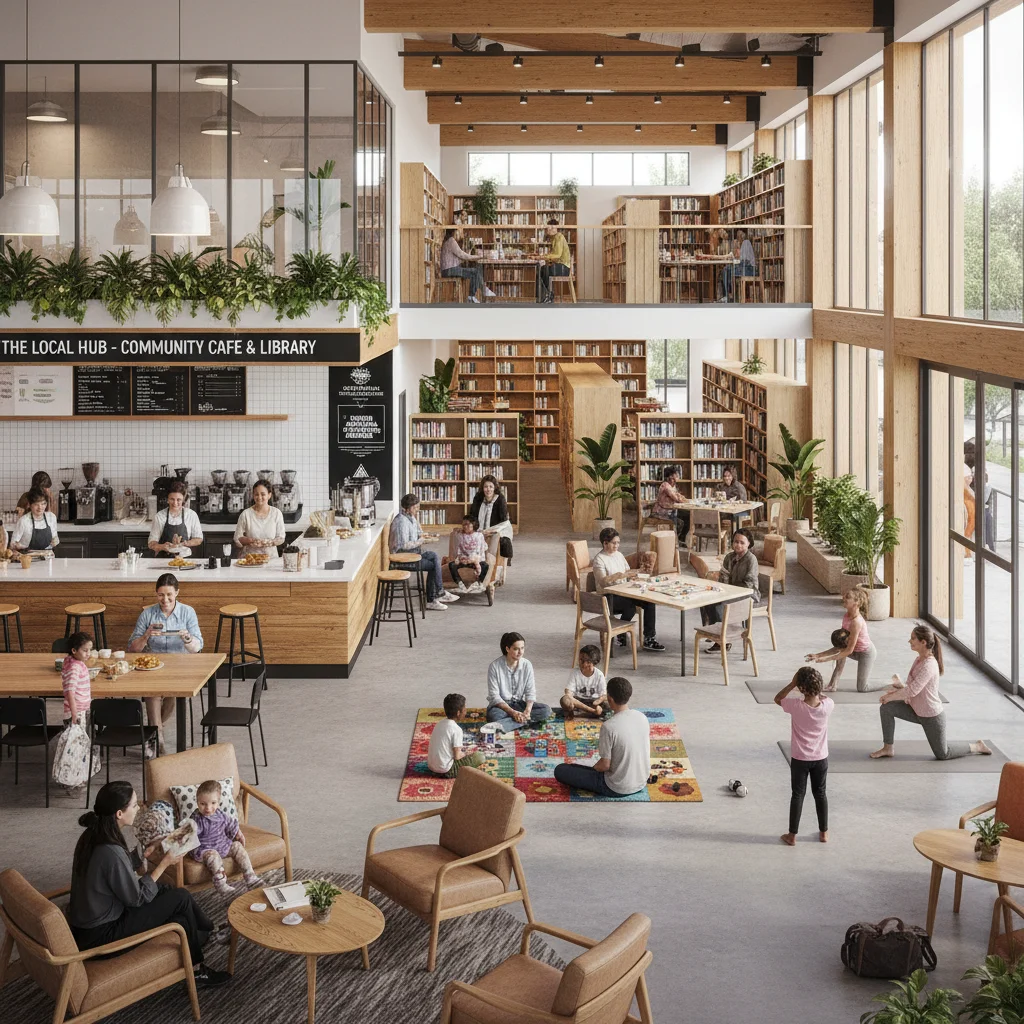
With fewer daily commutes, people are spending more time in their immediate neighborhoods. This has led to an increased demand for local amenities such as parks, walking trails, cafes, restaurants, local shops, and community centers. There’s a growing desire for walkable, bikeable communities where daily needs can be met without extensive travel. This focus on hyper-local living is a direct consequence of the remote work urban shift, fostering a greater sense of community engagement and belonging.
The Rise of Co-working Spaces and Third Places
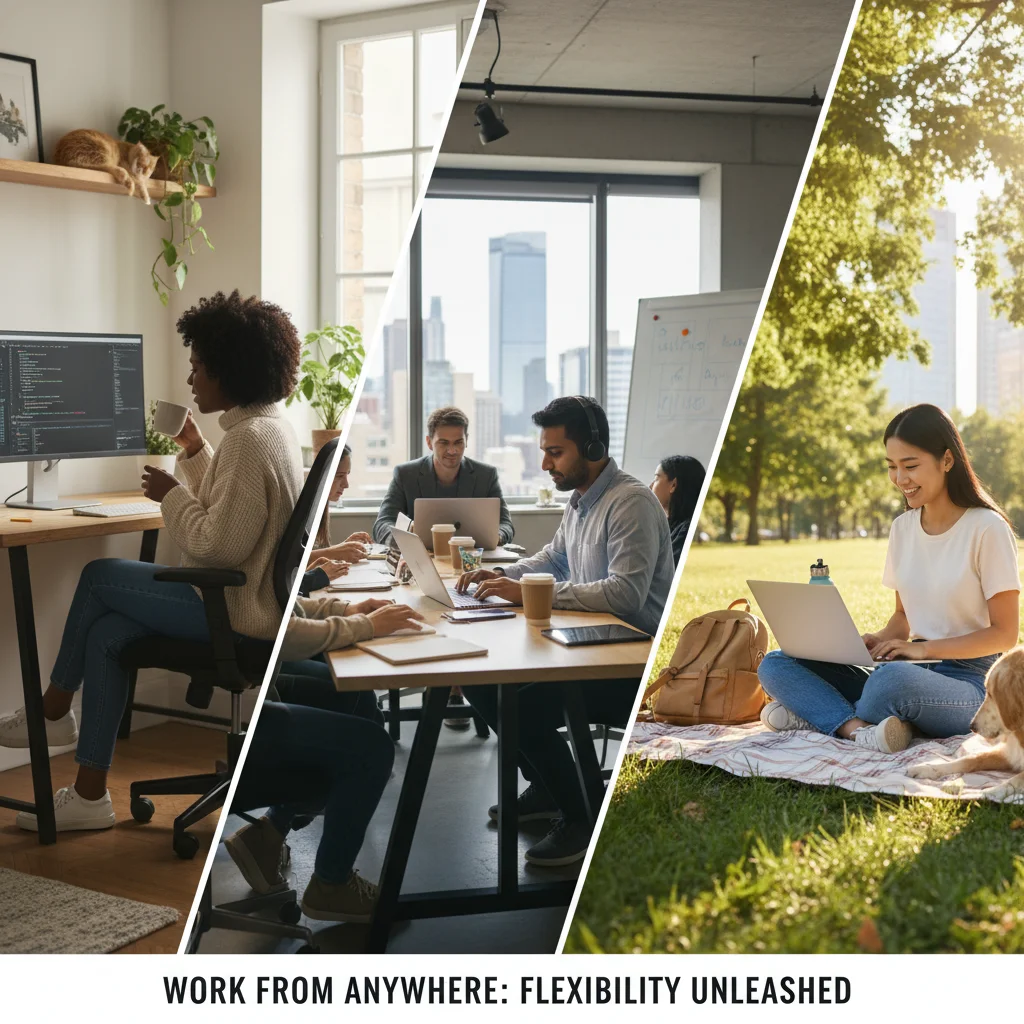
While remote work means less time in traditional offices, it doesn’t always mean working in isolation at home. Many remote workers seek out ‘third places’ – spaces outside of home and work where they can socialize, collaborate, or simply work in a different environment. Co-working spaces, once primarily an urban phenomenon, are now proliferating in suburban and even rural areas. Libraries, community centers, and local coffee shops are also evolving to meet this demand, offering reliable Wi-Fi, comfortable seating, and a sense of community. This trend highlights the ongoing adaptation to the remote work urban shift.
Strain on Infrastructure and Public Services
The influx of new residents into previously quieter areas places significant strain on existing infrastructure. Roads not designed for increased traffic, schools facing unexpected enrollment surges, and public utilities grappling with higher demand are common challenges. Furthermore, local governments must adapt their service provision, from public safety and waste management to recreational programs, to cater to a larger and often more diverse population. Funding these expanded services becomes a critical issue, requiring innovative solutions and potentially revised tax structures to support the remote work urban shift.
Economic Restructuring: A New Paradigm for Local Economies
The remote work urban shift is fundamentally altering economic patterns, with significant implications for local businesses, employment, and municipal revenues. The traditional economic models centered around central business districts are giving way to more distributed and localized economic activity.
Decentralization of Spending Power
One of the most profound economic impacts is the decentralization of spending power. Money that was once spent in urban cores on daily commutes, lunch breaks, and after-work activities is now being redirected to suburban and local businesses. This can provide a much-needed boost to local economies outside of major downtowns, supporting small businesses and fostering entrepreneurship in previously underserved areas. However, it also means a decline in foot traffic and consumer spending in traditional urban business districts, necessitating adaptive strategies for urban retailers and service providers.
Challenges for Urban Business Districts
Urban business districts, particularly those heavily reliant on office workers, are facing significant challenges. Restaurants, cafes, dry cleaners, and retail stores that catered to the daily needs of commuters have seen their customer base shrink dramatically. Many are struggling to pivot, leading to closures and a visible decline in the vibrancy of some downtown areas. Urban planners are now exploring strategies to reinvent these districts, perhaps through conversion to residential units, increased green spaces, or fostering experiential retail that draws visitors for reasons beyond work.
Opportunities for Local Entrepreneurship
The remote work urban shift also presents a fertile ground for local entrepreneurship. With more people spending time in their communities, there’s an increased demand for niche services, local food establishments, and community-focused businesses. This could lead to a revitalization of local main streets and commercial corridors, fostering unique local economies that cater directly to the needs and preferences of their remote-working populations. The rise of pop-up shops, farmers’ markets, and community-supported agriculture initiatives are all part of this economic adaptation.
Policy and Planning in the Age of Remote Work
Governments and urban planners are at the forefront of navigating the complexities of the remote work urban shift. Proactive policy-making and innovative planning are essential to mitigate negative impacts and harness the opportunities presented by this transformation.
Rethinking Zoning and Land Use
Traditional zoning laws, often designed to separate residential, commercial, and industrial areas, are becoming outdated in a remote work world. There’s a growing need for more flexible, mixed-use zoning that allows for residential units above retail, small-scale commercial operations in residential areas, and the integration of green spaces. This allows communities to develop into more self-contained, walkable neighborhoods that better serve the needs of remote workers. This re-evaluation of land use is critical for a successful remote work urban shift.
Investment in Digital Infrastructure
Reliable, high-speed internet access is no longer a luxury but a fundamental utility, especially for remote workers. Communities that lack robust digital infrastructure will struggle to attract and retain remote talent. Local governments are increasingly investing in broadband expansion, often through public-private partnerships, to ensure universal access. This includes not just fiber optics but also improving cell tower coverage and exploring innovative solutions like community-owned networks. This digital investment is a cornerstone of adapting to the remote work urban shift.
Adapting Transportation Systems
The decline in daily commuting to central business districts has profound implications for public transportation. Many transit systems, historically reliant on commuter fares, are facing financial shortfalls. This necessitates a re-evaluation of routes, schedules, and funding models. At the same time, there’s an increased demand for local transportation options – bike lanes, pedestrian infrastructure, and micro-mobility solutions – to facilitate movement within neighborhoods. The remote work urban shift demands a more localized and diversified approach to transportation planning.
Prioritizing Affordable Housing
As desirable suburban and exurban areas experience population growth and rising housing costs, the issue of affordable housing becomes even more critical. Policymakers must implement strategies to prevent displacement of long-term residents and ensure that communities remain diverse and accessible to all income levels. This could include inclusionary zoning, rent stabilization measures, and investments in affordable housing developments. Addressing housing affordability is key to ensuring equitable outcomes from the remote work urban shift.
The Social Fabric: Connection and Isolation in a Remote World
Beyond economics and infrastructure, the remote work urban shift is also impacting the social fabric of communities, bringing both new opportunities for connection and potential risks of isolation.
Strengthening Local Ties
With more time spent locally, many remote workers are finding themselves more engaged in their communities. This can lead to stronger local ties, increased participation in community events, and a greater sense of civic responsibility. Parents, in particular, may have more time to participate in school activities or local volunteer efforts. This strengthening of local social capital is a positive outcome of the remote work urban shift.
Addressing Social Isolation
However, remote work can also lead to social isolation for some individuals, particularly those who thrive on in-person office interactions. Cities and communities need to proactively create spaces and opportunities for social connection. This includes supporting community centers, organizing public events, fostering local clubs and groups, and encouraging the development of ‘third places’ where people can gather informally. Mental health support services also become increasingly important in a world where professional social interaction is less automatic.
Diversity and Inclusion
The remote work urban shift has the potential to either exacerbate or alleviate existing inequalities. If only higher-income individuals can afford to move to desirable remote-friendly locations, it could lead to increased segregation. Conversely, if remote work opens up opportunities for individuals in underserved areas, it could promote greater economic and social mobility. Communities must actively work to ensure that the benefits of remote work are broadly shared and that new growth is inclusive, supporting diversity in all its forms.
The Future is Flexible: Adapting to Ongoing Change
The 2026 landscape is not static; the remote work urban shift is an ongoing evolution. The key for cities, businesses, and individuals will be adaptability and a willingness to embrace continuous change. The lessons learned during the initial surge of remote work are now being applied to long-term strategies, with a focus on creating resilient, equitable, and vibrant communities.
Hybrid Models and the Evolving Workplace
While fully remote work is here to stay for many, hybrid models – a blend of in-office and remote work – are becoming increasingly common. This means that urban centers will still play a role, albeit a different one, as hubs for collaboration, team building, and client meetings. Office spaces are being redesigned to facilitate this, moving away from rows of cubicles to more flexible, collaborative environments. This hybrid approach will continue to influence the remote work urban shift, creating dynamic patterns of movement and usage.
Data-Driven Urban Planning
To effectively respond to the remote work urban shift, urban planners and policymakers are increasingly relying on data analytics. Understanding migration patterns, real estate trends, transportation usage, and local economic indicators is crucial for making informed decisions about infrastructure investment, zoning changes, and service provision. Smart city technologies and robust data collection will be indispensable tools in shaping the future of urban and suburban development.
Community-Led Development
Perhaps most importantly, the future of communities in the age of remote work will be shaped by their residents. Community-led development initiatives, where citizens have a direct say in how their neighborhoods evolve, will be vital. Empowering local voices, fostering civic engagement, and building consensus around shared visions will be critical for creating places that truly meet the diverse needs of a remote-working population. The remote work urban shift is not just about policy; it’s about people and their aspirations for a better quality of life.
Conclusion: A New Chapter for American Cities and Communities
By 2026, the permanent remote work urban shift has undeniably ushered in a new chapter for American cities and communities. This transformation is not without its complexities, presenting both significant challenges and unparalleled opportunities. From the redistribution of populations and the redefinition of real estate to the restructuring of local economies and the evolving demands on infrastructure, every aspect of urban and community life is being touched.
The key takeaway is that adaptability is paramount. Cities that embrace flexibility, invest in digital and physical infrastructure, prioritize affordable housing, and foster robust local amenities will be the ones that thrive. Communities that engage their residents in planning and create spaces for both work and social connection will build a stronger, more resilient future. The remote work urban shift is not just altering our physical spaces; it is challenging us to reimagine what it means to live, work, and connect in the 21st century. The journey is ongoing, but the foundation for a more distributed, localized, and potentially more equitable America is being laid, one community at a time.