U.S. Climate Adaptation: Recent Updates on How Communities are Preparing for a 2-Degree Celsius Global Temperature Rise
The specter of a 2-degree Celsius global temperature rise looms large, presenting an unprecedented challenge to communities across the United States. While global efforts to mitigate greenhouse gas emissions are crucial, the reality is that many impacts of climate change are already locked in. This makes climate adaptation US a critical imperative, shifting focus from merely preventing change to actively preparing for and responding to its inevitable consequences. From rising sea levels threatening coastal cities to intensifying heatwaves scorching urban centers and extreme weather events devastating rural areas, the need for robust and proactive climate adaptation strategies has never been more urgent. This article delves into the latest updates on how U.S. communities are stepping up to this challenge, showcasing innovative approaches, policy shifts, and grassroots initiatives aimed at building resilience in the face of a rapidly changing climate.
Understanding the scale of the challenge is the first step towards effective climate adaptation US. A 2-degree Celsius rise, often cited as a critical threshold, signifies a world grappling with more frequent and intense heatwaves, significant sea-level rise, altered precipitation patterns leading to both droughts and floods, and increased risks to ecosystems and human health. The Intergovernmental Panel on Climate Change (IPCC) reports consistently highlight these dangers, underscoring the urgency for comprehensive adaptation planning. While the global community strives to limit warming to 1.5 degrees Celsius, preparing for 2 degrees is a pragmatic approach, acknowledging the current trajectory and the need for robust contingency plans.
The Imperative of Climate Adaptation in the U.S.
The United States, with its diverse geography and population centers, faces a myriad of climate-related threats. Coastal communities from Florida to Alaska are confronting accelerated sea-level rise, leading to increased flooding, erosion, and saltwater intrusion. The arid Southwest is experiencing prolonged droughts and more intense wildfires, while the Midwest and Northeast grapple with heavier rainfall, leading to inland flooding and agricultural disruptions. These varied impacts necessitate tailored climate adaptation US strategies that consider local vulnerabilities and capacities.
Advertisements
Beyond the immediate physical dangers, climate change also poses significant economic and social risks. Infrastructure damage, disruptions to supply chains, impacts on public health, and displacement of communities can lead to cascading effects that undermine economic stability and social cohesion. Therefore, effective climate adaptation US is not just about protecting property; it’s about safeguarding livelihoods, preserving cultural heritage, and ensuring equitable access to resources and opportunities for all residents.
Recent years have seen a growing recognition at all levels of government, from federal agencies to local municipalities, that adaptation cannot be an afterthought. It must be integrated into planning, policy-making, and investment decisions. This shift is reflected in the increasing number of states and cities developing comprehensive climate action plans that include specific adaptation measures. The challenge now lies in translating these plans into tangible, impactful actions that can withstand the test of a changing climate.
Federal Policy Frameworks and Support for Climate Adaptation US
The federal government plays a crucial role in facilitating and funding climate adaptation US efforts. While climate policy has historically seen shifts with changing administrations, there’s a growing bipartisan consensus on the need for resilience building. Recent administrations have emphasized a whole-of-government approach, integrating climate considerations across various departments and agencies.
Key Federal Initiatives and Agencies:
- National Climate Assessment (NCA): This quadrennial report provides a comprehensive overview of climate change impacts, risks, and adaptation responses for the United States. It serves as a vital resource for policymakers, planners, and the public, informing decisions at all levels.
- Federal Emergency Management Agency (FEMA): Beyond disaster response, FEMA is increasingly focusing on pre-disaster mitigation. Programs like the Building Resilient Infrastructure and Communities (BRIC) grant program offer significant funding to states, local communities, tribes, and territories for eligible mitigation activities. This represents a proactive shift towards reducing future disaster losses and enhancing climate adaptation US.
- National Oceanic and Atmospheric Administration (NOAA): NOAA provides critical scientific data, tools, and technical assistance for coastal communities to understand and adapt to sea-level rise, coastal flooding, and ocean acidification. Their regional climate centers offer localized information and support.
- Environmental Protection Agency (EPA): The EPA supports communities in addressing climate change impacts on water quality, air quality, and public health through research, technical assistance, and funding programs.
- Department of Defense (DoD): Recognizing climate change as a national security threat, the DoD is investing in hardening military bases against extreme weather and sea-level rise, demonstrating a significant commitment to climate adaptation US within its operations.
The Infrastructure Investment and Jobs Act (IIJA) of 2021 marked a significant federal commitment to infrastructure resilience, allocating billions of dollars to projects that enhance climate adaptation. This includes funding for upgrading water infrastructure, strengthening electric grids against extreme weather, and investing in nature-based solutions. This federal push is vital for providing the financial backbone for many local and regional adaptation projects.
Innovative Adaptation Strategies at the Community Level
While federal support is crucial, the true innovation in climate adaptation US often happens at the local level, where communities are directly experiencing the impacts and developing tailored solutions. These strategies range from technological advancements to nature-based solutions and community engagement.
1. Nature-Based Solutions (NbS):
Many communities are turning to NbS, which leverage natural ecosystems to reduce climate risks. Examples include:
- Restoring Wetlands and Mangroves: These ecosystems act as natural buffers against storm surges and coastal erosion, while also providing critical habitats and sequestering carbon. Louisiana, for example, is investing heavily in large-scale wetland restoration projects.
- Green Infrastructure in Urban Areas: Rain gardens, permeable pavements, green roofs, and urban forests help manage stormwater runoff, reduce urban heat island effects, and improve air quality. Cities like Philadelphia and Portland have been leaders in implementing extensive green infrastructure programs.
- Reforestation and Forest Management: Healthy forests are more resilient to wildfires and can help regulate water cycles. States like California are investing in forest thinning and prescribed burns to reduce wildfire risk.
2. Resilient Infrastructure Development:
Upgrading and designing infrastructure to withstand future climate impacts is a cornerstone of climate adaptation US.
- Elevating Homes and Critical Facilities: In flood-prone areas, elevating structures above projected flood levels is becoming standard practice.
- Hardening Utility Grids: Investing in undergrounding power lines, using stronger materials, and implementing microgrids to ensure energy reliability during extreme weather events.
- Building Seawalls and Levees: While sometimes controversial, engineered solutions remain critical for protecting highly populated coastal areas from sea-level rise and storm surges. New York City’s ‘Big U’ project is an example of a large-scale protective barrier system.
3. Early Warning Systems and Preparedness:
Enhancing systems to predict and respond to climate-related hazards is vital for saving lives and minimizing damage.
- Advanced Weather Forecasting: Investments in meteorological technology to provide more accurate and timely warnings for hurricanes, floods, and heatwaves.
- Community Evacuation Plans: Developing and regularly practicing robust evacuation plans, especially for vulnerable populations.
- Heat Health Warning Systems: Implementing systems that alert residents to dangerous heat conditions and provide resources like cooling centers.
Case Studies: U.S. Communities Leading the Way in Climate Adaptation US
Several U.S. communities are at the forefront of implementing comprehensive climate adaptation US strategies, offering valuable lessons and models for others.
Miami-Dade County, Florida: Confronting Sea-Level Rise
As one of the most vulnerable regions to sea-level rise in the U.S., Miami-Dade County has adopted a multi-pronged approach. This includes elevating roads, installing pump stations to combat sunny-day flooding, and restoring coastal ecosystems like mangroves and coral reefs. The county is also investing in resilient building codes and working to protect its freshwater supply from saltwater intrusion. Public awareness campaigns and community engagement are central to their strategy, ensuring residents understand the risks and participate in solutions.
Norfolk, Virginia: Naval Base and Urban Resilience
Home to the world’s largest naval base, Norfolk faces significant challenges from recurrent flooding and sea-level rise. The city is collaborating with federal agencies on innovative projects, including building a resilient floodwall system and elevating infrastructure. They are also exploring ‘living shorelines’ and permeable surfaces to manage stormwater more effectively. A key aspect of Norfolk’s approach is integrating climate resilience into all aspects of urban planning and development.
Phoenix, Arizona: Battling Extreme Heat
Phoenix is on the front lines of extreme heat, a growing threat exacerbated by climate change. The city has implemented a comprehensive heat mitigation strategy that includes aggressive tree planting initiatives to expand urban canopy cover, promoting cool pavement technologies, and establishing cooling centers. They are also researching heat-resilient building materials and public health interventions to protect vulnerable populations from heat-related illnesses. Their approach highlights the importance of urban design in climate adaptation US.
New Orleans, Louisiana: Learning from Disaster
Still recovering from Hurricane Katrina, New Orleans has become a leader in urban water management. The city is implementing a ‘living with water’ strategy, which involves a combination of green infrastructure projects, such as canals, parks, and permeable streets, designed to absorb and manage stormwater rather than rapidly drain it. This approach aims to reduce flood risk while simultaneously creating more livable and aesthetically pleasing urban spaces. Their efforts demonstrate a paradigm shift in how cities interact with their water systems in the context of climate adaptation US.
Challenges and Opportunities in Climate Adaptation US
Despite significant progress, implementing effective climate adaptation US strategies faces numerous challenges.
Challenges:
- Funding Gaps: While federal funding is increasing, the scale of investment needed for comprehensive adaptation far outstrips current resources. Many communities, especially smaller ones, struggle to access and manage complex grant programs.
- Data and Information Gaps: While climate science is robust, translating global and regional projections into actionable, localized data for specific community planning can be challenging.
- Governance and Coordination: Climate impacts often cross jurisdictional boundaries, requiring complex coordination among different levels of government, agencies, and private stakeholders.
- Equity Concerns: Vulnerable and low-income communities are often disproportionately affected by climate change and may have fewer resources to adapt. Ensuring equitable access to adaptation resources and preventing ‘climate gentrification’ are critical challenges.
- Political Will and Public Engagement: Sustained political will and broad public support are essential for long-term adaptation efforts, which can be difficult to maintain amidst competing priorities.
Opportunities:
- Economic Development: Investments in resilient infrastructure and green technologies can create new jobs and stimulate local economies.
- Innovation and Technology: Climate adaptation drives innovation in areas like smart infrastructure, renewable energy, and climate-resilient agriculture.
- Community Building: Collaborative adaptation planning can strengthen social cohesion and empower communities to address shared challenges.
- Ecosystem Restoration: Nature-based solutions offer co-benefits, improving biodiversity, water quality, and recreational opportunities.
- International Collaboration: Sharing best practices and lessons learned with other nations facing similar challenges can accelerate global adaptation efforts.
The Role of Technology and Data in Climate Adaptation US
Technology and data analytics are increasingly vital tools in the climate adaptation US toolkit. Advanced modeling, remote sensing, and artificial intelligence are transforming how communities understand, predict, and respond to climate risks.
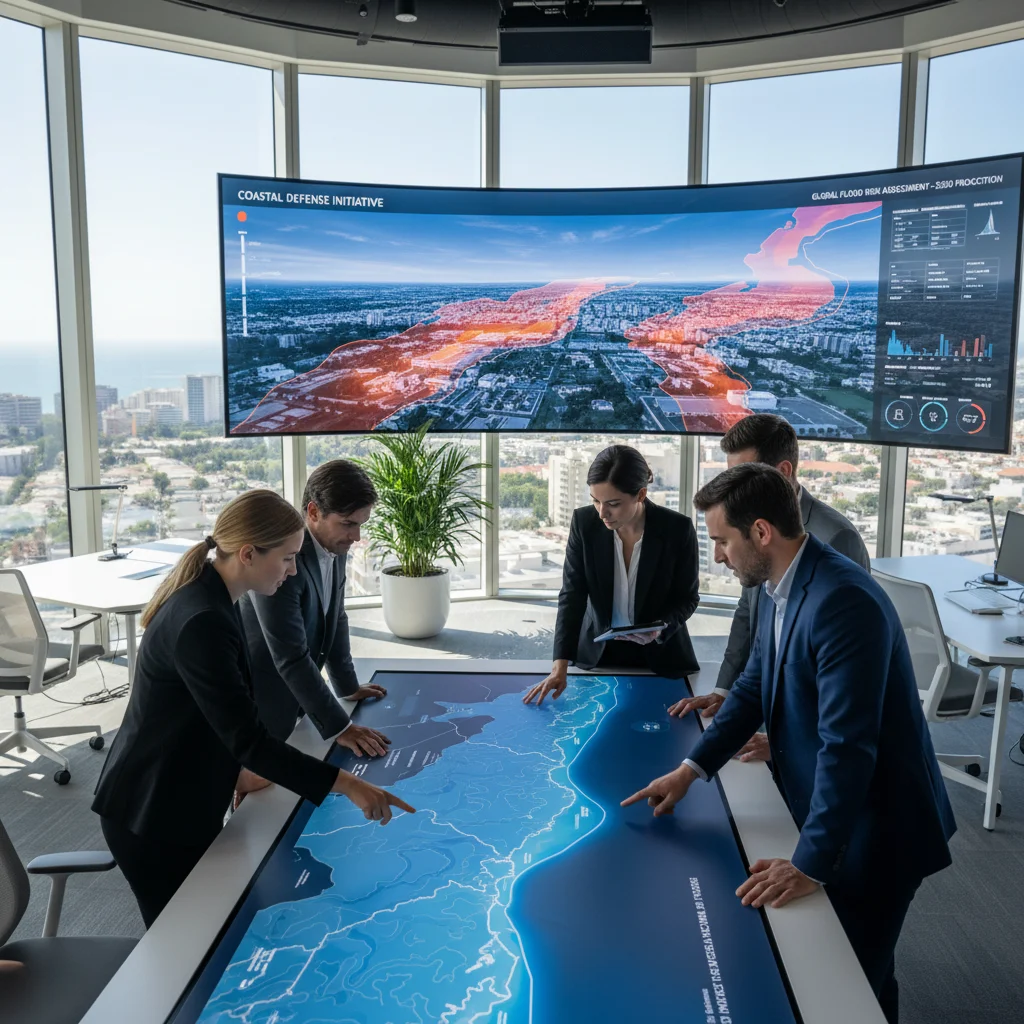
- Geographic Information Systems (GIS): GIS platforms are indispensable for mapping vulnerabilities, identifying critical infrastructure at risk, and visualizing the potential impacts of sea-level rise or flood events. This allows planners to make data-driven decisions on where to prioritize adaptation investments.
- Climate Modeling and Projections: Improved climate models provide more refined projections of future temperature, precipitation, and extreme weather events at regional and local scales. This allows communities to design infrastructure and policies that are robust to future conditions.
- Sensor Networks and IoT: Networks of sensors can monitor environmental conditions in real-time, providing early warnings for floods, heatwaves, or air quality issues. For example, urban sensor networks can track microclimates to identify heat island hotspots.
- Artificial Intelligence (AI) and Machine Learning (ML): AI and ML are being used to analyze vast datasets to identify climate risk patterns, optimize resource allocation for disaster response, and even predict the effectiveness of different adaptation measures.
- Digital Twins: Some cities are developing ‘digital twins’ – virtual replicas of their physical infrastructure and environment – to simulate various climate change scenarios and test adaptation strategies before implementation.
Leveraging these technological advancements requires investment in digital infrastructure and skilled personnel. Furthermore, ensuring that data is accessible and understandable to a wide range of stakeholders, from urban planners to local residents, is crucial for effective decision-making and public engagement in climate adaptation US.
Community Engagement and Equity in Adaptation Planning
Effective climate adaptation US is not a top-down process; it requires meaningful engagement with the communities most affected. Ensuring equity in adaptation planning is paramount, as climate change disproportionately impacts marginalized and vulnerable populations.
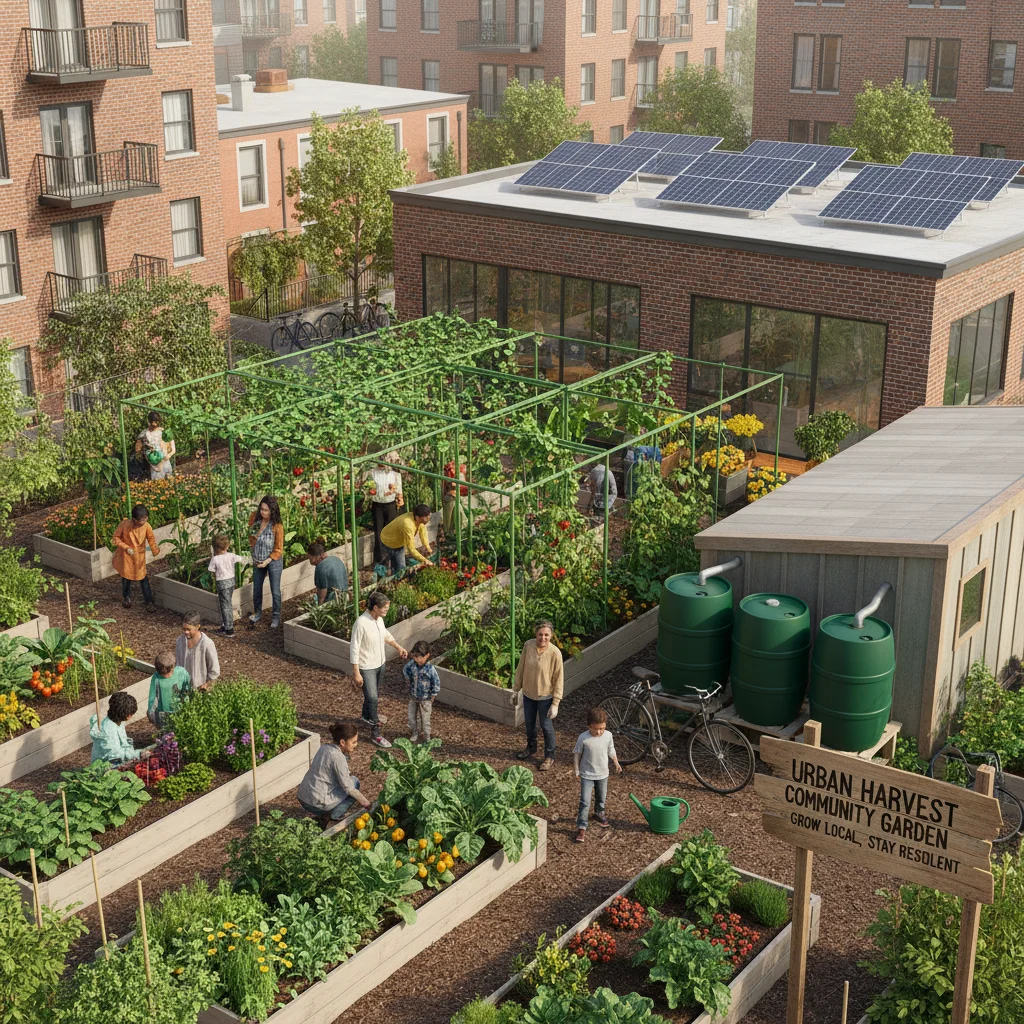
Key Principles for Equitable Adaptation:
- Inclusive Decision-Making: Actively involving diverse community members, including low-income residents, Indigenous communities, people of color, and those with disabilities, in the planning and implementation of adaptation projects. Their lived experiences offer invaluable insights into local vulnerabilities and effective solutions.
- Addressing Historical Inequities: Recognizing that many vulnerable communities are already burdened by historical injustices and environmental racism. Adaptation efforts should aim to rectify these disparities, not exacerbate them.
- Capacity Building: Providing resources, training, and technical assistance to empower communities to develop and lead their own adaptation initiatives.
- Fair Distribution of Benefits and Burdens: Ensuring that the benefits of adaptation projects (e.g., green spaces, improved infrastructure) are shared equitably, and that any burdens (e.g., relocation, construction impacts) are minimized for vulnerable groups.
- Culturally Appropriate Solutions: Developing adaptation strategies that respect and integrate local cultural practices, traditional ecological knowledge, and community values.
For example, some cities are establishing community resilience hubs that provide resources, information, and safe spaces during extreme weather events, particularly in underserved neighborhoods. Others are creating participatory budgeting processes for climate projects, allowing residents to directly decide how adaptation funds are spent in their areas. These approaches strengthen social capital and ensure that adaptation solutions are locally relevant and sustainable, reinforcing the core principles of climate adaptation US.
The Path Forward for Climate Adaptation US
The journey towards a climate-resilient United States is ongoing and complex. As global temperatures continue to rise, even towards the 2-degree Celsius mark, the urgency for comprehensive and accelerated climate adaptation US will only intensify. The recent updates highlight a growing understanding of the challenge and an increasing commitment to action, but significant work remains.
Key areas for continued focus include:
- Integrated Planning: Moving beyond siloed approaches to integrate climate adaptation into all aspects of urban, regional, and national planning – from transportation and energy to public health and economic development.
- Sustained Funding: Developing stable, long-term funding mechanisms for adaptation projects, potentially through innovative financing models, public-private partnerships, and dedicated climate resilience bonds.
- Scaling Up Nature-Based Solutions: Expanding the implementation of nature-based solutions, recognizing their multiple co-benefits for both climate resilience and environmental health.
- Investing in Data and Research: Continued investment in climate science, localized data, and research into effective adaptation technologies and strategies.
- Policy Coherence: Ensuring that federal, state, and local policies are aligned and mutually reinforcing, creating a supportive regulatory environment for adaptation.
- Global Collaboration: Actively participating in international forums to share knowledge, best practices, and innovative solutions, recognizing that climate change is a global challenge requiring global cooperation.
Ultimately, successful climate adaptation US will depend on a collective effort involving governments, businesses, academia, and individual citizens. It requires a mindset shift from reacting to disasters to proactively building a more resilient and sustainable future. The innovations and commitments seen across U.S. communities offer a hopeful glimpse into a future where societies can not only withstand the impacts of a changing climate but also thrive in its presence.
Conclusion
The challenge of a 2-degree Celsius global temperature rise demands immediate and sustained action in climate adaptation US. From federal policy frameworks to groundbreaking local initiatives, U.S. communities are demonstrating remarkable ingenuity and determination in preparing for the inevitable impacts of climate change. The integration of nature-based solutions, the development of resilient infrastructure, the leveraging of advanced technology, and a strong emphasis on community engagement and equity are all critical components of this evolving response. While significant hurdles remain, the momentum building across the nation indicates a growing commitment to building a more resilient future. The lessons learned and innovations developed today will be vital in safeguarding communities and ecosystems for generations to come, ensuring that the United States is not just reacting to climate change, but actively shaping its adaptive capacity.