Hollywood’s New Power Players: 5 Studios Making Bold Moves in 2026 Film Production
Hollywood’s New Power Players: 5 Studios Making Bold Moves in 2026 Film Production
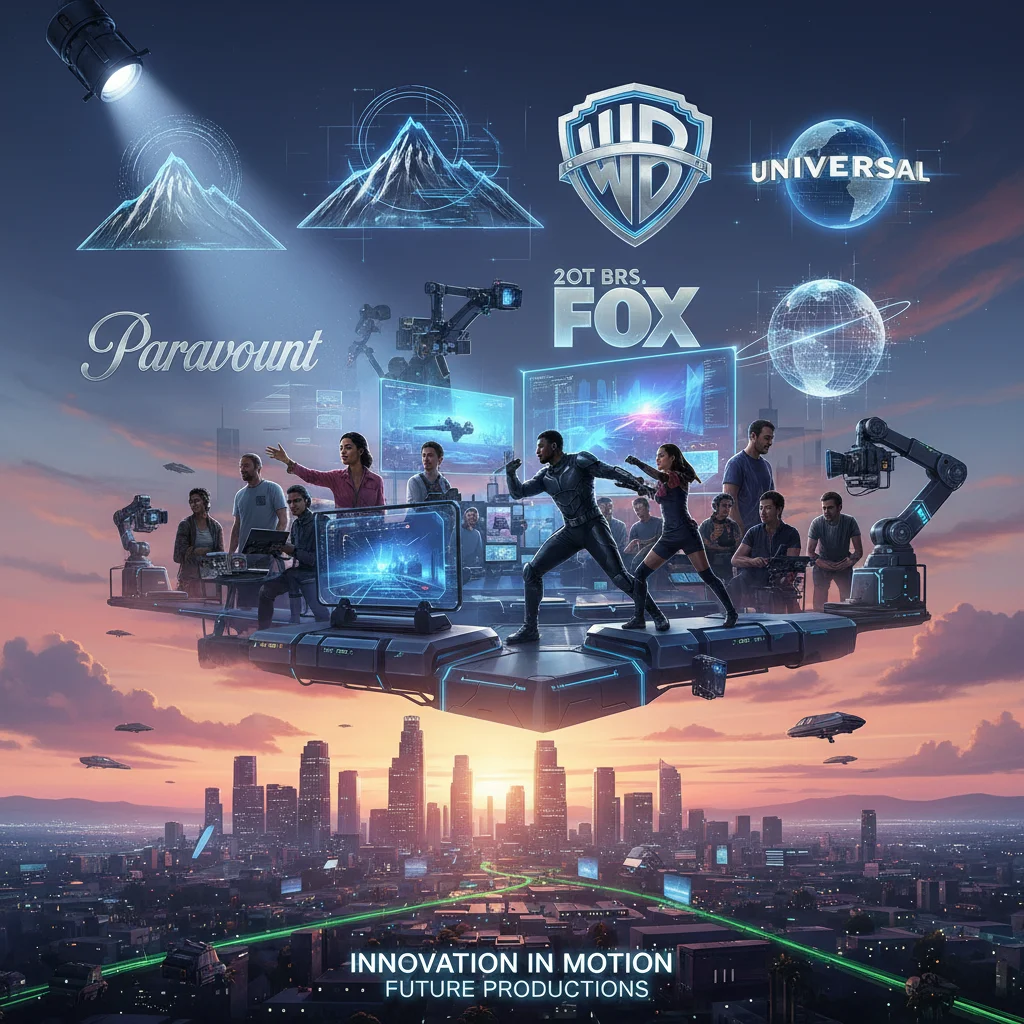
The landscape of Hollywood is in a constant state of flux, a dynamic arena where innovation, strategic partnerships, and audience engagement dictate success. As we cast our gaze forward to 2026, the stage is set for a fascinating evolution in Hollywood film production 2026. Traditional titans are adapting, while emerging players are carving out significant niches, all vying for supremacy in a fiercely competitive global market. This article will delve into the strategies of five key studios that are poised to make the most significant impact on the cinematic world in the coming years, shaping the stories we see and the ways we consume them.
The year 2026 isn’t just another calendar year; it represents a crucial juncture for the film industry. With streaming services reaching maturity, theatrical experiences being redefined, and technological advancements offering unprecedented creative possibilities, studios are under immense pressure to deliver captivating content that resonates across diverse demographics. Understanding the strategic shifts these power players are implementing is key to comprehending the future trajectory of film. From leveraging intellectual property to embracing cutting-edge technology and fostering new talent, their approaches are as varied as they are ambitious. The stakes are incredibly high, and the rewards for successful navigation of this complex environment are immense. The competition is not just about box office numbers anymore; it’s about cultural relevance, global reach, and building enduring franchises that transcend traditional media boundaries. The decisions made now will reverberate for years, influencing everything from directorial choices to marketing campaigns and the very structure of how films are financed and distributed. This deep dive into Hollywood film production 2026 will reveal the engines driving this exciting future.
The Evolving Landscape of Hollywood Film Production 2026
Before we introduce our top five, it’s essential to understand the forces at play in the broader industry. The global pandemic accelerated many trends already in motion, pushing studios to re-evaluate distribution models, invest heavily in direct-to-consumer platforms, and prioritize diverse storytelling. Furthermore, the rise of international markets, particularly in Asia and Europe, means that films are no longer solely produced for a Western audience. This global perspective is influencing everything from casting decisions to narrative choices, ensuring a broader appeal and greater cultural resonance. The demand for original content remains insatiable, fueling a content arms race where studios are constantly seeking the next big hit. This competitive environment demands agility, foresight, and a willingness to take calculated risks. The studios that will thrive in Hollywood film production 2026 are those that can effectively balance creative ambition with commercial viability, all while navigating the ever-changing technological and cultural currents. The audience, now more fragmented and discerning than ever, expects not just a movie, but an experience, whether it’s in a darkened theater or the comfort of their living room. This expectation drives innovation across the entire production pipeline, from pre-visualization to post-production, constantly pushing the boundaries of what’s possible on screen. The integration of virtual production techniques, AI-driven tools for script analysis and visual effects, and advanced data analytics for audience targeting are just a few examples of how technology is reshaping the creative process. Moreover, the emphasis on sustainability and ethical production practices is also gaining traction, influencing studio policies and public perception. These multifaceted pressures and opportunities define the current state of Hollywood film production 2026, setting the stage for the strategic moves we are about to explore.
Advertisements
Key Trends Shaping the Future
- Franchise Expansion and Universe Building: The appetite for interconnected narratives continues to grow, with studios investing heavily in expanding existing intellectual properties and creating new cinematic universes. This strategy mitigates risk by leveraging established fan bases and provides long-term content pipelines.
- Hybrid Distribution Models: While theatrical releases remain crucial for tentpole films, hybrid models involving simultaneous or staggered streaming releases are becoming more common, offering flexibility and wider audience reach.
- Technological Advancements: Virtual production, AI-powered tools, and advanced VFX are not just enhancing visual spectacle but also streamlining production processes and opening new creative avenues.
- Diversity and Inclusion: A sustained push for more diverse storytelling, both in front of and behind the camera, is leading to richer narratives and a more representative industry. This isn’t just a moral imperative; it’s a business necessity, as diverse audiences demand to see themselves reflected on screen.
- Global Co-productions: Collaborations with international partners are increasing, allowing for shared resources, access to new markets, and the integration of diverse cultural perspectives. This trend is particularly significant for expanding the global footprint of Hollywood film production 2026.
The Five Studios Poised to Dominate Hollywood Film Production 2026
1. CineVerse Studios: The AI-Powered Innovator
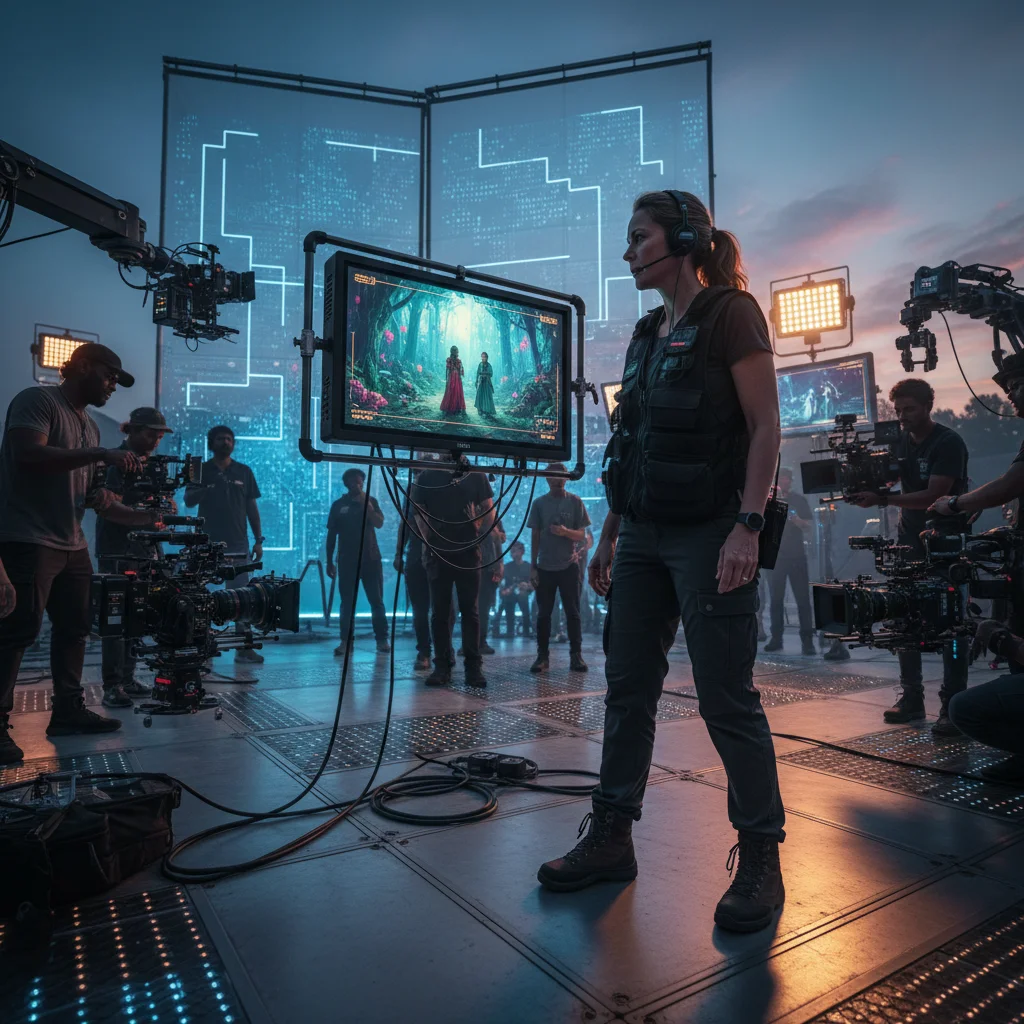
CineVerse Studios, a relatively newer entrant with substantial backing, is making waves by fully embracing artificial intelligence and cutting-edge technology in every facet of its production. Their strategy for Hollywood film production 2026 centers on data-driven decision-making, from script development and audience prediction to virtual production workflows. They are investing heavily in AI-powered script analysis tools that can identify trending themes, predict audience reception, and even assist in character development, streamlining the pre-production phase significantly. This innovative approach allows them to greenlight projects with a higher degree of confidence in their market viability. Their commitment to virtual production is also unparalleled, utilizing massive LED stages and real-time rendering to create immersive environments, reducing the need for extensive location shoots and post-production VFX work. This not only makes their productions more efficient but also gives filmmakers unprecedented creative control. CineVerse isn’t just using technology; they are integrating it into their creative DNA, aiming to redefine what’s possible in filmmaking. Their upcoming slate for 2026 includes several high-concept sci-fi thrillers and fantasy epics, all boasting groundbreaking visual effects and intricate world-building, promising a new era of cinematic spectacle. They are also actively acquiring IP that lends itself well to technological enhancement, ensuring their content slate remains fresh and visually stunning. This studio is a prime example of how technology is becoming an inseparable part of Hollywood film production 2026.
2. Global Frontier Entertainment: The International Content King
Global Frontier Entertainment (GFE) has solidified its position as a major player by prioritizing international co-productions and culturally diverse storytelling. Recognizing the immense growth in non-Western markets, GFE’s strategy for Hollywood film production 2026 is to create content with universal appeal, often by collaborating with filmmakers and talent from around the world. They are not just distributing international films; they are actively involved in their development and production, ensuring a high-quality output that respects local narratives while appealing to a global audience. This approach allows them to tap into new creative voices and access fresh perspectives that resonate beyond traditional Hollywood tropes. Their success lies in understanding the nuances of different cultural markets and tailoring their content accordingly, rather than imposing a one-size-fits-all model. GFE’s upcoming projects for 2026 include a major historical epic co-produced with a prominent Asian studio, a multilingual drama series filmed across three continents, and several animated features drawing inspiration from diverse mythologies. Their commitment to authentic representation and global storytelling makes them a formidable force in shaping the future of cinema. They are effectively bridging cultural divides through the power of storytelling, a critical aspect of modern Hollywood film production 2026. Their distribution network is also strategically designed to optimize reach in these burgeoning international markets, ensuring their content finds its audience regardless of geographical location. This global outlook is not merely an add-on; it is fundamental to their entire business model and creative philosophy.
3. Legacy Pictures Revived: The IP Powerhouse
Legacy Pictures, a studio with a storied past, is undergoing a significant renaissance by meticulously leveraging its vast library of intellectual property. Their strategy for Hollywood film production 2026 is centered on re-imagining beloved franchises, developing spin-offs, and diving deep into the lore of their most iconic characters. This isn’t just about remakes; it’s about expanding universes and creating fresh narratives that honor the original material while appealing to new generations. They are carefully curating their IP, identifying dormant properties with significant fan bases and bringing them back to life with contemporary sensibilities and cutting-edge production values. This strategy minimizes risk, as these properties come with built-in recognition and an eager audience. Legacy Pictures is also known for attracting top-tier talent, both in front of and behind the camera, to ensure that these re-imagined worlds are brought to life with the highest artistic integrity. Their 2026 slate is packed with highly anticipated sequels, prequels, and cinematic universe expansions that promise to reignite fan excitement and introduce classic stories to new audiences. Their success demonstrates the enduring power of well-managed intellectual property in the competitive landscape of Hollywood film production 2026. They understand that nostalgia can be a powerful tool, but it must be coupled with innovation and compelling storytelling to truly succeed. This careful balancing act is what sets them apart, turning old gold into new treasures for contemporary viewers. Furthermore, they are exploring interactive storytelling elements and transmedia experiences to keep their franchises vibrant and engaging across various platforms, from video games to virtual reality. This holistic approach to IP management ensures maximum audience engagement and long-term viability.
4. Indie Vanguard Productions: The Niche Market Maestros
Indie Vanguard Productions, while not possessing the same scale as the traditional majors, has carved out a powerful niche by focusing on auteur-driven projects and genre-bending films that appeal to discerning audiences. Their approach to Hollywood film production 2026 is to champion unique voices and narratives that might be overlooked by larger studios. They prioritize creative freedom and artistic integrity, attracting acclaimed directors and screenwriters who are looking to tell unconventional stories. This strategy has earned them a reputation for quality and originality, often leading to critical acclaim and strong word-of-mouth success. Indie Vanguard isn’t chasing blockbusters; they are cultivating a loyal audience that appreciates thought-provoking, artistically adventurous cinema. Their distribution strategy often involves strategic partnerships with boutique streaming services and limited theatrical runs, maximizing impact within their target demographic. Their 2026 lineup includes several critically acclaimed festival darlings, experimental dramas, and innovative horror films that push the boundaries of their respective genres. This studio proves that even in a blockbuster-dominated industry, there is still immense value in fostering independent, high-quality storytelling, making them a vital part of the diverse ecosystem of Hollywood film production 2026. They are adept at identifying emerging talent and giving them the platform and resources to realize their artistic visions, often leading to groundbreaking cinematic achievements. Their lean operational structure allows for greater flexibility and quicker decision-making, which is crucial for capitalizing on niche trends and artistic opportunities. They are not afraid to tackle challenging subjects or experiment with narrative forms, setting them apart from the more commercially driven studios.

5. OmniMedia Group: The Cross-Platform Content Architects
OmniMedia Group stands out for its integrated approach to content creation, viewing films not as standalone projects but as integral components of a larger, cross-platform media ecosystem. Their strategy for Hollywood film production 2026 involves developing stories that can seamlessly transition across films, television series, video games, podcasts, and even interactive experiences. They are masters of synergy, ensuring that each piece of content enhances the overall narrative and expands the audience’s engagement with their intellectual properties. This holistic approach maximizes revenue streams and builds deeply immersive worlds that captivate audiences across various touchpoints. OmniMedia Group invests heavily in transmedia storytelling, where each platform offers a unique perspective or continuation of a central narrative. Their development teams work collaboratively from the outset, ensuring that stories are designed with multi-platform execution in mind. Their 2026 slate includes a major film release that will be accompanied by a companion prestige television series, a virtual reality game set within the same universe, and a series of interactive digital comics. This integrated strategy creates a powerful feedback loop, where fans engaging with one piece of content are naturally drawn to explore others, fostering a highly engaged and dedicated community. OmniMedia Group is not just producing films; they are building entertainment empires, setting a new standard for comprehensive content development in Hollywood film production 2026. Their ability to leverage diverse media formats allows them to reach a wider demographic and keep their intellectual properties relevant and exciting for longer periods. This strategic foresight in content architecture is a significant competitive advantage in today’s fragmented media landscape, where consumers expect more than just passive entertainment. They are truly shaping the future of how stories are told and consumed in the digital age, demonstrating a profound understanding of modern audience behavior and technological capabilities.
The Broader Impact on Hollywood Film Production 2026
The strategies employed by these five studios are not isolated incidents but rather reflective of broader trends that will define Hollywood film production 2026. Their moves will undoubtedly influence how other studios operate, creating a ripple effect across the entire industry. The emphasis on technological integration, global reach, strategic IP management, artistic independence, and cross-platform storytelling represents a multifaceted evolution. This competitive environment fosters innovation, pushing creative boundaries and challenging traditional business models. For audiences, this translates into a richer, more diverse, and more engaging cinematic experience. The future of film promises to be one of unprecedented creativity and accessibility, driven by these forward-thinking power players.
As we look ahead, the collaboration between these different types of studios might also become more prevalent. A large IP-driven studio might partner with an indie vanguard for a unique take on an existing franchise, or an AI-powered innovator might collaborate with a global content king to localize and enhance international productions. These synergistic relationships could unlock even greater potential, blurring the lines between traditional studio roles and fostering a more interconnected industry. The talent landscape will also adapt, with filmmakers and creatives needing to be more versatile, understanding not just film production but also the intricacies of AI tools, virtual environments, and multi-platform narratives. Educational institutions will need to evolve their curricula to prepare the next generation of industry professionals for these new demands, ensuring a steady stream of skilled individuals who can navigate the complexities of modern filmmaking. The economic implications are also profound, with significant investments in new technologies and global expansion driving job creation and economic growth in various sectors. The shift towards more sustainable production practices, driven by both ethical considerations and regulatory pressures, will also necessitate new approaches and technologies, further reshaping the industry’s operational footprint.
Challenges and Opportunities Ahead
Despite the exciting prospects, Hollywood film production 2026 will not be without its challenges. The ongoing battle for audience attention in a saturated market, the rising costs of high-quality production, and the need to constantly innovate to stay ahead of piracy and evolving consumer habits are persistent hurdles. Furthermore, ethical considerations surrounding AI in creative processes, data privacy, and the impact of deepfakes will require careful navigation. However, these challenges also present opportunities for studios to differentiate themselves, build trust with their audience, and pioneer new ethical frameworks for content creation. The studios that can effectively address these challenges while capitalizing on emerging opportunities will be the true champions of Hollywood film production 2026. The ability to adapt quickly to unforeseen circumstances, a lesson painfully learned during recent global events, will remain a critical success factor. Investment in research and development will be paramount, not just for technological advancements but also for understanding shifting audience preferences and cultural sensitivities. The push for greater transparency and accountability in production practices will also gain momentum, influencing everything from labor relations to environmental impact. Ultimately, the studios that foster a culture of continuous learning and innovation, while maintaining a strong ethical compass, will be the ones that not only survive but thrive in the dynamic world of Hollywood film production 2026, leaving a lasting legacy on the art and business of cinema.
Conclusion: A Dynamic Future for Film
The year 2026 promises to be a pivotal moment for Hollywood. The strategic moves of CineVerse Studios, Global Frontier Entertainment, Legacy Pictures Revived, Indie Vanguard Productions, and OmniMedia Group illustrate a diverse and innovative approach to content creation and distribution. These studios are not just reacting to industry changes; they are actively shaping them, pushing the boundaries of storytelling and technology. Their collective efforts will undoubtedly lead to a vibrant and exciting future for film, offering audiences around the world compelling narratives and unforgettable cinematic experiences. The evolution of Hollywood film production 2026 is a testament to the enduring power of storytelling and the relentless pursuit of innovation in one of the world’s most captivating industries. The global stage is set, the players are making their moves, and the audience awaits the next chapter in cinematic history with bated breath. This era will be marked by a fusion of art and technology, where creative vision meets cutting-edge execution, resulting in films that are not only entertaining but also culturally significant and technologically advanced. The studios that master this intricate dance will be the ones that define the cinematic landscape for years to come, solidifying their place as the true power players in Hollywood film production 2026 and beyond.