Cultural Shifts: Insider Knowledge on the Growing Influence of Diverse Communities on Mainstream U.S. Media in 2026
The landscape of U.S. media is in a perpetual state of evolution, a dynamic tapestry woven with threads of societal change, technological advancement, and shifting demographics. As we navigate through 2026, one of the most profound and impactful transformations is undeniably the growing influence of diverse communities on mainstream U.S. media. This isn’t merely a fleeting trend; it’s a fundamental cultural shift, a recalibration of narratives, voices, and perspectives that is reshaping everything from primetime television to digital content creation. For those seeking diverse media influence, understanding these intricate dynamics is no longer optional but essential.
For decades, mainstream U.S. media largely presented a monolithic view, often sidelining or misrepresenting the rich tapestry of cultures that constitute the nation. However, the dawn of the 21st century, propelled by digital connectivity, social movements, and a heightened global consciousness, has ushered in an era where authenticity and representation are paramount. Diverse communities, once on the periphery, are now at the epicenter of this media revolution, demanding and creating content that truly reflects their experiences, values, and aspirations. This article delves deep into this transformative period, offering insider knowledge on the mechanisms, impacts, and future trajectories of this vital cultural shift.
The Shifting Demographics: A Foundation for Diverse Media Influence
To truly grasp the magnitude of diverse media influence, one must first acknowledge the demographic realities of the United States. The nation is becoming increasingly multicultural, with projections indicating that by 2045, no single racial or ethnic group will constitute a majority. This demographic shift isn’t just a statistical anomaly; it’s a profound change in the consumer base, the talent pool, and the storytelling imperative. Media companies, once slow to adapt, are now realizing that ignoring these demographic realities is not just socially irresponsible but also a significant business misstep.
The younger generations, in particular, are driving this demand for diversity. Gen Z and Millennials, who represent a significant portion of media consumers, have grown up in a more interconnected and diverse world. They expect to see themselves reflected in the media they consume, not as token characters or stereotypes, but as complex, multifaceted individuals. This expectation is not merely about representation; it’s about authenticity, nuance, and a genuine understanding of varied lived experiences. This demographic imperative is forcing media executives and content creators to re-evaluate their strategies, leading to a more inclusive and representative media landscape.
Advertisements
Furthermore, the economic power of diverse communities cannot be overstated. As these communities grow in size and affluence, their purchasing power becomes a critical factor for advertisers and media platforms. Brands are increasingly seeking to connect with these audiences through authentic and culturally relevant content, further amplifying the need for diverse media influence. This symbiotic relationship between demographics, economic power, and media consumption is a powerful engine driving the current cultural shifts.
From Niche to Mainstream: The Evolution of Diverse Storytelling
Historically, content featuring diverse narratives was often relegated to niche platforms or independent productions. While these spaces were crucial for fostering new voices, they often lacked the broad reach and resources of mainstream media. However, 2026 marks a significant turning point where stories from diverse communities are not just breaking through but are becoming integral to mainstream programming. This evolution is multifaceted, encompassing a greater willingness from major studios and networks to invest in diverse talent, both in front of and behind the camera.
One of the key drivers of this shift is the recognition that diverse stories resonate with a much wider audience than previously assumed. A compelling story, regardless of its cultural origin, has universal appeal. When crafted with authenticity and skill, narratives from diverse communities can transcend cultural boundaries and captivate audiences from all walks of life. This realization has led to a proliferation of critically acclaimed and commercially successful projects that center on diverse experiences, proving that diversity is not just a moral imperative but also a winning formula.
Consider the success of films and television series that highlight specific cultural experiences – from Black American narratives to stories from the Latinx community, Asian diaspora, and Indigenous populations. These productions are not only garnering awards and critical acclaim but are also achieving significant viewership and box office success. This undeniable proof of concept has emboldened more studios to take risks on diverse projects, further cementing the role of diverse media influence in shaping mainstream entertainment.
The Role of Digital Platforms and Social Media
The advent of digital platforms and social media has been an undeniable catalyst in accelerating diverse media influence. These platforms have democratized content creation and distribution, allowing individuals and communities to bypass traditional gatekeepers and share their stories directly with the world. In 2026, social media is not just a space for casual interaction; it’s a powerful engine for cultural discourse, trendsetting, and advocacy.
Content creators from diverse backgrounds have leveraged platforms like YouTube, TikTok, Instagram, and various streaming services to build massive audiences and cultivate unique narratives. These creators often offer perspectives and insights that are absent from traditional media, filling crucial gaps in representation. Their success has not gone unnoticed by mainstream media, which is increasingly looking to these digital spaces for new talent, fresh ideas, and authentic voices. The lines between ‘influencer’ and ‘traditional media personality’ are blurring, creating new pathways for diverse talent to enter and reshape the mainstream.
Moreover, social media has empowered audiences to demand greater diversity and accountability from media organizations. Hashtag campaigns, online petitions, and viral discussions have effectively pressured networks and studios to address issues of representation, stereotype, and inclusion. This direct feedback loop between audience and creator is a powerful force, ensuring that the conversation around diverse media influence remains active and impactful. In 2026, a media company’s reputation is inextricably linked to its commitment to diversity and inclusion, making social media an indispensable tool for both advocacy and engagement.
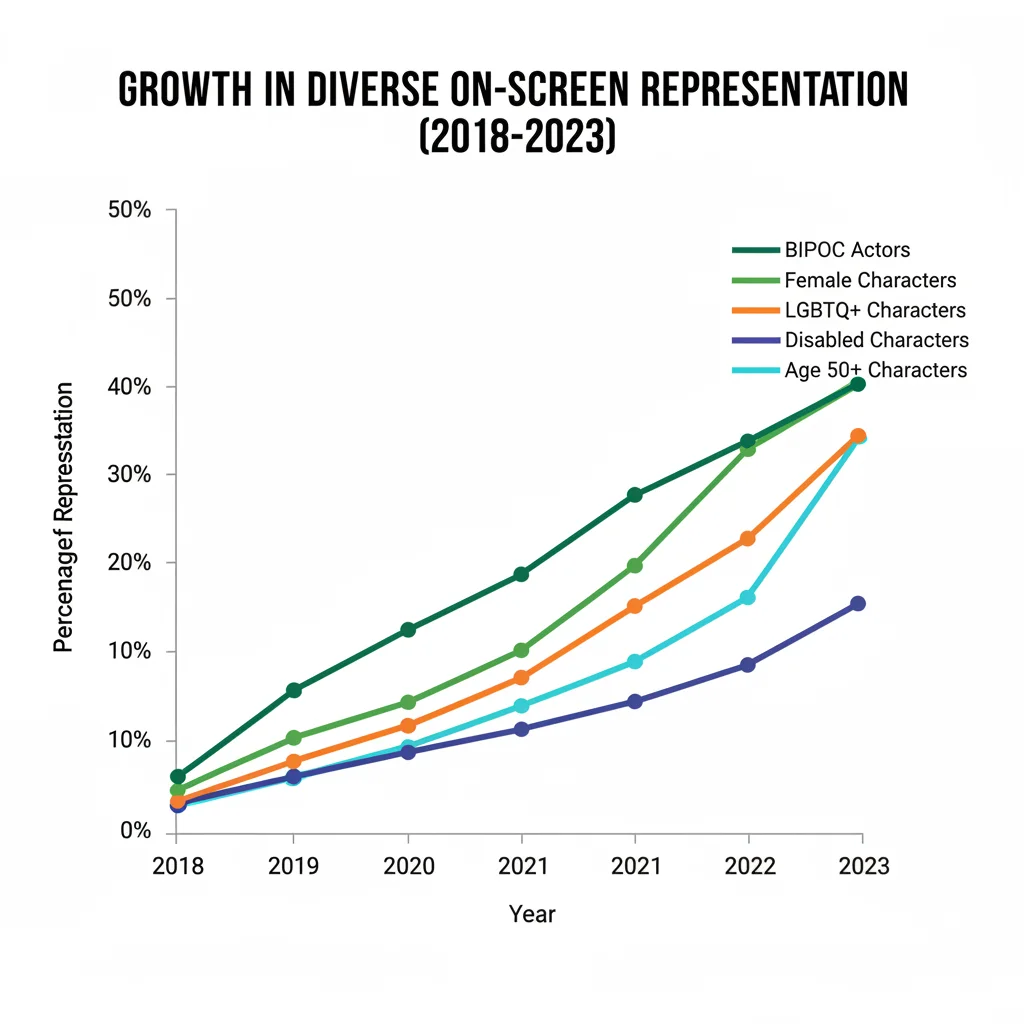
Challenges and Opportunities in the Landscape of Diverse Media Influence
While significant progress has been made, the journey towards truly equitable and inclusive media is ongoing. Challenges persist, including the need for sustained commitment beyond initial enthusiasm, avoiding tokenism, and ensuring authentic representation rather than superficial diversity. There’s also the critical issue of power dynamics within media organizations, where diverse voices need to be present not just in front of the camera, but also in executive suites, writers’ rooms, and production teams. True diverse media influence requires systemic change.
One of the primary challenges is overcoming ingrained biases and stereotypes that have historically shaped media narratives. It requires a conscious effort to dismantle these harmful tropes and replace them with nuanced, respectful, and accurate portrayals. This often involves extensive research, consulting with community members, and hiring cultural consultants to ensure authenticity. The fear of misrepresentation can sometimes lead to paralysis, but the greater risk lies in perpetuating outdated and harmful narratives.
However, these challenges also present immense opportunities. For media companies, embracing diversity is an opportunity to tap into new markets, foster innovation, and create more compelling and relevant content. For content creators, it’s an opportunity to tell stories that have historically been untold, to challenge perceptions, and to connect with audiences on a deeper, more meaningful level. The growing demand for diverse content also creates new job opportunities and career paths for individuals from underrepresented backgrounds, further enriching the media ecosystem.
Impact on Content Creation: Beyond Representation
The impact of diverse media influence extends far beyond simply seeing more varied faces on screen. It profoundly affects the very fabric of content creation, leading to richer storytelling, more complex character development, and a broader range of genres and themes. When diverse voices are at the table, the stories become more intricate, challenging, and reflective of the multifaceted human experience.
This shift encourages creators to explore new narrative structures, cultural traditions, and perspectives that were once considered niche. For example, storytelling often draws from specific cultural mythologies, historical events, or social dynamics that were previously overlooked by mainstream narratives. The result is content that feels fresh, innovative, and deeply resonant. This enriches not only the specific cultural group being represented but also the entire audience, offering new insights and fostering greater understanding.
Moreover, diverse perspectives can challenge conventional wisdom and push creative boundaries. When writers, directors, and producers from different backgrounds collaborate, they bring unique insights and approaches to storytelling, leading to more original and impactful work. This collaborative synergy is a cornerstone of true innovation in the media industry, ensuring that content remains relevant and engaging for a global audience. The impact is a more vibrant, dynamic, and reflective media landscape that truly embodies the spirit of 2026.
Advertising and Marketing: Reflecting the New Consumer Base
The advertising and marketing industries are also undergoing a significant transformation due to diverse media influence. Brands are increasingly recognizing the importance of authentic representation in their campaigns to connect with a diverse consumer base. Gone are the days of generic, one-size-all advertising; today’s successful campaigns are culturally sensitive, inclusive, and reflective of the various communities they aim to reach.
This means more than just including diverse models in commercials. It involves understanding cultural nuances, speaking directly to specific community values, and partnering with diverse content creators and influencers who have built trust within their respective communities. Brands that fail to adapt risk alienating a significant portion of the market, while those that embrace diversity are reaping the rewards of increased engagement and loyalty.
In 2026, programmatic advertising and data analytics play a crucial role in identifying and targeting diverse audiences with culturally relevant messages. However, technology alone is not enough; it must be coupled with genuine cultural understanding and a commitment to authentic representation. The most successful advertising campaigns are those that genuinely celebrate diversity and reflect the authentic experiences of different communities, showcasing the profound impact of diverse media influence on commercial messaging.
The Future of Media: Sustaining Diverse Media Influence
Looking ahead, sustaining and expanding diverse media influence will require ongoing commitment and proactive strategies. It’s not a destination but a continuous journey of learning, adaptation, and innovation. Several key areas will be crucial for ensuring this influence continues to grow and deepen.
Firstly, investment in diverse talent pipelines is paramount. This means supporting educational programs, mentorship initiatives, and entry-level opportunities for individuals from underrepresented backgrounds across all facets of the media industry. From film schools to journalism programs, fostering diverse talent at every stage of their career is essential for long-term change.
Secondly, accountability and transparency will be critical. Media organizations need to set clear diversity goals, measure their progress, and be transparent about their efforts. This includes tracking representation in hiring, promotions, and content production. Public accountability can drive meaningful change and ensure that commitments to diversity are not merely performative.
Thirdly, fostering an inclusive organizational culture is vital. It’s not enough to hire diverse talent if the workplace culture does not support their growth and well-being. Inclusive environments where all voices are valued and heard are essential for retaining diverse talent and enabling them to thrive. This creates a virtuous cycle where diverse perspectives lead to better content, which in turn attracts more diverse talent.
Finally, continuous dialogue and collaboration between media organizations and diverse communities are indispensable. This ensures that media content remains relevant, authentic, and responsive to the evolving needs and desires of various audiences. It’s about building bridges, fostering understanding, and creating a media ecosystem that truly serves all members of society. The future of U.S. media in 2026 and beyond hinges on its ability to embrace and champion diverse media influence as a core principle.
Conclusion: A New Era of Inclusive Storytelling
The growing influence of diverse communities on mainstream U.S. media in 2026 represents a pivotal moment in cultural history. It signifies a move towards a more inclusive, authentic, and representative media landscape that better reflects the rich diversity of the nation. This shift is being driven by demographic changes, the power of digital platforms, and a collective demand for stories that resonate with a broader audience.
While challenges remain, the opportunities are immense. By embracing diverse media influence, the industry is not only fulfilling a social imperative but also unlocking new creative potential, expanding market reach, and fostering a deeper connection with audiences. The era of monolithic storytelling is giving way to a vibrant mosaic of narratives, perspectives, and voices that truly embody the spirit of the United States. As we move forward, the continued amplification and celebration of diverse communities will undoubtedly shape the future of media for generations to come, creating a legacy of understanding, empathy, and authentic representation.
The insights shared here offer a glimpse into the profound transformations underway. For anyone involved in media, content creation, or simply observing cultural trends, recognizing and championing this powerful shift is essential. The future of U.S. media is undeniably diverse, and its evolution promises a richer, more engaging, and more reflective mirror of society.