Pop Culture’s Green Movement: 4 Eco-Conscious Initiatives Shaping the 2026 Entertainment Industry
Pop Culture’s Green Movement: 4 Eco-Conscious Initiatives Shaping the 2026 Entertainment Industry
The global conversation around climate change and environmental sustainability has intensified dramatically over the past decade, permeating every facet of our lives, including the seemingly glamorous and often resource-intensive world of pop culture and entertainment. Far from being immune to these pressures, the entertainment industry is increasingly recognizing its significant environmental footprint and is actively pivoting towards more sustainable practices. By 2026, we are witnessing a profound shift, with eco-conscious entertainment becoming not just a niche concern but a mainstream imperative. This transformation is driven by a combination of consumer demand, regulatory pressures, technological advancements, and a growing sense of corporate social responsibility among studios, artists, and production companies.
The influence of pop culture cannot be overstated. From the movies we watch to the music we listen to, the fashion we admire, and the events we attend, entertainment shapes public opinion and sets trends. When an industry with such a vast reach commits to sustainability, the ripple effects are immense, inspiring millions to consider their own environmental impact. This article delves into four pivotal eco-conscious initiatives that are not just shaping the 2026 entertainment industry but are redefining what it means to be a responsible and forward-thinking player in the global pop culture landscape. These initiatives showcase a holistic approach to sustainability, touching upon production, consumption, advocacy, and infrastructure, all contributing to a robust eco-conscious entertainment ecosystem.
1. Sustainable Production Practices in Film and Television
The film and television industry, historically known for its lavish sets, extensive travel, and significant energy consumption, is undergoing a profound green metamorphosis. The goal is to minimize waste, reduce carbon emissions, and promote ethical sourcing throughout the entire production lifecycle. By 2026, sustainable production practices are no longer an optional add-on but a standard operating procedure for major studios and independent productions alike. This commitment to eco-conscious entertainment on set is transforming how stories are brought to life.
Advertisements
Energy Efficiency and Renewable Sources
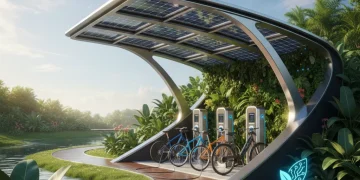
One of the most significant shifts is in energy consumption. Traditional film sets rely heavily on diesel generators for power, leading to considerable emissions. The industry is rapidly adopting renewable energy solutions, including portable solar arrays and battery-powered generators. Studios are investing in infrastructure upgrades to power their soundstages and offices with solar panels and wind energy. Electric vehicles (EVs) are becoming the norm for transportation on set, from crew shuttles to equipment trucks, significantly reducing the carbon footprint associated with logistics.
Waste Reduction and Recycling Programs
Waste management is another critical area of focus. Productions are implementing rigorous waste reduction and recycling programs, aiming for zero-waste sets. This includes comprehensive recycling for plastics, paper, and metal, as well as composting organic waste from catering. Water bottles are being replaced with reusable alternatives, and single-use plastics are being phased out entirely. Prop and set departments are prioritizing renting or repurposing materials over purchasing new ones, and when new materials are necessary, they are sourced sustainably and often donated or recycled after use.
Green Certifications and Consultants
To ensure accountability and provide a framework for sustainable practices, green certification programs like the Producers Guild of America’s Green Mark and BAFTA’s albert certification are gaining widespread adoption. Productions are increasingly hiring sustainability consultants who specialize in environmental best practices for film and TV. These experts guide teams through eco-friendly choices, from pre-production planning to post-production, ensuring that environmental considerations are integrated into every decision. This holistic approach is fundamental to fostering eco-conscious entertainment.

2. Sustainable Music Tours and Festivals
The live music industry, encompassing massive festivals and extensive global tours, presents unique environmental challenges. From massive energy consumption for stages and lighting to significant waste generation and travel-related emissions, the ecological impact is substantial. However, by 2026, artists, promoters, and venues are leading a charge towards more sustainable models, transforming concerts and festivals into platforms for eco-conscious entertainment and environmental advocacy.
Renewable Energy for Stages and Venues
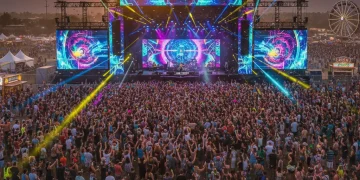
Concert stages and festival grounds are rapidly transitioning to renewable energy sources. Solar-powered stages, wind turbines, and even kinetic energy solutions are being implemented to power performances. Venues are investing in energy-efficient lighting (LEDs) and sound systems, and many are aiming to be entirely powered by renewables. This not only reduces carbon emissions but also often leads to cost savings in the long run.
Zero-Waste Initiatives and Circular Economy Principles
Festivals are becoming pioneers in zero-waste initiatives. This involves comprehensive recycling and composting stations, often with dedicated ‘green teams’ to educate attendees and manage waste streams. Single-use plastics are being banned, replaced by reusable cups, bottles, and food containers. Many events are partnering with local food banks to donate unused food and with organizations to repurpose or recycle stage materials and decorations. The focus is shifting towards a circular economy, where resources are kept in use for as long as possible, extracting the maximum value from them whilst in use, then recovering and regenerating products and materials at the end of each service life.
Sustainable Transportation and Logistics
Touring artists are rethinking their travel arrangements. While private jets remain a challenge, there’s a growing trend towards carbon offsetting, using biofuels for tour buses, and optimizing travel routes to minimize emissions. Promoters are encouraging attendees to use public transport, ride-sharing, or cycling to events, often providing incentives or dedicated infrastructure. Local sourcing for catering and merchandise also reduces transportation emissions.
Artist Advocacy and Influence
Artists themselves are becoming powerful advocates for environmental change. Many are incorporating sustainability messages into their performances, using their platforms to raise awareness and inspire action. Billie Eilish, Coldplay, and Massive Attack are just a few examples of artists who have publicly committed to making their tours as green as possible, setting a precedent for the entire industry and showcasing genuine eco-conscious entertainment.
3. Eco-Friendly Merchandise and Fashion Lines
Merchandise and fashion are integral components of pop culture, allowing fans to express their allegiances and connect with their favorite artists and franchises. Historically, this sector has been plagued by fast fashion practices, reliance on synthetic materials, and unethical supply chains. By 2026, there’s a significant movement towards eco-friendly merchandise and sustainable fashion lines, driven by both consumer demand for ethical products and a genuine desire from brands and artists to reduce their environmental impact. This initiative is pivotal for truly embodying eco-conscious entertainment.
Sustainable Materials and Production
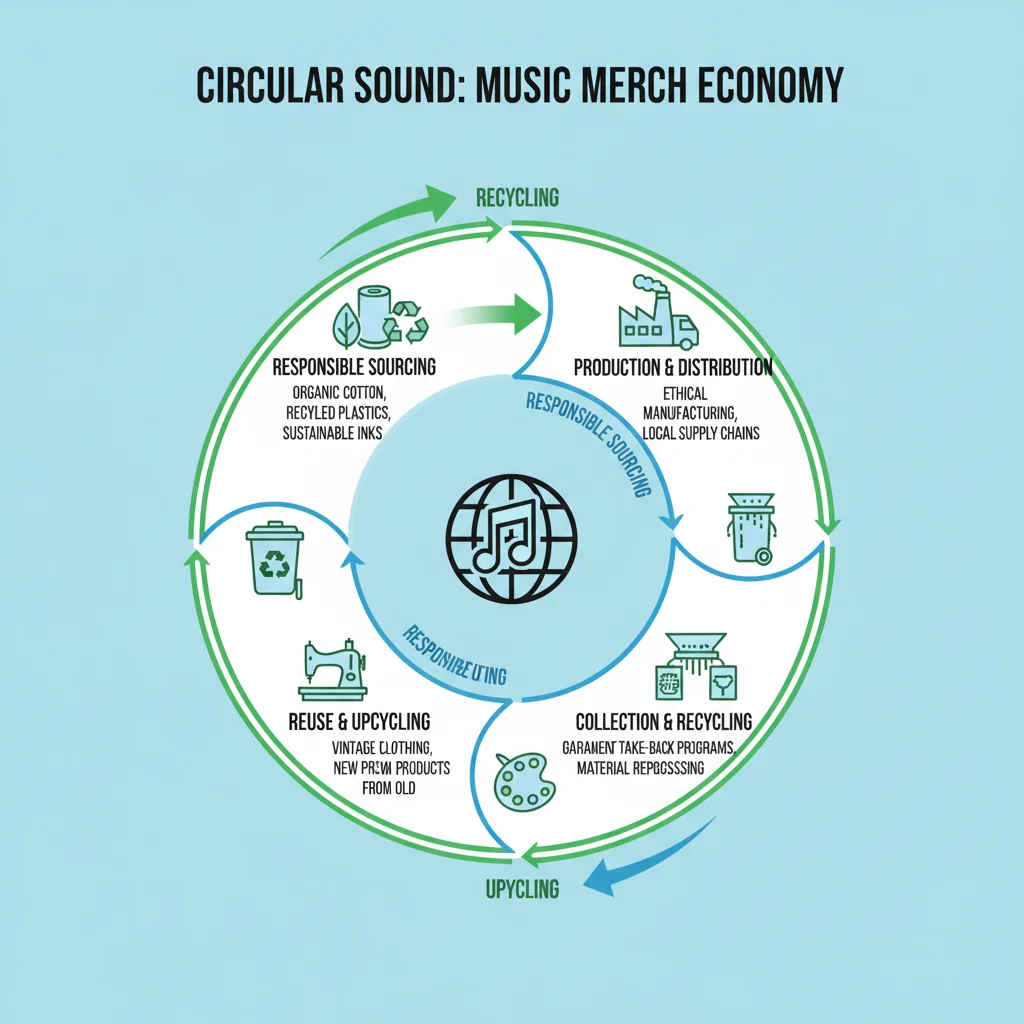
The shift begins with materials. Organic cotton, recycled polyester, hemp, bamboo, and innovative bio-based fabrics are replacing conventional, resource-intensive options. Brands are scrutinizing their supply chains to ensure ethical labor practices and minimal environmental harm. Dyeing processes are becoming more eco-friendly, using natural dyes or closed-loop systems that recycle water and chemicals. Packaging for merchandise is also undergoing a transformation, with compostable, recycled, or reusable materials replacing plastic and excessive wrapping.
Upcycling and Circular Fashion
The concept of circular fashion is gaining traction within pop culture merchandise. This involves designing products for longevity, repair, and eventual recycling or upcycling. Artists are collaborating with designers to create limited-edition upcycled collections from existing garments or textile waste. Fans are encouraged to repair and reuse their merchandise, fostering a deeper connection with their purchases and reducing the demand for new items. This closed-loop system is a cornerstone of sustainable design.
Transparency and Certifications
Consumers are increasingly demanding transparency about where and how their products are made. Brands are responding by providing detailed information about their supply chains, material sourcing, and environmental certifications (e.g., GOTS for organic textiles, Fair Trade). This transparency builds trust and empowers consumers to make informed, eco-conscious entertainment choices. Collaborations with sustainability-focused organizations are also common, lending credibility to eco-friendly claims.
4. Digital Innovation for Reduced Environmental Impact
While the physical aspects of entertainment often grab headlines for their environmental impact, the digital realm also plays a crucial role. From streaming services to virtual reality experiences, the infrastructure supporting digital entertainment consumes vast amounts of energy. By 2026, significant innovations are making digital pop culture more sustainable, proving that even intangible experiences can be part of the eco-conscious entertainment movement.
Green Data Centers and Cloud Computing
The backbone of digital entertainment is data centers, which require immense energy for operation and cooling. Tech giants and streaming platforms are making substantial investments in green data centers powered by renewable energy. Many are committing to 100% renewable energy targets for their cloud infrastructure, reducing the carbon footprint associated with streaming movies, music, and gaming. Optimizing server efficiency and using advanced cooling technologies also contribute to significant energy savings.
Optimized Streaming and Content Delivery
Even the way content is delivered is becoming more efficient. Developers are optimizing streaming algorithms to reduce bandwidth usage without compromising quality, thereby lowering the energy required for data transmission. Edge computing, which processes data closer to the source, reduces the need for long-distance data travel, further minimizing energy consumption. These seemingly small optimizations, scaled across billions of users, have a massive collective impact on making eco-conscious entertainment a reality.
Virtual Production and Remote Collaboration
The rise of virtual production technologies, such as LED volumes and real-time rendering, is revolutionizing filmmaking by reducing the need for extensive physical sets and location shoots. This cuts down on travel, construction waste, and energy consumption. Remote collaboration tools, which became essential during the pandemic, continue to facilitate virtual meetings and workflows, lessening the reliance on air travel for creative teams and executives. These technological advancements are not only improving efficiency but also directly contributing to a greener industry.
Eco-Conscious Gaming and NFTs
The gaming industry is also embracing sustainability. Game developers are designing energy-efficient games, and platforms are exploring ways to reduce the energy consumption of consoles and cloud gaming. Even the controversial world of NFTs (Non-Fungible Tokens) is seeing a shift towards more eco-friendly blockchain technologies (e.g., proof-of-stake vs. proof-of-work) and carbon-neutral initiatives, addressing concerns about their environmental impact. This evolution ensures that even emerging digital trends align with eco-conscious entertainment principles.
The Broader Impact of Pop Culture’s Green Movement
The initiatives discussed above are not isolated efforts; they are part of a larger, interconnected movement that highlights the entertainment industry’s growing commitment to environmental stewardship. By integrating sustainability into its core operations, pop culture is doing more than just reducing its own footprint; it is also leveraging its immense cultural power to educate, inspire, and mobilize audiences worldwide.
Shaping Consumer Behavior
When beloved artists and iconic franchises champion eco-friendly practices, it sends a powerful message to their fans. This can influence consumer behavior, encouraging individuals to adopt more sustainable lifestyles, make greener purchasing choices, and demand environmental responsibility from other industries. The visibility of eco-conscious entertainment normalizes sustainability and makes it aspirational.
Driving Innovation and Investment
The demand for sustainable solutions within the entertainment sector is also spurring innovation. Companies are developing new green technologies, materials, and services to meet the industry’s specific needs. This creates a positive feedback loop, where investment in sustainability leads to more effective and affordable eco-friendly options, further accelerating the green transition across various sectors. The entertainment industry’s scale ensures that these innovations have significant market potential.
Policy Influence and Advocacy
As a highly visible and influential industry, pop culture’s green movement can also impact policy and regulatory frameworks. When major studios and global artists advocate for stronger environmental protections or support green legislation, their voices carry significant weight. This collective advocacy helps to create a more supportive environment for sustainability initiatives beyond the entertainment sphere, reinforcing the importance of eco-conscious entertainment at a governmental level.
Challenges and Future Outlook
While the progress in making the entertainment industry more sustainable by 2026 is undeniable, challenges remain. The sheer scale and global nature of the industry mean that achieving universal sustainability is a monumental task. Issues such as the carbon footprint of international travel for talent and crew, the disposal of specialized equipment, and the continuous demand for novelty in production and merchandise still require innovative solutions.
However, the trajectory is clear. The commitment to eco-conscious entertainment is deepening, driven by a new generation of artists, executives, and consumers who understand the urgency of environmental action. Future developments will likely include even more advanced green technologies, greater standardization of sustainable practices across the globe, and increased collaboration between industry players and environmental organizations. The integration of AI and data analytics will also play a crucial role in optimizing resource use and tracking environmental impact more precisely.
The entertainment industry is not just reflecting societal values; it is actively shaping them. By embracing these four eco-conscious initiatives, pop culture is demonstrating that creativity and responsibility can go hand in hand, paving the way for a more sustainable and inspiring future for us all. The transformation by 2026 is just the beginning of a long-term commitment to a greener, more responsible, and truly eco-conscious entertainment world.
Conclusion
The journey towards a fully sustainable entertainment industry is ongoing, but the strides made by 2026 are nothing short of revolutionary. From the sustainable production practices transforming film and television sets to the eco-friendly innovations reshaping music tours and festivals, the industry is demonstrating a profound commitment to environmental stewardship. The rise of eco-friendly merchandise and fashion lines, coupled with digital innovations aimed at reducing the carbon footprint of streaming and gaming, collectively paints a picture of an industry determined to lead by example.
These four initiatives are not just about reducing harm; they are about actively contributing to a healthier planet and inspiring a global audience to join the cause. As pop culture continues to evolve, its green movement will undoubtedly grow stronger, proving that eco-conscious entertainment is not just a trend, but a fundamental shift towards a more responsible and sustainable future for all.