Conscious Consumerism: Driving Corporate Social Responsibility by 2026
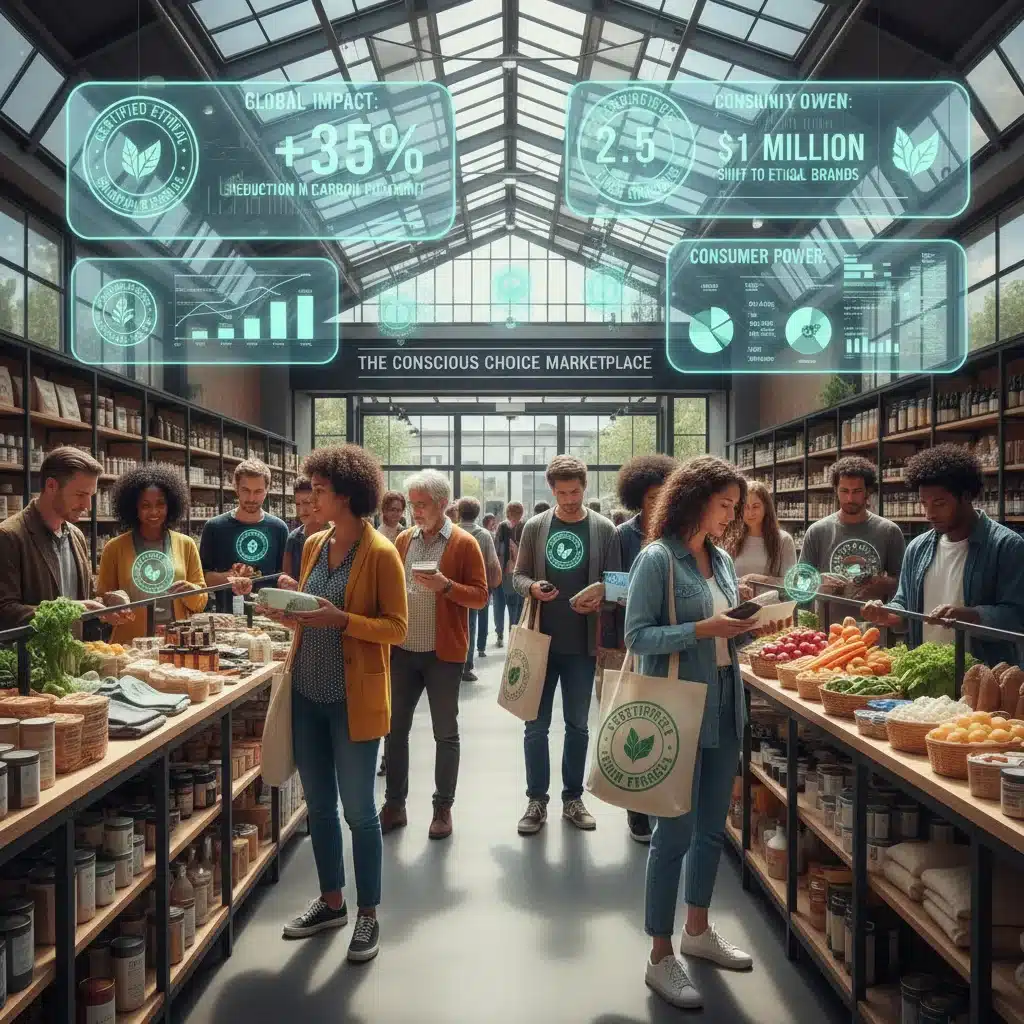
The Rise of Conscious Consumerism: How 60% of U.S. Buyers Influence Corporate Social Responsibility in 2026
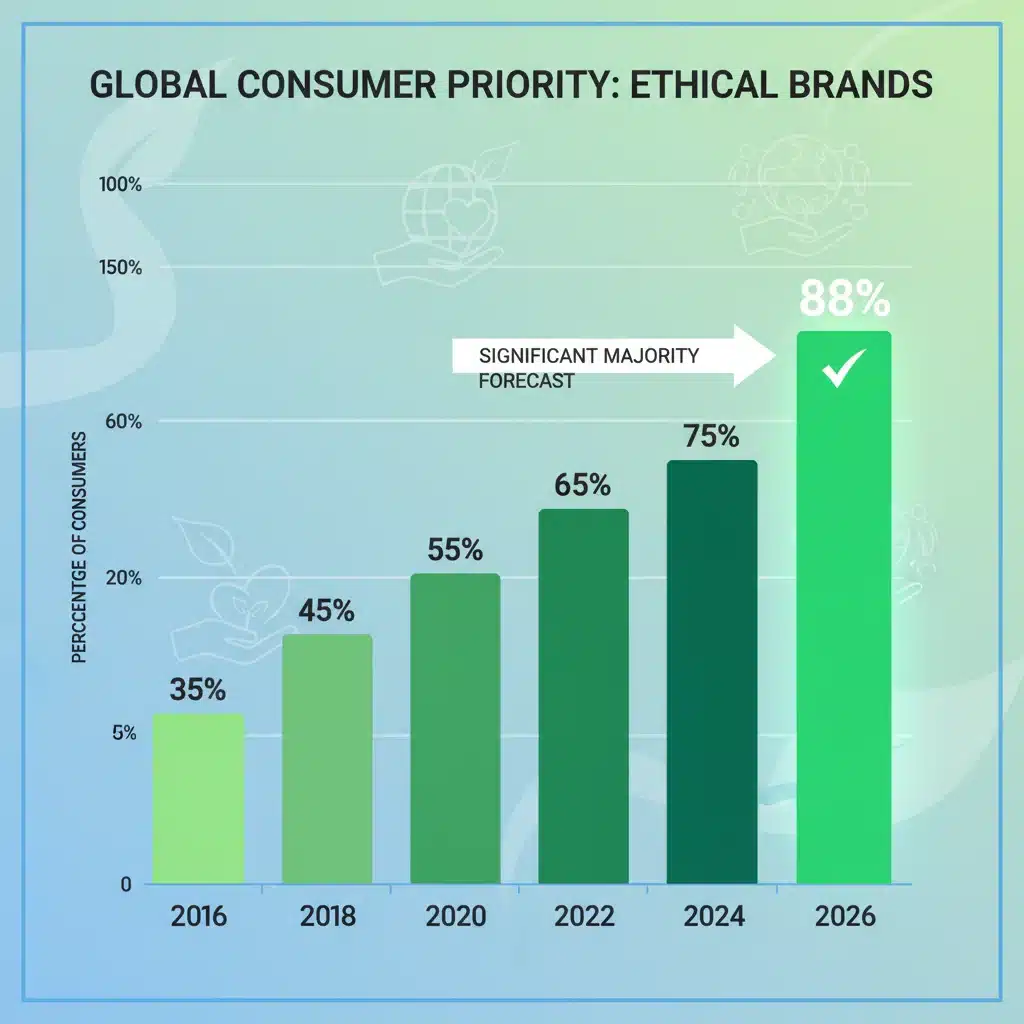
In an era defined by global interconnectedness and heightened awareness, the landscape of commerce is undergoing a profound transformation. At the heart of this shift is the burgeoning phenomenon of conscious consumerism – a powerful movement where purchasing decisions are increasingly guided by ethical, social, and environmental considerations. This isn’t just a fleeting trend; it’s a fundamental change in consumer behavior that is reshaping corporate strategies and demanding a new level of accountability. By 2026, projections indicate that over 60% of U.S. buyers will actively factor corporate social responsibility (CSR) into their purchasing choices, a statistic that underscores the immense influence of conscious consumerism impact on the business world.
For decades, the primary drivers of consumer choice were often price, quality, and convenience. While these factors remain relevant, a new layer of criteria has emerged, reflecting a deeper societal concern for the planet and its inhabitants. Consumers are no longer content with merely acquiring goods and services; they want to know the story behind their purchases. They are asking critical questions: Were these products made ethically? Does the company respect its workers? What is its environmental footprint? Is it contributing positively to society?
This article will delve into the multifaceted world of conscious consumerism, exploring its origins, its current trajectory, and its projected impact on corporate social responsibility by 2026. We will examine the forces driving this movement, the expectations of the modern consumer, and the strategic imperatives for businesses seeking to thrive in this evolving marketplace. Understanding the conscious consumerism impact is no longer optional; it is essential for long-term success.
Defining Conscious Consumerism: More Than Just a Buzzword
To truly grasp the significance of this shift, it’s crucial to define what conscious consumerism entails. At its core, conscious consumerism refers to the practice of making purchasing decisions based on a company’s social, environmental, and ethical practices, in addition to traditional factors like price and quality. It’s about aligning personal values with purchasing power, using economic choices as a form of activism.
Advertisements
The Pillars of Conscious Consumerism
- Environmental Sustainability: This encompasses concerns about climate change, resource depletion, pollution, and biodiversity loss. Conscious consumers seek out products and brands that minimize their ecological footprint, utilize renewable energy, reduce waste, and promote circular economy principles.
- Social Responsibility: This pillar focuses on human rights, fair labor practices, community engagement, and diversity and inclusion. Consumers want to support companies that treat their employees fairly, pay living wages, avoid child labor, and contribute positively to the communities in which they operate.
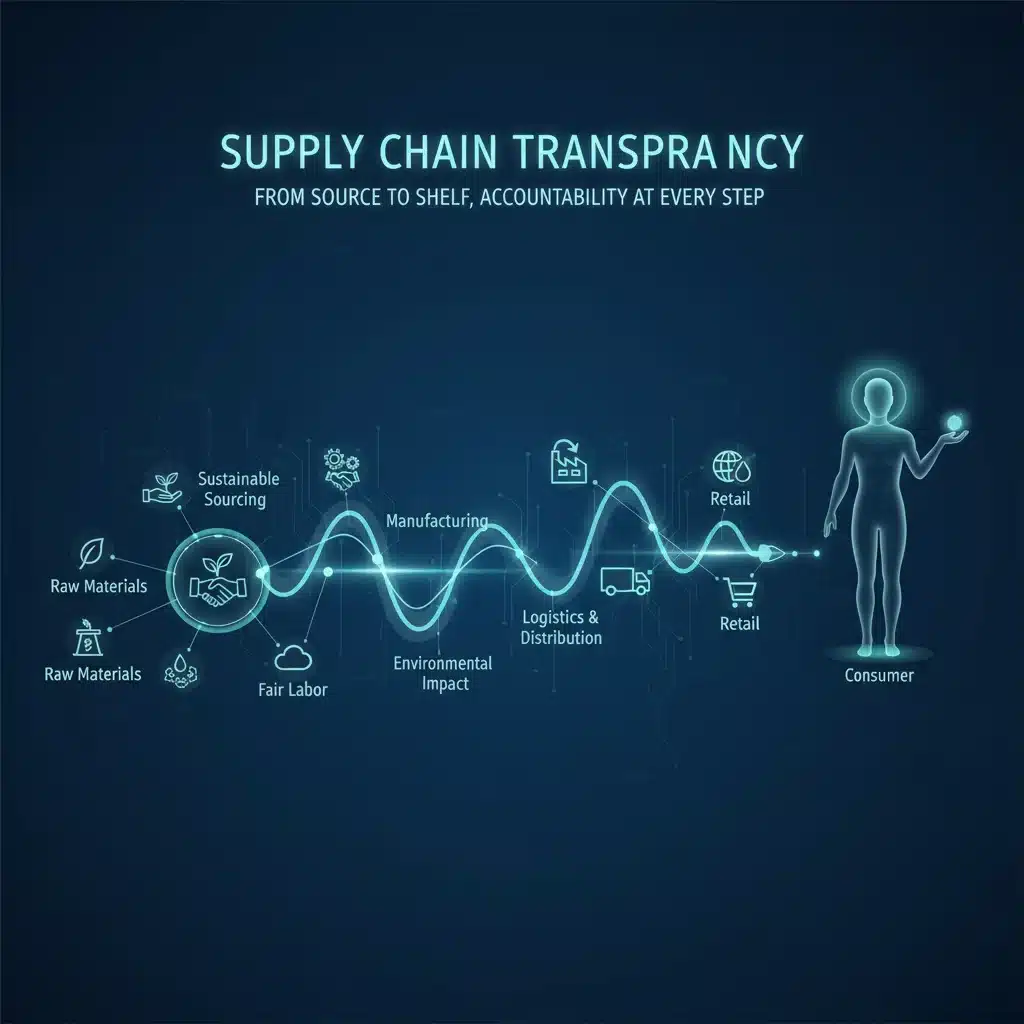
- Ethical Sourcing and Production: This involves transparency in the supply chain, ensuring that raw materials are sourced responsibly, and production processes are free from exploitation or harm. This includes everything from conflict-free minerals to sustainable agriculture.
- Transparency and Accountability: Conscious consumers demand open communication from companies about their practices. They want verifiable claims, certifications, and clear reporting on CSR initiatives, rather than vague statements or greenwashing.
- Health and Wellness: While often intertwined with environmental concerns (e.g., organic food, non-toxic products), this also includes a focus on products that promote well-being and are free from harmful chemicals or unsustainable ingredients.
The conscious consumer is not a monolithic entity. There’s a spectrum of engagement, from those who make occasional ethical choices to those who meticulously research every purchase. However, the overall trend points towards a growing number of individuals who are integrating these considerations into their everyday lives, thereby amplifying the conscious consumerism impact.
The Driving Forces Behind the Conscious Consumerism Impact
Several interconnected factors have fueled the rapid ascent of conscious consumerism. Understanding these drivers is key to comprehending its enduring influence.
1. Increased Access to Information and Digital Literacy
The internet and social media have democratized information. Consumers can now easily research companies, read reviews, access ethical ratings, and learn about supply chain practices with a few clicks. Social media platforms also serve as powerful forums for sharing information, exposing unethical practices, and organizing collective action. This unprecedented transparency empowers consumers to make informed decisions and hold corporations accountable, directly contributing to the conscious consumerism impact.
2. Growing Awareness of Global Issues
News cycles are dominated by reports on climate change, social inequality, and human rights abuses. This constant exposure has fostered a greater sense of urgency and responsibility among individuals. Many consumers feel a moral imperative to use their purchasing power to address these global challenges, seeing it as a tangible way to contribute to positive change.
3. Shifting Demographics and Values
Millennials and Gen Z, in particular, are driving much of this trend. These generations are often characterized by a strong sense of social justice, environmental awareness, and a desire for purpose-driven brands. They are less swayed by traditional advertising and more influenced by authenticity, values alignment, and peer recommendations. As these demographics gain more economic power, their preferences are increasingly dictating market trends.
4. Brand Scandals and Loss of Trust
Past corporate scandals involving labor exploitation, environmental damage, or deceptive marketing have eroded consumer trust in traditional businesses. In response, many consumers are seeking out brands that demonstrate genuine commitment to ethical practices, viewing transparency and responsibility as indicators of trustworthiness. This erosion of trust in conventional business models has inadvertently strengthened the conscious consumerism impact.
5. The Rise of Purpose-Driven Brands
Conversely, the success of companies built on strong ethical foundations (e.g., Patagonia, TOMS, Warby Parker) has demonstrated that purpose and profit are not mutually exclusive. These brands resonate deeply with conscious consumers, proving that a values-driven approach can be a significant competitive advantage. Their success serves as a blueprint for other companies seeking to integrate CSR effectively.
The Evolution of Corporate Social Responsibility (CSR)
As conscious consumerism has gained momentum, so too has the concept of Corporate Social Responsibility. What once might have been viewed as a peripheral philanthropic endeavor is now becoming central to business strategy. The conscious consumerism impact is forcing companies to re-evaluate their entire operational model.
From Philanthropy to Core Strategy
Historically, CSR often manifested as charitable donations or occasional community service projects, largely separate from core business operations. Today, true CSR is integrated into every aspect of a company, from supply chain management and product design to employee relations and marketing. It’s no longer just about doing good; it’s about doing business responsibly.
Key Areas of Modern CSR
- Environmental Stewardship: Reducing carbon footprint, sustainable resource management, waste reduction, and investment in renewable energy.
- Ethical Labor Practices: Fair wages, safe working conditions, diversity and inclusion initiatives, employee development, and respecting human rights throughout the supply chain.
- Community Engagement: Supporting local communities through job creation, educational programs, and volunteering, beyond simple donations.
- Responsible Governance: Ethical leadership, transparent financial practices, anti-corruption measures, and robust data privacy policies.
- Product Responsibility: Ensuring product safety, durability, repairability, and end-of-life considerations, promoting circular economy principles.
The conscious consumerism impact means that CSR is no longer a ‘nice-to-have’ but a ‘must-have’ for brand reputation, customer loyalty, and even investor appeal. Companies that genuinely embrace CSR are finding it to be a powerful differentiator in a crowded marketplace.
Projected Conscious Consumerism Impact by 2026
The forecast for 2026 suggests an even more pronounced shift towards conscious consumerism. The 60% figure for U.S. buyers is not just a number; it represents a critical mass that will fundamentally alter market dynamics.
1. Mainstream Expectation, Not Niche Preference
By 2026, ethical and sustainable practices will transition from being a niche preference to a mainstream expectation. Consumers will assume that companies operate responsibly, and those that don’t will face significant backlash. The conscious consumerism impact will be felt across all industries and consumer segments.
2. Increased Demand for Transparency and Traceability
The demand for verifiable information about product origins, manufacturing processes, and environmental impact will intensify. Technologies like blockchain are likely to play a greater role in providing immutable records of supply chain transparency. Companies that can offer full traceability will gain a significant competitive edge.
3. ESG (Environmental, Social, Governance) as a Key Metric
ESG factors will become even more critical, not just for investors but for consumers too. Brands will need to demonstrate strong ESG performance through robust reporting and third-party certifications. This will be a direct result of the conscious consumerism impact.
4. The Rise of Circular Economy Models
Consumers will increasingly favor products designed for durability, repairability, and recyclability. Businesses embracing circular economy principles – where waste is minimized, and resources are kept in use for as long as possible – will see greater appeal. This paradigm shift will be driven by the conscious consumerism impact.
5. Greater Scrutiny of Greenwashing
As more companies claim to be sustainable, consumers will become savvier at detecting ‘greenwashing’ – deceptive marketing that makes a product or company appear more environmentally friendly than it is. Brands that are caught greenwashing will suffer severe reputational damage, underscoring the importance of genuine commitment to CSR.
6. Influence on Policy and Regulation
The collective voice of conscious consumers will increasingly influence government policies and regulations related to sustainability, labor rights, and corporate accountability. This could lead to stricter environmental standards, mandatory ethical sourcing disclosures, and greater corporate responsibility legislation, further amplifying the conscious consumerism impact.
Challenges and Opportunities for Businesses
While the rise of conscious consumerism presents challenges, it also unlocks significant opportunities for forward-thinking businesses.
Challenges:
- Increased Costs: Implementing sustainable practices and ethical sourcing can sometimes involve higher upfront costs.
- Supply Chain Complexity: Ensuring transparency and ethical standards across complex global supply chains is a daunting task.
- Authenticity vs. Greenwashing: The pressure to appear sustainable can lead to superficial efforts that backfire if exposed as inauthentic.
- Measuring Impact: Quantifying and communicating the actual social and environmental impact of CSR initiatives can be difficult.
Opportunities:
- Enhanced Brand Reputation and Loyalty: Brands with genuine CSR commitments build stronger trust and loyalty among conscious consumers.
- Competitive Differentiation: Ethical practices can be a unique selling proposition in a crowded market.
- Attracting and Retaining Talent: Employees, particularly younger generations, are increasingly seeking purpose-driven workplaces.
- Innovation and Efficiency: Sustainable practices often lead to process innovations, resource efficiency, and cost savings in the long run.
- Access to New Markets and Investors: The ethical market is growing, and ESG-focused investors are actively seeking responsible companies.
- Risk Mitigation: Proactive CSR reduces risks associated with regulatory non-compliance, supply chain disruptions, and reputational damage.
The conscious consumerism impact is not just a threat to outdated business models; it’s a catalyst for innovation and a pathway to more resilient and respected enterprises.
Strategies for Businesses to Embrace Conscious Consumerism
To navigate this evolving landscape, businesses must adopt proactive strategies that integrate CSR into their core operations and communicate their efforts effectively. The conscious consumerism impact demands a holistic approach.
1. Embed Sustainability and Ethics into Core Values
CSR should not be an add-on; it must be an integral part of the company’s mission, vision, and values. This requires leadership commitment and a cultural shift throughout the organization. Every decision, from product development to marketing, should be viewed through an ethical and sustainable lens.
2. Prioritize Supply Chain Transparency and Traceability
Invest in technologies and processes that allow for full visibility into the supply chain. Partner with suppliers who share ethical values and are willing to be transparent. Conduct regular audits and ensure fair labor practices and sustainable sourcing from raw material extraction to final product delivery. This is a critical area where conscious consumerism impact can be directly addressed.
3. Innovate for Circularity and Eco-Efficiency
Redesign products and processes to minimize waste, conserve resources, and extend product lifecycles. Explore opportunities for recycling, upcycling, and offering repair services. Invest in renewable energy and strive for carbon neutrality. These innovations not only appeal to conscious consumers but can also lead to significant operational efficiencies.
4. Engage Authentically with Stakeholders
Foster open dialogue with customers, employees, suppliers, and communities. Listen to their concerns and feedback. Involve them in CSR initiatives and demonstrate a genuine commitment to addressing social and environmental issues. Authenticity is paramount; performative gestures will be quickly exposed.
5. Communicate Impact, Not Just Intentions
Go beyond vague claims and provide concrete evidence of your CSR efforts. Use clear, verifiable metrics to report on environmental performance, social impact, and governance practices. Obtain third-party certifications from reputable organizations. Share stories of positive impact that resonate with consumers and build trust. This clear communication is vital for showcasing the conscious consumerism impact of your brand.
6. Invest in Employee Well-being and Development
A company’s internal practices are just as important as its external ones. Ensure fair wages, safe working conditions, opportunities for growth, and a diverse and inclusive work environment. Empower employees to be advocates for your CSR initiatives.
The Future is Conscious: Preparing for 2026 and Beyond
The conscious consumerism impact is not a temporary phenomenon; it’s a fundamental shift in market dynamics that will only intensify. By 2026, businesses that have genuinely embraced corporate social responsibility will be better positioned for success, enjoying stronger brand loyalty, enhanced reputation, and greater resilience in an ever-changing world.
The companies that merely pay lip service to CSR or engage in greenwashing will find themselves increasingly marginalized. The discerning power of the conscious consumer, armed with information and driven by values, will ensure that only the truly responsible brands thrive. This represents a powerful opportunity for businesses to not only do well but also to do good, contributing to a more sustainable and equitable future for all.
Embracing conscious consumerism is not just about meeting consumer demand; it’s about building a better business model that is inherently more sustainable, ethical, and aligned with the values of a rapidly evolving global society. The 60% of U.S. buyers who will prioritize CSR by 2026 are not just customers; they are partners in shaping a more responsible and conscious economy.
Therefore, businesses must proactively integrate CSR into their strategic planning, operational processes, and marketing efforts. This includes investing in sustainable technologies, fostering ethical supply chains, promoting diversity and inclusion, and transparently communicating their progress. The conscious consumerism impact is a call to action for every organization to re-evaluate its purpose and its role in the world, moving beyond mere profit generation to creating shared value for all stakeholders.
The journey towards a fully conscious economy is ongoing, but the momentum is undeniable. Companies that lead with integrity, transparency, and a genuine commitment to social and environmental well-being will be the ones that capture the hearts and wallets of consumers in 2026 and for decades to come. The time to act on the conscious consumerism impact is now.