The Great Resignation’s Evolving Impact: How 30% of U.S. Workers Are Redefining Career Paths in 2026

The landscape of work in the United States is undergoing an unprecedented transformation, a seismic shift often encapsulated by the term ‘The Great Resignation.’ What began as a ripple of voluntary departures in the wake of the COVID-19 pandemic has evolved into a sustained, powerful current reshaping career paths and employer-employee dynamics. As we look towards 2026, it’s becoming increasingly clear that this phenomenon is not a fleeting trend but a fundamental re-evaluation of what work means to millions of Americans. Projections indicate that as many as 30% of U.S. workers are actively engaged in redefining their career trajectories, seeking more than just a paycheck. They are pursuing purpose, flexibility, well-being, and alignment with personal values, profoundly impacting industries, corporate strategies, and the very fabric of the economy.
This comprehensive article delves into the multifaceted and evolving impact of the Great Resignation, exploring the underlying drivers, the demographic shifts, and the long-term consequences for both individuals and organizations. We will unpack the data, analyze expert insights, and provide actionable strategies for businesses aiming to attract and retain talent in this new era. For employees, we offer guidance on navigating this dynamic environment to forge fulfilling and sustainable career paths. Understanding the Great Resignation’s impact is no longer optional; it is essential for anyone involved in the world of work.
The Genesis and Evolution of the Great Resignation
To truly grasp the current state of affairs, we must first revisit the origins of the Great Resignation. Initially, the pandemic served as a catalyst, forcing many to confront the realities of their work lives. The sudden shift to remote work for many, coupled with heightened stress and uncertainty, prompted a collective introspection. Workers began to question long-held assumptions about work-life balance, commute times, demanding corporate cultures, and the intrinsic value of their labor. This period of reflection led to a surge in resignations, particularly in sectors like hospitality, healthcare, and retail, where frontline workers faced immense pressure and often felt undervalued.
However, what started as a reaction to immediate circumstances has morphed into a more deliberate and sustained movement. By 2026, the Great Resignation is less about mass exodus and more about strategic career recalibration. Employees are not just leaving jobs; they are actively seeking better ones, often in entirely new industries or roles. This evolution signifies a deeper societal shift where individuals are prioritizing personal well-being, autonomy, and alignment with their values over traditional career progression or loyalty to a single employer. The Great Resignation’s impact is now a permanent fixture in workforce planning.
Advertisements
Key Drivers Behind the Sustained Exodus
Several interconnected factors continue to fuel this ongoing transformation:
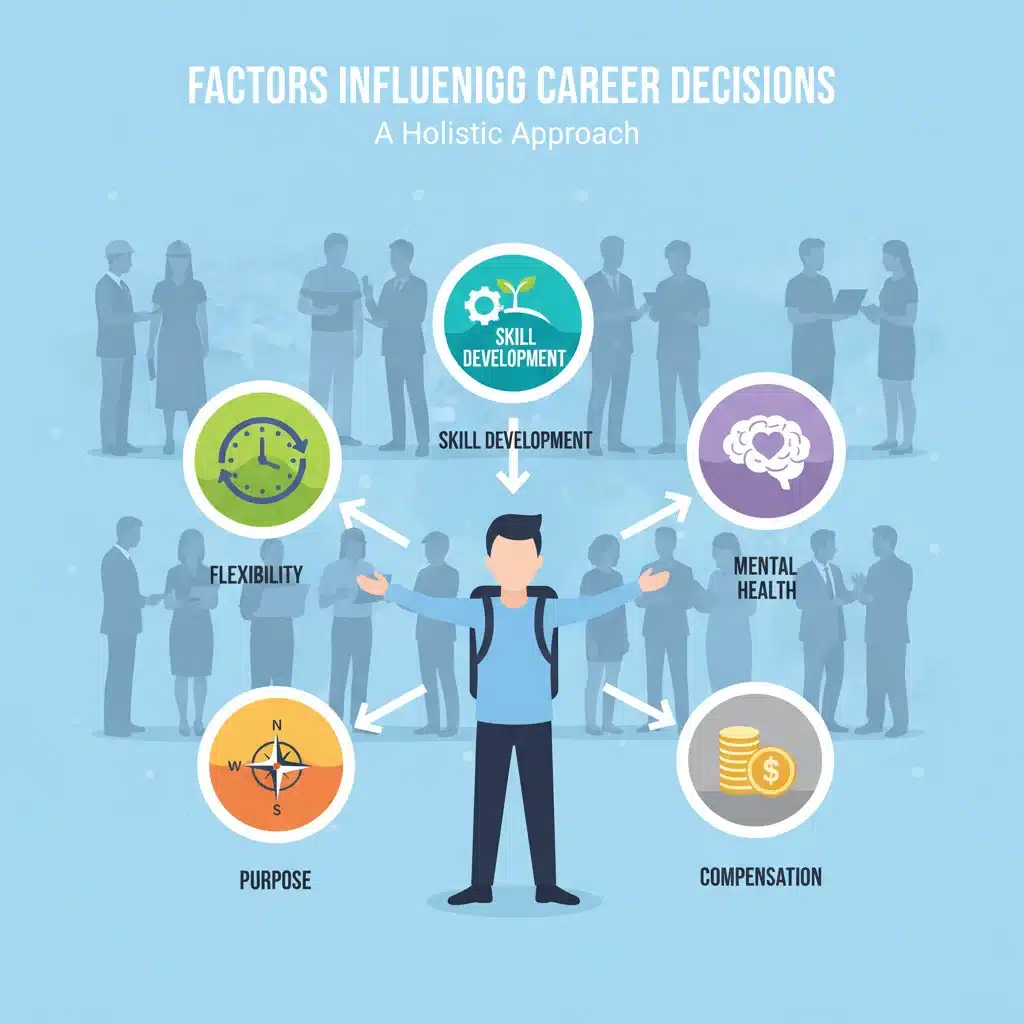
- Quest for Flexibility and Autonomy: The taste of remote or hybrid work models has proven irresistible for many. The ability to manage one’s schedule, work from anywhere, and integrate personal life more seamlessly with professional responsibilities is a top priority. Companies that fail to offer genuine flexibility risk losing their top talent.
- Search for Purpose and Meaning: Beyond financial compensation, workers are increasingly seeking roles that offer a sense of purpose and contribute to something larger than themselves. This is particularly true for younger generations entering the workforce, but it resonates across all age groups.
- Mental Health and Well-being: The pandemic brought mental health to the forefront. Employees are no longer willing to sacrifice their well-being for demanding jobs. They seek supportive work environments, reasonable workloads, and employers who genuinely invest in their mental and physical health.
- Compensation and Benefits Re-evaluation: While not the sole driver, competitive compensation and comprehensive benefits remain crucial. However, the definition of ‘benefits’ has expanded to include things like unlimited PTO, mental health support, and professional development opportunities.
- Skill Gaps and Career Advancement: Many workers are realizing that their current roles offer limited opportunities for growth or skill development. They are proactively seeking roles that provide pathways for learning new skills, upskilling, and career advancement, often through reskilling programs or new educational pursuits.
The 30% Redefining Career Paths: Who Are They?
The statistic that 30% of U.S. workers are redefining their career paths by 2026 is significant. This isn’t a monolithic group; it encompasses a diverse range of individuals across various demographics and industries. Understanding who these individuals are is crucial for businesses and policymakers alike.
Demographic Insights
- Millennials and Gen Z Lead the Charge: Younger generations, having grown up in an era of rapid technological change and shifting social norms, are often at the forefront of this movement. They are less tethered to traditional career ladders and more willing to take risks for roles that align with their values.
- Mid-Career Professionals Seeking Change: A substantial portion also includes experienced professionals in their 30s and 40s. Many have reached a point where they are re-evaluating their long-term career satisfaction, often seeking a more balanced lifestyle or a pivot into a field they are passionate about, even if it means a temporary pay cut.
- Women Re-entering or Reshaping the Workforce: The pandemic disproportionately affected women, many of whom left the workforce due to caregiving responsibilities. As they re-enter, many are seeking roles with greater flexibility and support, often pursuing entrepreneurship or roles that offer better work-life integration.
- Diverse Backgrounds and Industries: This trend is not confined to tech or white-collar jobs. Workers in manufacturing, service industries, education, and healthcare are also actively seeking changes, often driven by a desire for better treatment, safer working conditions, and improved compensation.

How Career Paths Are Being Redefined
The redefinition of career paths manifests in several ways:
- Industry Pivots: Many are making wholesale shifts from one industry to another, often leveraging transferable skills or acquiring new ones through online courses and certifications. For example, a marketing professional might transition into tech sales, or a teacher might move into corporate training.
- Entrepreneurship and Freelancing: The allure of being one’s own boss, setting one’s own hours, and pursuing passion projects has led to a boom in entrepreneurship and the gig economy. Many are opting for the autonomy and flexibility that traditional employment often lacks.
- Upskilling and Reskilling: Recognizing the need to adapt to a rapidly changing job market, a significant portion of workers are investing in their own education and skill development. This includes pursuing advanced degrees, certifications in emerging technologies, or learning new languages.
- Prioritizing Work-Life Integration: For many, redefining a career path means finding a role that allows for a more harmonious blend of professional and personal life. This might involve taking a less demanding role, working part-time, or choosing a company with a strong culture of work-life balance.
- Pursuit of Passion Projects: Some are choosing to monetize hobbies or long-held passions, turning them into full-time careers. This often requires a significant leap of faith but can lead to immense job satisfaction.
The Impact on Businesses and the Economy
The Great Resignation’s impact is not just a personal phenomenon; it has profound implications for businesses, industries, and the broader economy. Companies are grappling with talent shortages, increased recruitment costs, and the need to fundamentally rethink their employee value propositions.
Challenges for Employers
- Talent Shortages and Skill Gaps: With a significant portion of the workforce seeking change, companies face unprecedented challenges in finding qualified candidates for open positions. This is exacerbated by existing skill gaps in critical areas like technology and specialized trades.
- Increased Recruitment and Onboarding Costs: High turnover rates translate directly into higher costs associated with recruiting, interviewing, and onboarding new employees. This can strain budgets and divert resources from other strategic initiatives.
- Loss of Institutional Knowledge: When experienced employees depart, they take with them valuable institutional knowledge, client relationships, and cultural understanding, which can be difficult and time-consuming to replace.
- Maintaining Company Culture: High turnover can erode company culture, making it challenging to build cohesive teams and foster a sense of belonging. This is particularly true in hybrid or remote work environments where in-person interactions are less frequent.
- Pressure to Adapt: Businesses that fail to adapt to the new expectations of the workforce – particularly regarding flexibility, well-being, and purpose – risk being left behind in the talent war.
Opportunities for Forward-Thinking Organizations
Despite the challenges, the Great Resignation also presents significant opportunities for organizations willing to innovate and prioritize their people:
- Re-evaluating Employee Value Proposition (EVP: This is a chance for companies to critically assess what they offer employees beyond salary. A strong EVP that emphasizes growth, flexibility, well-being, and purpose can become a powerful differentiator.
- Investing in Upskilling and Reskilling: Companies can proactively address skill gaps by investing in internal training programs, apprenticeships, and partnerships with educational institutions. This not only builds a more capable workforce but also demonstrates a commitment to employee development.
- Embracing Flexible Work Models: Organizations that fully embrace and optimize hybrid or remote work models can tap into a wider talent pool, reduce overhead costs, and improve employee satisfaction and retention.
- Fostering a Culture of Well-being and Empathy: Prioritizing employee mental health, offering robust support systems, and fostering a culture of empathy and psychological safety can significantly boost morale, productivity, and loyalty.
- Leveraging Technology for Talent Management: AI-powered tools for recruitment, personalized learning platforms, and advanced analytics for understanding employee sentiment can help organizations navigate the complexities of the modern workforce more effectively.
Strategies for Navigating the Evolving Workforce Landscape
Both individuals and organizations need to adopt proactive strategies to thrive in this new era shaped by the Great Resignation’s impact.
For Individuals: Crafting Your Ideal Career Path
- Self-Reflection is Key: Understand your values, priorities, strengths, and what truly brings you satisfaction. What kind of work environment do you thrive in? What impact do you want to make?
- Skill Assessment and Development: Identify current skills and pinpoint areas for growth. Invest in continuous learning, whether through formal education, online courses, or practical experience. Future-proof your career by acquiring in-demand skills.
- Network Strategically: Connect with professionals in your desired fields. Informational interviews can provide invaluable insights and open doors to new opportunities.
- Explore Diverse Opportunities: Don’t limit yourself to traditional career paths. Consider freelancing, contract work, or even starting a side hustle to test the waters of a new venture.
- Prioritize Well-being: As you redefine your career, ensure that your choices support your mental and physical health. A fulfilling career should not come at the expense of your overall well-being.
For Organizations: Building a Resilient and Attractive Workplace
- Listen to Your Employees: Conduct regular surveys, hold town halls, and create open channels for feedback. Understand what your employees value and what their pain points are.
- Champion Flexibility and Hybrid Models: Implement flexible work policies that empower employees while maintaining productivity. Provide the necessary tools and support for remote and hybrid teams to succeed.
- Invest in Leadership Development: Equip managers with the skills to lead diverse teams, foster engagement in remote settings, and support employee well-being. Empathetic and effective leadership is paramount.
- Create Clear Growth Pathways: Offer transparent opportunities for career advancement, skill development, and internal mobility. Show employees how they can grow within your organization.
- Cultivate a Positive and Inclusive Culture: Build a workplace where everyone feels valued, respected, and has a sense of belonging. Promote diversity, equity, and inclusion as core tenets of your organizational identity.
- Reimagine Benefits and Compensation: Beyond competitive salaries, offer benefits that truly matter to today’s workforce, such as comprehensive mental health support, generous parental leave, and professional development budgets.
The Future of Work Post-Great Resignation
As we move beyond 2026, the transformations initiated by the Great Resignation will continue to shape the future of work. We can anticipate several key trends:
- Human-Centric Workplaces: Organizations that prioritize employee well-being, growth, and purpose will not only attract but also retain the best talent. The focus will shift from purely profit-driven models to more sustainable, human-centric approaches.
- Fluid Career Trajectories: The concept of a linear career path will become increasingly outdated. Individuals will likely have multiple careers, move between industries, and engage in continuous learning throughout their professional lives.
- Rise of the Skills Economy: Credentials and degrees will remain important, but demonstrable skills will take precedence. Companies will increasingly hire for skills rather than just qualifications, leading to more diverse hiring practices.
- Augmented Workforce: The integration of AI and automation will continue to evolve, changing the nature of many jobs. This will necessitate a workforce that is adaptable, creative, and capable of working alongside intelligent technologies.
- Renewed Focus on Ethical Leadership: Employees will increasingly seek out organizations led by ethical leaders who prioritize social responsibility, sustainability, and fair labor practices.
The Great Resignation’s impact is undeniably profound. It is a powerful signal that the traditional paradigms of work are no longer sufficient for a significant portion of the U.S. workforce. The 30% of workers redefining their career paths by 2026 are not just changing jobs; they are actively participating in a larger movement towards a more fulfilling, flexible, and purposeful future of work. For businesses, this means a fundamental shift in strategy, prioritizing people, culture, and adaptability. For individuals, it’s an invitation to take control of their professional destinies, align their careers with their values, and build a working life that truly serves them. The future of work is not just about where we work, but how we work, why we work, and the value we derive from it.