Fandom Influence: Shaping Pop Culture Narratives in 2026
The Unstoppable Force: How Fandom Influence is Shaping Pop Culture Narratives in 2026
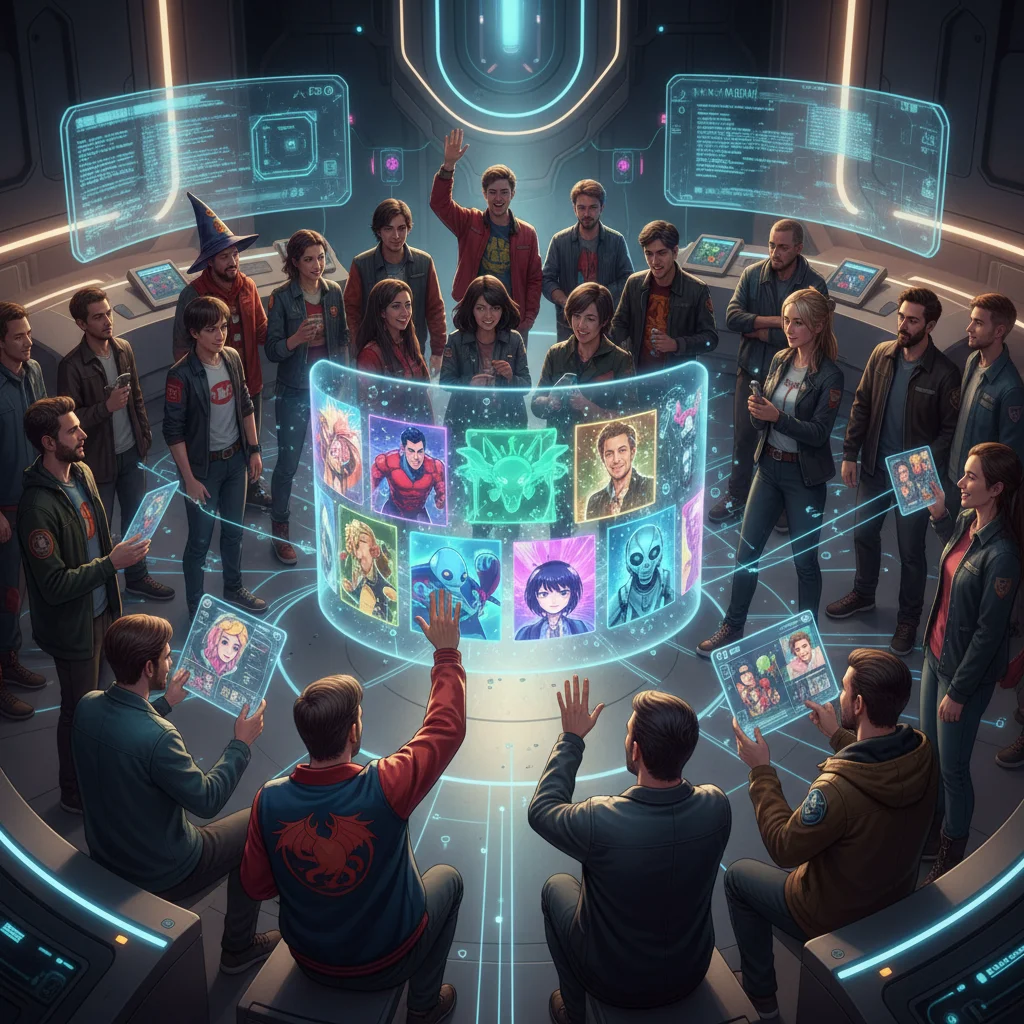
In the dynamic landscape of 2026, the concept of pop culture is no longer a top-down creation dictated solely by studios, publishers, or record labels. Instead, it’s a vibrant, ever-evolving ecosystem where the collective voice and passion of dedicated communities wield an unprecedented amount of fandom influence. These aren’t just passive consumers; they are active participants, co-creators, and critical drivers of trends, demanding representation, and often, charting the course for entire franchises. Understanding this profound shift is crucial for anyone involved in entertainment, marketing, or simply observing the cultural zeitgeist.
For decades, fandoms existed on the fringes, often dismissed as niche groups with obsessive interests. However, with the advent of pervasive digital connectivity, social media platforms, and democratized content creation tools, these communities have coalesced into powerful forces. Their collective energy, their unwavering loyalty, and their keen critical eye have transformed them into indispensable collaborators in the ongoing narrative of pop culture. In 2026, the fandom influence is not just significant; it’s foundational to how content is conceived, developed, marketed, and consumed. This article delves deep into the multifaceted ways fandoms are exerting their power, exploring the mechanisms behind their impact and the exciting, sometimes challenging, implications for the future of entertainment.
The Evolution of Fandoms: From Niche to Mainstream Powerhouses
To truly grasp the current magnitude of fandom influence, it’s essential to trace its evolution. Historically, fandoms were often geographically dispersed, connecting through zines, conventions, and early internet forums. These were tight-knit groups, but their reach was limited. The early 2000s saw the rise of dedicated online communities, allowing for broader interaction. However, the real explosion came with Web 2.0 and the proliferation of social media platforms like Twitter, Tumblr, Reddit, and TikTok. These platforms provided not just a space for discussion but also powerful tools for organization, mobilization, and content dissemination.
Advertisements
Today, fandoms are not just mainstream; they are often the mainstream. A blockbuster film’s success can hinge on early fan buzz. A TV show’s renewal might be a direct result of a passionate fan campaign. A music artist’s career trajectory can be launched by a devoted fan base. This shift is not merely about numbers; it’s about the depth of engagement and the willingness of fans to invest their time, creativity, and even financial resources into the properties they love. The economic power of fandoms is undeniable, influencing merchandise sales, streaming numbers, and event attendance. Creators and corporations have learned, sometimes the hard way, that ignoring or alienating these communities can have severe repercussions. The symbiotic relationship between creators and fans has never been more evident, making fandom influence a central pillar of cultural production.
How Fandoms Drive Content Creation and Narrative Development
One of the most profound ways fandom influence manifests in 2026 is through its direct and indirect impact on content creation and narrative development. Fans are no longer just recipients of stories; they are active participants in shaping them. This can take several forms:
Fan Theories and Speculation
Long before official reveals, fan theories proliferate online, dissecting every trailer, interview, and cryptic clue. While some theories remain speculative, others are so compelling and widely discussed that they can subtly (or not so subtly) influence creators. Writers and showrunners often admit to lurking in fan forums, taking inspiration, or even course-correcting based on fan reactions. The sheer volume and creativity of fan speculation create a feedback loop that can guide narrative choices, character arcs, and even future plot points. This proactive engagement demonstrates a significant facet of fandom influence.
Demands for Representation and Diversity
Modern fandoms are increasingly vocal about their desire for more diverse and inclusive representation in media. Whether it’s demanding LGBTQ+ characters, protagonists of color, or nuanced portrayals of disability, fan communities leverage their collective voice to push for change. Social media campaigns, petitions, and direct engagement with creators have led to tangible shifts in casting, character development, and storytelling. This aspect of fandom influence is not just about entertainment; it’s about social justice and ensuring that pop culture reflects the rich tapestry of the real world.
Fan-Created Content: A Proving Ground for New Ideas
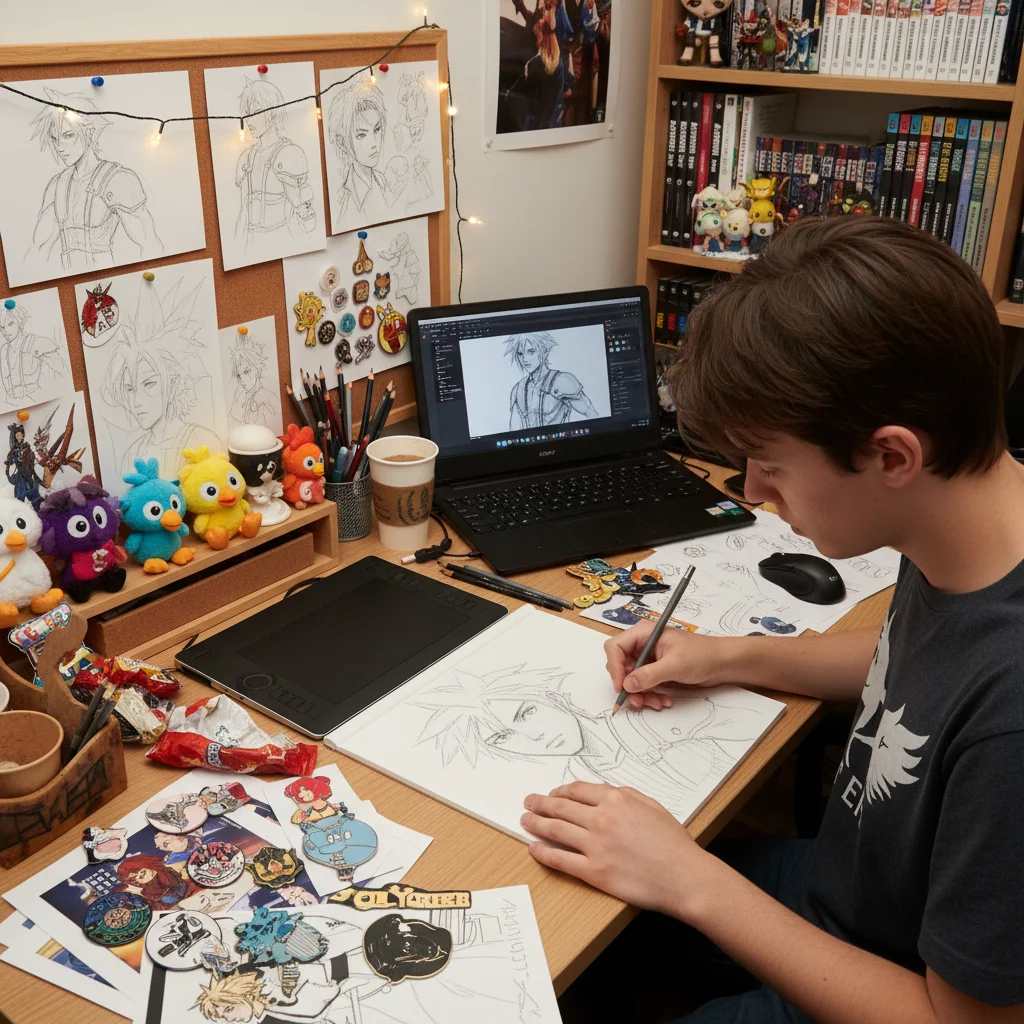
Fanfiction, fan art, fan films, and fan games are not merely derivative works; they are often incredibly creative and innovative. These fan-made creations serve as a massive, unsolicited R&D department for the entertainment industry. Some fan works gain such popularity that they catch the attention of original creators, sometimes leading to official adaptations or even hiring the fan creators themselves. The existence of a thriving fan-created content ecosystem showcases the immense creative potential within these communities and highlights another powerful dimension of fandom influence.
The Role of Social Media and Digital Platforms in Amplifying Fandom Influence
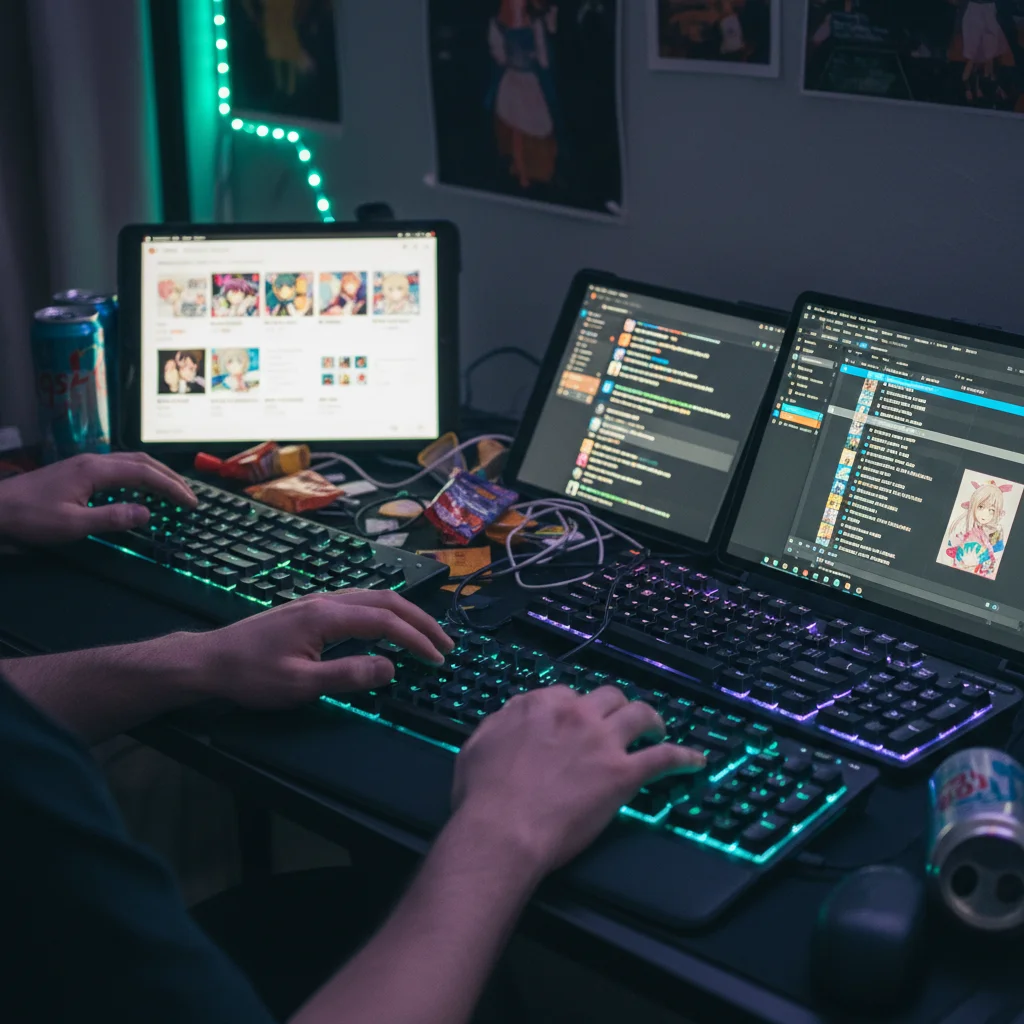
The rise of social media and dedicated digital platforms is inextricably linked to the exponential growth of fandom influence. These tools provide the infrastructure for fans to connect, organize, and amplify their voices on an unprecedented scale.
Real-time Feedback Loops
Platforms like Twitter (now X), TikTok, and Reddit enable instant reactions to new content. A show airs, a trailer drops, or an album releases, and within minutes, the collective opinion of a fandom can be gauged. This real-time feedback loop is invaluable for creators, allowing them to understand what resonates and what falls flat. While not every piece of feedback can be acted upon, the sheer volume and passion of fan discourse provide a continuous pulse on audience sentiment, directly informing future creative decisions. This direct line of communication is a cornerstone of modern fandom influence.
Mobilization and Campaigns
Social media is a powerful tool for fan mobilization. Hashtag campaigns can trend globally, drawing attention to specific issues, celebrating milestones, or advocating for particular outcomes. From saving canceled shows to promoting specific actors or storylines, fans have demonstrated an incredible capacity to organize and exert pressure. These campaigns often go viral, attracting mainstream media attention and forcing industry decision-makers to take notice. The ability to coalesce disparate individuals into a unified, vocal force is a testament to the organizational power behind fandom influence.
Community Building and Shared Experience
Beyond direct influence on content, digital platforms foster a strong sense of community. Fans connect with like-minded individuals, share their passion, and build relationships. This communal aspect is vital for the longevity of fandoms and, by extension, the properties they support. A shared experience amplifies enjoyment and loyalty, creating a virtuous cycle where engaging content fosters strong communities, which in turn demand more engaging content. This deep-seated sense of belonging fuels the sustained energy that drives fandom influence.
The Economic Impact: Fandoms as Market Drivers
The financial clout of fandoms in 2026 cannot be overstated. Their purchasing power and marketing capabilities make them essential market drivers, significantly impacting revenue streams across the entertainment industry.
Merchandise and Collectibles
Fandoms are the backbone of the merchandise and collectibles market. From action figures and apparel to limited-edition prints and digital NFTs, fans are eager to own pieces of the worlds they adore. Companies recognize this and often involve fan communities in the design and approval process for new products. Exclusive fan-club merchandise, convention-specific items, and collaborations with fan artists are common strategies to tap into this lucrative market. The willingness of fans to spend on items that represent their passion is a clear indicator of their economic fandom influence.
Event Attendance and Experiences
Conventions, fan expos, concerts, and themed immersive experiences thrive on the enthusiasm of fandoms. These events are not just opportunities for fans to gather; they are major revenue generators. The anticipation, the travel, the cosplay, and the exclusive content all contribute to a significant economic injection. Organizers often tailor programming based on fan feedback, ensuring that the experiences cater directly to what these communities desire, further solidifying the link between fan engagement and economic success. This experiential spending is a direct result of strong fandom influence.
Organic Marketing and Word-of-Mouth
In an age of ad-blockers and content saturation, organic marketing is more valuable than ever. Fandoms are natural, unpaid marketing teams. Their passionate discussions, recommendations, and viral content spread awareness far more effectively than traditional advertising. A single fan-made edit or a compelling theory shared across social media can generate millions of impressions and drive new viewers or listeners to a property. This authentic, grassroots promotion is a powerful, cost-effective form of marketing, demonstrating the profound fandom influence on audience acquisition.
Challenges and Controversies: The Double-Edged Sword of Fandom Influence
While fandom influence offers immense benefits, it’s not without its challenges. The passionate nature of these communities can sometimes lead to negative outcomes, creating a complex dynamic for creators and corporations.
Toxic Fandoms and Harassment
The intensity of fan passion can sometimes curdle into toxicity. Online harassment, ‘cancel culture’ targeting creators or actors, and aggressive gatekeeping are unfortunate realities within some fandoms. This can create a hostile environment, deterring new fans and even leading to mental health struggles for those targeted. Navigating these toxic elements requires careful community management and clear boundaries from creators, acknowledging the positive aspects of fandom influence while mitigating the negative.
Creative Constraints and Fan Entitlement
When fans feel a strong sense of ownership over a narrative, it can lead to a perception of entitlement. Demands for specific plotlines, character pairings, or creative choices can become overwhelming, potentially stifling artistic freedom. Creators face the delicate balancing act of listening to their audience without sacrificing their original vision. While fandom influence can inspire, it should not dictate every creative decision, as this can lead to stagnation or a loss of artistic integrity. Finding the right balance is an ongoing challenge.
Spoilers and Leaks
The hyper-connected nature of fandoms also makes them prone to spoilers and leaks. Eager fans, sometimes even those working within related industries, can inadvertently or intentionally release sensitive information, undermining official marketing campaigns and spoiling the experience for others. Managing information flow and preventing leaks is a constant battle for studios and publishers, complicated by the very communities that champion their work. This aspect highlights a less desirable side effect of intense fandom influence.
The Future of Fandom Influence: What to Expect in the Coming Years
Looking ahead to the rest of the decade and beyond, fandom influence is only expected to grow in scope and sophistication. Several trends indicate its continued evolution:
Increased Co-creation and Collaborative Storytelling
Expect more official collaborations between creators and fan communities. This could involve fan-sourced plot ideas, fan art integrated into official merchandise, or even fan writers being brought into writers’ rooms. The lines between professional and amateur creation will continue to blur, fostering a more collaborative storytelling environment. This direct integration of fan creativity will be a hallmark of future fandom influence.
AI and Fandoms: New Frontiers
The advent of advanced AI tools will open new avenues for fandom interaction. AI-generated fan art, fanfiction, and even interactive fan experiences could become commonplace. While raising questions about authorship and intellectual property, AI also offers tools for fans to engage with their favorite universes in unprecedented ways, further empowering their creative output and expanding the reach of fandom influence.
Decentralized Fandoms and Web3 Technologies
Web3 technologies, including NFTs and decentralized autonomous organizations (DAOs), could offer new models for fandom ownership and governance. Imagine fan-owned intellectual properties or DAOs that collectively fund and guide the development of new fan projects. While still in nascent stages, these technologies could fundamentally alter the relationship between fans, creators, and IP holders, granting even greater formal fandom influence.
Hyper-personalization and Niche Fandoms
As content creation becomes more democratized and accessible, we will likely see a proliferation of hyper-niche fandoms. These smaller, intensely dedicated communities will form around specific aspects of broader properties or entirely independent creations. Their collective voice, while smaller in absolute numbers, will retain significant power within their specific niches, showcasing the granular nature of evolving fandom influence.
Conclusion: Embracing the Power of the People
In 2026, fandom influence is no longer a peripheral phenomenon but a central pillar of pop culture. From driving narrative choices and demanding representation to fueling economic markets and shaping marketing strategies, dedicated fan communities have demonstrated their undeniable power. While challenges such as toxicity and creative constraints persist, the overall trend points towards a future where the distinction between creator and consumer becomes increasingly blurred, giving way to a more collaborative, dynamic, and fan-driven entertainment landscape.
For creators, this means embracing transparency, engaging authentically, and recognizing the value that fans bring beyond mere consumption. For businesses, it means understanding fandoms as powerful market drivers and co-creators of brand loyalty. And for anyone observing the cultural currents, it means acknowledging that the stories we tell, the characters we love, and the trends that define our era are increasingly shaped by the collective passion, creativity, and unwavering dedication of fandoms. The power of the people, indeed, has never been more evident in the realm of pop culture, and its trajectory continues to ascend, making fandom influence an essential force to understand and engage with.