Beyond the Screen: Top 5 Pop Culture Merchandise Trends Dominating 2026 Retail
The landscape of retail is in a perpetual state of evolution, driven by technological advancements, shifting consumer values, and the ever-present influence of pop culture. As we peer into 2026, the convergence of these forces is poised to redefine how fans interact with their favorite franchises and how brands capitalize on this fervent devotion. The era of passive consumption is long gone; today’s consumers demand engagement, authenticity, and products that reflect their values. This article delves into the top 5 pop culture merchandise trends that are not just emerging but are set to dominate the retail scene in 2026, offering a comprehensive look at what brands and retailers need to know to stay ahead of the curve.
Understanding these pop culture merchandise trends is crucial for anyone operating within the retail space, from large corporations to independent creators. The global market for licensed merchandise continues its robust growth, fueled by blockbuster movies, hit streaming series, popular video games, and influential social media personalities. However, the nature of this merchandise and the channels through which it’s distributed are undergoing significant transformation. We’re moving beyond simple logo placements to an era of deep integration, personalized experiences, and a strong emphasis on ethical production. This shift is not merely incremental; it represents a fundamental reorientation of the industry towards a more dynamic, interactive, and responsible future.
1. The Rise of Hyper-Personalized & AI-Driven Merchandise
In 2026, personalization will transcend simple customization; it will be hyper-personalization, driven by sophisticated AI algorithms. Consumers are no longer satisfied with generic items; they crave products that resonate deeply with their individual preferences, historical interactions, and even their emotional state. This trend in pop culture merchandise trends is about creating a unique connection between the fan and the product, making each item feel bespoke and irreplaceable.
AI-Powered Design and Production
Imagine a scenario where AI analyzes your viewing habits, social media interactions, and even your mood to suggest or even design merchandise tailored specifically for you. This could range from apparel featuring your favorite character in a pose unique to your personality, to collectibles that evolve based on your engagement with a digital narrative. AI will be instrumental in identifying micro-trends within specific fandoms, allowing brands to rapidly produce limited-edition items that perfectly capture the zeitgeist of a particular moment or community. This agility is key in a fast-paced pop culture environment.
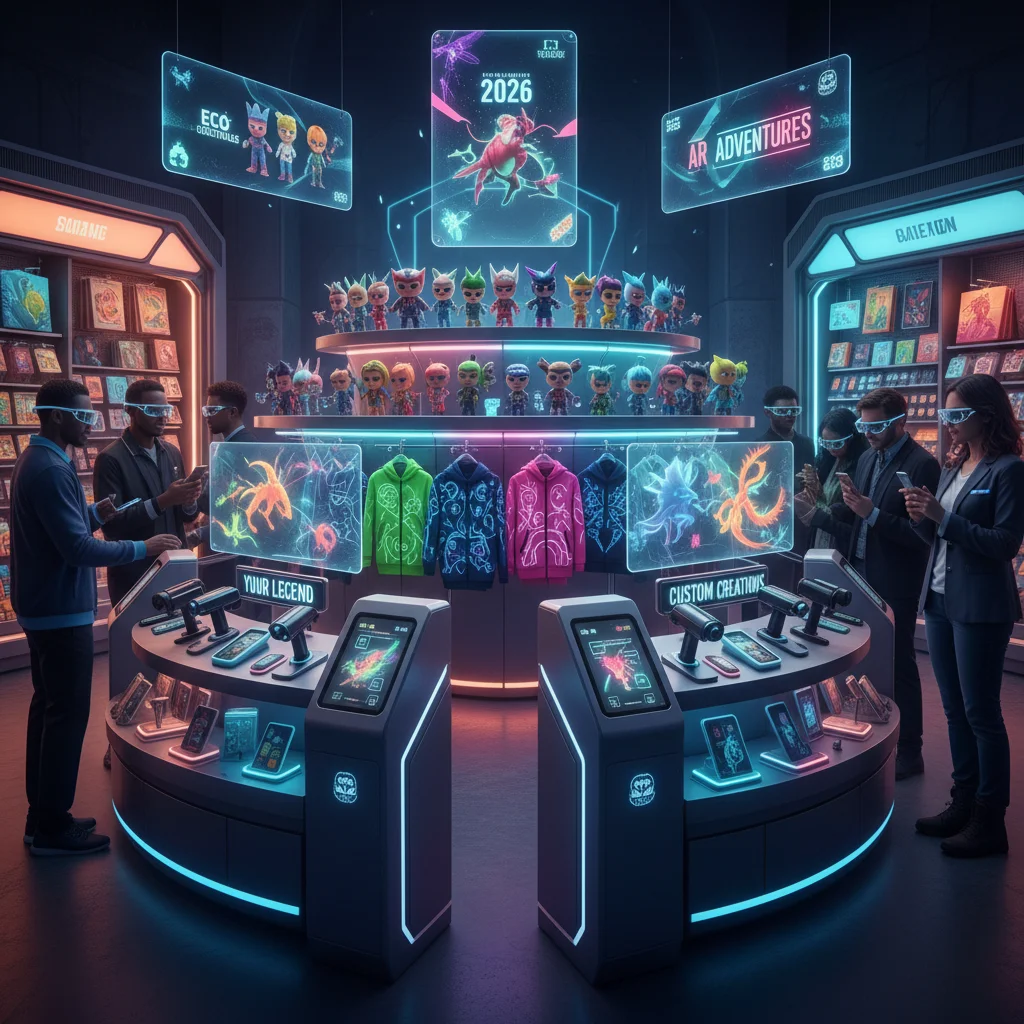
Furthermore, AI-driven manufacturing will enable mass customization at an unprecedented scale. 3D printing and advanced robotics, guided by AI, will allow for on-demand production of unique items, reducing waste and inventory costs while offering consumers unparalleled choice. This means that if you want a specific Funko Pop! figure with a custom paint job or a t-shirt featuring a mashup of two obscure references only you and a handful of others would appreciate, AI can make that a reality, making it a pivotal aspect of future pop culture merchandise trends.
Hyper-personalization also extends to the experience of owning the merchandise. Consider digital collectibles, often linked to physical items, that can be updated or evolve over time based on real-world events or fan interactions. An action figure might unlock exclusive digital content tailored to your in-game achievements, or a piece of apparel could change its design based on the latest plot developments in a series. This dynamic interaction elevates merchandise from a static object to an ongoing, living experience, deeply embedding it within the fan’s journey.
The data collected from these interactions will feed back into the AI, further refining future personalization efforts. This creates a virtuous cycle where each purchase and interaction informs the next, leading to an increasingly tailored and satisfying consumer experience. Brands that master this AI-driven hyper-personalization will build incredibly loyal fan bases and unlock new revenue streams.
2. The Metaverse and NFT Integration: Digital Twins and Beyond
The metaverse, once a futuristic concept, is rapidly becoming a tangible reality, and its implications for pop culture merchandise trends are profound. In 2026, we will see a significant surge in the integration of digital assets, particularly Non-Fungible Tokens (NFTs), with physical merchandise, creating a new paradigm of ownership and fan engagement.
Digital Twins and Authenticity
The concept of ‘digital twins’ will be central. Every physical piece of high-value pop culture merchandise – be it a limited-edition collectible, a rare comic book, or an exclusive piece of apparel – will likely come with an accompanying NFT. This NFT will serve as an irrefutable proof of authenticity and ownership, living on a blockchain. This is a game-changer for combating counterfeiting and establishing verifiable provenance, which is incredibly important in the collectible market.
Beyond authenticity, these digital twins will unlock exclusive content, experiences, and access within the metaverse. Owning a physical collectible might grant you access to a private fan community in a virtual world, exclusive digital skins for your avatar, or even voting rights on future product designs. This blurs the lines between physical and digital ownership, offering fans a more comprehensive and interconnected experience, a key element of evolving pop culture merchandise trends.
Virtual Merchandise and Avatars
The metaverse will also be a burgeoning market for purely virtual pop culture merchandise. As people spend more time in virtual worlds, customizing their avatars with branded apparel, accessories, and digital collectibles will become commonplace. Major franchises will release exclusive digital-only items that allow fans to express their fandom within virtual spaces. This opens up an entirely new revenue stream for brands, with lower production costs and instant global distribution.
Furthermore, the interoperability of these digital assets across different metaverse platforms will be a key development. Imagine buying a virtual Star Wars lightsaber that you can wield in multiple virtual games or display in your virtual home, regardless of the platform. This seamless experience will drive adoption and make virtual pop culture merchandise an integral part of digital identity.
3. Sustainability and Ethical Production: Conscientious Consumption
As environmental awareness grows, consumers are increasingly demanding sustainable and ethically produced goods. In 2026, this will no longer be a niche concern but a mainstream expectation for pop culture merchandise. Brands that prioritize ecological responsibility and transparent supply chains will gain a significant competitive advantage, while those that don’t risk alienating a large segment of their audience.
Eco-Friendly Materials and Manufacturing
The focus will be on merchandise made from recycled, upcycled, or sustainably sourced materials. This includes everything from biodegradable packaging and recycled plastics for action figures to organic cotton for apparel and ethically sourced wood for display items. Brands will actively seek out innovative materials and manufacturing processes that minimize their environmental footprint.
Transparency will be paramount. Consumers will want to know the journey of their merchandise, from raw material extraction to the factory floor. QR codes on packaging linking to detailed supply chain information, carbon footprint data, and certifications will become standard. This level of transparency builds trust and reinforces a brand’s commitment to sustainability, which is a significant factor in shaping pop culture merchandise trends.
Circular Economy and Upcycling Initiatives
The concept of a circular economy will gain traction within the pop culture merchandise sector. This involves designing products for longevity, repairability, and eventual recycling or repurposing. Brands might offer take-back programs for old merchandise, allowing consumers to return items for recycling in exchange for discounts on new sustainable products. Upcycling initiatives, where old merchandise is transformed into new, unique items, will also become popular, appealing to consumers who value uniqueness and environmental responsibility.
Furthermore, collaborations with environmental organizations and certifications from reputable bodies will become crucial marketing tools. Brands will proudly display their eco-credentials, knowing that these resonate deeply with a growing segment of their target audience, particularly younger generations who are highly conscious of their consumption choices. This emphasis on ethical production is not just good for the planet; it’s good for business and a driving force behind pop culture merchandise trends.
4. Immersive Retail Experiences and Experiential Merchandise
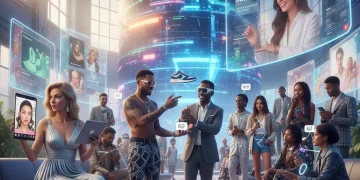
Shopping for pop culture merchandise in 2026 will be less about transactional exchanges and more about immersive, multi-sensory experiences. Retail spaces, both physical and virtual, will transform into interactive environments that allow fans to step directly into the worlds of their favorite franchises.
Augmented Reality (AR) and Virtual Reality (VR) in-Store
Physical retail stores will leverage AR and VR to create unparalleled experiences. Imagine walking into a store and, through AR glasses or your smartphone, seeing characters from your favorite movie come to life around you, interacting with the merchandise. You could try on virtual apparel, see how a collectible looks in your home before buying it, or even participate in mini-games set within the store’s environment, all powered by AR. This interactive element makes shopping an adventure, enhancing the appeal of pop culture merchandise trends.
VR experiences will transport fans directly into iconic scenes or locations from their beloved franchises. Picture a VR booth where you can explore a Hogwarts common room, walk through the streets of Gotham, or pilot a starship from a popular sci-fi saga. These experiences, often tied to exclusive merchandise releases, create powerful emotional connections and drive foot traffic to physical locations, making them destinations rather than just points of sale.
Pop-Up Experiences and Themed Cafes
Beyond traditional retail, highly curated pop-up experiences and themed cafes will continue to thrive, offering limited-time, exclusive engagements. These are not just places to buy merchandise; they are temporary immersive worlds where fans can celebrate their fandom, meet like-minded individuals, and acquire unique, event-specific items. The success of past examples, such as ‘Friends’ themed cafes or ‘Stranger Things’ pop-up bars, demonstrates the immense demand for such experiential offerings.
These experiences generate significant social media buzz, turning attendees into brand ambassadors. The merchandise sold at these events often carries an added layer of exclusivity and emotional value, making it highly desirable. Brands will increasingly invest in these temporary, high-impact activations to build community and drive engagement, further solidifying their place in the pop culture merchandise trends.
5. The Creator Economy and Direct-to-Fan Models
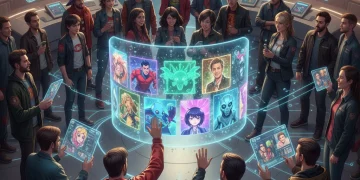
The rise of the creator economy is fundamentally reshaping how pop culture merchandise is conceived, produced, and distributed. In 2026, we will see a continued shift towards direct-to-fan (D2F) models, empowering independent creators, influencers, and even individual fans to become significant players in the merchandise market.
Influencer-Led Merchandise Lines
Social media influencers, streamers, and YouTubers have cultivated massive, engaged audiences. These creators are no longer just promoting products; they are designing and selling their own lines of merchandise, often in collaboration with larger brands or through independent ventures. Their authenticity and direct connection with their audience make their merchandise highly desirable, often selling out within minutes of release. This direct conduit to fans is a powerful force in pop culture merchandise trends.
Brands will increasingly partner with these creators, not just for endorsements, but for co-creation opportunities. This allows brands to tap into niche communities and leverage the creator’s unique aesthetic and understanding of their audience, resulting in highly targeted and successful merchandise collections. The traditional gatekeepers of merchandise production are diminishing, giving way to a more democratized landscape.
Fan-Designed and Community-Driven Merchandise
The power of the fan community will be harnessed more directly than ever before. Platforms will emerge that allow fans to submit design ideas for official merchandise, with winning designs being produced and the creators receiving royalties. This not only fosters a sense of ownership and engagement within the community but also provides brands with a constant stream of fresh, authentic ideas that truly resonate with their target audience.
Crowdfunding models will also continue to be popular for independent creators and small studios looking to produce niche merchandise. This allows them to gauge demand, secure funding, and build a dedicated customer base before production, minimizing risk and maximizing community involvement. The D2F model cuts out intermediaries, allowing creators to retain more control and profit, and fostering a more vibrant and diverse merchandise ecosystem, which is a key driver of current pop culture merchandise trends.
Navigating the Future of Pop Culture Merchandise
The year 2026 promises a dynamic and innovative future for pop culture merchandise. The trends outlined above – hyper-personalization, metaverse integration, sustainability, immersive experiences, and the creator economy – are not isolated phenomena but interconnected forces shaping a new era of retail. For brands and retailers to thrive in this evolving landscape, a proactive and adaptive strategy is essential.
Embracing Technology and Data
At the heart of many of these trends is technology. AI, AR, VR, and blockchain are not just buzzwords; they are tools that, when effectively deployed, can transform the entire merchandise lifecycle from design and production to marketing and sales. Investing in these technologies and the expertise to leverage them will be critical. Furthermore, understanding and utilizing data – from consumer preferences to supply chain analytics – will provide the insights needed to make informed decisions and stay ahead of the curve in pop culture merchandise trends.
Authenticity and Community Building
In an increasingly digital world, authenticity remains paramount. Consumers are savvier than ever and can quickly spot inauthentic attempts at engagement. Brands must foster genuine connections with their fan bases, listen to their feedback, and involve them in the creative process. Building strong, vibrant communities around franchises and products will not only drive sales but also create brand advocates who passionately spread the word.
Flexibility and Agility
The pace of change in pop culture is accelerating. Trends emerge and fade rapidly, making flexibility and agility crucial for success. Brands need to be able to quickly adapt their product offerings, marketing strategies, and distribution channels to respond to new cultural phenomena and shifting consumer demands. This might involve adopting on-demand manufacturing, experimenting with new retail formats, or forging dynamic partnerships with creators. The ability to pivot and innovate rapidly will be a defining characteristic of successful players in the pop culture merchandise trends market.
Ethical Responsibility
Finally, ethical responsibility is no longer optional. Consumers, particularly younger generations, expect brands to operate with integrity, prioritize sustainability, and ensure fair labor practices throughout their supply chains. Brands that genuinely commit to these principles will not only enhance their reputation but also build deeper trust and loyalty with their customer base. This commitment to ethical practices will be a non-negotiable aspect of future pop culture merchandise trends.
Conclusion
The world of pop culture merchandise is on the cusp of an exciting transformation. The trends dominating 2026 retail point towards a future where products are not just items to be consumed but experiences to be lived, stories to be shared, and identities to be expressed. From the precision of AI-driven personalization to the boundless possibilities of the metaverse, and from the unwavering demand for sustainability to the empowering rise of the creator economy, the landscape is rich with opportunity. Brands and retailers that embrace these pop culture merchandise trends with foresight, innovation, and a genuine understanding of their audience will be the ones to define the next chapter of fan engagement and commercial success. The future is interactive, personalized, and deeply connected – are you ready to be a part of it?