Why Nostalgia Sells: A 2026 Analysis of 4 Classic Franchises Making a Major Comeback
Why Nostalgia Sells: A 2026 Analysis of 4 Classic Franchises Making a Major Comeback
The year is 2026, and the air is thick with a familiar scent – the sweet, comforting aroma of the past. From the silver screen to gaming consoles, and from toy aisles to streaming platforms, nostalgia isn’t just a fleeting sentiment; it’s a meticulously crafted, highly profitable marketing strategy. In an increasingly complex and rapidly evolving world, consumers are seeking solace and familiarity, and brands are keenly aware that the past holds a powerful key to unlocking present-day engagement and future loyalty. This phenomenon, which we aptly call nostalgia marketing trends, has reached an unprecedented peak, transforming how we consume entertainment and products.
But what exactly makes nostalgia such a potent force in the marketplace? Is it merely a yearning for simpler times, or is there a deeper psychological mechanism at play? This article delves into the intricate reasons behind the enduring power of nostalgia and examines four classic franchises that, in 2026, are not just surviving, but thriving, by artfully resurrecting their iconic legacies. We will explore the strategies, the psychology, and the palpable excitement surrounding these monumental comebacks, offering insights into why the past continues to shape our future.
Advertisements
The current landscape of consumer behavior is heavily influenced by a desire for authenticity and connection. As digital experiences become more ubiquitous, there’s a counter-movement towards tangible memories and shared cultural touchstones. Nostalgia offers precisely that – a bridge to a personal or collective past, imbued with positive emotions. For marketers, tapping into these emotions isn’t about mere reminiscence; it’s about leveraging powerful psychological triggers that foster trust, comfort, and a sense of belonging. The success of nostalgia marketing trends in 2026 is a testament to its ability to cut through the noise of modern advertising by appealing directly to the heart.
The Psychology of Nostalgia: Why We Crave the Past
Before we dissect the successful franchise comebacks, it’s crucial to understand the psychological underpinnings of nostalgia. Far from being a mere sentimental indulgence, research shows that nostalgia serves several important psychological functions. It can combat loneliness, increase self-esteem, foster social connectedness, and even imbue life with meaning. When we recall positive memories, our brains release dopamine, creating a pleasurable experience that we naturally seek to replicate.
In a commercial context, this translates into a powerful affinity for products and experiences that evoke these feelings. Brands that skillfully deploy nostalgia marketing trends aren’t just selling a product; they’re selling a feeling, a memory, a piece of one’s own history. This creates a much stronger emotional bond than traditional advertising ever could. This bond is particularly strong with millennials and Gen X, who are now at peak earning potential and often have disposable income to spend on revisiting their childhood favorites. However, younger generations are also drawn to ‘retro cool,’ discovering classics through their parents or curated online content, making the appeal of nostalgia surprisingly broad.
Franchise Comeback 1: The ‘Pixel Paladins’ Gaming Saga
One of the most anticipated and successful revivals in 2026 is the ‘Pixel Paladins’ gaming saga. Originally a beloved 16-bit RPG series from the early 90s, ‘Pixel Paladins’ captured the imaginations of a generation with its intricate storytelling, memorable characters, and groundbreaking pixel art. After decades of dormancy, the franchise was quietly acquired by a major gaming studio, and whispers of a reboot began circulating a few years ago.
The 2026 comeback isn’t just a remaster; it’s a full-fledged reimagining that respects its roots while embracing modern gaming technology. The new ‘Pixel Paladins: Reborn’ features stunning 3D graphics, an expanded world, and fully voiced dialogue, but critically, it retains the original game’s turn-based combat system, orchestral soundtrack, and core narrative themes. The developers understood that the magic of ‘Pixel Paladins’ wasn’t just in its mechanics, but in its soul. They meticulously recreated the iconic character designs, ensuring that while visually updated, they were instantly recognizable to long-time fans. The marketing campaign played heavily on nostalgia marketing trends, featuring side-by-side comparisons of old and new graphics, interviews with original developers, and fan-generated content from the 90s.
The result? A critical and commercial triumph. ‘Pixel Paladins: Reborn’ broke sales records, drawing in original fans eager to relive their childhood adventures and attracting a new generation intrigued by the rich lore and classic gameplay. The success of ‘Pixel Paladins’ demonstrates that when executed with reverence and innovation, a classic franchise can not only return but exceed its former glory.
Franchise Comeback 2: ‘Astro Explorers’ Animated Series
Next on our list is the triumphant return of ‘Astro Explorers,’ an animated sci-fi series that first aired in the late 80s. Known for its imaginative alien worlds, diverse crew of space adventurers, and surprisingly complex themes for a children’s show, ‘Astro Explorers’ was a cult classic that never quite got the mainstream recognition it deserved during its initial run. However, thanks to the power of streaming and the undeniable influence of nostalgia marketing trends, 2026 marks its grand resurgence.
The new ‘Astro Explorers: Cosmic Odyssey’ series, available exclusively on a major streaming platform, picks up decades after the original, following the descendants of the first crew as they embark on new adventures. The animation style is updated, leveraging cutting-edge techniques to create breathtaking visuals, but the character designs and ship aesthetics deliberately echo the original, evoking a powerful sense of familiarity. The writing team, which includes several fans of the original series, has meticulously woven in references, Easter eggs, and even brought back some of the original voice actors for cameo roles, delighting long-time viewers.
The show’s success is multifaceted. It appeals to parents who grew up with the original, now eager to share a piece of their childhood with their own children. It also resonates with younger audiences who appreciate its timeless themes of exploration, friendship, and confronting the unknown. The streaming platform heavily promoted the series by highlighting its legacy, running retrospectives on the original show, and creating interactive experiences that allowed fans to explore the ‘Astro Explorers’ universe. This strategic use of nostalgia marketing trends has turned a beloved cult classic into a global phenomenon, proving that some stories are truly timeless.
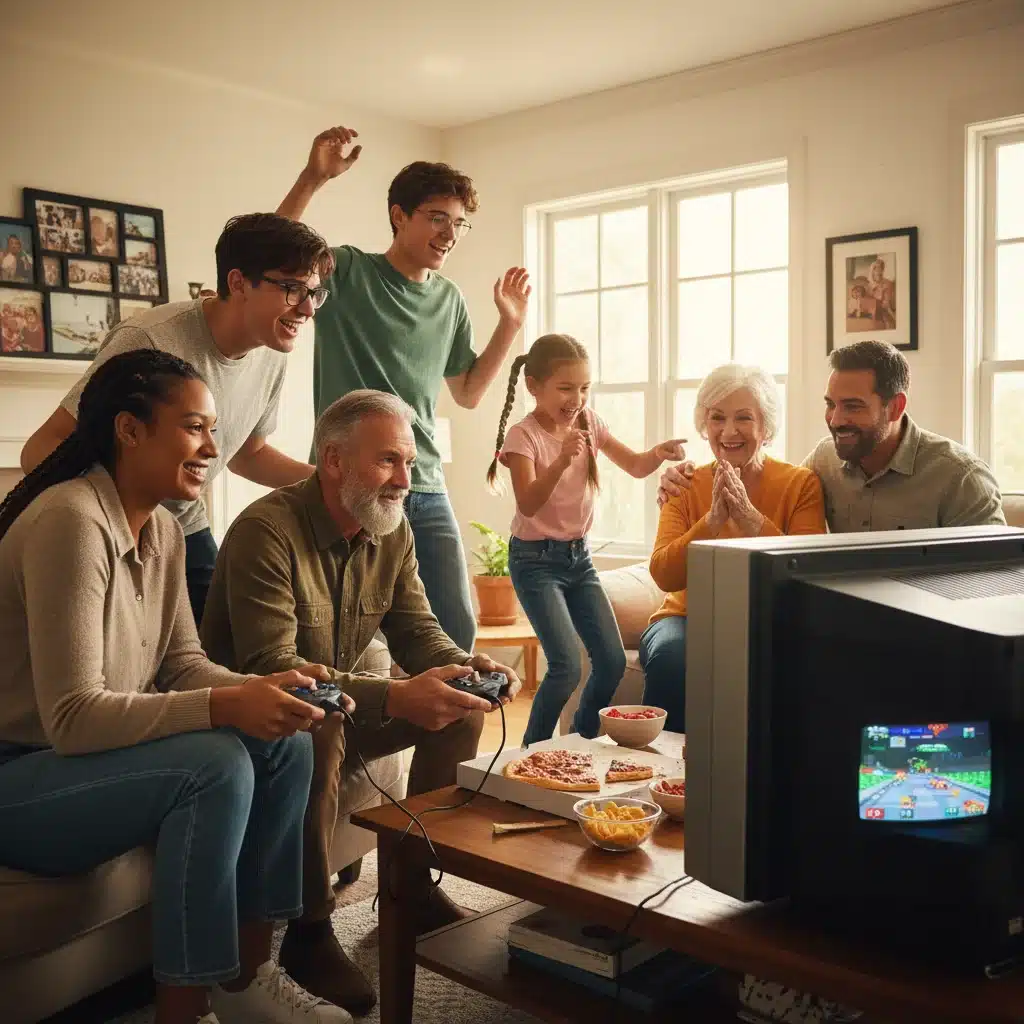
The careful balance between honoring the past and innovating for the future is a critical component of successful nostalgia-driven revivals. Simply rehashing old content often falls flat. The franchises that succeed are those that understand the core appeal of their original incarnation and then build upon it in meaningful ways, ensuring that the experience feels both familiar and fresh. This delicate dance is what elevates a mere remake into a true comeback, captivating both original fans and new audiences alike.
Franchise Comeback 3: ‘Retro Racers’ Toy Line & Digital Experience
For decades, the ‘Retro Racers’ line of miniature collectible cars was a staple of toy boxes worldwide. Known for their intricate designs, vibrant colors, and gravity-defying tracks, they sparked the imaginations of millions of children throughout the 70s, 80s, and 90s. In 2026, ‘Retro Racers’ has made a stunning return, not just as a physical toy, but as a groundbreaking hybrid experience that perfectly encapsulates modern nostalgia marketing trends.
The new ‘Retro Racers: Speed Force’ line features meticulously re-engineered versions of the classic cars, now with enhanced durability and smart technology. Each car comes with a unique digital code that unlocks its virtual counterpart in a massively multiplayer online racing game. Players can race their physical cars on newly designed, modular tracks, and then seamlessly transition to the digital realm, where their car’s performance is mirrored. The game itself is a vibrant homage to classic arcade racers, complete with power-ups, customizable tracks, and competitive leagues.
The genius of ‘Retro Racers: Speed Force’ lies in its ability to bridge the gap between physical play and digital engagement. Parents who fondly remember collecting and racing the original cars are now buying them for their children, creating a shared play experience. The digital component adds a layer of depth and longevity, keeping younger audiences engaged. The marketing campaign focused on the tactile joy of the physical toys combined with the limitless possibilities of the digital world, heavily emphasizing the multi-generational appeal and leveraging social media with user-generated content showcasing elaborate track builds. This innovative approach to nostalgia marketing trends has propelled ‘Retro Racers’ back to the forefront of the toy industry, proving that classic play patterns can be revitalized with a modern twist.
Franchise Comeback 4: ‘Mystic Manor’ Interactive Storytelling
Our final case study takes us into the realm of interactive storytelling with the resurgence of ‘Mystic Manor.’ Originally a series of popular choose-your-own-adventure books from the late 80s and early 90s, ‘Mystic Manor’ captivated readers with its branching narratives, mysterious puzzles, and gothic atmosphere. In 2026, it has been reborn as an immersive, multi-platform interactive narrative experience, a prime example of evolved nostalgia marketing trends.
‘Mystic Manor: The Unfolding Shadows’ is available as a sophisticated app, a virtual reality experience, and even a limited-edition physical ‘story box’ complete with physical clues and puzzles. The core concept remains the same: players make choices that dictate the story’s progression, leading to multiple endings. However, the new iteration incorporates advanced AI to adapt the narrative subtly based on player decisions, voice commands, and even biometric feedback in the VR version, creating an unparalleled level of personalization.
The appeal is deeply rooted in the desire for agency and discovery that the original books offered, now amplified by technology. Adults who remember poring over the pages of ‘Mystic Manor’ are drawn to the enhanced immersion and the opportunity to revisit a beloved world. Younger audiences, accustomed to interactive digital experiences, find the sophisticated storytelling and branching paths incredibly engaging. The marketing strategy highlighted the concept of ‘reliving your favorite adventure, but making new choices,’ emphasizing the blend of familiar lore with cutting-edge interactivity. ‘Mystic Manor’ showcases how nostalgia marketing trends can be applied to even the most traditional forms of media, transforming them into cutting-edge experiences that resonate across generations.
The Anatomy of a Successful Nostalgia Comeback in 2026
What can we learn from these four diverse examples of successful franchise revivals? Several common threads emerge, offering a blueprint for effective nostalgia marketing trends in the current landscape:
- Authenticity and Respect for the Source Material: The most crucial element is a deep understanding and respect for what made the original franchise special. Simply slapping a new coat of paint on an old idea often backfires. Successful comebacks meticulously analyze the core appeal – be it gameplay mechanics, character personalities, narrative themes, or aesthetic styles – and preserve these elements while innovating.
- Strategic Innovation, Not Just Replication: While authenticity is key, stagnation is death. The successful franchises don’t just re-release old content; they enhance it. This could mean updating graphics, expanding lore, integrating new technologies (like VR or AI), or creating multi-platform experiences. The goal is to make the experience feel fresh and relevant to contemporary audiences while still delivering that nostalgic hit.
- Multi-Generational Appeal: The most impactful nostalgia campaigns manage to engage both original fans and new audiences. This often involves creating entry points for newcomers while providing ample fan service for long-time devotees. Sharing these experiences across generations amplifies their cultural significance and commercial reach.
- Community Engagement and Fan Service: Modern marketing thrives on community. Successful comebacks actively involve their fan base, listening to feedback, incorporating fan theories (where appropriate), and celebrating the enduring passion of their audience. Limited editions, exclusive content, and interactive events further solidify this bond.
- Strategic Use of Modern Marketing Channels: While the product is nostalgic, the marketing shouldn’t be stuck in the past. Leveraging social media, influencer marketing, streaming platforms, and interactive digital campaigns is essential to reach diverse audiences and generate buzz. Visual comparisons, behind-the-scenes content, and user-generated campaigns are particularly effective.
- Understanding the ‘Why’: Beyond the product itself, understanding why consumers crave nostalgia is paramount. Is it comfort? Escape? A desire for connection? Brands that tap into these deeper psychological needs build more meaningful and lasting relationships with their audience.
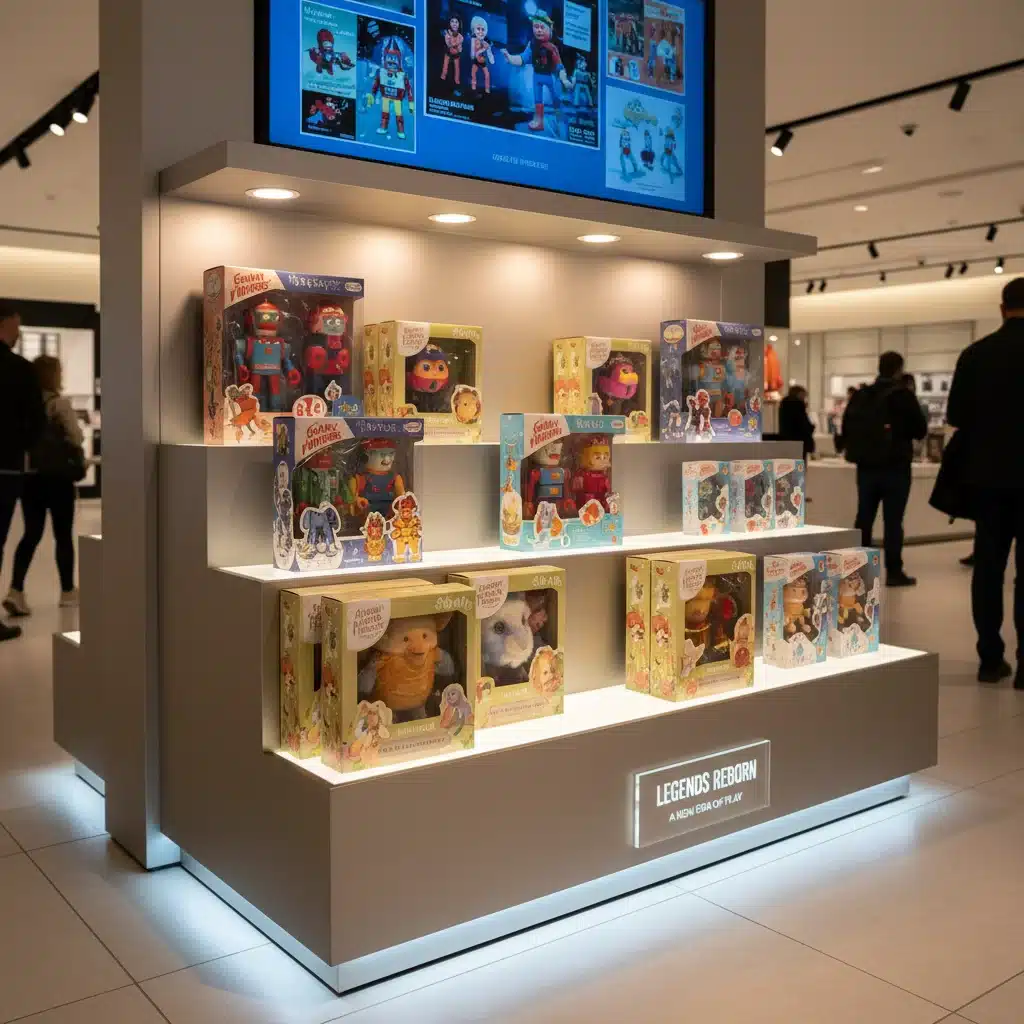
The power of nostalgia marketing trends in 2026 extends beyond mere product sales; it’s about cultural impact. These revived franchises contribute to a shared cultural lexicon, allowing different generations to connect over common experiences. They create new memories while honoring old ones, demonstrating that the past is not just something to look back on, but a rich foundation upon which to build the future. As technology continues to advance, the methods of delivering nostalgic experiences will undoubtedly evolve, but the fundamental human desire for comfort, familiarity, and positive memories will remain constant. This ensures that nostalgia will continue to be a cornerstone of successful marketing strategies for years to come.
The Future of Nostalgia Marketing
Looking ahead, the influence of nostalgia marketing trends is only set to grow. As Gen Alpha comes of age, they will inherit a vast digital archive of content, making ‘retro’ discovery an even more prevalent phenomenon. Brands will need to become even more adept at curating and recontextualizing past content for new audiences, finding innovative ways to blend the old with the new.
We can anticipate an increase in personalized nostalgic experiences, perhaps powered by AI that tailors content based on individual user data and perceived emotional needs. Imagine an interactive experience that not only recalls your favorite childhood show but subtly integrates elements from your own personal history. The ethical implications of such deep personalization will, of course, need careful consideration, but the potential for deeply resonant experiences is immense.
Furthermore, the concept of ‘meta-nostalgia’ might emerge, where consumers feel nostalgic for eras they didn’t even live through, simply because those eras are presented in an appealing, stylized way. This trend is already visible to some extent, but it could become a significant driver for new creative endeavors. The challenge for brands will be to avoid simply rehashing the past and instead use it as a springboard for genuine innovation and artistic expression.
Ultimately, the success of these four franchises in 2026 serves as a powerful reminder that human connection and emotional resonance are at the heart of all successful marketing. By understanding and artfully leveraging nostalgia marketing trends, companies can not only bring beloved classics back to life but also forge new legacies that captivate audiences for generations to come. The past, it turns out, is not just a memory; it’s a powerful tool for shaping the future.