Nostalgia Marketing 2026: The Enduring Allure of 2000s Pop Culture
Nostalgia Marketing 2026: The Enduring Allure of 2000s Pop Culture
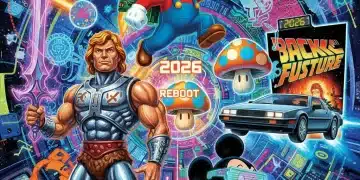
In the ever-evolving landscape of consumer behavior and marketing strategies, one phenomenon consistently proves its enduring power: nostalgia. As we navigate 2026, the magnetic pull of the past, specifically the vibrant and often whimsical era of the 2000s, continues to dominate marketing conversations and campaigns. This isn’t just a fleeting trend; it’s a deeply ingrained psychological mechanism that brands are leveraging to forge profound connections with diverse audiences. The 2000s nostalgia marketing wave is not only captivating the generations who lived through it but is also resonating powerfully with younger demographics who are discovering its unique charm. Understanding the multifaceted reasons behind this sustained appeal is crucial for any brand looking to craft compelling and effective marketing narratives in the current climate.
The turn of the millennium brought with it a distinct cultural shift, characterized by rapid technological advancements, a burgeoning internet, and a unique blend of fashion, music, and entertainment that has left an indelible mark. From the chunky highlights and frosted tips to the rise of pop punk and R&B, from flip phones and early social media platforms to iconic video games and reality TV, the 2000s were an era of bold experimentation and memorable moments. These elements, far from fading into obscurity, are being continually resurrected, reinterpreted, and celebrated, providing a rich tapestry for marketers to draw upon. This article will delve into the psychological underpinnings of nostalgia, explore why the 2000s hold such a special place in collective memory, analyze successful 2000s nostalgia marketing strategies, and project how this powerful trend will continue to shape the marketing world in the years to come.
The Psychology Behind Nostalgia: Why We Look Back
Nostalgia, at its core, is a bittersweet emotion – a sentimental longing or wistful affection for the past. While it might seem counterintuitive for brands to focus on what’s already happened, the psychological benefits of nostalgia are well-documented and incredibly potent. Research suggests that nostalgic experiences can enhance mood, increase positive self-regard, strengthen social bonds, and even imbue life with a greater sense of meaning. For consumers, revisiting the past through media, products, or experiences can evoke feelings of comfort, security, and happiness, often associated with simpler times or formative years.
Advertisements
In a world that often feels chaotic and uncertain, the past offers a safe harbor. The 2000s, for many, represent a period of relative optimism, pre-dating many of the complex global challenges we face today. For Millennials, who were adolescents or young adults during this era, 2000s nostalgia marketing taps into memories of first loves, significant friendships, and the excitement of emerging technologies. For Gen Z, who may have been too young to consciously experience the 2000s, it’s an era of discovery, a ‘cool’ retro period that feels refreshingly authentic and distinct from their own hyper-digital upbringing. This intergenerational appeal is a critical factor in the sustained success of 2000s nostalgia marketing.
Furthermore, nostalgia can foster a sense of shared identity. When a brand successfully evokes a particular era, it creates a common ground for consumers who share those memories. This shared experience can lead to stronger brand loyalty and a perception of the brand as understanding and relatable. The emotional connection forged through nostalgia is far more powerful than a purely rational appeal, often leading to increased engagement, word-of-mouth marketing, and ultimately, higher conversion rates. Brands that master the art of 2000s nostalgia marketing aren’t just selling products; they’re selling feelings, memories, and a connection to a cherished past.
The Defining Elements of 2000s Pop Culture That Resonate Today
The 2000s were a melting pot of cultural phenomena, many of which continue to inspire and influence today’s trends. To effectively implement 2000s nostalgia marketing, brands must identify and skillfully integrate these defining elements:
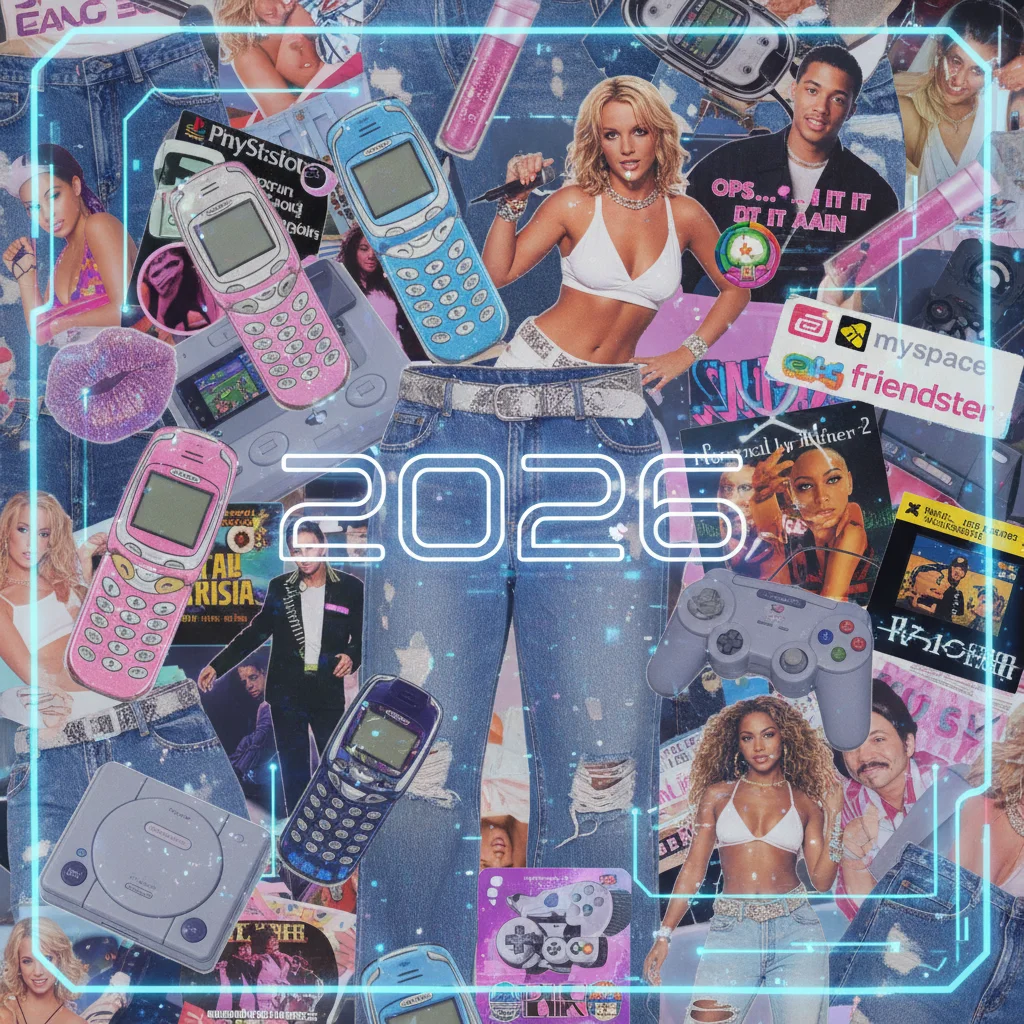
- Music: The era saw the peak of pop princesses like Britney Spears and Christina Aguilera, boy bands like *NSYNC, the rise of hip-hop and R&B icons such as Beyoncé and Usher, and the explosion of pop-punk bands like blink-182 and Green Day. These sounds are instantly recognizable and evoke powerful emotional responses.
- Fashion: Low-rise jeans, Juicy Couture tracksuits, trucker hats, chunky sneakers, frosted makeup, and bold accessories defined the early 2000s aesthetic. This Y2K fashion revival is a significant driver of current trends, particularly among Gen Z.
- Technology: The transition from dial-up to broadband, the proliferation of flip phones, early digital cameras, iPods, and the nascent stages of social media (MySpace, AIM) all represent a period of exciting technological discovery and connectivity.
- Television & Film: Iconic teen dramas like The O.C. and Gossip Girl, reality TV sensations like American Idol and The Simple Life, and blockbuster movie franchises captivated audiences. These narratives and characters provide rich material for cultural references.
- Video Games: The PlayStation 2, Xbox, and Nintendo GameCube generations, alongside popular PC games and early mobile games, hold significant nostalgic value for many.
- Early Internet Culture: Before the ubiquity of smartphones, the internet was a different beast. Flash games, early memes, quirky websites, and chat rooms fostered a unique online community that many look back on fondly.
The beauty of 2000s nostalgia marketing lies in its versatility. Brands can pick and choose which elements best align with their product or service, creating targeted campaigns that feel both authentic and exciting. The key is not just to copy the past but to reinterpret it through a modern lens, making it relevant for today’s consumers.
Successful 2000s Nostalgia Marketing Case Studies in 2026
Many brands have already mastered the art of 2000s nostalgia marketing, demonstrating its commercial viability and powerful impact. Here are a few hypothetical examples reflecting current trends and potential future applications:
Case Study 1: "Pixel Perfect" – A Tech Brand’s Gaming Revival
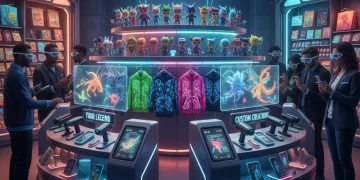
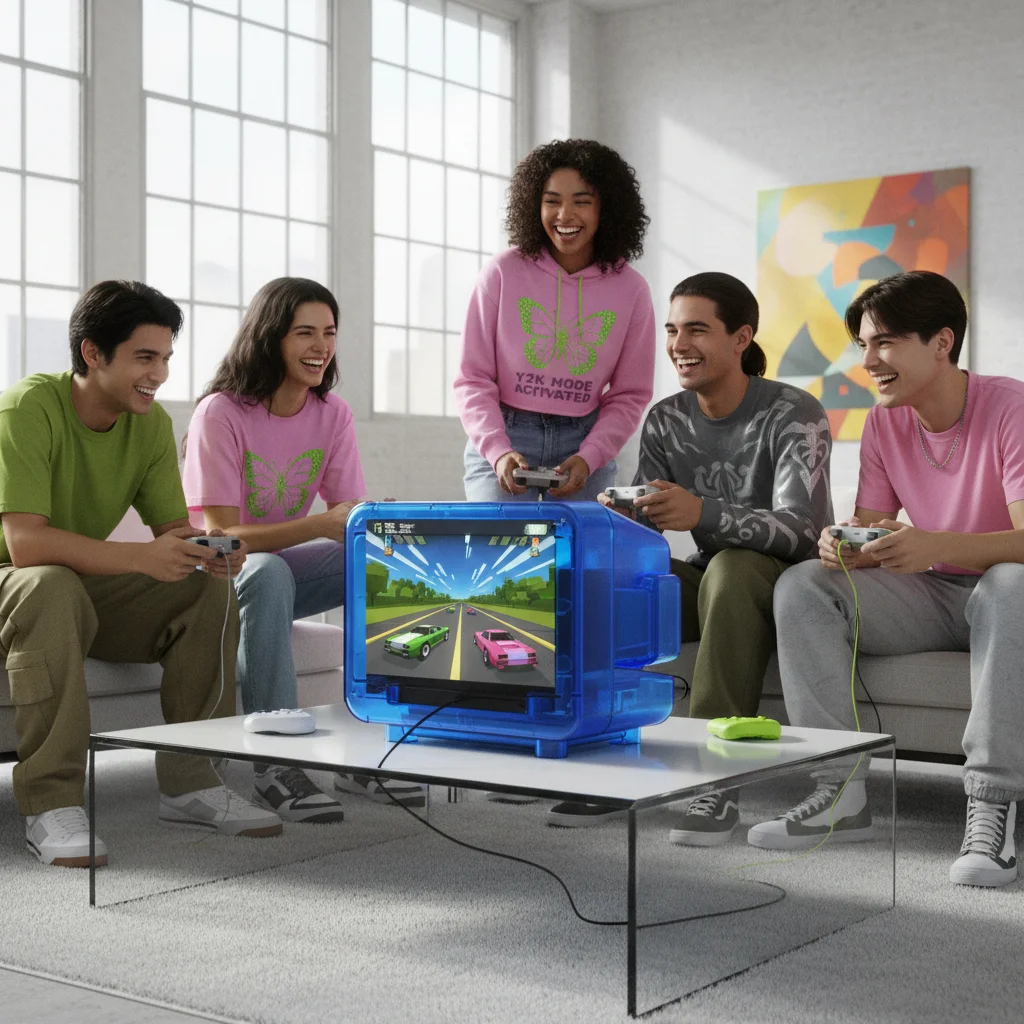
A leading tech accessories company, "Pixel Perfect," launched a new line of gaming controllers and headsets in 2026. Instead of sleek, futuristic designs, they embraced a bold 2000s nostalgia marketing strategy. Their new "Retro-Reboot" series featured controllers in translucent plastic (recalling the N64 and Game Boy Color), headsets with chunky, vibrant designs reminiscent of early gaming peripherals, and packaging adorned with pixel art and early internet aesthetics.
Their campaign included:
- Social Media: A series of TikTok and Instagram Reels featuring influencers playing modern games with the "Retro-Reboot" gear, overlaid with iconic 2000s pop-punk anthems. They encouraged users to share their "favorite 2000s gaming memory" using a specific hashtag, generating massive user-generated content.
- Limited Edition Drops: Collaborations with popular 2000s video game franchises (e.g., a "Tony Hawk’s Pro Skater" themed controller) created a sense of urgency and exclusivity.
- Experiential Marketing: Pop-up "Arcade Rewind" events in major cities, featuring classic 2000s arcade games alongside stations showcasing the new products, complete with a Y2K aesthetic DJ playing hits from the era.
The result? A significant surge in sales, particularly among Millennials and Gen Z, who appreciated the authentic nod to the past combined with modern functionality. The campaign successfully positioned Pixel Perfect as a brand that understands its audience’s cultural touchstones.
Case Study 2: "Y2K Threads" – Fashion’s Full Circle Moment
A fast-fashion retailer, "Y2K Threads," has built its entire brand identity around 2000s nostalgia marketing. In 2026, they continue to thrive by offering updated versions of classic 2000s fashion staples. Their collections regularly feature low-rise cargo pants, butterfly tops, velour tracksuits, micro-mini skirts, and rhinestone-embellished accessories, all produced with sustainable materials and ethical manufacturing processes to appeal to modern consumer values.
Their marketing approach includes:
- Influencer Collaborations: Partnering with TikTok and Instagram fashion influencers known for their Y2K aesthetic, showcasing how to style these pieces for contemporary looks.
- Interactive Website: An online "2000s Style Quiz" that recommends outfits based on iconic 2000s subcultures (e.g., Pop Princess, Emo Kid, Skater).
- Visual Merchandising: In-store displays designed to look like a 2000s teen bedroom or a scene from a popular teen movie, complete with vintage posters and props.
Y2K Threads has cultivated a loyal following by consistently delivering on its nostalgic promise, proving that the 2000s fashion revival is more than just a passing fad; it’s a legitimate and profitable market segment.
Why 2000s Pop Culture Resonates with Younger Generations
One of the most fascinating aspects of the current 2000s nostalgia marketing trend is its appeal to Gen Z, a demographic born after or during the very late stages of the 2000s. For them, it’s not about remembering; it’s about discovering. This phenomenon can be attributed to several factors:
- The "Retro Cool" Factor: Every generation finds aesthetic and cultural appeal in the eras that preceded them. For Gen Z, the 2000s offer a distinct visual and auditory experience that feels fresh and unique compared to the trends they grew up with. The maximalist fashion, bold colors, and experimental sounds stand in contrast to the more minimalist or curated aesthetics that dominated the 2010s.
- Escapism and Simplicity: The 2000s are often romanticized as a simpler time, before the pervasive influence of social media algorithms, constant news cycles, and global anxieties. For Gen Z, who have grown up in a hyper-connected and often overwhelming world, the perceived innocence and carefree nature of the 2000s offer a form of escapism.
- Authenticity and Imperfection: The early internet and media of the 2000s often felt less polished and more raw than today’s highly curated digital content. This perceived authenticity resonates with a generation that values genuine expression and is often critical of artificiality. The grainy photos, less sophisticated graphics, and unpolished reality TV of the era can feel more "real."
- Parental Influence and Cultural Osmosis: Many Gen Z individuals grew up with Millennial parents or older siblings who exposed them to 2000s music, movies, and fashion. This early exposure creates a foundational familiarity and positive association with the era.
- TikTok and Trend Cycles: Social media platforms, particularly TikTok, play a massive role in accelerating and amplifying trend cycles. Micro-trends from the 2000s are constantly being rediscovered, remixed, and re-shared, exposing a vast audience to the era’s aesthetics and sounds. Challenges and viral content often feature 2000s music or fashion, driving engagement and creating a collective appreciation.
Brands engaging in 2000s nostalgia marketing for younger audiences must understand that their approach needs to be one of reinterpretation rather than direct replication. It’s about taking the essence of the 2000s and making it relevant and appealing to a new generation, often by blending it with contemporary values and styles.
Crafting Effective 2000s Nostalgia Marketing Strategies for 2026
To successfully leverage the power of 2000s nostalgia marketing in 2026, brands should consider the following strategic approaches:
1. Authenticity Over Appropriation
The most crucial element is authenticity. Consumers, especially younger ones, can quickly spot inauthentic attempts at nostalgia. Brands must do their research to ensure their references are accurate and respectful of the original culture. This means understanding the nuances of 2000s fashion, music, and technology, rather than simply slapping a "Y2K" label on something generic. Collaborate with creators or consultants who genuinely lived through or deeply understand the era.
2. Reinterpretation, Not Just Replication
While the past is inspiring, consumers also demand innovation. Don’t just re-release old products; reinterpret them. A classic 2000s flip phone could be reimagined with smart capabilities, or a beloved snack could return with updated, healthier ingredients. The goal is to blend the emotional comfort of the past with the convenience and expectations of the present. This approach is key to sustained engagement in 2000s nostalgia marketing.
3. Multi-Channel Storytelling
Nostalgia marketing thrives on storytelling. Utilize various channels to tell a cohesive narrative that transports your audience back to the 2000s. This could include:
- Social Media Campaigns: Leverage platforms like TikTok, Instagram, and even nostalgic platforms if they resurface, with themed filters, challenges, and user-generated content prompts.
- Digital Content: Create blog posts, videos, or interactive web experiences that delve into the history of 2000s trends and how they relate to your brand.
- Product Design: Incorporate 2000s aesthetics into product packaging, design, and branding.
- Experiential Marketing: Host pop-up events, themed parties, or interactive installations that immerse consumers in a 2000s atmosphere.
4. Target Specific Micro-Nostalgia
The 2000s were a long decade with diverse subcultures. Instead of a broad "2000s theme," consider targeting specific micro-nostalgias. Are you aiming for the early Y2K pop aesthetic? The mid-2000s emo/scene kid vibe? Or the late 2000s indie sleaze? Pinpointing a specific niche can create a more powerful and resonant connection with a particular segment of your audience, making your 2000s nostalgia marketing more effective.
5. Leverage Music and Sound
Music is a potent trigger for nostalgia. Incorporate iconic 2000s tracks into your advertisements, social media content, and in-store experiences. Licensing popular songs from the era can instantly evoke strong emotions and create an immediate connection with the target audience. The right soundtrack can elevate any 2000s nostalgia marketing campaign.
6. Embrace Interactive and Playful Elements
The 2000s were a time of playfulness and experimentation. Integrate interactive elements into your campaigns, such as quizzes ("Which 2000s Pop Star Are You?"), throwback games, or AR filters that let users try on 2000s fashion. Gamification can significantly boost engagement and make the nostalgic experience more memorable.
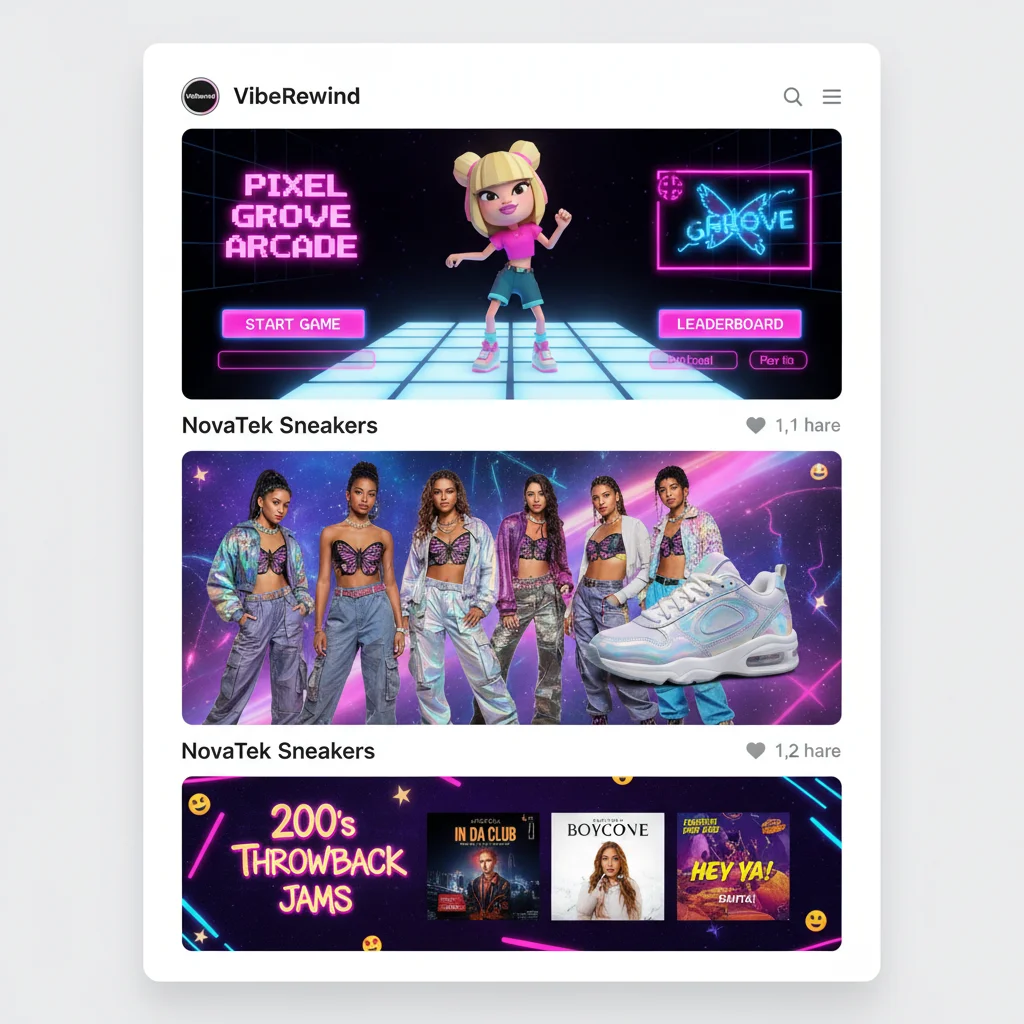
The Future of 2000s Nostalgia Marketing Beyond 2026
As we look beyond 2026, the question arises: how long will the 2000s nostalgia marketing trend continue to be relevant? While all trends eventually evolve, the psychological power of nostalgia suggests that its core appeal will remain strong, even if the specific eras shift. The 2000s, in particular, hold a unique position as the last pre-smartphone, pre-social media dominance era, giving it a distinct charm for those looking back.
We can anticipate a few developments:
- Increasing Specificity: Rather than broad 2000s themes, marketers will likely delve into even more niche subcultures and years within the decade. For example, a focus on "2003 indie rock scene" or "2007 emo fashion" could emerge.
- Technological Integration: As AR and VR technologies become more sophisticated, we might see immersive nostalgic experiences that allow consumers to "step into" a 2000s music video or movie set, creating even deeper emotional connections.
- Hybrid Nostalgia: We may see a blending of 2000s elements with influences from other eras, creating entirely new aesthetic movements that draw on multiple nostalgic touchpoints.
- Sustainability Focus: As consumers become more environmentally conscious, brands leveraging 2000s nostalgia may increasingly emphasize sustainable production methods for retro-inspired products, or promote upcycling and vintage fashion to align with contemporary values.
The longevity of 2000s nostalgia marketing is also tied to the continued maturation of Gen Z and the emergence of Gen Alpha. As these generations grow older, their own "formative years" will become the new nostalgic touchpoints, but the 2000s will likely retain a classic, foundational appeal, much like the 80s and 90s do today. Brands that can skillfully adapt and innovate within this nostalgic framework will continue to reap significant rewards.
Conclusion: Embracing the Past to Define the Future
The enduring resonance of 2000s pop culture in 2026 is a testament to the powerful and universal appeal of nostalgia. For brands, this isn’t merely a fleeting opportunity but a strategic imperative to understand and harness. By tapping into the comfort, joy, and shared cultural experiences of the 2000s, marketers can forge deeper emotional connections with both Millennials and Gen Z, driving engagement, loyalty, and ultimately, sales.
Successful 2000s nostalgia marketing requires authenticity, creative reinterpretation, and a multi-channel approach that tells a compelling story. It’s about celebrating the past while simultaneously innovating for the present and future. As consumer preferences continue to evolve, the ability to evoke positive emotions through cultural touchstones will remain a cornerstone of effective marketing. The 2000s, with its unique blend of technological optimism, bold aesthetics, and memorable entertainment, offers a fertile ground for brands ready to unlock the power of sentimental longing and transform it into tangible success in the years to come.
Therefore, as you plan your marketing strategies for the remainder of the decade, don’t underestimate the power of a well-placed throwback. The 2000s are not just a memory; they are a living, breathing cultural force that continues to shape our present and offer exciting possibilities for the future of branding.