The Wellness Economy: Reshaping US Consumer Spending & Financial Impact
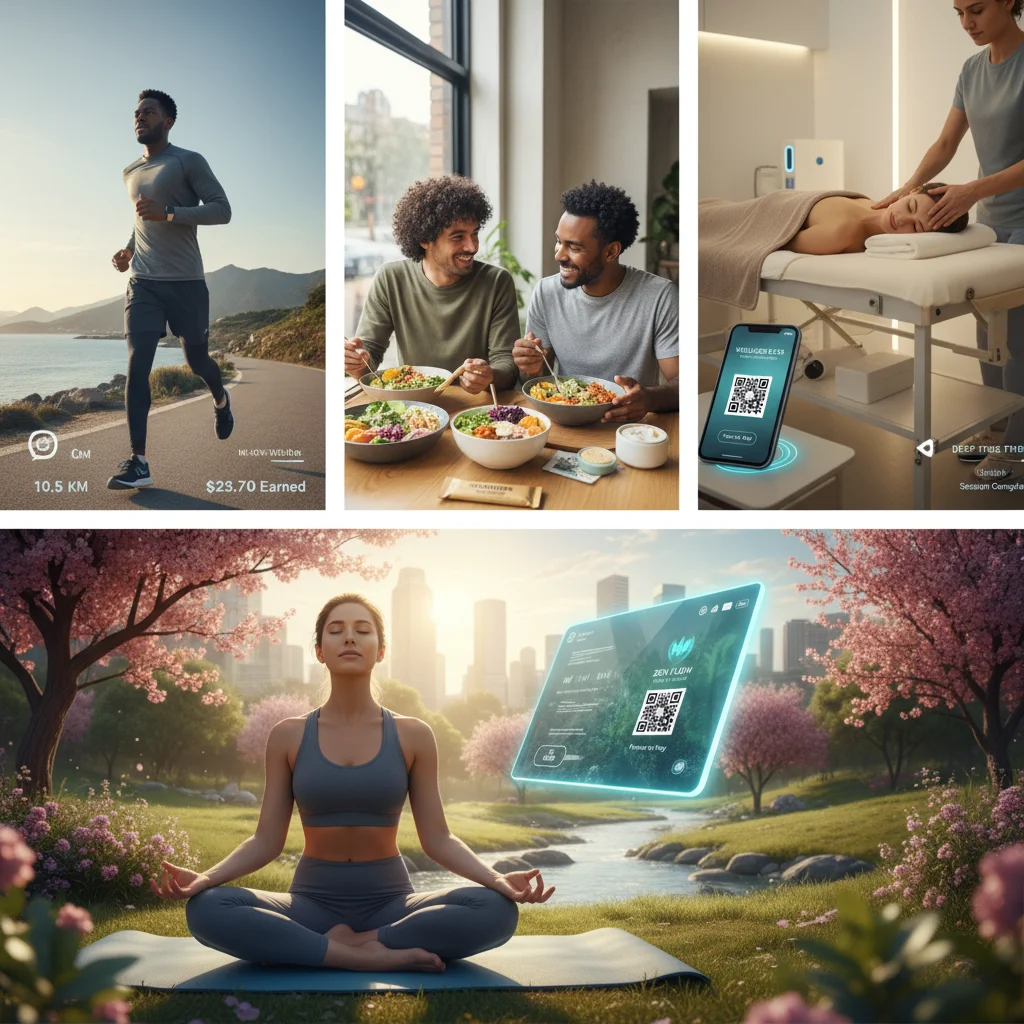
The Wellness Economy: How the $4.5 Trillion Global Wellness Market is Reshaping Consumer Spending in the U.S. (FINANCIAL IMPACT)
The pursuit of well-being has transcended a mere lifestyle choice; it has evolved into a colossal economic force, globally valued at an astounding $4.5 trillion. This monumental shift, often referred to as the wellness economy impact, is not just a fleeting trend but a fundamental reorientation of consumer priorities and spending habits, particularly evident within the United States. From organic groceries and personalized fitness regimes to mental health apps and spiritual retreats, Americans are increasingly allocating significant portions of their disposable income towards products and services that promise a healthier, happier, and more balanced existence. This comprehensive exploration delves into the intricate mechanisms of this transformative market, analyzing its key drivers, dissecting its diverse sectors, and ultimately quantifying its profound financial impact on the U.S. economy.
Understanding the Scope of the Wellness Economy Impact
The wellness economy is a broad and multifaceted concept, encompassing industries that enable consumers to incorporate wellness activities and lifestyles into their daily lives. It’s far more expansive than just healthcare, extending into preventative care, personal growth, and self-optimization. The Global Wellness Institute (GWI) defines it across ten key sectors, each contributing significantly to the overall wellness economy impact. These include:
- Personal Care, Beauty & Anti-Aging: This sector involves products and services designed to enhance appearance and slow the aging process, from skincare and cosmetics to aesthetic treatments and nutritional supplements focused on beauty from within.
- Healthy Eating, Nutrition & Weight Loss: Encompassing organic foods, dietary supplements, meal delivery services, and weight management programs, this sector thrives on the growing consumer awareness of the link between diet and health.
- Physical Activity: This includes everything from gyms and fitness studios to sports equipment, athleisure wear, and digital fitness platforms. The rise of at-home workouts and personalized training has further fueled its growth.
- Wellness Tourism: Travel undertaken for the purpose of improving one’s health and well-being through physical, psychological, or spiritual activities. This ranges from spa resorts to adventure travel with a wellness focus.
- Preventative & Personalized Medicine and Public Health: Beyond traditional reactive healthcare, this sector focuses on proactive measures, including genetic testing, health screenings, and public health initiatives that promote overall wellness.
- Traditional & Complementary Medicine: Practices like acupuncture, chiropractic care, herbal medicine, and mindfulness-based therapies are gaining mainstream acceptance as alternatives or complements to conventional medicine.
- Wellness Real Estate: The burgeoning trend of designing, building, and operating homes and communities that intentionally support the health and well-being of residents.
- Mental Wellness: This critical sector includes meditation apps, therapy, counseling services, stress management programs, and products designed to improve sleep and cognitive function.
- Spas & Thermal/Mineral Springs: Dedicated establishments offering a range of therapeutic and relaxation treatments, often leveraging natural resources.
- Workplace Wellness: Programs and initiatives implemented by employers to improve the health and well-being of their employees, recognizing the link between employee wellness and productivity.
Each of these sectors contributes to the overall wellness economy impact by capturing consumer spending that might have previously gone to other categories or was simply not spent at all. The U.S., being one of the largest and most affluent consumer markets, is a primary driver and beneficiary of this expansion.
Advertisements
Drivers of Growth in the U.S. Wellness Market
Several converging factors are fueling the unprecedented growth of the wellness economy in the U.S.:
Increased Health Consciousness and Preventative Mindset
A fundamental shift is underway from a reactive approach to health (treating illness) to a proactive one (preventing it). Consumers are more educated about nutrition, exercise, and mental health than ever before, thanks to widespread information access. This heightened awareness drives demand for products and services that support a preventative lifestyle.
Demographic Shifts: Millennials and Gen Z Leading the Charge
Younger generations, particularly Millennials and Gen Z, place a significantly higher value on health and well-being compared to previous generations. They are more willing to invest in experiences, sustainable products, and holistic approaches to health. This demographic is also highly influenced by social media and digital trends, making them prime targets for innovative wellness offerings.
Technological Advancements and Digital Integration
Technology has democratized wellness. Wearable fitness trackers, meditation apps, online therapy platforms, smart home gym equipment, and AI-powered personalized nutrition plans have made wellness more accessible, convenient, and measurable. This digital integration is a massive contributor to the expanding wellness economy impact.
Rising Disposable Incomes and Luxury Wellness
For a segment of the population, rising disposable incomes allow for investment in premium and luxury wellness experiences, from high-end spa treatments and wellness retreats to personalized medical services and bespoke fitness programs. This segment drives innovation and often sets trends that eventually trickle down to more accessible price points.
The Impact of the Pandemic: A Catalyst for Wellness
The COVID-19 pandemic acted as a powerful accelerator for the wellness economy. It brought health, immunity, and mental well-being to the forefront of global consciousness. Consumers sought ways to boost their physical and mental resilience, leading to surges in demand for home fitness equipment, immunity-boosting supplements, mental health resources, and outdoor activities. This sustained focus continues to drive the wellness economy impact.
Reshaping U.S. Consumer Spending: Sector-Specific Financial Impact
The financial impact of the wellness economy is evident across various consumer spending categories. Let’s examine some key sectors:
Fitness & Movement: A Dynamic Expansion
The fitness industry has undergone a significant transformation. Beyond traditional gym memberships, consumers are spending on boutique fitness classes (e.g., CrossFit, Pilates, yoga), personal trainers, at-home fitness subscriptions (e.g., Peloton, Mirror), and specialized sports equipment. The athleisure market alone is a multi-billion dollar industry, reflecting the blend of comfort, style, and active living. The average American is now more likely to invest in multiple fitness avenues, showcasing a diversified approach to physical well-being. This sector’s contribution to the wellness economy impact is substantial, driven by innovation and consumer desire for varied, engaging physical activity.

Healthy Eating, Nutrition & Weight Loss: A Dietary Revolution
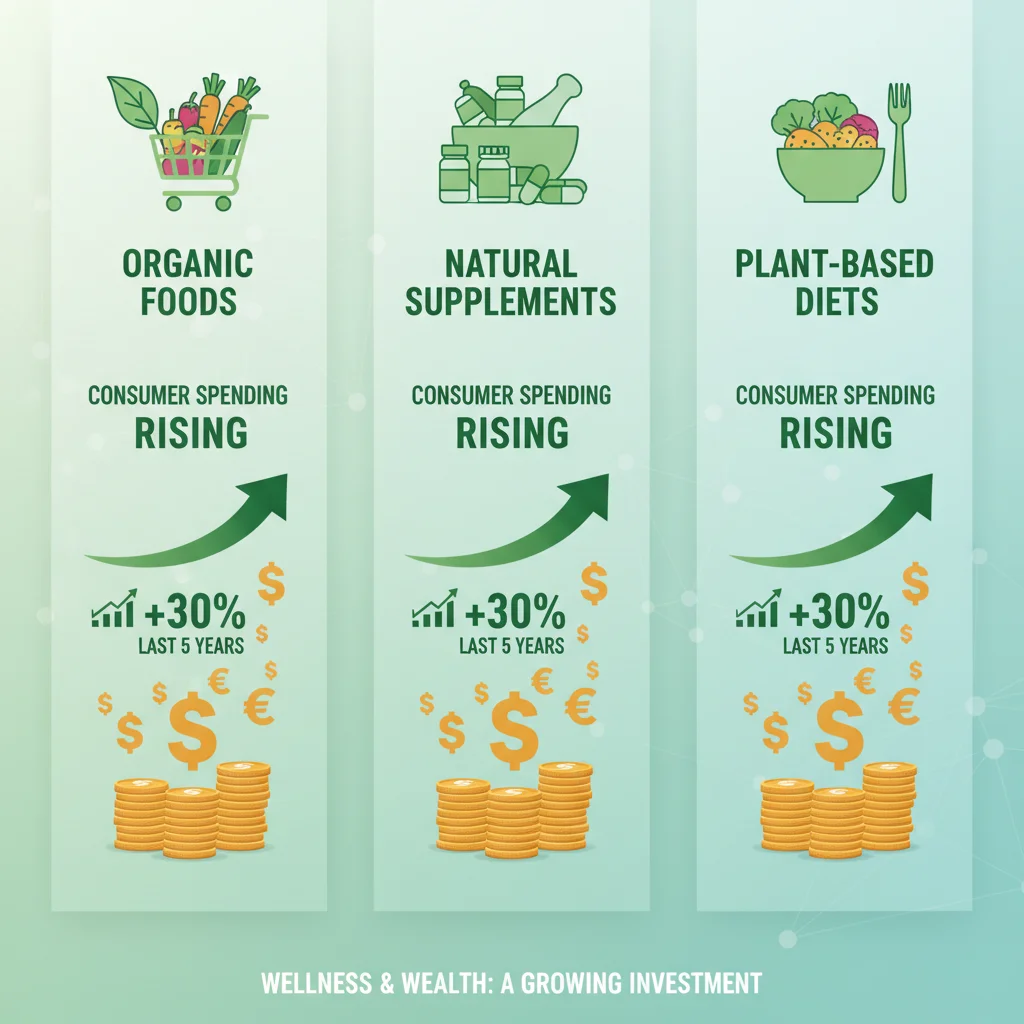
This sector is arguably one of the largest contributors to the wellness economy impact. Consumer spending on organic foods has skyrocketed, with grocery stores dedicating increasing shelf space to natural, non-GMO, and plant-based options. The supplement market, encompassing vitamins, minerals, probiotics, and specialized functional foods, continues its robust growth. Meal kit delivery services focusing on healthy, pre-portioned meals have become popular, catering to convenience and health-conscious individuals. Furthermore, the rise of dietary trends like ketogenic, paleo, and veganism has spurred innovation and new product development, capturing significant consumer dollars.
Mental Wellness: Prioritizing Inner Peace
Once a taboo topic, mental health is now openly discussed and prioritized. This shift has led to a surge in spending on mental wellness products and services. Subscription-based meditation and mindfulness apps (e.g., Calm, Headspace), online therapy platforms, stress-relief gadgets, and sleep-enhancing products are experiencing unprecedented demand. Employers are also investing more in workplace mental wellness programs, recognizing the link between employee well-being and productivity. This growing focus on emotional and psychological health is a crucial aspect of the overall wellness economy impact.
Personal Care, Beauty & Anti-Aging: Beyond Cosmetics
The beauty industry has pivoted towards ‘clean beauty,’ ‘sustainable beauty,’ and ‘wellness beauty,’ emphasizing natural ingredients, ethical sourcing, and products that offer functional benefits beyond aesthetics. Consumers are increasingly scrutinizing ingredient lists and opting for brands that align with their health values. Anti-aging treatments, both topical and clinical, continue to be a significant expenditure. This evolution reflects a desire for holistic well-being that extends to personal grooming, contributing greatly to the wellness economy impact.
Wellness Tourism: Experiences Over Possessions
The desire for experiential travel has merged with the pursuit of wellness, giving rise to a booming wellness tourism sector. Americans are spending on retreats focused on yoga, meditation, detox, and adventure. Spa treatments, thermal spring visits, and even medical tourism for preventative health check-ups fall under this umbrella. This sector highlights a broader consumer trend: a willingness to invest in experiences that enrich their lives and improve their well-being, rather than solely on material possessions. The financial ripple effect extends to hospitality, travel, and local economies.
Financial Implications for Businesses and Investors
The burgeoning wellness economy presents both immense opportunities and significant challenges for businesses and investors in the U.S. Companies that successfully tap into this market can achieve substantial growth, while those that fail to adapt risk being left behind.
Opportunities for Innovation and Market Entry
The wellness sector is ripe for innovation. Startups are continuously emerging with novel products and services, from AI-powered health coaches to personalized nutrition delivery. Established companies are acquiring wellness brands or launching their own wellness-focused divisions. There’s a clear opportunity for businesses to differentiate themselves by offering authentic, science-backed, and consumer-centric wellness solutions. The wellness economy impact encourages an entrepreneurial spirit focused on health.
Investment Hotbed: Venture Capital and Private Equity
Venture capital and private equity firms are keenly aware of the lucrative potential within the wellness economy. Significant investments are flowing into wellness tech, healthy food brands, sustainable beauty companies, and mental health platforms. This influx of capital fuels further innovation and market expansion, creating a virtuous cycle of growth and opportunity. Investors are increasingly looking for companies with strong ESG (Environmental, Social, and Governance) credentials, which often align naturally with wellness-focused businesses.
Challenges: Authenticity, Regulation, and Competition
While opportunities abound, challenges persist. The market is becoming increasingly crowded and competitive, making it difficult for new entrants to stand out. Consumers are also growing more discerning, demanding authenticity, transparency, and scientific backing for wellness claims. Regulatory oversight, particularly in areas like supplements and health tech, is evolving and can pose compliance challenges. Furthermore, the risk of ‘wellness washing’ – where companies make superficial claims without genuine commitment – can erode consumer trust. Businesses must navigate these complexities to truly harness the wellness economy impact.
The Future of Consumer Spending: A Wellness-Centric Approach
The trajectory of the wellness economy suggests that its influence on U.S. consumer spending will only continue to grow. Several trends are likely to shape its future:
Hyper-Personalization and Data-Driven Wellness
The future of wellness will be increasingly personalized. Advances in genomics, biometrics, and AI will enable highly customized recommendations for diet, exercise, and mental health interventions. Consumers will expect products and services tailored to their unique biological makeup and lifestyle, further deepening the wellness economy impact on individual spending.
Integration of Wellness into Everyday Life
Wellness will become less of a separate activity and more seamlessly integrated into daily routines, work environments, and even urban planning. Wellness real estate, smart home devices that monitor health, and workplace wellness programs will become standard, rather than exceptions. This integration will make wellness spending a more inherent part of consumer budgets.
Sustainability and Ethical Consumption
The convergence of wellness and sustainability will intensify. Consumers will increasingly favor brands that demonstrate a commitment to environmental responsibility, ethical labor practices, and transparent supply chains. Products that are good for personal health and good for the planet will command a premium, further shaping consumer choices and the wellness economy impact.
Accessibility and Inclusivity
While currently, some aspects of wellness are perceived as luxury, there will be a growing push for more accessible and inclusive wellness solutions. This will involve leveraging technology to reduce costs, developing community-based programs, and creating offerings that cater to a wider range of socioeconomic backgrounds. Expanding accessibility will further broaden the base of the wellness economy.
Conclusion: A Paradigm Shift in Economic Priorities
The $4.5 trillion global wellness economy is not merely a collection of niche markets; it represents a profound paradigm shift in how consumers view health, happiness, and personal investment. In the U.S., this translates into a significant reorientation of consumer spending, with billions of dollars flowing into sectors dedicated to physical, mental, and spiritual well-being. Businesses that understand and adapt to this evolving landscape, offering authentic, innovative, and value-driven wellness solutions, are poised for remarkable success.
The wellness economy impact is undeniable, shaping not just individual purchasing decisions but also influencing urban development, corporate strategies, and technological innovation. As consumers continue to prioritize health and well-being, the economic footprint of wellness will only expand, cementing its role as a central pillar of the modern U.S. economy. This isn’t just about feeling good; it’s about a fundamental restructuring of financial priorities towards a healthier, more fulfilling life.