Smartwatch Innovations 2026: Your Guide to Health Monitoring Tech
The Latest Smartwatch Innovations for Health Monitoring: A 2026 Buyer’s Guide
In an era where personal well-being takes center stage, the integration of technology into our daily health routines has become indispensable. Among the myriad of gadgets designed to enhance our lives, smartwatches have emerged as powerful allies in the quest for optimal health. As we stride into 2026, the landscape of smartwatch health monitoring has evolved dramatically, offering an unprecedented level of insight into our bodies and lifestyles. This comprehensive buyer’s guide aims to navigate the cutting-edge innovations and help you make an informed decision when choosing your next health-focused wearable.
Gone are the days when smartwatches were merely glorified pedometers. Today, these miniature marvels on our wrists are sophisticated health hubs, capable of tracking everything from heart rate variability to blood glucose levels, and even detecting early signs of serious medical conditions. The pace of innovation in smartwatch health monitoring is breathtaking, with new sensors, algorithms, and features being introduced seemingly every quarter. For consumers, this means a wider array of choices, but also the challenge of discerning which features are genuinely beneficial and which are merely marketing hype.
This guide will delve deep into the most significant advancements in smartwatch health monitoring for 2026. We’ll explore the core technologies, discuss the emerging trends, and provide practical advice on what to look for based on your individual health needs and lifestyle. Whether you’re a fitness enthusiast, managing a chronic condition, or simply aiming for a healthier life, understanding these innovations is key to harnessing the full potential of your wearable technology.
The Evolution of Smartwatch Health Monitoring: A Glimpse into 2026
The journey of smartwatches from simple fitness trackers to advanced health monitoring devices has been remarkable. Early models focused primarily on step counting and basic calorie tracking. Over time, heart rate sensors became standard, followed by more sophisticated features like ECG (electrocardiogram) and blood oxygen (SpO2) monitoring. By 2026, the capabilities have expanded exponentially, moving beyond reactive data collection to proactive health insights and even predictive analytics.
Key Technological Advancements Driving Smartwatch Health Monitoring
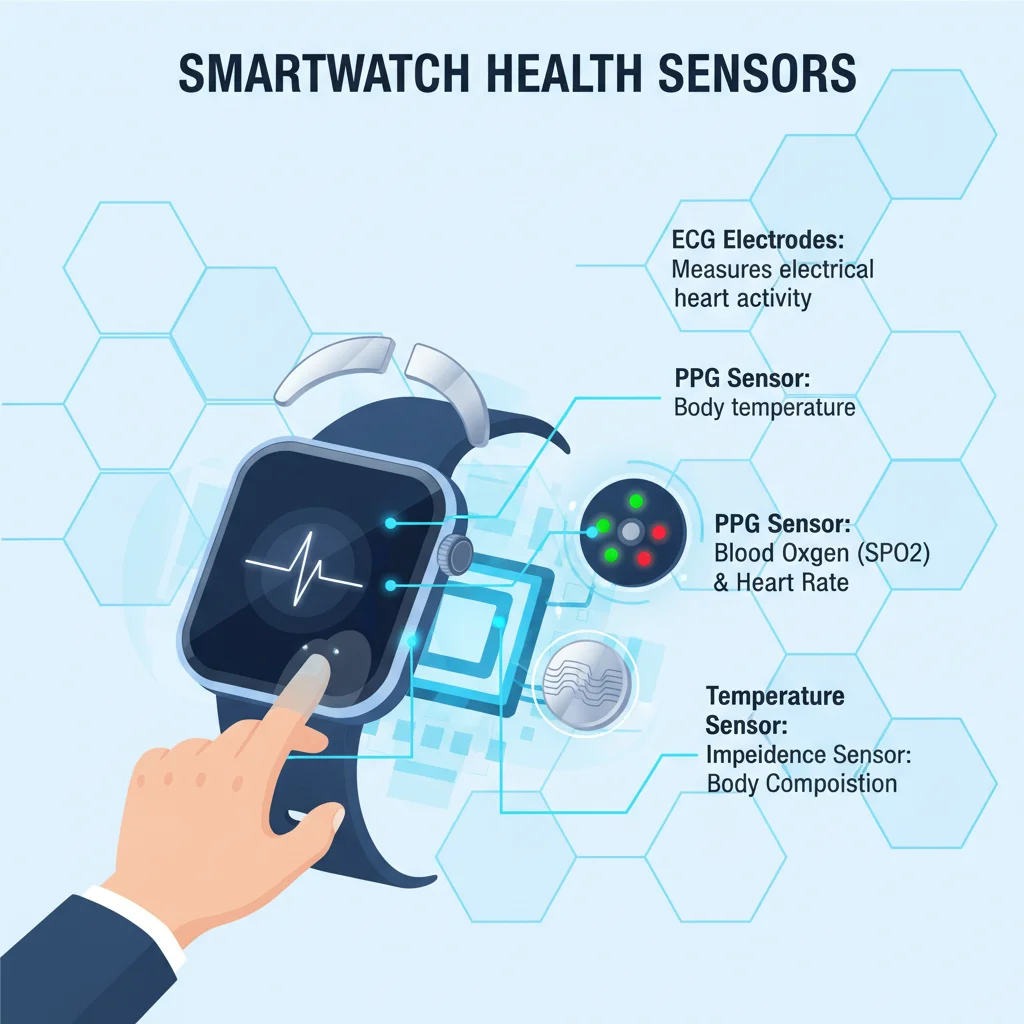
- Advanced Biometric Sensors: Beyond the standard heart rate and SpO2, 2026 smartwatches boast highly accurate sensors for continuous glucose monitoring (non-invasive methods are becoming more prevalent), blood pressure measurement, and even advanced body temperature tracking that can detect subtle changes indicative of illness or ovulation cycles.
- AI-Powered Analytics and Personalized Insights: Raw data is useful, but intelligent interpretation is transformative. Modern smartwatches leverage artificial intelligence and machine learning to analyze vast amounts of biometric data, providing personalized health insights, trend analysis, and actionable recommendations. This includes detecting irregular heart rhythms, predicting illness based on vital sign fluctuations, and optimizing sleep schedules.
- Seamless Integration with Healthcare Ecosystems: The isolated data silos of the past are breaking down. 2026 smartwatches are designed to integrate seamlessly with electronic health records (EHRs), telehealth platforms, and even directly with healthcare providers, allowing for better remote patient monitoring and more informed medical decisions.
- Enhanced Battery Life and Durability: As smartwatches become essential health tools, extended battery life (often lasting several days on a single charge, even with continuous monitoring) and robust, water-resistant designs are paramount. This ensures uninterrupted data collection and reliability in various environments.
- Focus on Mental Health and Stress Management: Beyond physical metrics, smartwatches are increasingly incorporating features to monitor stress levels through heart rate variability (HRV), skin conductance, and even guided breathing exercises, offering a holistic view of well-being.
Essential Health Monitoring Features to Look for in 2026
When you’re in the market for a new smartwatch, especially one focused on health, it’s crucial to understand which features offer the most value. Here’s a breakdown of the must-have capabilities in 2026:
1. Comprehensive Cardiovascular Health Tracking
Cardiovascular health remains a cornerstone of smartwatch health monitoring. In 2026, expect more than just basic heart rate. Look for:
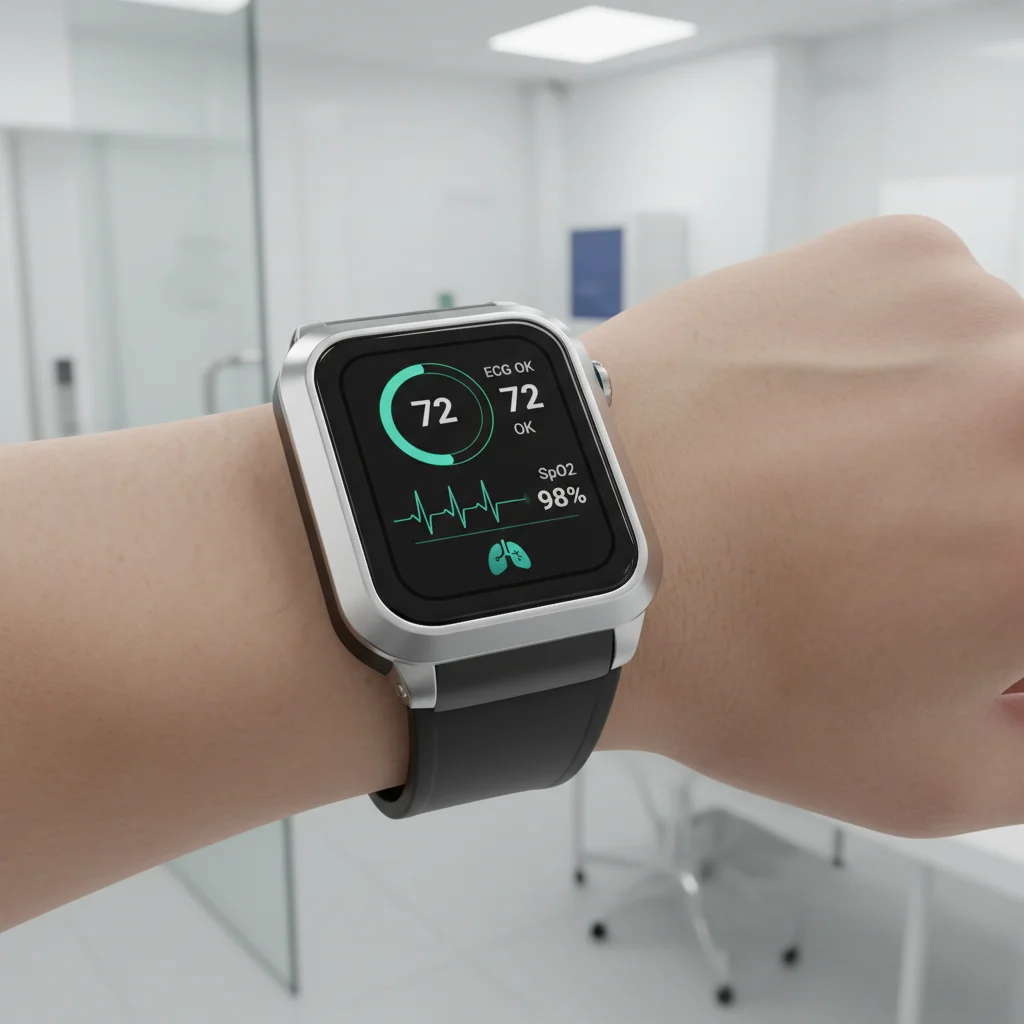
- ECG (Electrocardiogram): The ability to take on-demand ECG readings to detect signs of atrial fibrillation (AFib) or other heart rhythm abnormalities. Accuracy and FDA/CE clearance are key indicators of reliability.
- Continuous Heart Rate Monitoring: Essential for tracking resting heart rate, heart rate zones during exercise, and detecting unusually high or low heart rates.
- Heart Rate Variability (HRV): A crucial metric for assessing stress, recovery, and overall autonomic nervous system health. Advanced smartwatches provide detailed HRV analysis and trends.
- Blood Pressure Monitoring: While still evolving, non-invasive blood pressure measurement directly from the wrist is becoming more common and accurate in 2026 models, offering a convenient way to track this vital sign.
2. Respiratory and Blood Oxygen Monitoring (SpO2)
The importance of SpO2 monitoring was highlighted during recent global health events. In 2026, it’s a standard feature, but look for devices that offer:
- Continuous SpO2 Tracking: Especially beneficial for sleep apnea detection and monitoring respiratory health overnight.
- Accuracy and Reliability: Ensure the device has a strong track record for accurate readings, as variations can be significant.
3. Advanced Sleep Tracking and Analysis
Quality sleep is fundamental to health. 2026 smartwatches offer incredibly detailed sleep insights:
- Sleep Stages: Accurately track REM, deep, and light sleep stages.
- Sleep Scores and Personalized Coaching: Beyond just data, look for devices that provide a sleep score and offer actionable advice or guided meditations to improve sleep quality.
- Snoring and Sleep Apnea Detection: Leveraging microphone and SpO2 data to identify potential sleep disturbances.
4. Stress Management and Mental Well-being
The holistic approach to health now includes mental well-being. Smartwatches are stepping up with:
- Stress Level Monitoring: Often derived from HRV and skin conductance, providing real-time feedback on stress.
- Guided Breathing Exercises: Built-in features to help users calm down and reduce stress.
- Mindfulness and Meditation Integrations: Links to popular meditation apps or built-in mindfulness prompts.
5. Activity and Fitness Tracking (Beyond the Basics)
While fundamental, fitness tracking has also advanced:
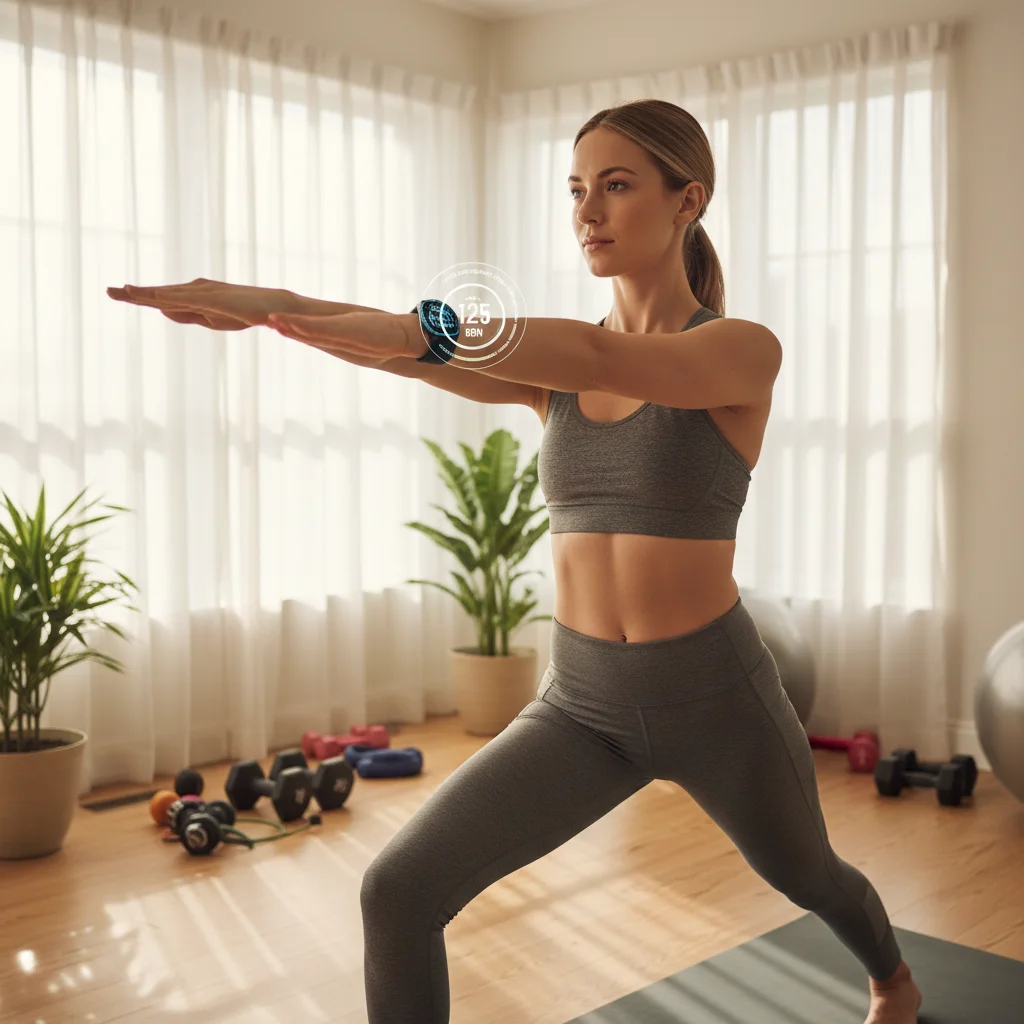
- Automatic Workout Detection: Smartwatches can now automatically recognize and log various types of exercise.
- Advanced GPS and Route Tracking: Highly accurate GPS for outdoor activities, often with mapping capabilities.
- Recovery Metrics: Beyond just activity, devices are providing insights into recovery needs based on training load and physiological data.
- Body Composition Analysis: Emerging features that use bioelectrical impedance to estimate body fat and muscle mass.
6. Body Temperature Monitoring
Continuous body temperature tracking is becoming increasingly sophisticated, offering insights into:
- Illness Detection: Early warning signs of fever or infection.
- Ovulation Tracking: For women’s health, precise temperature tracking can aid in fertility planning.
- Workout Performance: Monitoring core body temperature during intense exercise.
7. Glucose Monitoring (Non-Invasive)
Perhaps one of the most anticipated innovations in smartwatch health monitoring is reliable, non-invasive glucose monitoring. While still a complex challenge, 2026 sees significant progress:
- Emerging Technologies: Look for devices utilizing advanced optical sensors or other non-invasive methods to provide trend data and alerts for glucose levels, particularly beneficial for pre-diabetics and those managing type 2 diabetes.
- Accuracy and Validation: Given the critical nature of glucose data, always verify the accuracy and any medical certifications for such features.
Who Benefits Most from Advanced Smartwatch Health Monitoring?
The broad spectrum of features offered by 2026 smartwatches makes them valuable for diverse user groups:
- Fitness Enthusiasts and Athletes: For optimizing training, monitoring recovery, and preventing overtraining with detailed physiological data.
- Individuals Managing Chronic Conditions: Those with heart conditions, diabetes, or hypertension can greatly benefit from continuous monitoring, alerts, and data sharing with healthcare providers.
- Elderly Individuals: Fall detection, emergency SOS features, and simplified health tracking can provide peace of mind for both users and their families.
- Pregnant Individuals: Tracking heart rate, sleep, stress, and even subtle body temperature changes can be invaluable during pregnancy.
- Anyone Focused on Preventive Health: For those who want to stay proactive about their well-being, gain deeper insights into their body, and make data-driven lifestyle choices.
Choosing Your Smartwatch: A 2026 Buyer’s Checklist
With so many options, how do you pick the right smartwatch health monitoring device? Consider these factors:
1. Accuracy and Reliability of Sensors
This is paramount. Research independent reviews and look for devices with medical-grade certifications (e.g., FDA clearance for ECG features). Don’t solely rely on manufacturer claims.
2. Ecosystem and App Integration
Does the smartwatch integrate well with your smartphone (iOS or Android)? Does it sync with your preferred health apps, fitness platforms, or even your healthcare provider’s portal? A seamless ecosystem enhances usability and data utility.
3. Battery Life
Continuous health monitoring drains battery. Look for models that offer sufficient battery life for your needs, ideally several days, to avoid frequent charging interruptions.
4. Comfort and Design
You’ll be wearing it almost constantly, so comfort is key. Consider strap materials, watch face size, and overall aesthetics. Durability and water resistance are also important for active lifestyles.
5. User Interface and Ease of Use
An intuitive interface that makes it easy to access health data, start workouts, and navigate features is crucial. Complex menus can deter consistent use.
6. Privacy and Data Security
Your health data is highly sensitive. Ensure the manufacturer has robust privacy policies and security measures in place to protect your information.
7. Price and Value
Smartwatches range widely in price. Determine your budget and balance it against the features you truly need. Sometimes, a slightly older model might offer 90% of the features at a significantly lower cost.
8. Long-Term Support and Updates
Choose brands known for regular software updates, security patches, and ongoing support for their devices. This ensures your smartwatch remains relevant and secure over time.
Emerging Trends and The Future of Smartwatch Health Monitoring
The innovation in smartwatch health monitoring shows no signs of slowing down. Here’s a peek into what the near future holds:
- Predictive Health Analytics: Moving beyond just detecting issues, smartwatches will increasingly use AI to predict potential health problems before symptoms even appear, offering proactive intervention opportunities.
- Personalized Medication Management: Reminders for medication, tracking adherence, and even integration with smart pill dispensers.
- Advanced Environmental Sensing: Monitoring air quality, UV exposure, and even pollen counts to help manage allergies and environmental health risks.
- Enhanced Biometric Authentication: Using unique physiological data (like heart rhythm patterns) for secure device unlocking and payments.
- Miniaturization and Integration: Sensors becoming even smaller and more seamlessly integrated into everyday objects beyond just watches, though the wrist will likely remain a primary hub.
- Hyper-Personalized Wellness Programs: AI will curate highly customized fitness, nutrition, and mental wellness programs based on real-time biometric and lifestyle data.
Potential Challenges and Considerations
While the future of smartwatch health monitoring is bright, it’s important to acknowledge potential challenges:
- Data Overload: Too much data without proper interpretation can be overwhelming. The key is actionable insights, not just raw numbers.
- Regulatory Hurdles: As smartwatches become more medical-grade, they face stricter regulations, which can impact feature rollout and availability.
- Digital Divide: Access to these advanced technologies may not be equitable, potentially widening health disparities.
- Privacy Concerns: The collection of highly sensitive health data necessitates robust privacy frameworks and transparent data usage policies.
- User Engagement: The effectiveness of these devices relies on consistent user engagement. Manufacturers must continue to innovate to keep users motivated and interacting with their health data.
Conclusion: Empowering Your Health Journey with Smartwatch Innovations
The year 2026 marks a significant milestone in the evolution of smartwatch health monitoring. These devices are no longer just accessories; they are powerful, personal health companions that offer unprecedented insights into our physical and mental well-being. From advanced cardiovascular diagnostics to non-invasive glucose monitoring and sophisticated sleep analysis, the capabilities are truly transformative.
By carefully considering your individual needs, researching the accuracy and reliability of features, and prioritizing user experience and data security, you can select a smartwatch that not only tracks your health but actively empowers you to live a healthier, more informed life. The future of personal health is on your wrist, and with the right device, you’re well-equipped to navigate it.
Embrace the innovations, stay informed, and let your smartwatch be a catalyst for a healthier you in 2026 and beyond.