Unlocking 15% More Battery Life: New Software Updates for Android Devices in Early 2026
In the ever-evolving landscape of mobile technology, battery life remains one of the most critical factors for smartphone users. No matter how powerful our devices become, a dead battery can quickly turn a cutting-edge gadget into a mere paperweight. For years, manufacturers and software developers have been in a relentless pursuit of extending battery longevity, often through hardware innovations or incremental software tweaks. However, exciting news is on the horizon for Android users. Early 2026 is poised to bring a series of significant software updates designed to dramatically improve battery efficiency, with some reports suggesting an impressive 15% increase in battery life. These anticipated Android Battery Updates are set to redefine how we interact with our devices, promising longer usage times and reduced charging anxiety.
This comprehensive guide will delve into what these upcoming Android Battery Updates entail, exploring the underlying technologies, the expected user experience, and how you can prepare your device to maximize these benefits. We’ll look at the specific features Google is rumored to be implementing, from advanced AI-driven power management to more efficient background process handling. The promise of a 15% boost isn’t just a minor tweak; it represents a substantial enhancement that could mean several extra hours of usage for many users, fundamentally changing daily routines and travel habits.
The quest for better battery life isn’t new, but the approach with these forthcoming updates seems to be more holistic and deeply integrated into the Android operating system’s core. Instead of merely patching existing inefficiencies, Google appears to be re-architecting key power consumption processes. This could lead to a more sustainable and efficient Android ecosystem, benefiting not just flagship devices but a wide range of smartphones across various price points. Understanding these changes will empower you to get the most out of your Android device in the years to come.
Advertisements
The Core of the New Android Battery Updates: What’s Changing?
The rumored Android Battery Updates for early 2026 are not just a single feature but a suite of enhancements targeting various aspects of power consumption. At the heart of these updates lies a more intelligent and adaptive approach to how Android manages system resources. Current battery-saving modes often rely on aggressive throttling or disabling features, which can compromise user experience. The new approach aims to be more nuanced, providing significant power savings without noticeable performance degradation.
Advanced AI-Driven Power Management
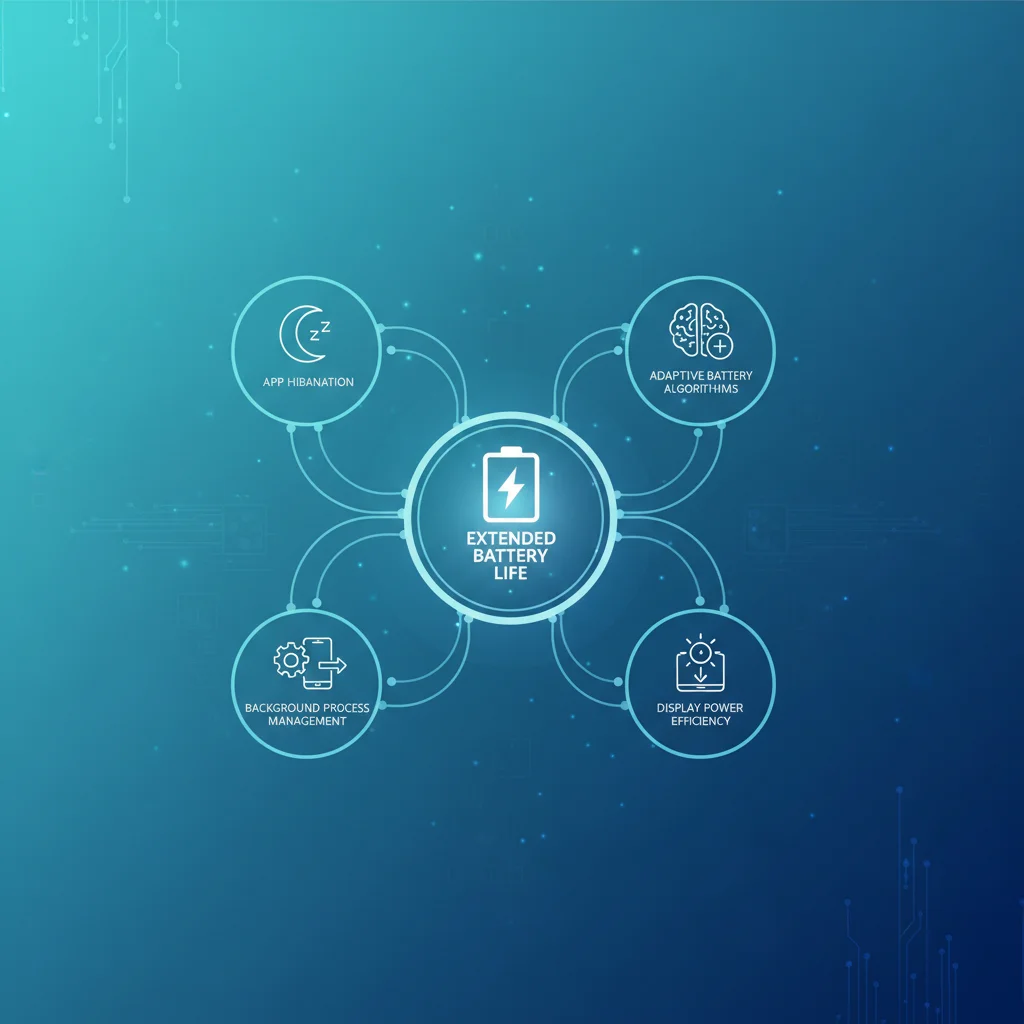
One of the most anticipated features is a significant overhaul of Android’s Adaptive Battery system. Currently, Adaptive Battery learns your app usage patterns to prioritize power for the apps you use most. The 2026 update is expected to take this a step further, incorporating more sophisticated machine learning models. These models will not only learn app usage but also predict user behavior throughout the day, dynamically adjusting CPU frequencies, GPU usage, and network activity based on anticipated needs. For instance, if the system learns you typically don’t use social media apps between 9 AM and 5 PM on weekdays, it might aggressively restrict their background activity during those hours, only to loosen restrictions when your typical usage window approaches. This predictive power management is a game-changer for extending battery life.
Enhanced Background Process Optimization
Background processes are notorious battery drainers. Apps constantly sync data, fetch notifications, and perform various tasks even when not actively in use. The upcoming Android Battery Updates are expected to introduce more stringent and intelligent controls over these background activities. This could involve:
- Smarter App Hibernation: While Android already has app hibernation, the new system might be more aggressive and precise in identifying dormant apps that consume resources unnecessarily. This could involve deep-sleep states for apps not used for extended periods, requiring a manual wake-up or a specific user action to fully reactivate.
- Optimized Network Usage: Background network requests will likely be batched more efficiently, reducing the frequency of radio wake-ups, which are significant power consumers. Instead of multiple apps making individual network calls, the system might consolidate these requests into fewer, more efficient bursts.
- Improved WorkManager Scheduling: Google’s WorkManager API, used by developers to schedule deferrable background tasks, is expected to receive updates that provide more system-level control over execution. This could allow the OS to further optimize when and how these tasks run, prioritizing critical system functions over less important app tasks when battery is low.
Display Power Efficiency Improvements
The display is often the single largest consumer of battery power. While hardware advancements like LTPO panels have made significant strides, software can also play a crucial role. The 2026 updates are rumored to include:
- Dynamic Refresh Rate Optimization: Beyond simply switching between fixed refresh rates (e.g., 60Hz, 120Hz), the system might employ more granular, context-aware adjustments. For example, it could dynamically lower the refresh rate to very low levels (e.g., 1Hz or 10Hz) when displaying static content like text or images, even in apps that typically run at higher refresh rates.
- Adaptive Tone Mapping and Color Management: More efficient algorithms for rendering colors and managing display brightness based on ambient light and content could reduce the power required to illuminate pixels, especially for OLED screens.
The Technology Behind the 15% Boost: Deeper Dive
Achieving a 15% increase in battery life through software alone is no small feat. It requires a multi-faceted approach, touching various layers of the operating system. The upcoming Android Battery Updates are expected to leverage advancements in several key areas:
Kernel-Level Optimizations
The Android kernel, based on Linux, is the core of the operating system. Optimizations at this level can yield significant power savings. Future updates might include:
- Improved CPU Scheduler: A more intelligent CPU scheduler that better allocates tasks to CPU cores, ensuring that less power-hungry cores are used for lighter tasks and that the CPU enters deep sleep states more frequently.
- Enhanced I/O Management: Optimizing how the system reads and writes data to storage can reduce the power consumption of internal components. This includes more efficient caching mechanisms and reduced disk wake-ups.
- Power Gating Improvements: Better control over power gating, allowing unused components (like certain parts of the SoC or peripherals) to be completely powered down when not in use, rather than just being put into a low-power state.
Machine Learning on Device (On-Device AI)
The ability to run complex machine learning models directly on the device, without constant cloud communication, is crucial for privacy and efficiency. These Android Battery Updates will heavily rely on on-device AI to:
- Personalize Power Profiles: Each user has unique usage patterns. On-device AI can create highly personalized power profiles that adapt to individual habits in real-time, offering more precise optimizations than a one-size-fits-all approach.
- Predictive Resource Allocation: As mentioned, predicting when an app will be used or when a user needs specific resources (like camera or GPS) allows the system to pre-emptively manage power, powering up components just before they are needed and powering them down immediately after use.
- Anomaly Detection: AI can identify unusual battery drain patterns caused by misbehaving apps or system bugs, alerting the user and potentially taking corrective action automatically.
Collaboration with Chipset Manufacturers
Google’s closer collaboration with chipset manufacturers like Qualcomm, MediaTek, and potentially even deeper integration with its own Tensor chips, will be key. These partnerships allow for:
- Hardware-Software Co-optimization: Designing software features that can directly leverage specific power-saving capabilities built into the silicon, such as dedicated low-power cores or specialized power management units (PMUs).
- Early Access and Testing: Providing OS developers with early access to new chip architectures allows them to optimize Android for these platforms before they even hit the market, ensuring day-one efficiency.
User Experience: What to Expect from the Android Battery Updates
While the technical details are fascinating, what truly matters to users is the practical impact. The Android Battery Updates in early 2026 are designed to be largely invisible, working in the background to extend your device’s uptime without requiring constant manual intervention.
Longer Days, Less Charging Anxiety
The most immediate and noticeable benefit will be the extended usage time. For a device that currently lasts 10 hours, a 15% increase means an additional 1.5 hours, pushing it to 11.5 hours. For many, this could mean comfortably getting through an entire day without needing a midday top-up, or even stretching usage into a second day for lighter users. This reduction in charging anxiety is a significant quality-of-life improvement.
Seamless Performance
Unlike older battery-saving modes that often crippled performance, these new optimizations aim to maintain a smooth and responsive user experience. The intelligence built into the system means that power will be conserved without unnecessarily slowing down app launches, transitions, or gaming performance. The system will learn when to save power and when to unleash full performance.
Slightly Refined Battery Settings
While much of the work will be automatic, users might see some refined options within the battery settings. These could include more detailed insights into what’s consuming power, more granular controls over app background activity (for advanced users), and potentially new ‘smart’ power-saving modes that adapt more aggressively based on learned patterns or calendar events.
Improved Device Longevity
Extended battery life also indirectly contributes to the overall longevity of your device. Less frequent charging cycles put less strain on the battery’s chemical components, potentially prolonging its lifespan and maintaining its capacity for longer. This is a win for both consumers and the environment.
Preparing Your Device for the Android Battery Updates
To fully capitalize on the upcoming Android Battery Updates, there are a few steps you can take to ensure your device is ready and optimized. While the core benefits will be delivered through the update itself, a well-maintained device will always perform better.
Keep Your Software Up-to-Date (Even Now)
Ensure your current Android version and all your apps are updated. Manufacturers often release smaller, incremental updates that lay the groundwork for larger system changes. Keeping everything current ensures compatibility and that your device is in the best possible state to receive the major early 2026 update.
Review Your App Usage
Even with advanced optimizations, uninstalling unused apps is always a good practice. Regularly check your app drawer for applications you haven’t touched in months. These apps can still consume background resources or receive updates that unnecessarily drain data and battery.
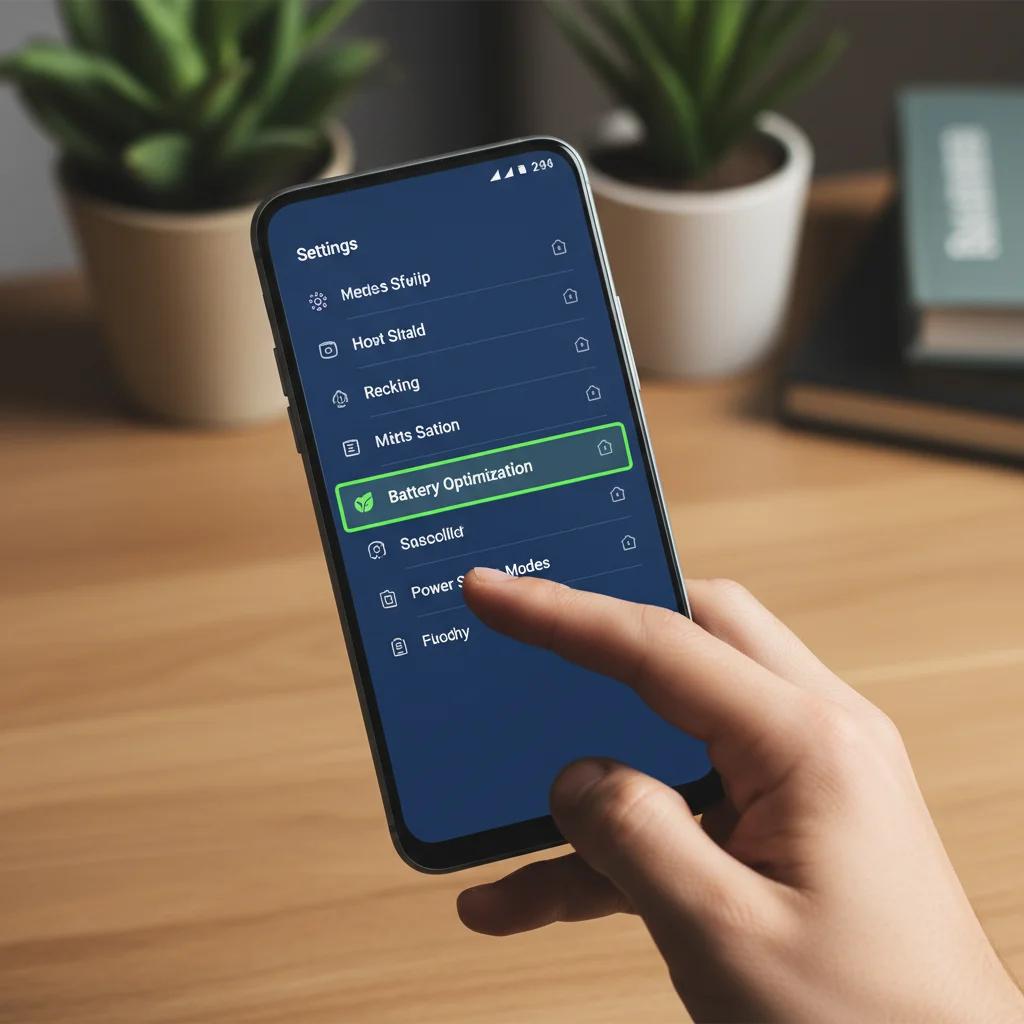
Utilize Existing Battery Optimization Features
Familiarize yourself with your current device’s battery settings. Most Android phones already offer features like Adaptive Battery, App Standby, and various power-saving modes. Actively using these now can help the system learn your patterns, potentially making the transition to the new, more advanced features even smoother.
Monitor for Anomalies
After the update rolls out, pay attention to your battery usage statistics. While the goal is improvement, software updates can sometimes introduce unforeseen issues. If you notice unusual drain from a specific app or system component, report it to your device manufacturer or Google. This feedback helps refine future updates.
The Road Ahead: What to Expect Post-Update
The early 2026 Android Battery Updates are expected to be a significant milestone, but the journey of optimization never truly ends. Post-update, we can anticipate a few things:
Phased Rollouts
As with all major Android updates, the rollout will likely be phased. Google Pixel devices will typically receive it first, followed by other Android manufacturers like Samsung, OnePlus, Xiaomi, etc., after they adapt the update for their respective skins and hardware. Patience will be key.
Developer Adaptation
App developers will also play a crucial role. While the OS will provide system-level optimizations, developers who embrace the new APIs and guidelines for background tasks, network usage, and power management will ensure their apps run as efficiently as possible on the updated Android platform. Users should look for app updates that mention optimizations for the new Android version.
Continuous Improvement
Battery optimization is an ongoing process. Even after this major update, Google will likely continue to refine algorithms and introduce further enhancements in subsequent Android versions. The 15% boost is a significant leap, but it’s part of a continuous commitment to improving the Android user experience.
Conclusion: A Brighter, Longer-Lasting Android Future
The prospect of gaining an additional 15% battery life through software updates is incredibly exciting for Android users worldwide. The anticipated early 2026 Android Battery Updates represent a significant step forward in mobile power efficiency, driven by advanced AI, deeper system-level optimizations, and collaborative efforts across the industry. This isn’t just about making phones last longer; it’s about enhancing productivity, reducing environmental impact through potentially longer device lifespans, and ultimately providing a more reliable and enjoyable mobile experience.
As we approach 2026, keeping an eye on official announcements from Google and your device manufacturer will be crucial. Prepare your device, stay updated, and get ready to experience an Android ecosystem where battery anxiety becomes a thing of the past. The future of mobile power is looking significantly brighter, and longer-lasting, than ever before.