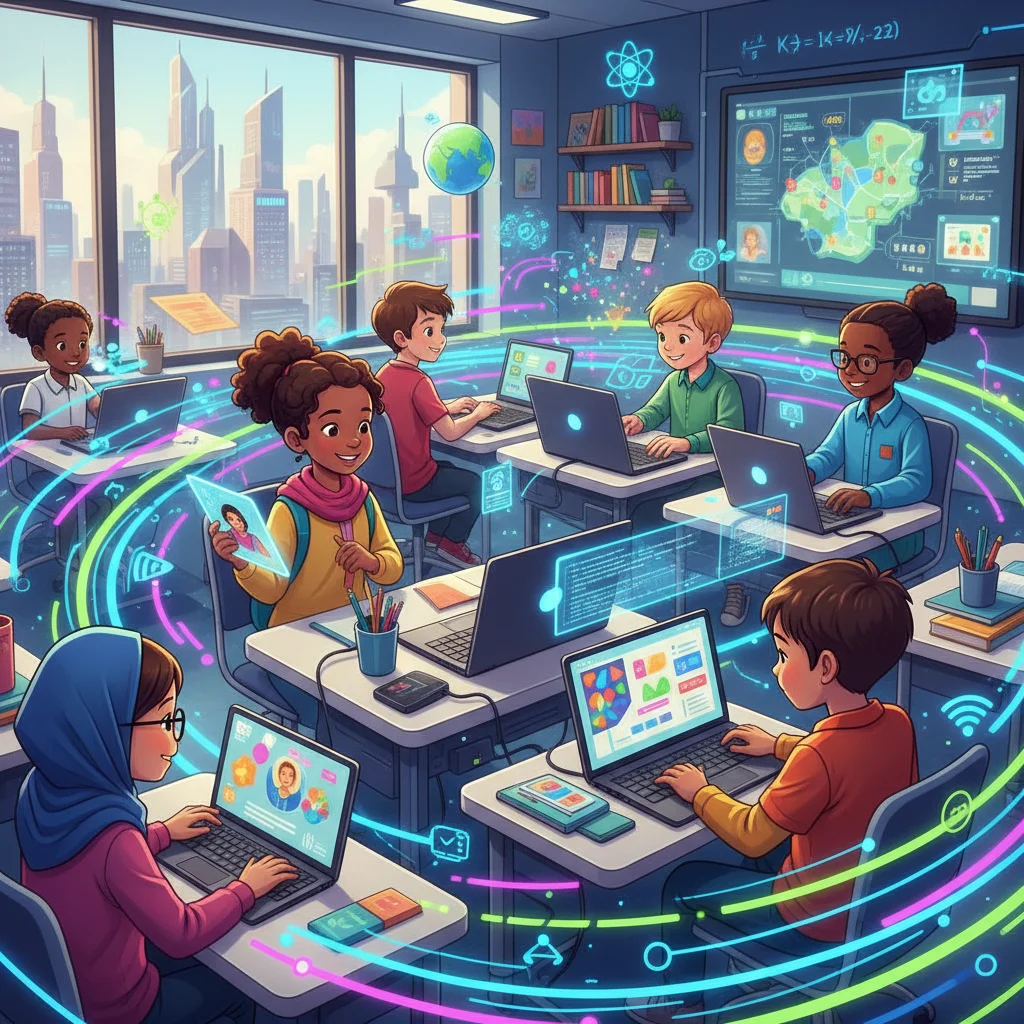
The Future of Education: Recent Updates on How K-12 Schools in the U.S. are Adapting to a 40% Increase in Online Learning Tools
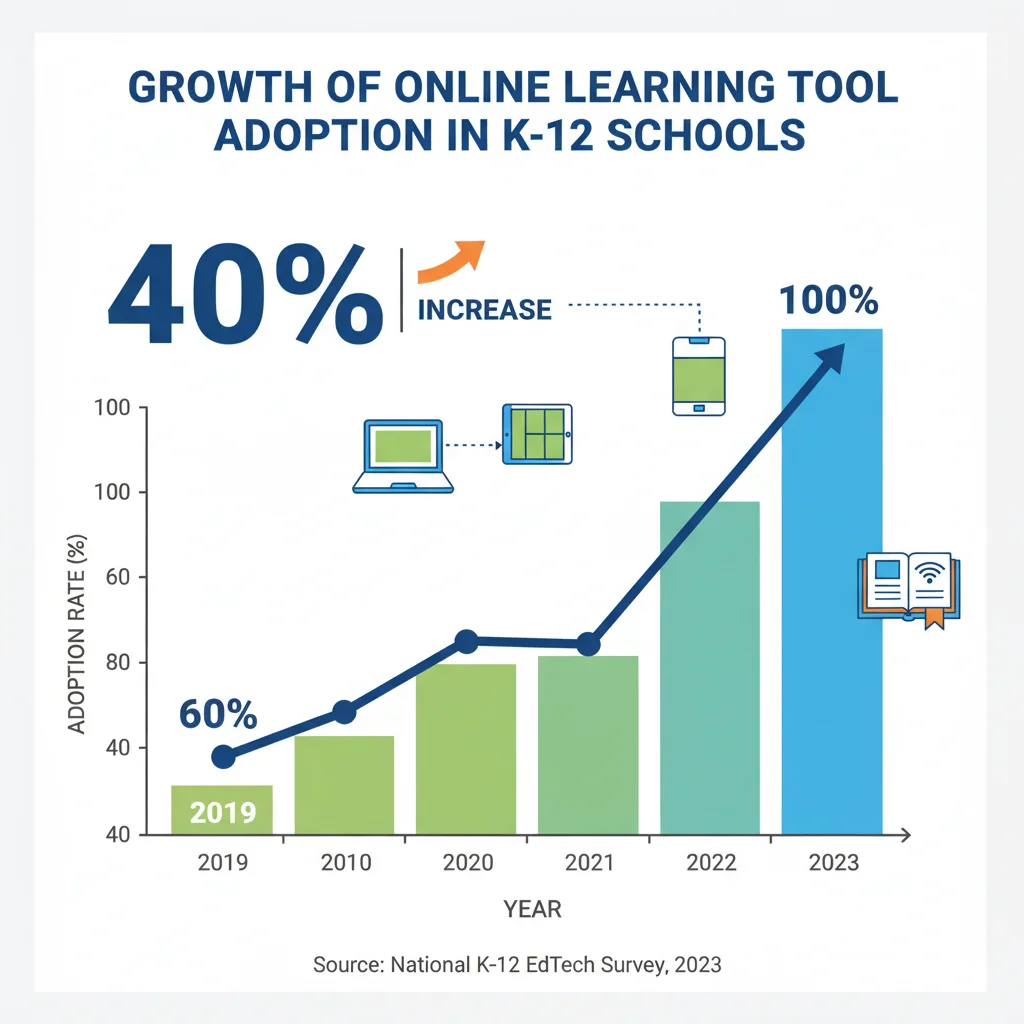
The landscape of K-12 education in the United States is undergoing a profound transformation, driven largely by the accelerating adoption of online learning tools. What was once a supplemental resource or a niche approach has rapidly become an integral component of the educational ecosystem. Recent data indicates a staggering 40% increase in the utilization of online learning tools across K-12 schools, a shift that presents both immense opportunities and significant challenges for educators, students, parents, and policymakers alike. This article delves into the recent updates, adaptations, and future outlook of K-12 online learning, exploring how schools are navigating this digital revolution.
Understanding the Surge in K-12 Online Learning Adoption
The dramatic increase in K-12 online learning tool adoption isn’t merely a post-pandemic ripple effect; it’s a testament to a broader recognition of technology’s potential to enhance and diversify educational delivery. While the COVID-19 pandemic undoubtedly accelerated this trend, the underlying drivers are more complex, encompassing advancements in educational technology (edtech), evolving pedagogical approaches, and a growing demand for flexible and personalized learning experiences. Schools are investing in a wide array of tools, from learning management systems (LMS) and virtual collaboration platforms to interactive digital textbooks and AI-powered tutoring software. This expansion signifies a strategic pivot towards a more resilient and adaptable educational model.
Key Factors Driving the 40% Increase
- Technological Advancements: The sophistication and user-friendliness of edtech tools have improved dramatically. AI, machine learning, and cloud computing are making online learning more interactive, personalized, and accessible than ever before.
- Flexibility and Accessibility: Online tools offer unprecedented flexibility, allowing students to learn at their own pace and access resources from anywhere. This is particularly beneficial for students in remote areas, those with health considerations, or those requiring differentiated instruction.
- Personalized Learning Pathways: Digital platforms enable educators to tailor content and assignments to individual student needs, fostering a more personalized learning experience that can address diverse learning styles and paces.
- Data-Driven Insights: Online tools provide rich data on student performance and engagement, allowing teachers to identify areas where students might be struggling and intervene proactively.
- Preparedness for Disruptions: The pandemic highlighted the critical need for schools to be prepared for unforeseen disruptions. Robust K-12 online learning infrastructure ensures continuity of education during emergencies.
Adapting Pedagogical Approaches for Digital Environments
The integration of online tools necessitates a fundamental shift in teaching methodologies. Traditional classroom strategies often don’t translate directly to digital spaces. Educators are therefore undergoing extensive professional development to master new pedagogical approaches suitable for K-12 online learning environments. This includes strategies for fostering engagement in virtual settings, designing effective online assignments, utilizing digital assessment tools, and managing blended learning models where online and in-person instruction are seamlessly integrated.
Teacher Training and Professional Development
A critical component of successful K-12 online learning integration is robust teacher training. Schools are investing heavily in programs that equip educators with the skills to:
Advertisements
- Effectively navigate and utilize various online learning platforms.
- Design engaging and interactive digital lessons.
- Implement formative and summative assessments in online contexts.
- Foster a sense of community and collaboration among students in virtual spaces.
- Address digital equity issues and support students with varying levels of technological access and literacy.
The goal is not just to use technology, but to leverage it to enhance learning outcomes and create richer educational experiences. This focus on pedagogical adaptation is crucial for maximizing the benefits of the 40% increase in K-12 online learning tool adoption.
Challenges and Solutions in the Digital Shift
While the benefits of increased K-12 online learning are clear, the transition is not without its hurdles. Schools are grappling with issues ranging from digital equity to teacher burnout and maintaining student engagement in virtual settings.
Addressing the Digital Divide
One of the most pressing challenges is ensuring equitable access to technology and reliable internet connectivity for all students. The digital divide remains a significant barrier, particularly in underserved communities. Schools and districts are implementing various strategies to bridge this gap:
- Device Provision: Providing laptops, tablets, or hotspots to students who lack them at home.
- Community Partnerships: Collaborating with local governments, non-profits, and internet service providers to expand affordable broadband access.
- Public Access Points: Establishing Wi-Fi hotspots in community centers, libraries, and school parking lots.
These initiatives are vital to ensure that the surge in K-12 online learning doesn’t inadvertently widen educational disparities.
Maintaining Student Engagement and Well-being
Keeping students engaged and motivated in an online environment can be challenging, especially for younger learners. Schools are exploring innovative ways to combat screen fatigue and promote student well-being:
- Interactive Content: Utilizing gamification, virtual reality (VR), and augmented reality (AR) to make lessons more immersive.
- Breaks and Movement: Incorporating regular breaks and opportunities for physical activity.
- Social-Emotional Learning (SEL): Integrating SEL programs to help students develop coping mechanisms, build resilience, and maintain social connections.
- Parental Involvement: Engaging parents and guardians as partners in the online learning process, providing resources and support.

Innovative K-12 Online Learning Tools and Their Impact
The 40% increase in online learning tool adoption is fueled by a burgeoning edtech market offering increasingly sophisticated solutions. These tools are not just replicating traditional classroom activities online; they are introducing entirely new possibilities for learning.
Learning Management Systems (LMS)
LMS platforms like Canvas, Google Classroom, and Schoology have become central hubs for K-12 online learning. They facilitate content delivery, assignment submission, grading, communication, and collaboration. Their continued evolution includes enhanced analytics, integration with other educational apps, and more intuitive user interfaces.
Virtual and Augmented Reality (VR/AR) in Education
VR and AR are transforming K-12 online learning by providing immersive experiences that were previously impossible. Students can take virtual field trips to ancient civilizations, dissect virtual frogs, or explore the human body in 3D. These technologies make abstract concepts tangible and significantly boost engagement.
AI-Powered Adaptive Learning Platforms
Artificial intelligence is at the forefront of personalized K-12 online learning. Adaptive learning platforms use AI to analyze student performance, identify strengths and weaknesses, and then tailor content and exercises to meet individual needs. This ensures that every student receives instruction at their optimal pace and level of difficulty.
Collaborative Tools and Interactive Whiteboards
Tools like Zoom, Microsoft Teams, and interactive whiteboards facilitate real-time collaboration and communication, mimicking the dynamic interactions of a physical classroom. These platforms enable group projects, live discussions, and shared problem-solving, essential components of effective K-12 online learning.
Policy and Funding: Supporting the Digital Transition
The rapid shift towards K-12 online learning has also prompted significant policy discussions and funding initiatives at both federal and state levels. Recognizing the long-term implications of this educational transformation, governments are stepping up to provide resources and guidance.
Federal Initiatives and Funding
The U.S. government has allocated substantial funds through various acts to support technology integration in schools, including initiatives aimed at bridging the digital divide and enhancing K-12 online learning infrastructure. These funds are crucial for districts to invest in devices, broadband access, teacher training, and new edtech solutions.
State-Level Policies and Frameworks
States are developing comprehensive policies and frameworks for K-12 online learning, addressing issues such as accreditation for virtual schools, standards for online course content, data privacy and security, and guidelines for blended learning models. These policies aim to ensure quality and equity in digital education.
The Blended Learning Model: The New Standard for K-12 Education
As schools adapt to the 40% increase in K-12 online learning tool adoption, many are moving towards a blended learning model. This approach strategically combines face-to-face instruction with online learning activities, leveraging the strengths of both. Blended learning offers flexibility, personalization, and opportunities for differentiated instruction, making it a highly effective model for modern education.
Benefits of Blended Learning
- Increased Flexibility: Students can complete some assignments online at their own pace, freeing up classroom time for deeper discussions and collaborative projects.
- Personalized Instruction: Teachers can use online tools to deliver targeted interventions or enrichment activities based on individual student needs.
- Enhanced Engagement: The variety of learning modalities can keep students more engaged and cater to different learning preferences.
- Skill Development: Students develop crucial 21st-century skills such as digital literacy, self-direction, and independent learning.
The blended learning model is not just a temporary solution but a foundational shift that is redefining the K-12 educational experience in the U.S.
Impact on Student Outcomes and Equity
The ultimate goal of integrating K-12 online learning tools is to improve student outcomes and promote educational equity. While research is ongoing, initial findings suggest several positive impacts.
Improved Academic Performance
When implemented effectively, K-12 online learning can lead to improved academic performance, particularly through personalized learning pathways and immediate feedback mechanisms. Students who might struggle in a traditional classroom setting can thrive in an online environment that caters to their specific needs.
Development of 21st-Century Skills
Engaging with online learning tools helps students develop essential digital literacy skills, critical thinking, problem-solving, and self-regulation. These are vital competencies for success in higher education and the modern workforce.
Addressing Learning Gaps
Online tools can be particularly effective in identifying and addressing learning gaps. Diagnostic assessments embedded in platforms can pinpoint areas where students need additional support, allowing teachers to provide targeted interventions.
The Role of Parents and Community in K-12 Online Learning
The success of K-12 online learning is not solely dependent on schools and students; parents and the wider community play a crucial supporting role. As digital learning becomes more prevalent, effective communication and collaboration between home and school are more important than ever.
Parental Engagement and Support
Parents are often the primary facilitators of K-12 online learning at home, especially for younger students. Schools are providing resources, workshops, and clear communication channels to help parents understand and support their children’s digital learning journey. This includes guidance on setting up conducive learning environments, monitoring screen time, and fostering independent learning habits.
Community Resources and Partnerships
Libraries, community centers, and local businesses are increasingly becoming valuable partners in supporting K-12 online learning. They offer access to technology, internet, and tutoring services, extending the reach of educational resources beyond the school walls. These partnerships are essential for creating a comprehensive support system for students engaging in digital education.
Looking Ahead: The Future of K-12 Online Learning
The 40% increase in K-12 online learning tool adoption is not a temporary phenomenon; it represents a fundamental shift in how education is delivered and consumed. The future of K-12 education will undoubtedly be characterized by a more integrated and technology-rich learning environment.
Continued Innovation in Edtech
We can expect continued innovation in edtech, with new tools emerging that offer even more personalized, adaptive, and immersive learning experiences. AI and machine learning will play an increasingly significant role in tailoring education to individual student needs, making K-12 online learning even more effective.
Emphasis on Hybrid and Flexible Models
The blended learning model will likely become the norm, with schools offering a variety of hybrid and flexible options that cater to diverse student populations and learning preferences. This flexibility will allow students to move seamlessly between in-person and online learning as needed.
Focus on Digital Citizenship and Safety
As K-12 online learning becomes more pervasive, there will be an increased emphasis on digital citizenship, online safety, and media literacy. Schools will need to educate students not only on how to use digital tools but also on how to use them responsibly and safely.
Global Collaboration and Resource Sharing
Online platforms facilitate global collaboration, allowing students and educators to connect with peers and resources worldwide. This opens up new avenues for cross-cultural learning and shared educational experiences, enriching the K-12 online learning landscape.
Conclusion
The 40% increase in K-12 online learning tool adoption marks a pivotal moment in American education. While the journey is complex and requires continuous adaptation, the commitment of schools, educators, parents, and policymakers to embrace this digital transformation is evident. By addressing challenges such as digital equity, investing in teacher training, and leveraging innovative technologies, K-12 schools are not just reacting to change but actively shaping a future where education is more accessible, personalized, and effective for every student. The ongoing evolution of K-12 online learning promises a dynamic and engaging educational experience that prepares students for the challenges and opportunities of the 21st century.