Digital Nomadism 2026: Growth, Impact & Future Trends in the US
Digital Nomadism in 2026: A Societal Analysis of Its 15% Growth and Impact on U.S. Community Structures
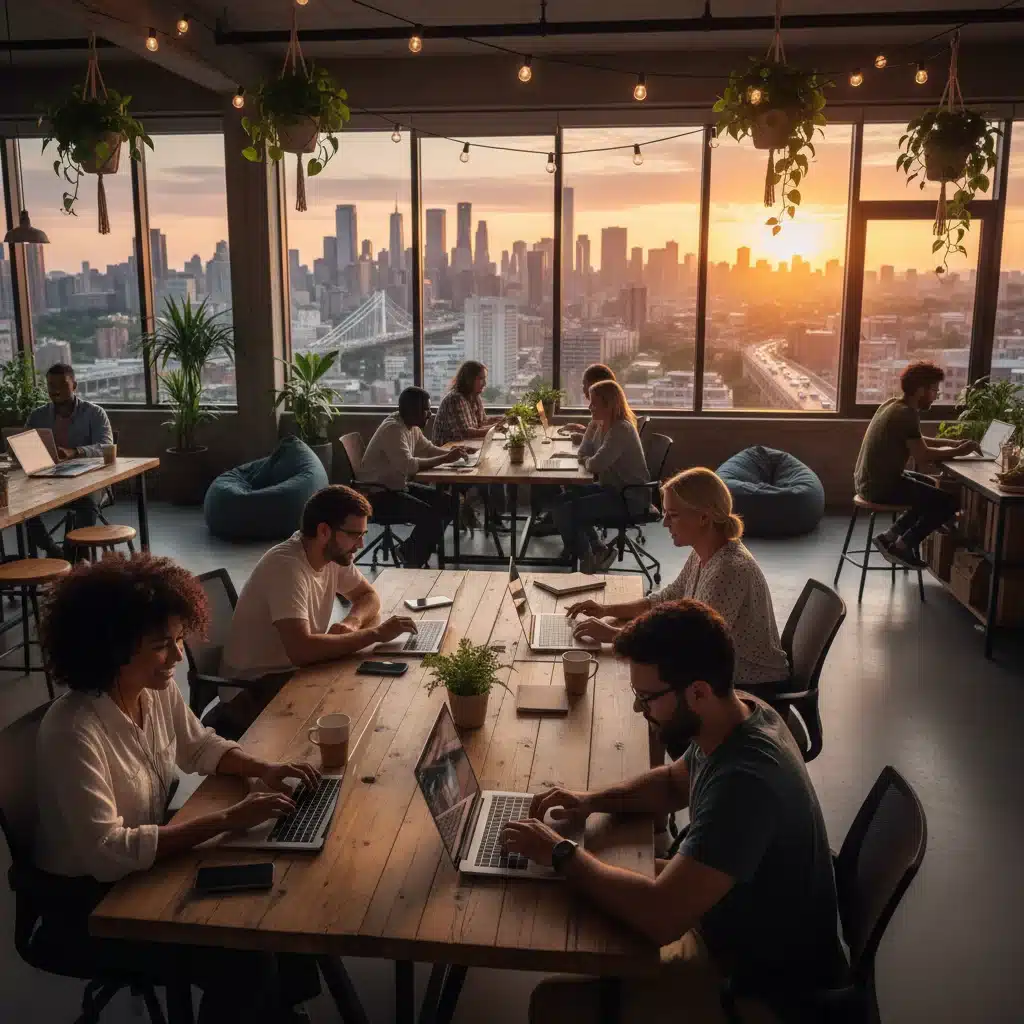
The landscape of work, life, and community is undergoing a profound transformation, spearheaded by the relentless rise of remote work and the adventurous spirit of the digital nomad. As we approach 2026, projections indicate a significant 15% growth in the digital nomad population, a trend that promises to reshape not just individual careers but the very fabric of U.S. community structures. This isn’t merely a shift in employment models; it’s a societal evolution with far-reaching implications for urban planning, local economies, social cohesion, and individual well-being. Understanding this surge in digital nomadism 2026 is crucial for policymakers, businesses, and communities alike.
For decades, the traditional work model anchored individuals to specific geographic locations, fostering stable, localized communities. However, the advent of high-speed internet, cloud computing, and a globalized economy has untethered many professionals from these constraints. The COVID-19 pandemic acted as an unforeseen accelerator, forcing millions into remote work arrangements and revealing the viability and often the desirability of location-independent careers. This unprecedented experiment proved that productivity doesn’t always require a physical office, paving the way for the exponential growth of digital nomadism 2026.
The Trajectory of Digital Nomadism: A 15% Growth Forecast
The 15% growth projection for the digital nomad population by 2026 is not an arbitrary figure; it’s a reflection of several converging factors. Technologically, advancements in collaboration tools, AI-powered assistants, and enhanced cybersecurity measures continue to make remote work more efficient and secure. Economically, companies are realizing the cost-saving benefits of reduced office space and access to a wider talent pool, while individuals seek lower costs of living, greater flexibility, and enhanced work-life balance. Societally, there’s a growing desire for experiences over possessions, and the digital nomad lifestyle offers an unparalleled opportunity for exploration and personal growth.
Advertisements
This growth is fueled by a diverse demographic. While often stereotyped as young, single millennials, the digital nomad community now includes families, older professionals seeking a ‘second act,’ and individuals from a variety of industries, from tech and marketing to education and healthcare. This diversity enriches the movement and broadens its impact, making the phenomenon of digital nomadism 2026 a multifaceted challenge and opportunity.
Redefining Community: The Impact on U.S. Structures
The influx of digital nomads has a tangible and often complex impact on U.S. community structures. Traditionally, communities were built around shared workplaces, schools, and local institutions. Digital nomads, by their very nature, often defy these traditional anchors, leading to both positive and challenging outcomes for the places they inhabit.
Economic Revitalization in Rural and Suburban Areas
One of the most significant impacts is the economic revitalization of rural and suburban areas. As nomads seek lower costs of living and a slower pace, they often migrate from expensive urban centers to smaller towns. This influx brings new capital, supports local businesses, and can even reverse population decline. Small coffee shops become co-working hubs, local restaurants see increased patronage, and service industries (from childcare to home repair) find new customers. This shift can breathe new life into areas previously struggling with economic stagnation, making the study of digital nomadism 2026 particularly relevant for regional development.
However, this revitalization isn’t without its downsides. Increased demand for housing can drive up rental and property prices, making it difficult for long-term residents, especially those with lower incomes, to afford to stay in their communities. This gentrification can alter the social fabric, creating tensions between newcomers and established populations. Understanding these dynamics is crucial for fostering equitable growth.
The Transformation of Urban Centers
Major urban centers, while still attractive to many, are experiencing a different kind of transformation. Some digital nomads ‘base’ themselves in cities for periods, enjoying cultural amenities before venturing elsewhere. This transient population can support the gig economy and inject vitality into cultural scenes. Conversely, some cities are seeing a slight decrease in permanent residents as individuals choose more affordable, remote-friendly locations, potentially impacting tax bases and the demand for commercial real estate. The future of urban planning must consider the flexible nature of digital nomadism 2026.
Infrastructure Demands and Opportunities
The rise of digital nomadism places new demands on infrastructure. Reliable high-speed internet is no longer a luxury but a necessity, and communities vying for digital nomad residents are investing heavily in broadband expansion. There’s also a growing need for flexible housing options, co-working spaces, and community-building initiatives tailored to a transient population. Public transportation, healthcare services, and recreational facilities also feel the strain or benefit from increased usage, depending on the scale of the influx.
Social Cohesion and Identity in a Transient World
The transient nature of digital nomadism raises important questions about social cohesion and community identity. If a significant portion of a community’s residents are temporary, how does this impact local engagement, volunteerism, and the development of shared values? While digital nomads often form their own networks, integrating them into existing community structures can be a challenge.
On the positive side, digital nomads often bring diverse perspectives, skills, and global experiences that can enrich local culture and foster innovation. They might introduce new ideas, support local arts, or volunteer their professional skills for community projects. The key lies in creating intentional pathways for integration, fostering a sense of belonging rather than just transience. 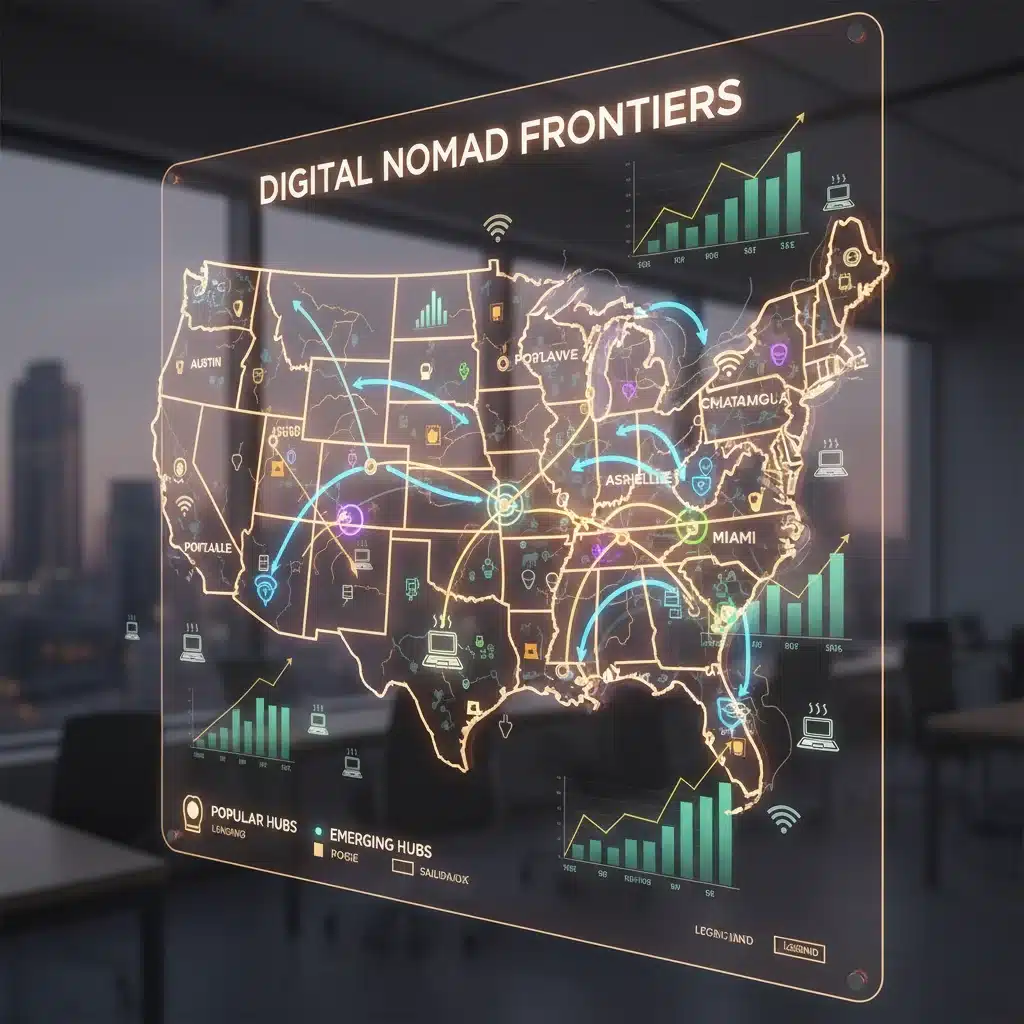
The Role of Local Governance and Policy
Local governments are increasingly recognizing the need to adapt to the realities of digital nomadism 2026. Some cities and states are actively courting digital nomads with incentive programs, such as cash grants for relocation or dedicated co-working facilities. Others are focusing on improving infrastructure and creating welcoming environments. Policies around short-term rentals, taxation, and zoning are all being re-evaluated to accommodate this evolving demographic. The goal is to maximize the economic benefits while mitigating potential negative social impacts like gentrification and strain on public services.
The Psychological and Lifestyle Shifts of Digital Nomadism
Beyond community structures, digital nomadism profoundly impacts the individuals living this lifestyle. The freedom and flexibility are often cited as primary motivators, leading to reduced stress and increased job satisfaction for many. The opportunity to travel and experience diverse cultures enriches personal lives and broadens worldviews. However, this lifestyle also comes with its own set of challenges.
Mental Health and Well-being
While often romanticized, the digital nomad lifestyle can lead to feelings of loneliness, isolation, and burnout. Constantly adapting to new environments, navigating cultural differences, and lacking a stable social support system can take a toll on mental health. The blurred lines between work and life, often exacerbated by different time zones and self-management, can lead to overwork. Addressing these mental health aspects is crucial for the sustainable growth of digital nomadism 2026.
Building and Maintaining Relationships
Maintaining long-term relationships, both romantic and platonic, can be challenging for digital nomads. The transient nature means frequent goodbyes and the effort required to continuously build new connections. While online communities and digital tools help, they don’t always replace face-to-face intimacy and shared history. Nomads often develop a strong sense of community within their own global network, but balancing this with local integration is an ongoing process.
Financial Planning and Stability
Despite the allure of lower living costs, financial planning for digital nomads can be complex. Income streams might be variable, tax obligations can be intricate across different jurisdictions, and access to healthcare and social security benefits can be less straightforward than for traditionally employed individuals. The industry is responding with specialized financial services, insurance products, and legal advice tailored to the unique needs of this demographic, highlighting the maturing ecosystem around digital nomadism 2026.
The Future of Work and Society: Beyond 2026
The 15% growth in digital nomadism by 2026 is not an endpoint but a significant milestone in a larger societal shift. The trends we observe now will continue to evolve, shaping the future of work, education, and community for decades to come.
Hybrid Models and Flexible Work
The pure digital nomad lifestyle might not be for everyone, but its influence is undeniable. We are likely to see an increase in hybrid work models, where individuals split their time between a home base and periods of remote work from different locations. Companies will continue to offer more flexible arrangements, recognizing that empowering employees with autonomy over their location and schedule can boost morale and productivity. This flexibility will become a standard expectation for many professionals, driven by the success stories of digital nomadism 2026.
Education and Skill Development
The rise of digital nomadism also impacts education. There’s a growing demand for skills that enable location-independent work, such as digital marketing, programming, content creation, and online entrepreneurship. Educational institutions and online platforms are adapting to offer more flexible, self-paced learning opportunities that cater to individuals seeking to acquire or refine these skills. Lifelong learning becomes even more critical in a rapidly changing global economy.
Environmental Considerations
The environmental impact of increased travel associated with digital nomadism is a growing concern. While remote work can reduce daily commuting emissions, frequent flights contribute to carbon footprints. The movement is increasingly conscious of sustainable travel practices, seeking slower travel, eco-friendly accommodations, and supporting local, environmentally responsible businesses. The future of digital nomadism 2026 will increasingly intertwine with sustainable living and travel principles.
Technological Innovations on the Horizon
Looking ahead, technological innovations will continue to shape the digital nomad experience. Augmented reality (AR) and virtual reality (VR) could create even more immersive remote collaboration experiences, reducing the need for constant physical travel while enhancing connection. AI will further streamline tasks, making remote work more efficient. Starlink and similar satellite internet services promise to bring high-speed connectivity to even the most remote corners of the globe, opening up new possibilities for where nomads can live and work. 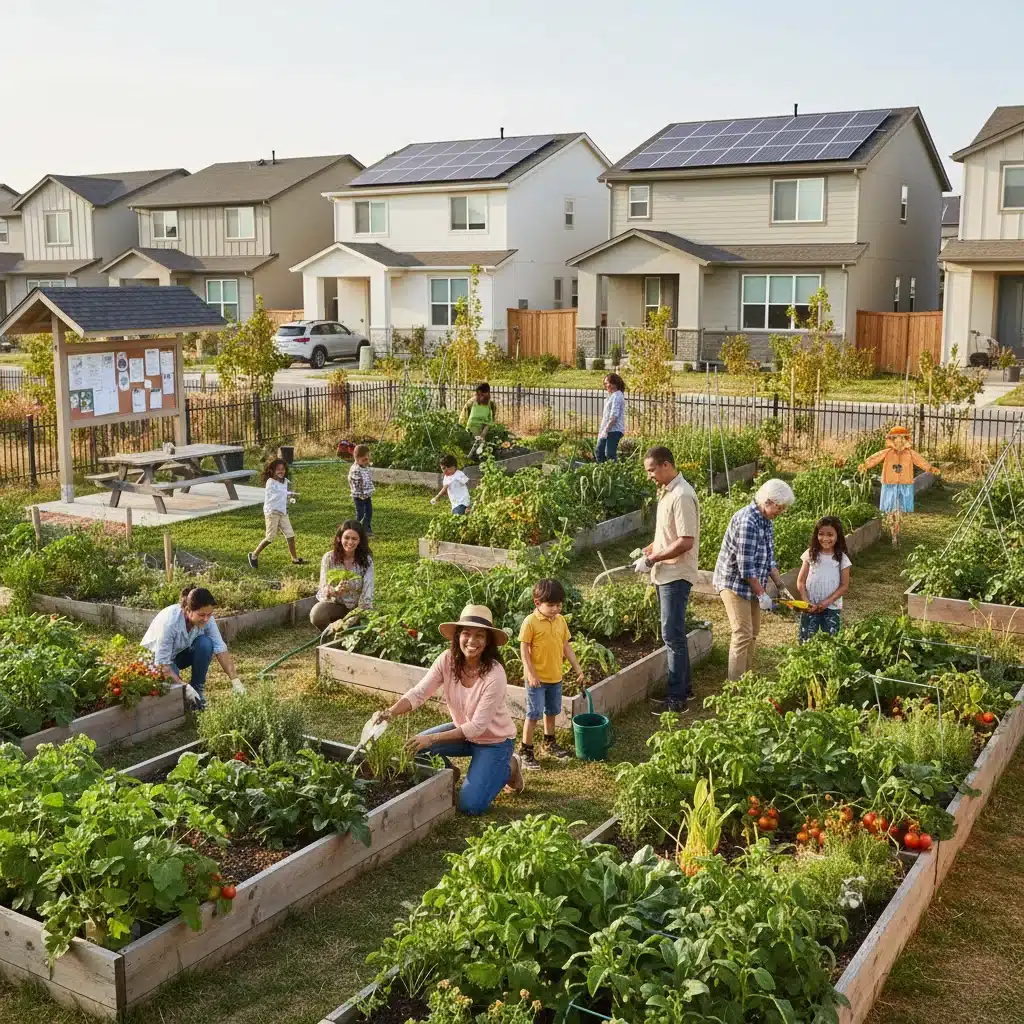
Conclusion: Embracing the Evolving Landscape
The projected 15% growth in digital nomadism 2026 is more than just a statistic; it’s a harbinger of a new era. This societal shift presents both immense opportunities and significant challenges for U.S. communities and individuals. From economic revitalization in overlooked regions to the complex interplay of transient populations and established residents, the impacts are multifaceted.
Successfully navigating this evolving landscape requires foresight, adaptability, and intentional policy-making. Communities must consider how to attract and integrate digital nomads while preserving their unique character and ensuring equitable outcomes for all residents. Businesses must continue to embrace flexible work models and support their remote workforce. And individuals considering this lifestyle must prepare not only for the freedom it offers but also for its inherent complexities.
As we move towards 2026 and beyond, digital nomadism will continue to push the boundaries of traditional work and community. By understanding its drivers, impacts, and future trajectory, we can collectively work towards building more resilient, inclusive, and dynamic societies that thrive in this increasingly mobile and interconnected world.