Bridging Social Gaps: Post-Pandemic Solutions for a Connected U.S. Society
Navigating the New Normal: Practical Solutions for Bridging Social Gaps in a Post-Pandemic U.S. Society
The COVID-19 pandemic irrevocably altered the fabric of American society. Beyond the immediate health crisis, it exposed and exacerbated deep-seated social divides, leading to increased isolation, economic disparity, and a fragmentation of community bonds. As the United States continues to navigate this ‘new normal,’ the imperative to address and effectively manage the challenges of bridging social gaps has become more critical than ever. This comprehensive article will explore the multifaceted nature of these gaps and propose actionable, practical solutions designed to foster greater connection, equity, and resilience across the nation.
Understanding the Widening Chasm: The Pandemic’s Impact on Social Cohesion
Before delving into solutions for bridging social gaps, it’s essential to comprehend the extent of the problem. The pandemic, with its mandates for social distancing, remote work, and virtual schooling, inadvertently created an environment ripe for social fragmentation. Existing inequalities were amplified, and new ones emerged, impacting various demographics differently.
Economic Disparities and the Digital Divide
The economic fallout disproportionately affected low-income communities and essential workers. While some transitioned seamlessly to remote work, others faced job losses, reduced hours, or risked their health in frontline roles. This created a stark contrast in experiences and further entrenched economic stratification. Hand-in-hand with economic disparity is the digital divide. Access to reliable internet and appropriate technology became a lifeline for education, work, and social connection during lockdowns. Communities lacking these resources were left further behind, deepening the gap in opportunities and social engagement. Children without internet access struggled with remote learning, adults couldn’t apply for jobs online, and seniors felt even more isolated from family and essential services.
Advertisements
Mental Health Crisis and Increased Isolation
The prolonged periods of isolation, uncertainty, and grief contributed to a significant decline in mental well-being across all age groups. Loneliness, anxiety, and depression became more prevalent, particularly among young people and the elderly. The absence of regular social interactions, community events, and support networks eroded the informal structures that often sustain mental health. For many, the pandemic meant a sudden and drastic reduction in their social circles, leading to a profound sense of disconnection that has lingered even as restrictions have eased. Addressing this mental health crisis is a crucial component of any strategy aimed at bridging social gaps.
Erosion of Trust and Community Bonds
The pandemic also strained social trust, fueled by misinformation, political polarization, and differing views on public health measures. Community gatherings, once cornerstones of social cohesion, became sources of contention or were simply absent. This erosion of trust makes it harder for communities to rally around common goals and collaborate on shared challenges, hindering efforts to rebuild and reconnect. The sense of collective purpose that often defines a strong community was, for many, replaced by individual anxieties and protective measures.
Rebuilding Foundations: Community-Centric Approaches to Bridging Social Gaps
Effective solutions for bridging social gaps must be holistic, community-driven, and adaptable to local contexts. No single approach will suffice; rather, a multi-pronged strategy involving government, community organizations, businesses, and individuals is necessary.
Investing in Public Spaces and Green Infrastructure
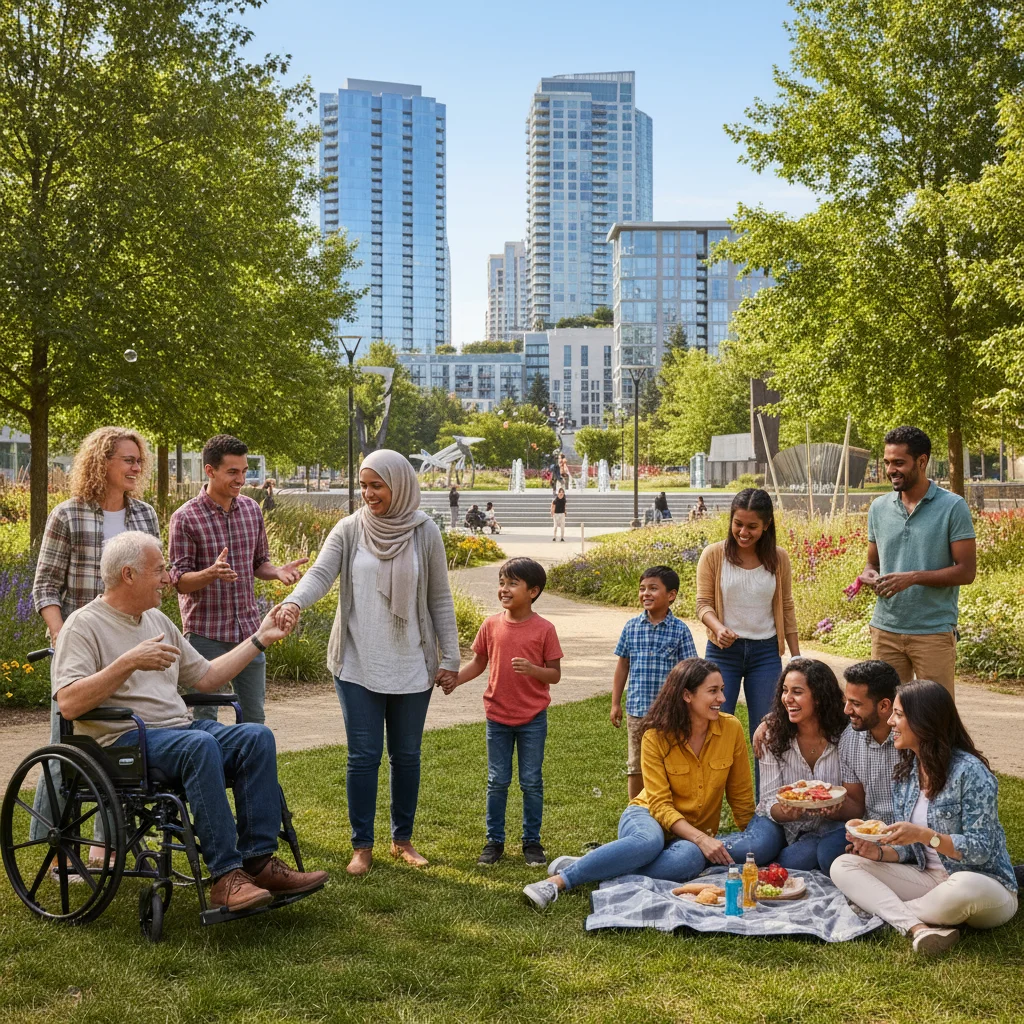
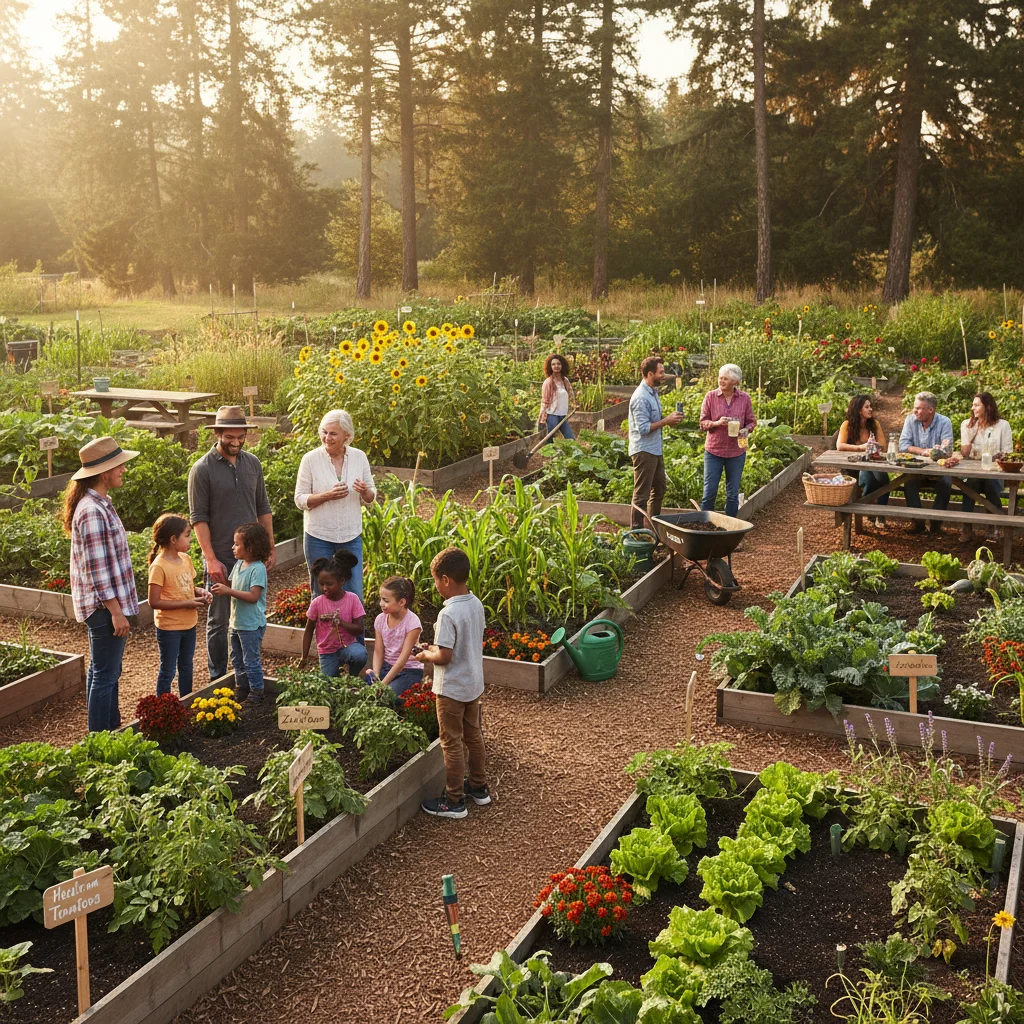
Public spaces are vital for fostering incidental interactions and planned community activities. Parks, libraries, community centers, and even well-designed sidewalks encourage people to gather, converse, and connect. Post-pandemic, there’s an opportunity to revitalize these spaces, making them more inviting, accessible, and equipped for diverse activities. Investing in green infrastructure, such as urban gardens and walkable neighborhoods, not only improves environmental health but also creates natural hubs for social engagement. These spaces provide neutral ground where people from different backgrounds can interact organically, helping to break down barriers and facilitate the process of bridging social gaps.
Strengthening Local Community Organizations
Local non-profits, faith-based organizations, and civic groups are often the backbone of community support. They understand local needs and can tailor programs to specific populations. Increased funding, volunteer support, and collaborative networks for these organizations can significantly enhance their capacity to host events, provide services, and create opportunities for social interaction. Programs that bring together different age groups or cultural backgrounds for shared activities can be particularly effective in fostering understanding and empathy. Supporting these grassroots efforts is paramount for truly bridging social gaps at the local level.
Promoting Intergenerational Programs
The pandemic often isolated older adults while disrupting the social development of younger generations. Intergenerational programs, which pair seniors with youth for mentorship, shared learning, or recreational activities, can address both issues simultaneously. These programs build empathy, transfer knowledge, and create meaningful connections across age groups, enriching the lives of all participants. Imagine a program where high school students teach seniors how to use new technology, or where elders share stories and life skills with young children. Such initiatives are powerful tools for bridging social gaps and fostering mutual respect.
Leveraging Technology Responsibly for Connection
While technology sometimes contributed to isolation, it also offers immense potential for bridging social gaps when used thoughtfully and equitably.
Expanding Digital Inclusion and Literacy Programs
The digital divide remains a significant barrier to social and economic participation. Governments and private entities must collaborate to expand affordable broadband access to all communities, particularly rural and low-income areas. Beyond access, digital literacy programs are crucial. These programs should teach essential computer skills, online safety, and how to use digital platforms for social connection, job searching, and accessing services. Libraries and community centers can serve as vital hubs for these initiatives. Ensuring everyone has the skills and tools to participate in the digital world is a foundational step in bridging social gaps.

Facilitating Virtual Community Platforms and Events
Even as in-person interactions resume, virtual platforms can complement and extend community reach. Online forums, social media groups, and virtual events can connect people with shared interests who might not otherwise meet due to geographical distance, mobility issues, or busy schedules. These platforms can be particularly useful for niche communities or support groups. The key is to design and moderate these spaces to be inclusive, respectful, and genuinely foster connection, rather than just passive consumption. Thoughtful integration of virtual and physical spaces is a modern approach to bridging social gaps.
Utilizing Telehealth and Remote Support Services
Telehealth services proved invaluable during the pandemic for mental health support and medical care. Continuing to invest in and expand these services, particularly in underserved areas, can reduce barriers to access and ensure that individuals receive the care they need, which in turn supports their overall social well-being. Remote support groups and counseling can reach individuals who might be hesitant or unable to attend in-person sessions, providing a crucial lifeline for those struggling with isolation or mental health challenges. This accessibility is vital for effectively bridging social gaps in health and wellness.
Policy and Systemic Changes for a More Equitable Society
Sustainable solutions for bridging social gaps require more than just individual or community efforts; they demand systemic changes and supportive public policies.
Investing in Affordable Housing and Mixed-Income Communities
Housing segregation often correlates with social and economic segregation. Policies that promote affordable housing initiatives and encourage the development of mixed-income communities can naturally foster greater interaction and understanding among different socioeconomic groups. When people from diverse backgrounds live in closer proximity, opportunities for shared experiences and mutual support increase. This foundational change in urban planning is a long-term, powerful strategy for bridging social gaps.
Reforming Education to Promote Social-Emotional Learning
Schools play a critical role in shaping social development. Integrating social-emotional learning (SEL) into curricula from an early age can equip children with essential skills like empathy, conflict resolution, and effective communication. These skills are fundamental for building healthy relationships and navigating diverse social environments, laying the groundwork for a more cohesive society. Education that goes beyond academics to foster emotional intelligence is key to bridging social gaps from the ground up.
Supporting Universal Basic Income (UBI) or Enhanced Social Safety Nets
Economic insecurity is a major driver of social division. Policies like Universal Basic Income (UBI) or significantly enhanced social safety nets can provide a foundational level of economic stability, reducing stress and allowing individuals to participate more fully in their communities. When basic needs are met, people have more capacity to engage socially, volunteer, and contribute to the collective good. Addressing the root causes of economic disparity is an indirect yet profound way of bridging social gaps.
The Role of Individuals in Bridging Social Gaps
While systemic changes are crucial, individual actions collectively contribute to a more connected society. Every person has a role to play in bridging social gaps.
Practicing Active Listening and Empathy
In a polarized world, simply listening to understand, rather than to respond, can be revolutionary. Actively seeking out diverse perspectives, engaging in respectful dialogue, and practicing empathy can help break down preconceived notions and build bridges between individuals. This starts with small, everyday interactions and extends to engaging with different viewpoints in media and social settings. Cultivating a culture of understanding is essential for bridging social gaps.
Volunteering and Community Engagement
Donating time and skills to local causes is a powerful way to meet new people, contribute to the community, and witness firsthand the diverse needs and strengths within it. Whether it’s helping at a food bank, participating in a neighborhood clean-up, or mentoring a young person, volunteering creates shared experiences and a sense of collective purpose. These actions are tangible steps towards bridging social gaps and strengthening community bonds.
Initiating and Nurturing Local Connections
Sometimes, the simplest acts have the greatest impact. Greeting neighbors, organizing a block party, starting a book club, or simply offering help to someone in need can foster genuine connections. These small, consistent efforts build a web of relationships that collectively strengthen the social fabric of a community. Proactive engagement in one’s immediate environment is a direct way of bridging social gaps, one interaction at a time.
Challenges and Considerations in Bridging Social Gaps
While the path to bridging social gaps is clear, it is not without its challenges. Implementing these solutions requires sustained effort, adaptability, and a recognition of potential obstacles.
Resistance to Change and Entrenched Divisions
Human nature often resists change, and deeply entrenched social divisions, often rooted in historical inequalities, can be difficult to overcome. Some individuals and groups may be comfortable within their existing social silos and resistant to engaging with those outside their immediate circles. Overcoming this requires patient, persistent efforts and a focus on demonstrating the tangible benefits of greater social cohesion for everyone. It means addressing the underlying fears and anxieties that often fuel resistance, and creating safe, welcoming environments for interaction.
Funding and Resource Allocation
Many of the proposed solutions, such as investing in public spaces, expanding digital infrastructure, and strengthening community organizations, require significant financial investment. Securing adequate and sustained funding from government, philanthropic organizations, and private sectors is crucial. Resource allocation must also be equitable, ensuring that communities most affected by social gaps receive the support they need. Without proper resources, even the most well-intentioned programs will struggle to make a lasting impact on bridging social gaps.
Measuring Impact and Long-Term Sustainability
The impact of social interventions can be subtle and take time to manifest. Developing robust metrics to measure the effectiveness of programs aimed at bridging social gaps is essential for accountability and continuous improvement. Furthermore, ensuring the long-term sustainability of these initiatives requires building community ownership, fostering leadership from within, and creating adaptable frameworks that can evolve with changing needs. A one-off program, no matter how successful, will not create lasting change without a plan for its continuation and integration into the community’s fabric.
Conclusion: A Collective Path Towards a More Connected Future
The journey of bridging social gaps in a post-pandemic U.S. society is a complex but profoundly important one. It requires a collective commitment from policymakers, community leaders, businesses, and individuals to reimagine our social landscape. By investing in inclusive public spaces, empowering local organizations, leveraging technology equitably, implementing supportive policies, and fostering a culture of empathy and active engagement, we can begin to mend the frayed edges of our social fabric. The goal is not merely to return to a pre-pandemic normal, but to build a stronger, more resilient, and more connected society where every individual feels a sense of belonging and has the opportunity to thrive. The ‘new normal’ presents an unprecedented opportunity to consciously and proactively work towards a future where social cohesion is not just an aspiration, but a lived reality for all Americans. Embracing these practical solutions for bridging social gaps will define our collective strength and well-being for generations to come.