Mental Health Awareness: How Societal Perceptions in the U.S. Have Evolved 25% in the Last Three Years
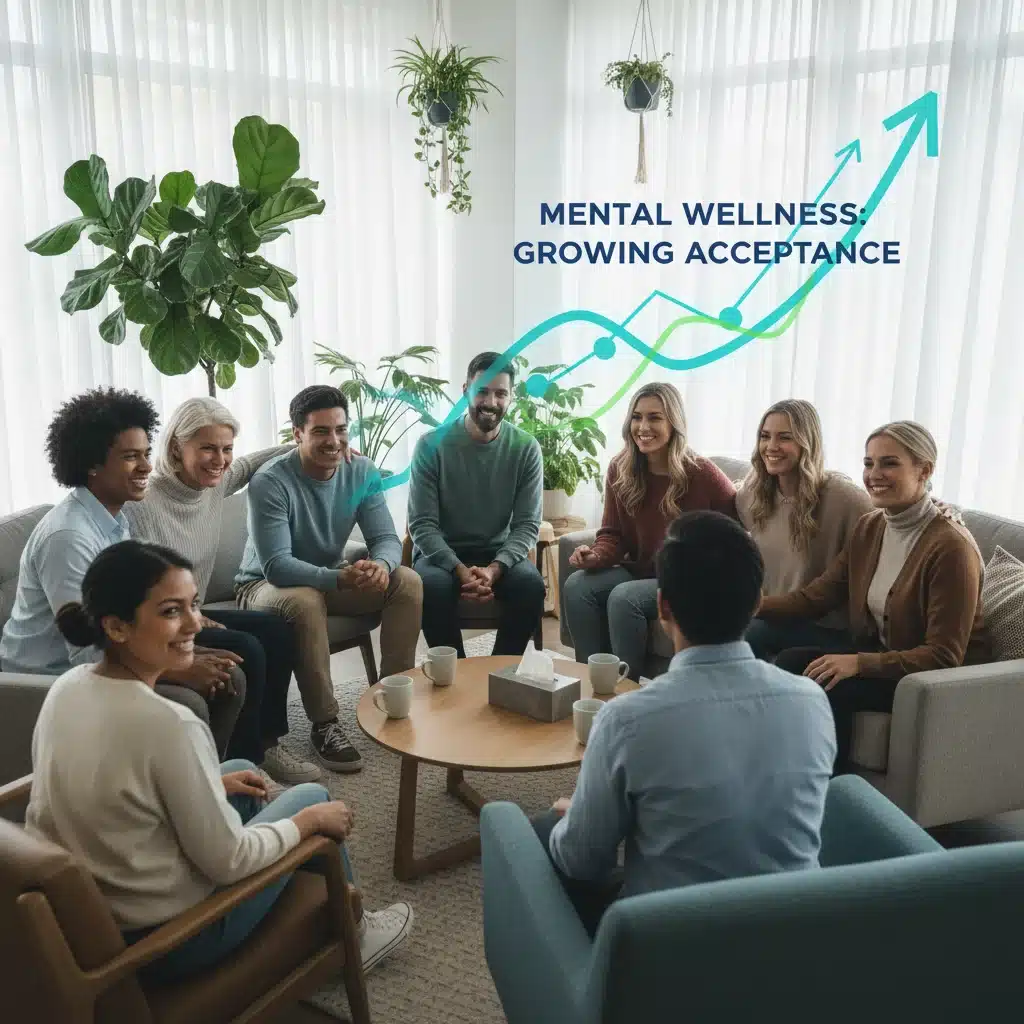
In recent years, the landscape of mental health in the United States has undergone a profound transformation. What was once a topic shrouded in silence and stigma is now increasingly discussed with openness, empathy, and a growing understanding of its critical importance. This shift is not merely anecdotal; data suggests a significant 25% evolution in societal perceptions and awareness surrounding mental health over the last three years alone. This remarkable progress is a testament to the tireless efforts of advocates, healthcare professionals, policymakers, and individuals who have bravely shared their stories. Understanding the nuances of this evolution, the factors driving it, and the challenges that still lie ahead is crucial for continuing this positive trajectory.
The Shifting Tides: A 25% Evolution in Perception
The concept of a 25% evolution in mental health perception might seem abstract, but it represents a measurable change in how Americans view, discuss, and address mental well-being. This evolution can be observed across several key indicators:
- Reduced Stigma: Perhaps the most significant change is the diminishing stigma associated with mental health conditions. More people are willing to admit they are struggling, seek help, and discuss their experiences without fear of judgment or discrimination.
- Increased Openness: Public figures, celebrities, and everyday individuals are increasingly sharing their mental health journeys, normalizing the conversation and encouraging others to do the same.
- Greater Media Coverage: Mental health topics receive more frequent, nuanced, and accurate coverage in news, entertainment, and social media, moving away from sensationalism towards educational and supportive content.
- Policy Changes: There’s a growing recognition among policymakers of the need for better mental healthcare infrastructure, leading to initiatives aimed at expanding access and improving services.
- Workplace Initiatives: Employers are increasingly implementing mental health programs, offering resources, and fostering supportive environments, acknowledging the impact of mental well-being on productivity and employee satisfaction.
This mental health evolution is not uniform across all demographics or regions, but the overall trend is undeniably positive. It reflects a societal awakening to the fact that mental health is just as important as physical health, and that neglecting it has far-reaching consequences for individuals, families, and communities.
Drivers of Change: What’s Fueling the Mental Health Evolution?
Several interconnected factors have contributed to this significant shift in mental health perception. The confluence of these elements has created a powerful momentum for change:
Advertisements
The COVID-19 Pandemic: A Catalyst for Awareness
While the pandemic brought unprecedented challenges, it also inadvertently shone a spotlight on mental health. Lockdowns, isolation, economic uncertainty, and fear of illness led to a surge in anxiety, depression, and other mental health concerns across the population. This shared experience normalized struggling with mental well-being, making it a universal topic of conversation. Suddenly, many who had never considered their mental health before were confronted with its fragility. The pandemic forced individuals, families, and institutions to acknowledge and address mental health in ways they hadn’t previously.
Advocacy and Education: Breaking Down Barriers
For decades, mental health advocates have worked tirelessly to dismantle stigma and educate the public. Organizations like the National Alliance on Mental Illness (NAMI), Mental Health America (MHA), and countless local initiatives have been instrumental in this effort. Their campaigns, public service announcements, and community programs have slowly but surely chipped away at misconceptions and fostered a more informed understanding of mental illness. The proliferation of accessible information online, through social media and dedicated mental health platforms, has also played a crucial role in empowering individuals with knowledge and resources.
Celebrity and Influencer Impact: Normalizing the Conversation
When prominent figures open up about their struggles with depression, anxiety, PTSD, or other mental health conditions, it has a profound impact. Their vulnerability helps to de-stigmatize these experiences, showing that mental health challenges can affect anyone, regardless of their status or success. This trend has encouraged more people to seek help, knowing they are not alone and that even those they admire face similar battles. Social media influencers, in particular, have created online communities where open discussions about mental health are common, fostering a sense of belonging and support.
Technological Advancements: Expanding Access to Care
The rise of teletherapy and mental health apps has revolutionized access to care. For many, geographical barriers, transportation issues, or scheduling conflicts made traditional in-person therapy difficult. Virtual platforms have made it possible to connect with licensed therapists from the comfort of one’s home, often with more flexible scheduling options. These technologies have not only increased accessibility but also reduced the perceived hurdle of seeking help, making it a more convenient and private option for many. This technological leap has significantly contributed to the overall mental health evolution.
Generational Shifts: A New Perspective
Younger generations, particularly Millennials and Gen Z, tend to be more open and proactive about mental health. They grew up in an era where discussions about well-being are increasingly common, and they are less likely to adhere to older societal norms that discouraged talking about emotional struggles. This generational shift is pushing for greater transparency, better resources, and more inclusive approaches to mental health, influencing workplaces, schools, and families alike.
The Impact of Reduced Stigma: A Ripple Effect
The reduction in mental health stigma is perhaps the most critical component of this 25% evolution. Stigma acts as a significant barrier to seeking help, often leading to delayed treatment, worsening conditions, and unnecessary suffering. When individuals feel ashamed or afraid to admit they need help, they are less likely to reach out to healthcare professionals, friends, or family. The consequences of untreated mental health conditions can be severe, impacting personal relationships, career prospects, and overall quality of life.
Increased Help-Seeking Behavior
As stigma diminishes, more people are willing to seek professional help. This is evident in the rising demand for therapy, counseling, and psychiatric services. The shift means that individuals are getting support earlier, potentially preventing conditions from escalating and leading to better outcomes. Early intervention is crucial for many mental health disorders, and reduced stigma facilitates this.
Improved Diagnostic Rates
With greater awareness and openness, healthcare providers are better equipped to identify and diagnose mental health conditions. Patients are more likely to articulate their symptoms accurately, and doctors are more likely to screen for mental health issues during routine check-ups. This leads to more accurate diagnoses and appropriate treatment plans, further contributing to the positive mental health evolution.
Better Support Systems
Reduced stigma also fosters stronger support systems. Friends, family members, and colleagues are more likely to offer empathy and understanding rather than judgment. This creates an environment where individuals feel safe to share their struggles and receive the emotional and practical support they need. Support groups and community programs thrive in such environments, providing invaluable peer-to-peer assistance.
Workplace and Educational Environments
Workplaces and educational institutions are becoming more accommodating and supportive of mental health needs. Companies are implementing employee assistance programs (EAPs), mental health days, and training for managers on how to support their teams’ well-being. Schools are introducing mental health curricula, providing counseling services, and creating safe spaces for students to discuss their emotions. This integration of mental health support into daily life is a powerful indicator of societal progress.

Challenges and the Path Forward: Sustaining the Mental Health Evolution
Despite the significant progress, challenges remain. The 25% evolution is a strong start, but there’s still a long way to go to achieve truly equitable and accessible mental healthcare for all Americans.
Access to Care Disparities
While access has improved, significant disparities persist. Rural areas often lack sufficient mental health professionals, and many communities face shortages of culturally competent providers. Financial barriers, such as high co-pays or lack of adequate insurance coverage for mental health services, also prevent many from seeking the care they need. Addressing these systemic issues requires sustained policy efforts and investment.
Workforce Shortages
The demand for mental health services has surged, but the supply of qualified professionals has not kept pace. There’s a critical shortage of psychiatrists, psychologists, therapists, and social workers, particularly those specializing in specific conditions or serving diverse populations. Training and recruiting more mental health professionals is essential to meet the growing need.
Integration with Physical Healthcare
Mental and physical health are inextricably linked, yet they are often treated as separate entities within the healthcare system. True holistic care requires better integration, where mental health screenings are routine, and primary care physicians are equipped to address basic mental health concerns or provide seamless referrals. This integrated approach can improve overall patient outcomes and reduce the burden on specialized mental health services.
Addressing Systemic Inequalities
Mental health outcomes are often exacerbated by social determinants of health, including poverty, discrimination, housing instability, and lack of education. Marginalized communities, including racial and ethnic minorities, LGBTQ+ individuals, and people with disabilities, often face higher rates of mental health conditions and greater barriers to care. A truly equitable mental health evolution must address these underlying systemic inequalities.
Sustaining Awareness and Education
The momentum gained in recent years must be sustained. Ongoing public awareness campaigns, educational initiatives in schools, and continued advocacy are crucial to prevent backsliding and reinforce the positive shifts in perception. Education needs to extend beyond recognizing mental illness to understanding prevention, resilience, and the importance of self-care.
The Future of Mental Health in the U.S.
The 25% evolution in mental health awareness over the past three years is a beacon of hope, indicating that society is moving in the right direction. This progress is built on a foundation of increased openness, reduced stigma, and a growing understanding that mental well-being is fundamental to a healthy society. However, the journey is far from over.
Proactive Approaches and Prevention
The future of mental health will increasingly focus on proactive approaches and prevention. This includes promoting mental health literacy from a young age, teaching coping skills, and fostering resilient communities. Early intervention programs, especially for adolescents and young adults, can make a significant difference in long-term outcomes.
Personalized and Precision Mental Healthcare
As our understanding of the brain and mental health conditions advances, treatment will become more personalized. Genetic research, neuroimaging, and advanced diagnostics will allow for more precise interventions tailored to individual needs, moving beyond a one-size-fits-all approach. This will lead to more effective treatments and better patient experiences.
Leveraging Technology Further
Technology will continue to play a pivotal role. Beyond teletherapy, we can expect to see advancements in AI-powered diagnostic tools, virtual reality therapy, wearable devices for mood tracking, and sophisticated mental health apps that offer personalized support and interventions. These tools can help bridge gaps in care and make support more accessible and engaging.

Community-Based Support and Integration
The future will likely see a greater emphasis on community-based mental health support, integrating mental health services into various community settings such as schools, workplaces, and primary care offices. This approach makes mental healthcare more accessible and less intimidating, normalizing it as a regular part of overall health and well-being.
Conclusion: A Continuous Journey of Growth
The 25% evolution in mental health awareness and societal perceptions in the U.S. over the last three years is a powerful indicator of progress. It reflects a growing collective understanding that mental health is not a niche issue but a fundamental aspect of human existence that deserves attention, resources, and compassion. While the strides made are commendable, they also serve as a reminder that this is a continuous journey. Sustaining this positive momentum requires ongoing advocacy, innovative solutions, equitable access to care, and a steadfast commitment to dismantling remaining barriers. By continuing to foster open dialogue, invest in research and resources, and champion inclusive mental health policies, the United States can build on this significant evolution, ensuring a healthier and more supportive future for all its citizens. The collective effort towards a more mentally healthy society is not just a goal; it’s an imperative that benefits everyone.