Smart Home Security: Seamlessly Integrate 3 Key Devices by Mid-2026
Smart Home Security: Seamlessly Integrate 3 Key Devices by Mid-2026
In an increasingly connected world, the concept of home security has evolved far beyond traditional alarms and locks. Today, smart home security offers a sophisticated, interconnected ecosystem designed to provide unparalleled protection and convenience. As we approach mid-2026, the convergence of advanced technologies is making it easier than ever to integrate crucial security devices into a cohesive, intelligent system. This comprehensive guide will delve into practical solutions for seamlessly integrating three key smart home security devices: smart cameras, smart locks, and smart sensors, ensuring your home is future-proofed against potential threats.
The Evolution of Smart Home Security
The journey of home security has seen remarkable transformations. From simple mechanical locks and standalone alarm systems, we’ve arrived at an era where artificial intelligence, machine learning, and the Internet of Things (IoT) are at the forefront of protecting our living spaces. Smart home security systems are no longer just about deterring intruders; they’re about proactive monitoring, instant alerts, and remote control, all accessible from the palm of your hand. The promise of a truly integrated smart home security system by mid-2026 is not just a dream but a tangible reality for homeowners seeking enhanced peace of mind.
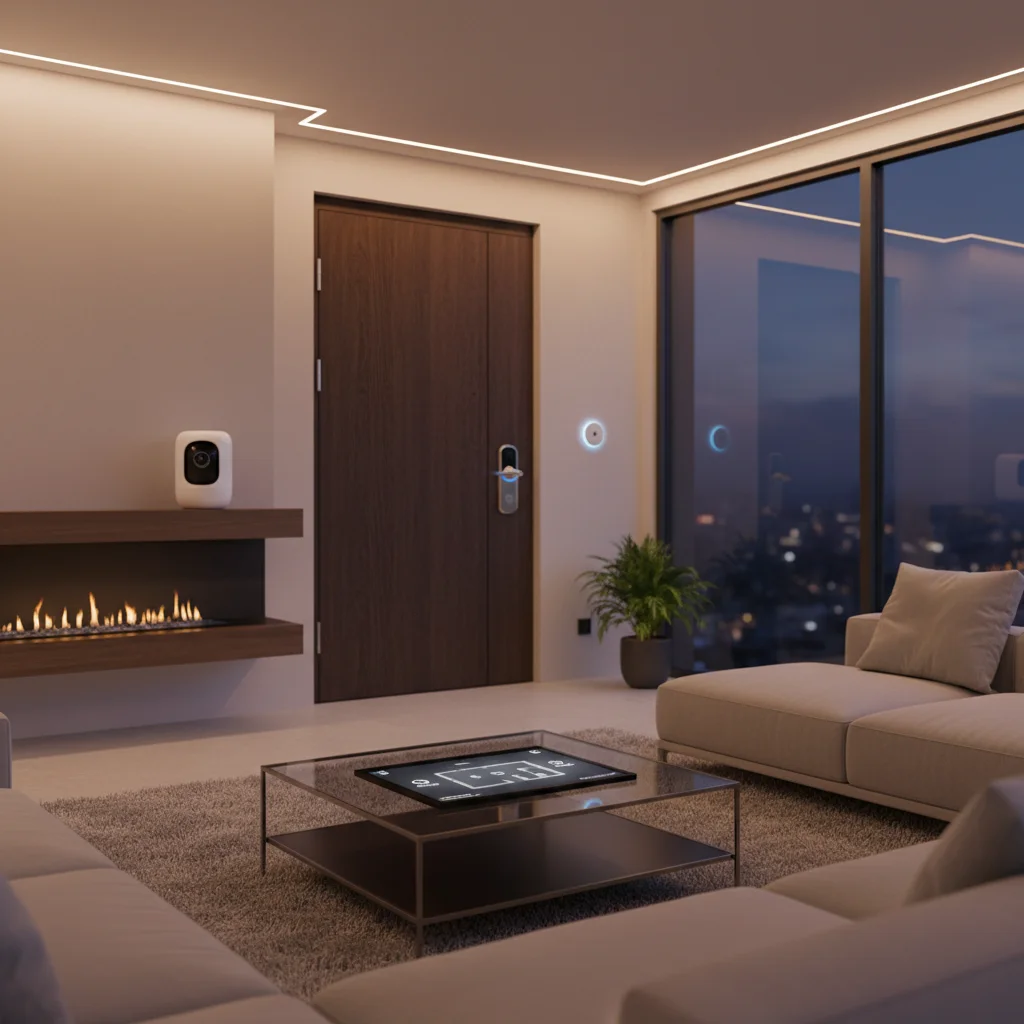
What defines a truly smart home security system? It’s the ability of disparate devices to communicate, share data, and react intelligently to various scenarios. Imagine a scenario where your smart lock detects an unauthorized entry, immediately triggers your smart cameras to record, and simultaneously sends alerts to your smartphone and a monitoring service. This level of interconnectedness is what we aim to achieve, and it’s becoming increasingly accessible to the average consumer.
Advertisements
The benefits extend beyond mere security. A well-integrated smart home security setup can also contribute to energy efficiency, convenience, and even health monitoring. By understanding the core components and how they interact, homeowners can build a robust system tailored to their specific needs and preferences.
Why Integrate? The Power of a Unified Smart Home Security System
While individual smart devices offer specific benefits, their true power is unleashed when they are integrated into a single, cohesive system. Integration eliminates silos, allowing devices to work in concert, creating a more comprehensive and responsive security posture. Here’s why a unified smart home security system is paramount:
- Enhanced Protection: Devices communicate to provide layers of security. A motion sensor can trigger a camera, and a smart lock can be linked to your alarm system.
- Greater Convenience: Manage all your security devices from a single app or voice command. No more juggling multiple platforms or remembering numerous codes.
- Automated Responses: Set up routines and automations. For instance, if a smoke detector goes off, smart locks can automatically unlock for emergency services, and smart lights can illuminate escape routes.
- Real-time Monitoring and Alerts: Receive instant notifications on your smartphone about any unusual activity, regardless of your location.
- Future-Proofing: A well-planned integrated system is easier to expand and upgrade as new technologies emerge, ensuring your investment remains relevant.
- Data-Driven Insights: Understand patterns of activity in and around your home, allowing you to make informed decisions about your security.
The goal by mid-2026 is to move beyond mere connectivity to true intelligence, where your home security system can anticipate needs and respond proactively, making your home a safer and more efficient place.
Key Device 1: Smart Cameras – Your Eyes on the Property
Smart cameras are the cornerstone of any modern smart home security system. They provide visual verification, deter intruders, and offer invaluable peace of mind. By mid-2026, camera technology will have advanced significantly, offering higher resolutions, better low-light performance, and more sophisticated AI-powered analytics.
Choosing the Right Smart Cameras
- Indoor vs. Outdoor: Outdoor cameras need to be weather-resistant and often require wider fields of view. Indoor cameras can be more discreet and might include features like two-way audio for communication.
- Resolution and Field of View: Aim for at least 1080p resolution for clear images. A wider field of view (120-180 degrees) reduces the number of cameras needed to cover an area.
- Night Vision: Infrared (IR) night vision is standard, but some advanced cameras offer color night vision for better detail in low light.
- Motion Detection and AI Analytics: Look for cameras that can differentiate between people, animals, and vehicles to reduce false alarms. Facial recognition is also becoming more common.
- Storage Options: Cloud storage (subscription-based) offers convenience and off-site backup, while local storage (SD card, NVR) provides greater privacy and no recurring fees.
- Power Source: Wired cameras offer reliable power, while battery-powered cameras provide flexibility in placement but require periodic recharging.
Integrating Smart Cameras into Your Ecosystem
The key to effective camera integration lies in choosing devices that support open standards or are part of a larger ecosystem. Popular platforms like Amazon Alexa, Google Home, Apple HomeKit, and Samsung SmartThings offer varying degrees of integration. By mid-2026, expect even greater interoperability.
- Central Hub Integration: Connect your cameras to a central smart home hub. This allows them to communicate with other devices. For example, a camera detecting motion can trigger smart lights to turn on.
- Voice Control: Integrate with voice assistants to view live feeds on smart displays (e.g., “Alexa, show me the front door camera”).
- Event-Triggered Recording: Link cameras to door/window sensors or smart locks. If a sensor is tripped or a lock is tampered with, the camera can automatically start recording and send alerts.
- Geofencing: Set up geofencing so cameras automatically arm/disarm when you leave or arrive home.
- Professional Monitoring: Many smart camera systems offer optional professional monitoring services, providing an extra layer of security.
Consider brands that prioritize cybersecurity, offering end-to-end encryption and regular firmware updates to protect your video feeds from unauthorized access.
Key Device 2: Smart Locks – Fortifying Your Entry Points
Smart locks are a critical component of any smart home security strategy, offering enhanced control over who enters and exits your home. They replace traditional keys with digital credentials, providing convenience, security, and integration possibilities that conventional locks cannot match. By mid-2026, smart locks will be even more robust, with advanced biometric options and seamless connectivity.
Selecting the Best Smart Locks
- Type of Lock: Deadbolt replacements are most common, but lever locks and full smart lock systems are also available.
- Access Methods: Keypads (for codes), fingerprint scanners, NFC, Bluetooth, Wi-Fi, and traditional key backups are common options. Choose based on convenience and security preferences.
- Connectivity: Wi-Fi locks offer direct internet connection, while Bluetooth/Zigbee/Z-Wave locks require a hub for remote access. Wi-Fi provides more independence but can consume more battery.
- Security Features: Look for features like tamper alerts, auto-locking, and encryption protocols to protect digital communications.
- Battery Life: Assess expected battery life and ease of battery replacement. Some locks offer low-battery warnings.
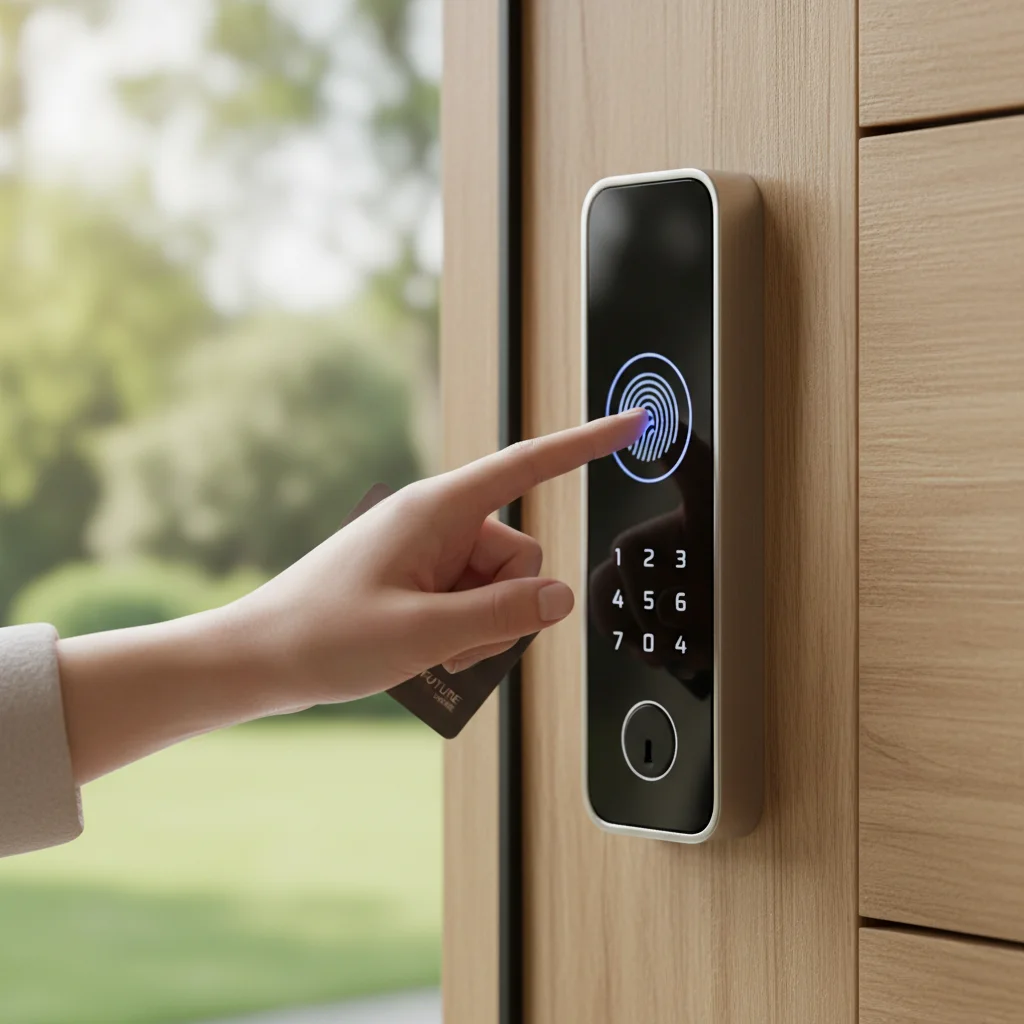
Integrating Smart Locks for Comprehensive Security
The true value of smart locks emerges when they are integrated with other smart home security devices. This creates automated security routines and provides a holistic view of your home’s access points.
- Access Control and Monitoring: Grant temporary access codes to guests or service providers, and receive notifications whenever the lock is used. You can remotely lock or unlock doors from anywhere.
- Camera Linkage: When a smart lock is unlocked, a nearby smart camera can be triggered to record, capturing who entered and when. Conversely, if an unauthorized attempt is detected, the camera can immediately begin recording.
- Alarm System Integration: Link your smart locks to your home alarm system. When you lock the door, the alarm can automatically arm. When you unlock it, the alarm can disarm (with proper authentication).
- Lighting Control: Program smart lights to turn on when the door is unlocked at night, providing a welcoming and secure entry.
- Voice Assistant Integration: Control your locks with voice commands (e.g., “Lock the front door”), often requiring a PIN for security.
- Geofencing: Set your doors to automatically lock when you leave a defined geofence and unlock when you arrive, though this feature should be used with caution and strong authentication.
Ensuring compatibility with your existing or planned smart home ecosystem is crucial for seamless integration. Brands like August, Yale, Schlage, and Kwikset offer a range of smart locks compatible with various platforms.
Key Device 3: Smart Sensors – The Silent Guardians
Smart sensors are the unsung heroes of smart home security, providing crucial environmental awareness and acting as triggers for other devices. By mid-2026, sensors will be smaller, more energy-efficient, and capable of detecting a wider array of environmental factors, offering even more granular control and insight into your home.
Types of Smart Sensors for Home Security
- Door/Window Contact Sensors: Detect when a door or window is opened or closed. Essential for perimeter security.
- Motion Sensors: Detect movement within a defined area. Can be used for intrusion detection or to trigger lights.
- Glass Break Sensors: Listen for the specific sound of breaking glass, providing an early warning of forced entry.
- Environmental Sensors: While not strictly security, smoke detectors, carbon monoxide detectors, water leak sensors, and temperature sensors contribute to overall home safety and can be integrated into the security system.
- Vibration Sensors: Detect vibrations on surfaces, useful for identifying attempts to pry open windows or doors.
Integrating Smart Sensors for Proactive Monitoring
Sensors truly shine when their input is used to automate responses from other smart home security devices. They provide the ‘eyes and ears’ that trigger the ‘actions’ of your cameras and locks.
- Camera Activation: The most common integration. A motion sensor in the backyard can trigger an outdoor camera to record, or a door sensor can activate an indoor camera if opened when the system is armed.
- Lighting Automation: A motion sensor in a dark hallway can turn on smart lights, either for convenience or to deter potential intruders.
- Alarm Triggering: If any contact, motion, or glass break sensor is tripped while the system is armed, the main alarm can be activated, and alerts sent to your phone and monitoring service.
- Smart Lock Automation: While less common for direct triggering, sensors can inform smart lock behavior. For instance, if a door remains open for too long (detected by a contact sensor), the smart lock might notify you or refuse to arm the system.
- Environmental Safety: A smart smoke detector can not only sound an alarm but also unlock smart doors for easier escape, turn on lights, and shut down HVAC systems to prevent smoke spread.
- Custom Routines: Create complex routines based on sensor data. For example, if a water leak sensor detects water in the basement, it could send an alert and simultaneously shut off a smart water valve.
When selecting sensors, consider their range, battery life, and compatibility with your central hub. Zigbee and Z-Wave sensors are popular for their low power consumption and robust mesh networking capabilities.
Building Your Integrated Smart Home Security Ecosystem by Mid-2026
Achieving a truly integrated smart home security system by mid-2026 requires careful planning and strategic device selection. Here’s a step-by-step approach:
1. Choose Your Central Hub/Platform
This is the brain of your smart home. Popular options include:
- Dedicated Smart Home Hubs: (e.g., Samsung SmartThings, Hubitat) Offer extensive device compatibility and local processing for faster automations.
- Voice Assistants with Hub Capabilities: (e.g., Amazon Echo, Google Nest Hub) Convenient for voice control and integrating many popular devices.
- Security System Hubs: (e.g., Abode, Ring Alarm, SimpliSafe) Often come with their own suite of sensors and cameras but may have more limited third-party integration.
Consider which platform best suits your technical comfort level and desired level of control. By mid-2026, interoperability standards like Matter are expected to significantly simplify this choice, allowing more devices to work together seamlessly, regardless of brand.
2. Prioritize Core Security Devices
Start with the three key devices discussed: smart cameras, smart locks, and smart sensors. Identify the most critical entry points and vulnerable areas in your home.
- Entry Points: Smart locks on all exterior doors, contact sensors on all accessible windows and doors.
- High-Traffic Areas: Motion sensors in main hallways, living areas, and near valuables.
- Perimeter: Outdoor cameras covering entryways, driveways, and backyards.
3. Ensure Compatibility and Interoperability
This is perhaps the most crucial step. Before purchasing, verify that your chosen devices are compatible with your central hub/platform. Look for devices that support common protocols like Wi-Fi, Bluetooth, Zigbee, Z-Wave, and increasingly, Matter.
Read reviews and check manufacturer specifications to confirm seamless integration. Some ecosystems offer tighter integration than others, providing more advanced automation possibilities.
4. Plan Your Automations and Routines
Once devices are connected, design your automation rules. This is where the magic of smart home security truly happens. Think about scenarios:
- “When I leave home (geofence), lock all doors, arm the alarm, and turn off lights.”
- “If a window sensor is opened while the alarm is armed, trigger the siren, turn on all lights, and send a live feed from the nearest camera to my phone.”
- “At night, if motion is detected in the backyard, flash outdoor lights and record video.”
- “If the smart smoke detector goes off, unlock the front door and turn on emergency lighting.”
Test these routines thoroughly to ensure they function as expected.
5. Secure Your Network and Devices
A smart home is only as secure as its weakest link. Implement strong cybersecurity practices:
- Strong Passwords: Use unique, complex passwords for all smart devices and your Wi-Fi network.
- Two-Factor Authentication (2FA): Enable 2FA wherever available for an extra layer of security.
- Dedicated IoT Network: Consider setting up a separate Wi-Fi network for your smart devices to isolate them from your main network.
- Regular Updates: Keep all device firmware and app software up to date to patch vulnerabilities.
- Privacy Settings: Review and adjust privacy settings on all devices and platforms to control data collection.
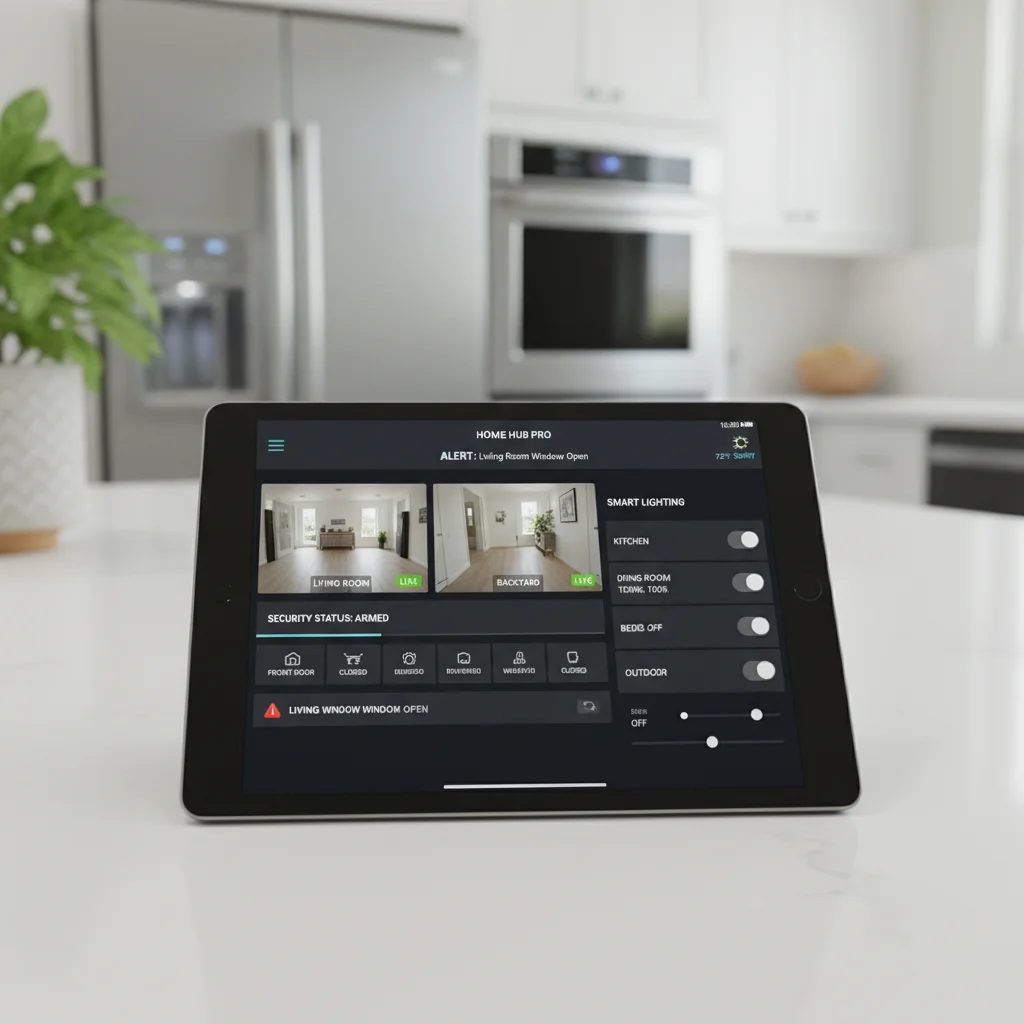
Challenges and Future Outlook for Smart Home Security by Mid-2026
While the benefits of an integrated smart home security system are clear, some challenges remain. Compatibility issues, cybersecurity risks, and the complexity of setup can deter some users. However, the industry is rapidly addressing these concerns.
By mid-2026, we can expect:
- Wider Adoption of Matter: This new open-source connectivity standard promises to drastically improve device interoperability, making integration simpler for consumers.
- Enhanced AI and Machine Learning: Smarter analytics in cameras will lead to even fewer false alarms and more precise threat detection. Predictive security, where systems learn patterns and anticipate potential issues, will become more prevalent.
- Edge Computing: More processing will happen directly on devices (at the “edge”), reducing reliance on cloud services, improving response times, and enhancing privacy.
- Biometric Advancements: More reliable and secure facial recognition, voice recognition, and fingerprint scanning will become standard in smart locks and access control systems.
- Self-Healing Networks: Smart home networks will become more resilient, automatically detecting and resolving connectivity issues.
- Greater Focus on Privacy: As smart devices collect more data, manufacturers will be under increased pressure to implement stronger privacy protections and transparent data handling policies.
The future of smart home security is not just about isolated gadgets but a truly intelligent, responsive, and secure living environment. By strategically integrating smart cameras, smart locks, and smart sensors, homeowners can build a robust defense system that evolves with their needs and the technological landscape.