The Rise of Foldable Smartphones: A 2026 Market Analysis and Future Outlook

The Rise of Foldable Smartphones: A 2026 Market Analysis and Future Outlook
The smartphone industry has always been characterized by rapid innovation and fierce competition. For years, the form factor remained largely consistent: a rectangular slab of glass and metal. However, the last few years have witnessed a groundbreaking shift with the advent of foldable smartphones. What was once a concept relegated to science fiction has now become a tangible reality, rapidly evolving from niche luxury items to increasingly mainstream devices. As we approach 2026, the foldable smartphone market is not just growing; it’s exploding, redefining user expectations and challenging traditional mobile design paradigms.
This comprehensive analysis delves into the current state and future trajectory of the foldable smartphone market. We’ll explore the technological advancements driving this segment, the key players shaping its landscape, the challenges that still need to be overcome, and the compelling reasons why foldable devices are poised to capture a significant share of the global smartphone market in the coming years. From flexible displays to sophisticated hinge mechanisms, the engineering marvels embedded within these devices are transforming how we interact with our digital world.
The Evolution of Foldable Smartphones: From Concept to Commercial Reality
The journey of foldable smartphones has been anything but straightforward. Early prototypes, while exciting, often faced criticism regarding durability, screen creasing, and exorbitant price tags. However, continuous research and development by tech giants have led to significant improvements. The initial hurdles, such as fragile screens and visible creases, are steadily being addressed with advanced materials like ultra-thin glass (UTG) and more robust polymer layers. Hinge mechanisms have also become more sophisticated, allowing for smoother folds and greater longevity.
The first commercial foldable phones, while imperfect, ignited consumer imagination. They offered a glimpse into a future where a phone could transform into a tablet, providing a larger canvas for productivity and entertainment, or fold into a compact form factor that easily slips into a pocket. This dual functionality is the core appeal that continues to drive interest in the foldable smartphone market. As manufacturing processes mature and economies of scale kick in, prices are becoming more accessible, further fueling adoption.
Advertisements
Key Drivers Propelling the Foldable Smartphone Market Growth
Several factors are contributing to the accelerated expansion of the foldable smartphone market. Understanding these drivers is crucial for appreciating the segment’s future potential:
- Technological Maturation: Advancements in flexible display technology, hinge design, and battery efficiency are making foldable devices more reliable and user-friendly. The ‘crease’ issue, while not entirely eliminated, has been significantly mitigated in newer generations.
- Enhanced User Experience: The ability to have a larger screen for media consumption, multitasking, and productivity, coupled with the portability of a standard smartphone, offers a unique and compelling user experience that traditional smartphones cannot replicate.
- Product Differentiation: In a saturated smartphone market, foldables offer a significant differentiator for manufacturers. They represent innovation and premium design, attracting early adopters and tech enthusiasts.
- Increasing Competition: As more players enter the foldable smartphone market, competition intensifies, leading to faster innovation, better features, and eventually, more competitive pricing.
- Software Optimization: Operating systems like Android are increasingly optimized to take full advantage of the unique form factors of foldable devices, offering seamless transitions between folded and unfolded modes and enhanced multitasking capabilities.
2026 Market Projections: A Deep Dive into Numbers and Trends
Industry analysts are projecting substantial growth for the foldable smartphone market by 2026. While exact figures vary, there’s a consensus that shipments will reach tens of millions of units annually, representing a significant percentage of the premium smartphone segment. Some reports even suggest that foldables could account for a double-digit share of the overall smartphone market in certain regions.
The growth isn’t just in volume but also in diversity. We expect to see a wider range of form factors beyond the current book-style (e.g., Samsung Galaxy Fold) and clamshell-style (e.g., Samsung Galaxy Flip) designs. Rollable displays, stretchable screens, and other innovative concepts are already in development, promising even more versatile devices that blur the lines between smartphones, tablets, and even wearables. The increasing affordability, driven by manufacturing efficiencies and component cost reductions, will be a critical factor in expanding the market beyond its current premium segment.
Key Players and Their Strategies in the Foldable Smartphone Market
The foldable smartphone market is currently dominated by a few key players, but new entrants are constantly emerging, intensifying the competitive landscape.
Samsung: The Pioneer and Market Leader
Samsung has been at the forefront of the foldable revolution, investing heavily in R&D and launching multiple generations of its Galaxy Z Fold and Z Flip series. Their strategy has focused on refining the user experience, improving durability, and expanding their product portfolio to cater to different consumer preferences and price points. Samsung’s early mover advantage has given them a significant lead in terms of brand recognition and market share.
Huawei: Innovation Amidst Challenges
Despite facing geopolitical challenges, Huawei has continued to innovate in the foldable space with devices like the Mate X series. Their focus has often been on sleek designs and powerful internal specifications. While their global reach has been impacted, their commitment to R&D in foldable technology remains strong.
Motorola: The Nostalgia and Style Factor
Motorola revitalized its iconic Razr brand with a clamshell foldable, appealing to consumers looking for a blend of nostalgia and modern technology. Their strategy emphasizes compact design and style, carving out a distinct niche within the foldable smartphone market.
Google: Entering the Fray
Google’s entry with the Pixel Fold signifies a major validation for the foldable form factor. With its strong software integration and pure Android experience, Google aims to set a new standard for foldable software optimization and user experience, potentially influencing the entire ecosystem.
Chinese Manufacturers: Rapid Expansion and Aggressive Pricing
Companies like Xiaomi, Oppo, Vivo, and Honor are rapidly expanding their presence in the foldable smartphone market, particularly in Asia. They often offer competitive specifications at more aggressive price points, challenging the established players and accelerating market adoption. Their focus on localized features and diverse form factors is also contributing to the market’s dynamism.
Technological Advancements Fueling the Future of Foldables
The continued growth of the foldable smartphone market is intrinsically linked to ongoing technological breakthroughs. Here are some critical areas of innovation:
Improved Display Durability
While ultra-thin glass (UTG) has significantly enhanced screen durability compared to early plastic polymer layers, research continues into even more robust and scratch-resistant flexible materials. Self-healing polymers and advanced coatings are on the horizon, promising displays that can withstand more wear and tear.
Advanced Hinge Mechanisms
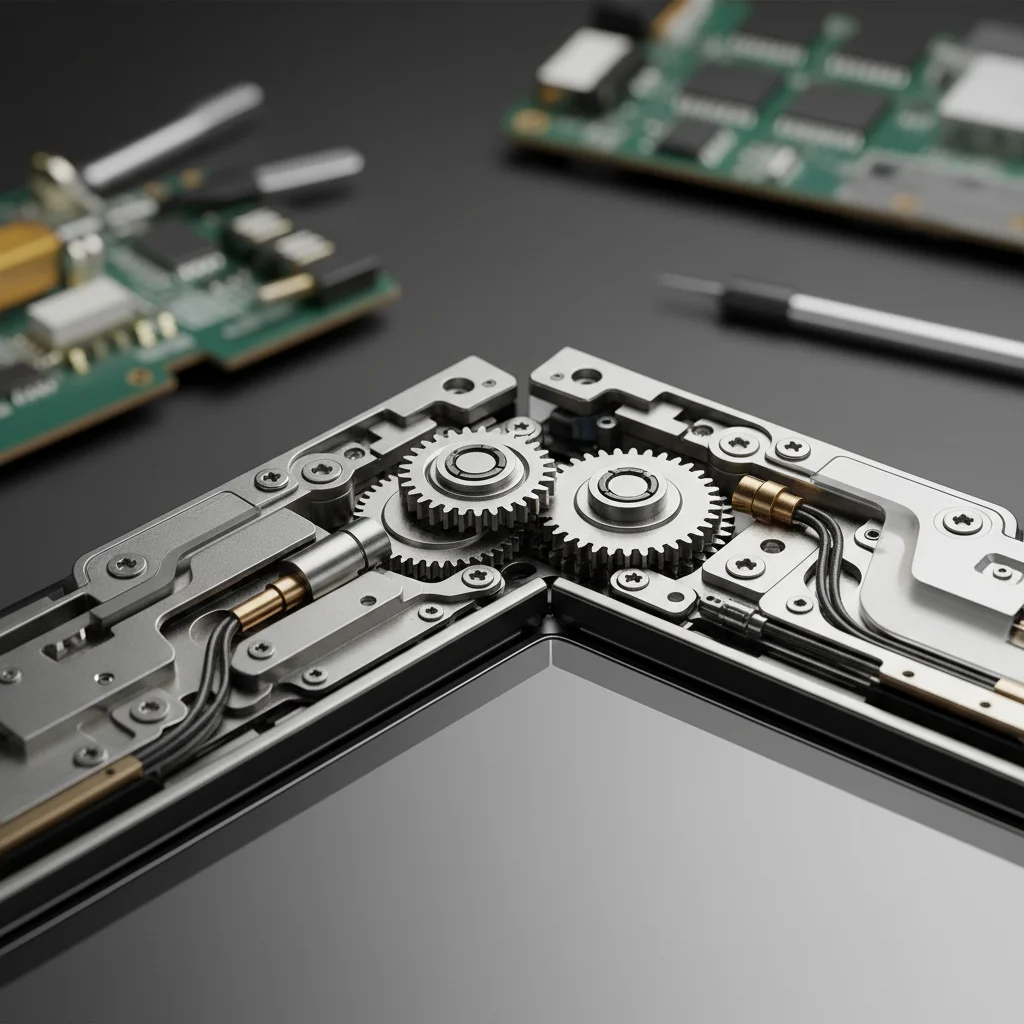
Hinges are the heart of a foldable phone. Future hinges will likely be even more compact, lighter, and durable, minimizing the screen crease further and allowing for various folding angles and positions. Water and dust resistance in foldable devices, a significant challenge due to the moving parts, is also an area of intense development.
Battery Technology
Foldable phones, especially those with larger, tablet-sized displays, demand substantial power. Innovations in battery technology, including solid-state batteries and more efficient power management systems, will be crucial for extending battery life without adding excessive bulk.
Software and Ecosystem Optimization
As hardware evolves, so too must software. Operating systems and applications will become even more adept at seamlessly adapting to different screen sizes and orientations. Features like enhanced multi-window functionality, intuitive drag-and-drop between screens, and optimized keyboard layouts for folded and unfolded modes will become standard, further enriching the user experience in the foldable smartphone market.
Integration of Other Emerging Technologies
Expect to see foldable devices integrating other cutting-edge technologies. Under-display cameras, advanced biometric sensors, and even haptic feedback systems that simulate physical buttons on a flexible screen could become commonplace, pushing the boundaries of what a smartphone can do.
Challenges and Hurdles for the Foldable Smartphone Market
Despite the optimistic outlook, the foldable smartphone market still faces several challenges that need to be addressed for widespread adoption:
- Price: While prices are decreasing, foldables remain premium devices. Making them more affordable will be key to attracting a broader consumer base.
- Durability Concerns: Despite improvements, consumer perception of foldable durability, particularly regarding the screen and hinge, remains a hurdle. Long-term reliability needs to be consistently demonstrated.
- Weight and Thickness: Early foldable devices were often thicker and heavier than their traditional counterparts. Continued engineering efforts are needed to make them more svelte and pocketable.
- Software Ecosystem: While improving, ensuring all apps are perfectly optimized for various foldable form factors and screen ratios is an ongoing challenge for developers.
- Repairability: The complex design of foldable phones often makes them more challenging and expensive to repair than standard smartphones, which can be a concern for consumers.
Overcoming these challenges is paramount for the long-term success and mass-market penetration of the foldable smartphone market. Manufacturers are actively working on these areas, and progress is evident with each new generation of devices.
The Future Beyond 2026: What’s Next for Foldables?
Looking beyond 2026, the future of the foldable smartphone market promises even more radical transformations. We might see devices that can fold in multiple directions (Z-fold or tri-fold designs), offering even greater versatility. "Smart fabrics" and transparent displays could integrate seamlessly into our clothing or surroundings, with foldable devices acting as the central processing unit.
The distinction between smartphones, tablets, and even laptops could become increasingly blurred. A single foldable device might serve all these functions, adapting its form factor to the user’s needs in real-time. Imagine a phone that unfolds into a tablet, which then connects to a portable keyboard and becomes a full-fledged workstation. This convergence of devices will be a defining characteristic of the post-2026 mobile landscape.
Furthermore, the environmental impact of these complex devices will come under increased scrutiny. Manufacturers will need to focus on sustainable materials, modular designs for easier repairs, and improved recycling programs to ensure that the growth of the foldable smartphone market aligns with global environmental responsibilities.

Impact on Other Industries and Consumer Behavior
The rise of the foldable smartphone market will undoubtedly have ripple effects across various industries. App developers will need to rethink their UI/UX strategies to accommodate dynamic screen sizes and new interaction paradigms. Accessory manufacturers will innovate with new cases and peripherals designed specifically for foldable form factors. Content creators will have larger canvases to work with, potentially leading to new forms of interactive media and entertainment.
Consumer behavior will also evolve. The convenience of having a large screen for media or work that can instantly shrink to a pocketable device will change how people consume content, manage their schedules, and even communicate. The novelty factor will gradually give way to an expectation of versatility and adaptability from our personal devices.
The foldable smartphone market is not just about a new gadget; it’s about a paradigm shift in personal computing. It offers a glimpse into a future where devices are no longer confined by rigid forms but can adapt and transform to suit our ever-changing needs. This flexibility promises a more intuitive, efficient, and enjoyable digital experience.
Conclusion: A Flexible Future Awaits
As we look towards 2026 and beyond, the foldable smartphone market stands as one of the most exciting and dynamic segments in consumer electronics. What began as an ambitious engineering challenge has matured into a compelling product category with immense potential. While challenges remain in terms of cost, durability, and software optimization, the rapid pace of innovation suggests that these hurdles will be progressively overcome.
The allure of a device that offers both the portability of a smartphone and the expansive display of a tablet is undeniable. As more manufacturers enter the fray, competition will drive further advancements, making foldable technology more accessible and refined. The next few years will be pivotal in determining just how deeply these transformative devices integrate into our daily lives, but one thing is clear: the future of mobile is flexible, and the foldable smartphone is leading the charge into this exciting new era.