Bridging the Generational Divide: Understanding U.S. Political Polarization
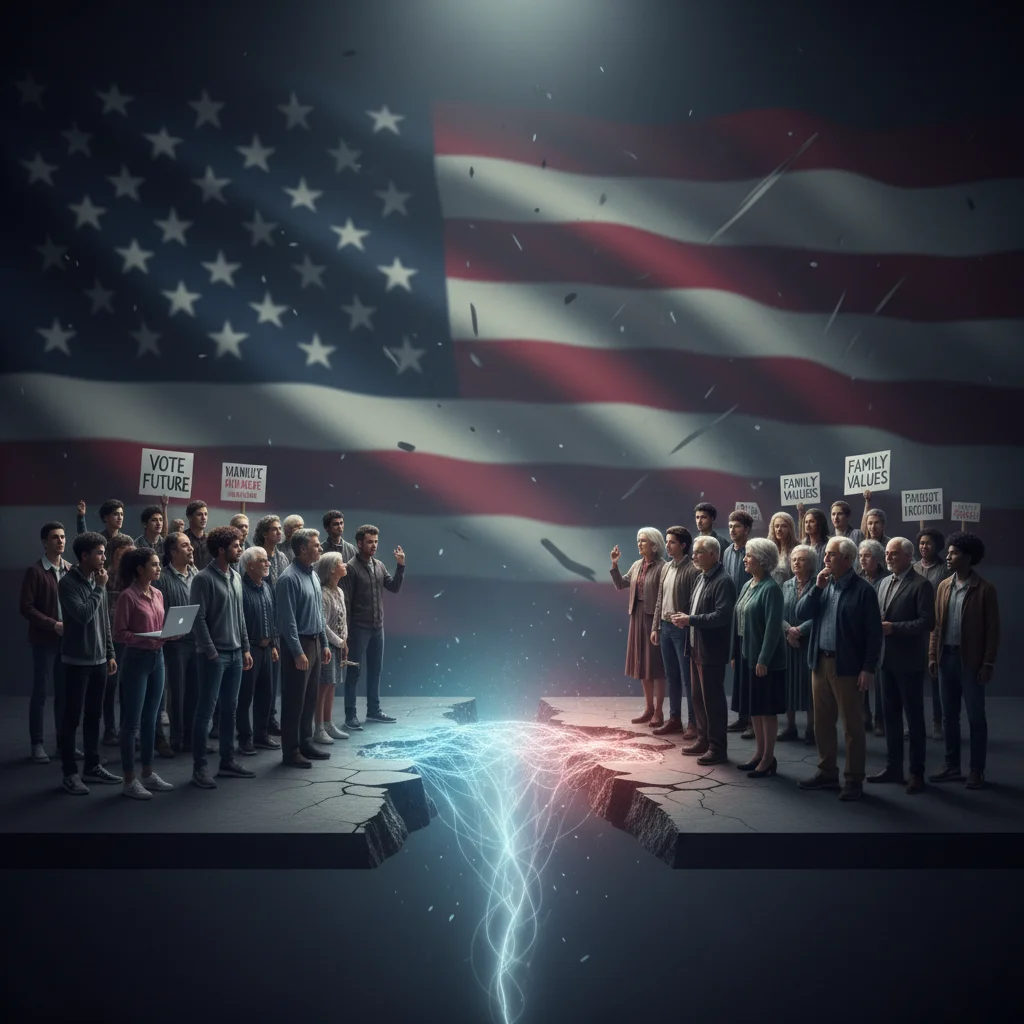
The political landscape of the United States has always been dynamic, shaped by evolving demographics, societal shifts, and historical events. However, recent years have seen an alarming acceleration in political polarization, particularly across generational lines. A striking 15% increase in political polarization among U.S. voters since 2020 highlights a growing chasm that demands our attention. This article delves into the complexities of the generational political divide, exploring its causes, manifestations, and potential pathways toward fostering greater understanding and unity.
The Alarming Rise of the Generational Political Divide
The notion of a generational political divide is not entirely new. Historically, different age cohorts have often held distinct political views, influenced by the unique socio-economic and cultural contexts of their formative years. However, what we are witnessing today is a significant intensification of these differences, moving beyond mere preference to deep-seated ideological rifts that impact everything from policy debates to social interactions.
Since 2020, a confluence of factors – including a global pandemic, heightened social justice movements, rapid technological advancements, and a particularly contentious political climate – has exacerbated these divisions. Data from various reputable polling organizations and research institutions consistently point to a widening gap in political affiliations, policy priorities, and even fundamental beliefs between younger generations (Gen Z and Millennials) and older generations (Gen X and Baby Boomers).
Advertisements
This 15% increase is not just a statistical anomaly; it represents a tangible shift in how different age groups perceive and engage with politics. It signifies a growing difficulty in finding common ground, leading to legislative stalemates, increased social friction, and a general sense of unease about the future of democratic discourse. Understanding the intricacies of this trend is crucial for anyone seeking to comprehend the current state of American society and politics.
Key Drivers of the Generational Political Divide
Several interconnected factors contribute to the escalating generational political divide. Pinpointing these drivers is the first step toward addressing the issue effectively.
Economic Disparities and Opportunities
Economic realities play a monumental role in shaping political ideologies. Younger generations, particularly Millennials and Gen Z, have come of age in an era marked by significant economic challenges. They face mounting student loan debt, precarious job markets, soaring housing costs, and the looming threat of climate change, which disproportionately impacts their long-term financial stability. These experiences often lead to a greater receptiveness to progressive economic policies, such as wealth redistribution, universal basic income, and stronger social safety nets.
Conversely, many Baby Boomers and some Gen X individuals benefited from periods of greater economic prosperity, more stable job markets, and accessible higher education. Their political views are often shaped by a belief in individual responsibility, free-market principles, and a desire to protect established economic structures. These differing economic realities create fundamental disagreements on issues like taxation, social welfare programs, and government spending.
Social and Cultural Values
The evolution of social and cultural values is another significant contributor to the generational political divide. Younger generations tend to be more socially liberal, advocating for greater inclusivity, diversity, and equality across various identity groups. Issues like LGBTQ+ rights, racial justice, gender equality, and environmental protection often rank high on their political agendas. They are more likely to challenge traditional norms and institutions, seeking systemic changes to address historical injustices.
Older generations, while not monolithic, often hold more traditional social views, valuing established institutions, national identity, and what they perceive as traditional moral frameworks. While many embrace progress, there can be resistance to rapid social changes, leading to clashes on topics ranging from immigration and religious freedom to cultural expression and national identity. The pace of social change, amplified by global interconnectedness, creates a significant fault line.
Media Consumption and Information Silos
The digital age has fundamentally reshaped how individuals consume information and form opinions. Younger generations are digital natives, relying heavily on social media, online news platforms, and diverse digital content creators for their information. This can lead to highly personalized news feeds, often reinforced by algorithms that prioritize content aligning with existing biases, creating echo chambers.
Older generations, while increasingly online, still often rely on traditional media outlets like cable news and established newspapers. Even within traditional media, partisan divides are stark. This fragmentation of media consumption means that different generations are often exposed to vastly different narratives, facts, and interpretations of events, making it incredibly difficult to engage in constructive dialogue or agree on basic truths. The rise of misinformation and disinformation, particularly online, further exacerbates this problem, deepening the generational political divide.
The Impact of the Widening Chasm
The growing generational political divide has profound implications for American democracy and society as a whole. Its effects are visible in various spheres, from policy-making to interpersonal relationships.
Policy Gridlock and Governance Challenges
When different generations hold fundamentally opposing views on critical issues, it becomes incredibly challenging to forge consensus in legislative bodies. This leads to policy gridlock, where urgent national problems, such as climate change, healthcare reform, and economic inequality, go unaddressed or are tackled with insufficient measures. The inability to compromise on significant issues erodes public trust in government and fuels cynicism about the political process.
Furthermore, the short-term focus often associated with electoral cycles can overshadow the long-term planning required to address complex generational challenges. Each generation’s distinct priorities mean that policies designed to benefit one group might be perceived as detrimental by another, further entrenching the generational political divide.
Social Fragmentation and Interpersonal Strain
The political divide is not confined to Washington D.C.; it permeates communities, workplaces, and even families. Political disagreements can strain relationships, leading to reduced social cohesion and increased animosity. Anecdotes of family dinners ruined by political arguments or friendships ending over differing viewpoints are increasingly common. This social fragmentation weakens the fabric of civil society and makes it harder to build bridges of understanding and empathy.
The constant exposure to partisan rhetoric and the demonization of opposing viewpoints, often amplified by social media, can create an environment where individuals are less willing to engage with those who hold different beliefs, further deepening the generational political divide.
Electoral Volatility and Future Political Landscape
The generational political divide has significant implications for electoral outcomes. Younger voters, with their distinct policy preferences, are becoming an increasingly powerful demographic. Their participation (or lack thereof) can dramatically swing elections. Understanding their motivations and concerns is paramount for political parties and candidates.
As younger generations age and their political power grows, the political landscape is likely to continue shifting. This could lead to a re-alignment of political parties, the rise of new movements, or even greater instability if the divides are not constructively addressed. The future of American politics will undoubtedly be shaped by how these generational tensions are managed.
Addressing the Generational Political Divide: Pathways to Understanding
While the challenge is substantial, it is not insurmountable. Bridging the generational political divide requires a multi-faceted approach involving individual effort, institutional reforms, and a collective commitment to empathy and civil discourse.
Promoting Intergenerational Dialogue and Empathy
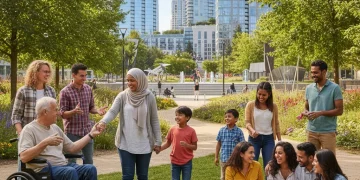
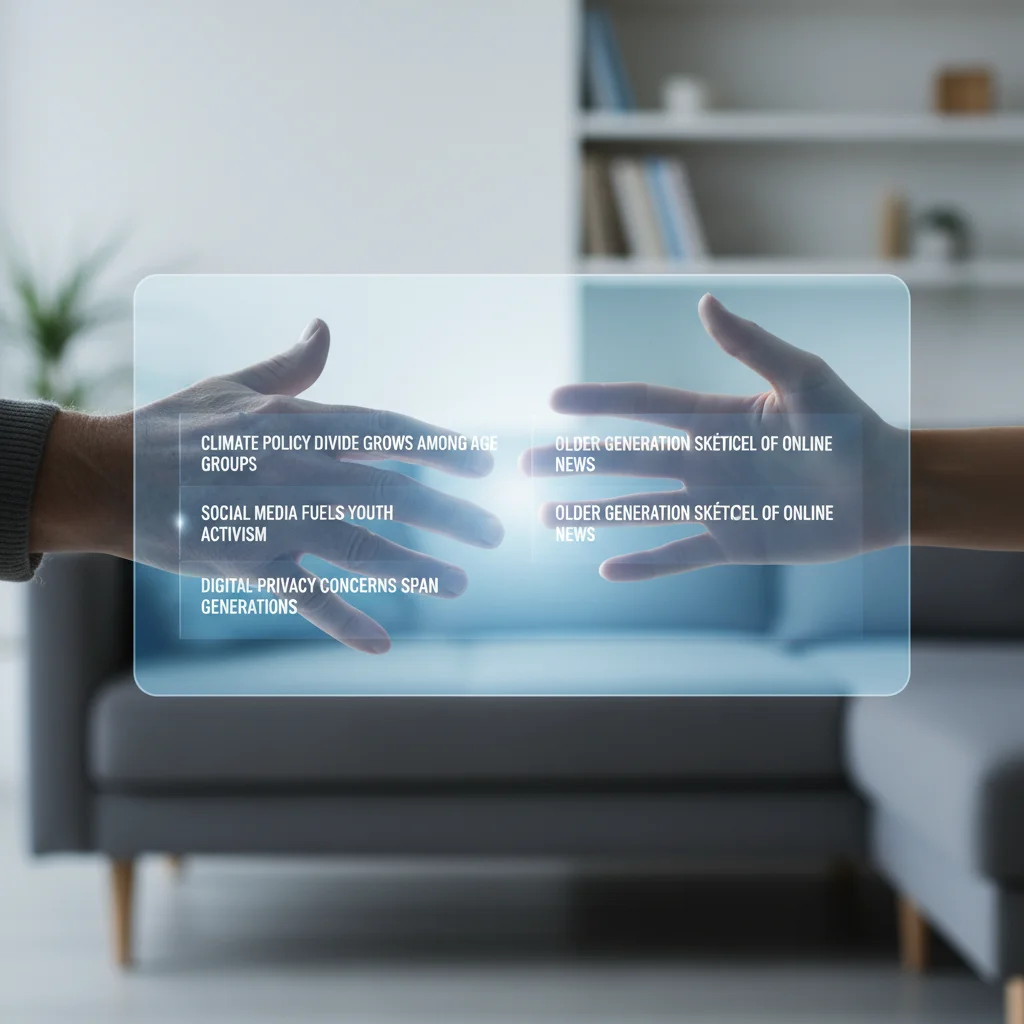
One of the most crucial steps is to foster genuine intergenerational dialogue. This means creating spaces, both formal and informal, where individuals from different age groups can engage in respectful conversations about their political views, life experiences, and values. The goal is not necessarily to change minds, but to understand perspectives and recognize the humanity behind differing opinions.
- Community Initiatives: Encourage local community centers, libraries, and non-profits to host intergenerational forums, workshops, and shared activities that promote understanding rather than debate.
- Educational Programs: Integrate modules in educational curricula that teach critical thinking, media literacy, and the history of political thought, encouraging students to understand diverse viewpoints.
- Family Conversations: Encourage families to engage in respectful political discussions, setting ground rules for listening and empathy.
Improving Media Literacy and Combating Misinformation
Given the significant role of media in shaping political views, improving media literacy across all generations is vital. This involves teaching individuals how to critically evaluate sources, identify bias, and recognize misinformation and disinformation. Collaborative efforts between tech companies, educators, and media organizations are essential.
Furthermore, platforms must take greater responsibility for curbing the spread of harmful content that exacerbates the generational political divide. This includes algorithmic transparency and robust content moderation policies.
Reforming Political Discourse and Institutions
Political leaders and institutions also bear a responsibility to promote unity over division. This means:
- Encouraging Bipartisanship: Political leaders should prioritize finding common ground and engaging in bipartisan cooperation on critical issues, setting an example for the public.
- Focusing on Shared Values: Emphasize universal values and goals that transcend generational differences, such as a desire for peace, economic stability, and a healthy environment.
- Civic Education: Reinvigorate civic education that teaches the principles of democratic governance, the importance of compromise, and the value of diverse perspectives.
Addressing Root Causes: Economic and Social Equity
Ultimately, to truly bridge the generational political divide, society must address the underlying economic and social inequalities that fuel much of the resentment and division. Policies that promote equitable access to education, healthcare, housing, and economic opportunities for all generations can help alleviate some of the core tensions.
For example, addressing student loan debt, investing in sustainable job creation, and ensuring robust social safety nets can significantly impact the economic anxieties that drive younger generations towards certain political ideologies. Similarly, continuing to work towards a more inclusive and just society can help bridge cultural divides.
The Role of Technology in Bridging (or Widening) the Divide
Technology, particularly social media, has been a double-edged sword in the context of the generational political divide. While it has undoubtedly contributed to echo chambers and the spread of misinformation, it also holds immense potential for fostering connection and understanding.
Platforms can be designed to encourage more diverse interactions, expose users to different viewpoints, and facilitate constructive dialogue. Initiatives that use technology to connect individuals across geographical and generational lines for shared projects or discussions could be powerful tools. The challenge lies in harnessing technology’s power for good, rather than allowing it to amplify existing divisions.
Conclusion: A Call for Unity in a Divided Nation
The 15% increase in political polarization among U.S. voters since 2020, significantly driven by the generational political divide, presents a serious challenge to the health and future of American democracy. This chasm, fueled by differing economic realities, social values, and media consumption habits, manifests in policy gridlock, social fragmentation, and electoral volatility.
However, understanding the roots of this divide is the first step towards healing it. By actively promoting intergenerational dialogue, enhancing media literacy, reforming political discourse, and addressing fundamental issues of economic and social equity, we can begin to build bridges of understanding across the generations. It will require a conscious and sustained effort from individuals, communities, and institutions alike. The future of a unified and functioning American society depends on our collective willingness to confront these divisions and work towards a more inclusive and empathetic political landscape for all.