Social Media’s Unseen Influence: Decoding Digital Platforms on U.S. Political Engagement 2026
Social Media’s Unseen Influence: Decoding the Impact of Digital Platforms on U.S. Political Engagement in 2026
In an era increasingly defined by digital connectivity, the landscape of U.S. political engagement has undergone a profound transformation. As we look towards 2026, the unseen influence of social media platforms continues to shape public discourse, electoral outcomes, and the very fabric of democratic participation. This article delves deep into how digital platforms are reconfiguring political interactions, examining the complex interplay of algorithms, misinformation, and evolving voter behavior. Understanding this dynamic is crucial for citizens, policymakers, and political strategists alike.
The Algorithmic Echo Chamber: How Feeds Shape Perceptions
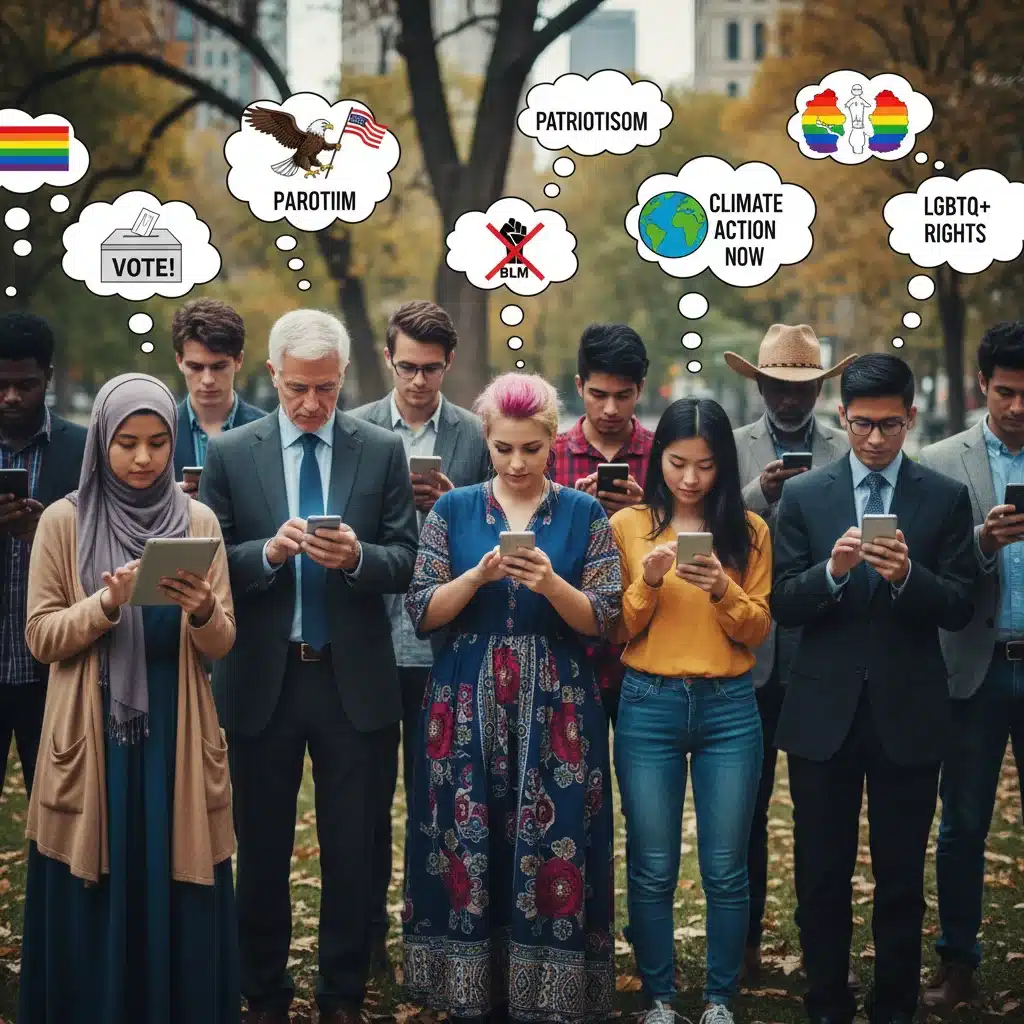
At the heart of social media’s influence lies the algorithm. These complex computational systems dictate what content users see, prioritizing engagement above all else. While designed to personalize user experience, they inadvertently create ‘echo chambers’ and ‘filter bubbles’ – environments where individuals are primarily exposed to information that confirms their existing beliefs. For digital political engagement, this has significant ramifications. In 2026, these algorithms are more sophisticated than ever, capable of micro-targeting individuals with political messaging tailored to their psychological profiles, browsing history, and social connections.
The impact of this algorithmic curation on U.S. political discourse cannot be overstated. It leads to a polarization of viewpoints, as users are less likely to encounter dissenting opinions or engage in cross-ideological dialogue. This lack of exposure to diverse perspectives can foster an ‘us vs. them’ mentality, making compromise and consensus-building increasingly difficult. Furthermore, it can amplify extreme voices, pushing them to the forefront of political conversations and potentially normalizing radical ideas. The challenge for 2026 is to understand how these algorithms can be designed, or regulated, to promote a more balanced and informed civic discourse, rather than simply maximizing engagement.
Advertisements
Beyond individual feeds, algorithms also influence trending topics and public sentiment. A coordinated campaign, whether organic or orchestrated, can leverage these systems to push specific narratives, creating an illusion of widespread support or opposition. This manipulation of perceived public opinion can sway undecided voters and exert pressure on political leaders. The unseen hand of the algorithm is a powerful force in modern politics, and its mechanisms require constant scrutiny to ensure fair and democratic processes.
The Virality of Misinformation and Disinformation in Political Arenas
One of the most insidious aspects of social media’s impact on digital political engagement is the rapid spread of misinformation and disinformation. Misinformation refers to false or inaccurate information, regardless of intent, while disinformation is deliberately false information spread to deceive. Social media platforms, with their instantaneous sharing capabilities and global reach, are fertile ground for both.
In the lead-up to 2026, we’ve witnessed an alarming acceleration in the sophistication and volume of false narratives designed to influence political outcomes. Deepfakes, AI-generated content, and highly personalized propaganda are becoming increasingly difficult to distinguish from credible sources. These tactics exploit the emotional responses of users, often going viral much faster than factual corrections. The speed at which false information can spread poses a significant threat to the integrity of elections and public trust in institutions.
The consequences are far-reaching. Misinformation can suppress voter turnout by spreading false claims about election procedures or candidate eligibility. It can erode trust in democratic processes, leading to cynicism and disengagement. Moreover, it can exacerbate social divisions, turning political disagreements into deeply entrenched ideological battles based on fabricated realities. Addressing this challenge requires a multi-pronged approach, involving platform accountability, media literacy initiatives, and robust fact-checking mechanisms, all while safeguarding freedom of speech.
The role of foreign actors and domestic groups in propagating disinformation campaigns remains a critical concern for U.S. political engagement. These entities often exploit existing societal cleavages, using sophisticated psychological operations to sow discord and undermine democratic norms. Identifying and countering these campaigns without infringing on civil liberties is a delicate balancing act that will define the political landscape of 2026.
Redefining Political Participation: From Rallies to Hashtags
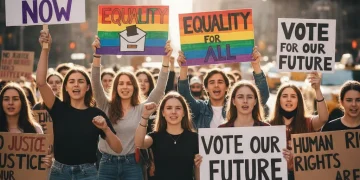
Social media has fundamentally altered how citizens engage with politics, moving beyond traditional forms of participation like rallies, town halls, and direct mail. Today, digital political engagement encompasses a wide array of activities, from sharing political memes and signing online petitions to participating in virtual protests and live-tweeting political debates.
This shift has democratized access to political discourse, allowing individuals who might not typically participate in traditional politics to find their voice. Marginalized communities, in particular, have leveraged social media to organize, raise awareness about their issues, and mobilize support. Hashtag activism, for instance, has proven to be a powerful tool for amplifying social and political movements, bringing overlooked issues to national and international attention.
However, this new form of participation also presents challenges. Critics argue that ‘slacktivism’ – superficial engagement like liking or sharing content without deeper commitment – might replace more meaningful forms of civic action. While online engagement can be a stepping stone to real-world activism, there’s a risk that it remains confined to the digital realm, creating an illusion of impact without tangible change. For 2026, understanding the conversion rate from online engagement to offline action is crucial for assessing the true impact of digital platforms on political participation.
Furthermore, the performative aspect of social media can sometimes overshadow substantive political debate. The pressure to present a curated online persona can lead to a focus on outrage and sensationalism, rather than thoughtful deliberation. Politicians, too, have adapted, using platforms to bypass traditional media, communicate directly with constituents, and cultivate a specific public image. This direct access can be empowering but also opens avenues for unfiltered rhetoric and the spread of unverified claims.
The Role of Influencers and Micro-Targeting in Political Campaigns
Political campaigns in 2026 are increasingly relying on social media influencers and sophisticated micro-targeting strategies to reach voters. Influencers, ranging from celebrities to niche content creators, hold significant sway over their followers, and their endorsements can be highly effective in mobilizing specific demographics. This represents a departure from traditional campaign advertising, as messages are delivered through trusted, relatable figures rather than impersonal ads.
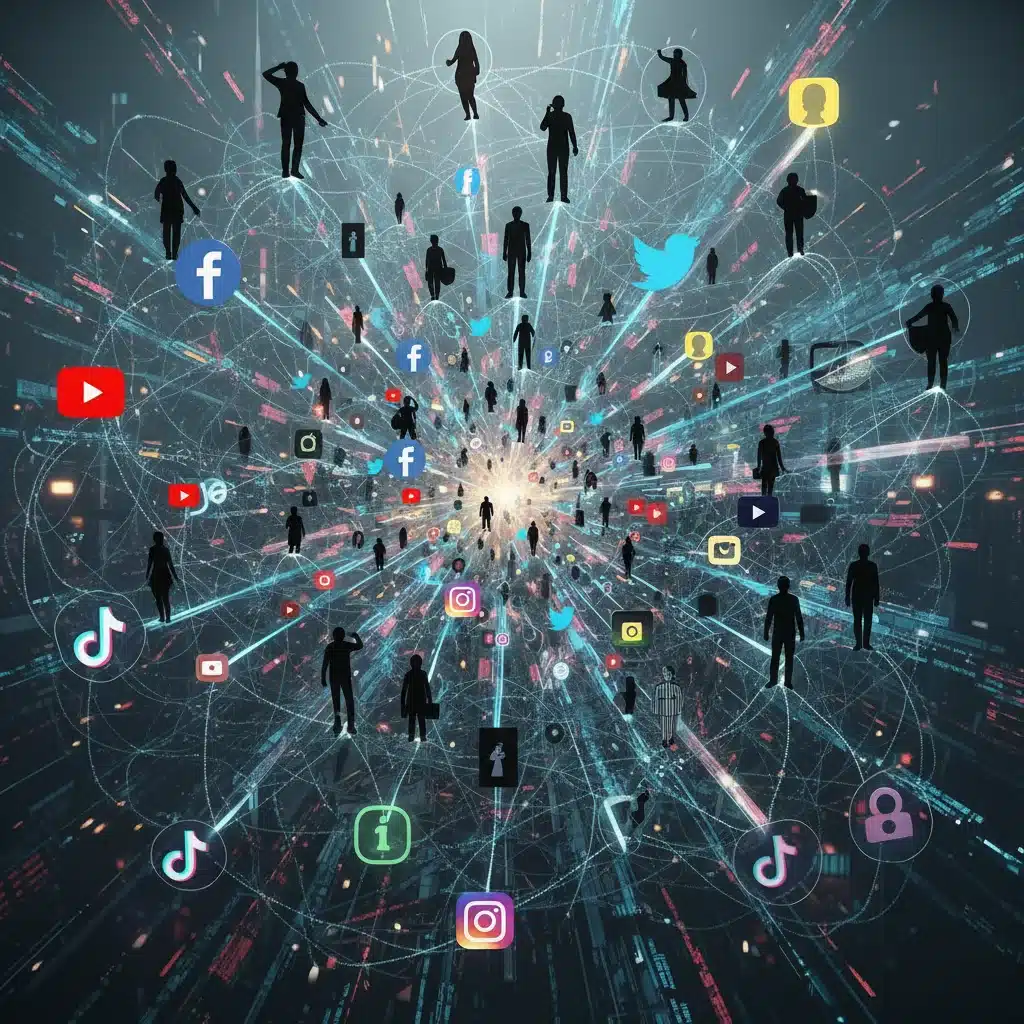
Micro-targeting, powered by vast amounts of user data, allows campaigns to deliver highly personalized political messages to individual voters. This involves analyzing everything from online browsing habits and purchase history to social media activity and demographic information to identify specific concerns and interests. A voter concerned about healthcare might receive ads focused on a candidate’s healthcare policy, while another concerned about the economy might see messages highlighting economic plans. This precision advertising aims to maximize persuasive impact and voter turnout.
While effective, these strategies raise ethical concerns. The lack of transparency around influencer endorsements and the potential for manipulative messaging through micro-targeting are significant issues. Voters may not always be aware that the content they are consuming is part of a deliberate political campaign. The opaque nature of these tactics can undermine the integrity of political discourse, making it difficult for citizens to critically evaluate the information they receive.
Regulators and platforms are grappling with how to ensure transparency and accountability in this evolving landscape. The challenge for 2026 is to strike a balance between allowing campaigns to effectively reach voters and protecting citizens from undue influence and manipulation. This includes debates around disclosure requirements for political advertising, the regulation of political content by influencers, and the ethical use of voter data.
Generational Divide: How Different Age Groups Engage Digitally
The impact of social media on digital political engagement is not uniform across all demographics. A significant generational divide exists in how different age groups consume political information and participate in political discourse online. Younger generations, often digital natives, are more likely to rely on social media as their primary source of news and political information, engaging through platforms like TikTok, Instagram, and X (formerly Twitter).
Older generations, while increasingly present on social media, often use platforms differently, perhaps favoring Facebook for news and community engagement. Their media consumption habits may also include more traditional sources like television and print. These differences in platform preference and consumption patterns lead to varied exposures to political content and different forms of engagement.
This generational divide can create challenges for political campaigns trying to reach a broad electorate. Messages that resonate with a younger, digitally savvy audience might fall flat with older voters, and vice versa. Understanding these nuances is key to crafting effective communication strategies for 2026. Furthermore, the spread of misinformation can affect different age groups differently, with some studies suggesting older adults might be more susceptible to certain types of online falsehoods.
Bridging this generational gap in political discourse is crucial for a healthy democracy. Initiatives promoting digital literacy across all age groups, encouraging intergenerational dialogue, and ensuring access to diverse and credible information sources are vital. The goal should be to foster informed participation from all segments of the population, leveraging the benefits of digital platforms while mitigating their potential harms.
The Regulatory Maze: Seeking Accountability and Transparency
As the influence of social media on digital political engagement grows, so does the call for greater regulation and accountability. Governments worldwide, including in the U.S., are grappling with how to manage platforms that operate at an unprecedented scale and speed, often with opaque internal workings. The debate centers on issues such as content moderation, data privacy, algorithmic transparency, and platform liability for harmful content.
Content moderation, in particular, is a contentious issue. Platforms face immense pressure to remove hate speech, incitement to violence, and misinformation, but also to protect freedom of expression. The challenge lies in defining these boundaries, especially in the context of political speech, where what constitutes ‘harmful’ can be highly subjective and politically charged. The decisions made by platforms about what to remove or amplify have significant implications for political discourse and the democratic process.
Data privacy is another critical area. The vast amounts of personal data collected by social media companies are used to power micro-targeting, raising concerns about surveillance, manipulation, and the potential for data breaches. Regulations like GDPR in Europe and state-level privacy laws in the U.S. are attempts to give users more control over their data, but the effectiveness of these measures in the political sphere is still being tested.
Algorithmic transparency is perhaps the most challenging aspect of regulation. Demands for platforms to explain how their algorithms work and how they influence content visibility are growing. However, companies often cite proprietary concerns and the complexity of these systems as barriers. For 2026, legislative efforts are expected to intensify, aiming to create frameworks that balance innovation with public interest, ensuring that digital platforms serve as tools for democratic empowerment rather than disruption.
The Future of Digital Political Engagement: Trends for 2026 and Beyond
Looking ahead to 2026 and beyond, several trends are likely to shape the future of digital political engagement. The rise of new immersive technologies, such as virtual and augmented reality, could introduce entirely new forms of political interaction, from virtual town halls to immersive campaign experiences. This could potentially deepen engagement or create new avenues for manipulation.
The continued advancement of Artificial Intelligence (AI) will also play a pivotal role. AI’s capabilities in generating realistic text, audio, and video content will make the fight against disinformation even more complex. Simultaneously, AI could be harnessed for positive purposes, such as fact-checking, identifying coordinated influence operations, or personalizing civic education.
Platform decentralization, perhaps through blockchain technology, is another area of potential evolution. This could offer alternatives to the centralized control of current social media giants, potentially fostering more open and censorship-resistant forms of political discourse. However, such systems also come with their own challenges, including scalability and governance.
Ultimately, the future of digital political engagement hinges on a collective effort from platforms, governments, civil society, and individual users. Platforms must embrace greater responsibility and transparency. Governments must enact thoughtful regulations that protect democratic processes without stifling innovation or free speech. Civil society organizations must continue to educate and empower citizens, and individuals must cultivate critical media literacy skills to navigate the complex digital landscape effectively. The promise of digital platforms to enhance democracy is immense, but so are the risks. Navigating this intricate terrain will be one of the defining challenges of the mid-2020s.
Conclusion: Navigating the Complexities of Digital Democracy
The unseen influence of social media on U.S. political engagement in 2026 is a multifaceted phenomenon, characterized by both unprecedented opportunities and significant threats. Digital platforms have democratized access to political information, empowered marginalized voices, and offered new avenues for civic participation. Yet, they have also fueled polarization, accelerated the spread of misinformation, and introduced new challenges for maintaining the integrity of democratic processes.
As we move further into the digital age, understanding and actively addressing these complexities is paramount. The algorithms that shape our feeds, the virality of false narratives, the evolving nature of political participation, the strategic use of influencers and micro-targeting, and the ongoing quest for effective regulation all contribute to a dynamic and often unpredictable political environment. For citizens to remain informed and engaged, for democratic institutions to thrive, and for political discourse to be constructive, a concerted effort is required from all stakeholders.
The journey ahead involves a continuous adaptation to technological advancements, a commitment to media literacy, and a robust debate about the ethical responsibilities of digital platforms. Only through vigilant observation, proactive policy-making, and an informed citizenry can we hope to harness the power of social media to strengthen, rather than undermine, the foundations of U.S. political engagement in 2026 and beyond.