
In an ever-evolving global economy, the ability to manage personal finances effectively is more crucial than ever. Economic shifts, whether they be inflation, market volatility, or changes in employment landscapes, can significantly impact our financial well-being. This comprehensive guide will delve into the art and science of personal budgeting savings, providing you with the tools and strategies to not only navigate these uncertainties but also to thrive. Our ambitious yet achievable goal is to help you reach a 15% savings rate by 2026, securing a more stable and prosperous financial future.
Understanding the Economic Landscape and Its Impact on Personal Budgeting
Before we dive into specific strategies for personal budgeting savings, it’s essential to understand the broader economic context. The global economy is a complex, interconnected system, and various factors can influence personal finance. Inflation, for instance, erodes the purchasing power of your money, making it harder to save. Interest rate fluctuations can impact the cost of borrowing and the returns on your savings. Geopolitical events, technological advancements, and even climate change can have ripple effects that reach your wallet.
For example, a sudden increase in energy prices due to international conflicts can lead to higher utility bills and transportation costs, directly impacting your monthly budget. Similarly, technological disruptions can create new job opportunities but also render some skills obsolete, necessitating investment in reskilling. Understanding these dynamics is the first step towards building a resilient budget that can adapt to change.
The goal of a 15% savings rate by 2026 isn’t just an arbitrary number; it’s a strategically chosen target that offers a significant buffer against unforeseen financial challenges and accelerates your journey towards financial independence. This rate allows for substantial wealth accumulation over time, providing peace of mind and flexibility in your financial decisions.
Advertisements
Why 15% Savings Rate? The Power of Consistent Saving
A 15% savings rate is often cited by financial experts as a healthy benchmark for long-term financial security. It strikes a balance between enjoying your present income and securing your future. This rate, when consistently applied, can lead to significant wealth accumulation over time, especially when coupled with smart investment strategies. It provides a strong foundation for retirement, down payments on major purchases, and an emergency fund that can weather any storm.
Consider the power of compound interest. Even modest savings, consistently contributed, can grow exponentially over years. A 15% savings rate means that for every $100 you earn, you are putting $15 aside. This discipline, when maintained, transforms into a substantial financial asset. Moreover, achieving this rate often necessitates a deeper understanding and control over your spending habits, leading to improved overall financial literacy.
Establishing Your Current Financial Baseline: The First Step in Personal Budgeting
You cannot effectively plan for the future without a clear understanding of your present. The initial phase of mastering personal budgeting savings involves a thorough assessment of your current financial situation. This means knowing exactly how much money comes in and where every dollar goes out.
Tracking Income and Expenses: The Foundation of Your Budget
The very first step is to meticulously track your income and expenses. This might seem tedious, but it’s the bedrock of any successful budget. For at least one month, and ideally two or three, record every single penny you earn and spend. There are numerous tools available to help you with this:
- Budgeting Apps: Many apps like Mint, YNAB (You Need A Budget), or Personal Capital automatically categorize your transactions once linked to your bank accounts and credit cards.
- Spreadsheets: For those who prefer a hands-on approach, a simple spreadsheet can be incredibly effective. Create columns for date, description, category, income, and expense.
- Notebook and Pen: If you’re old school, a physical notebook can work just as well. The act of writing down each transaction can increase your awareness of spending.
Categorize your expenses broadly at first, such as housing, transportation, food, entertainment, utilities, and debt payments. As you get more comfortable, you can refine these categories for greater detail. The goal here is not to judge your spending, but simply to observe and understand your financial habits.
Calculating Your Current Savings Rate
Once you have a clear picture of your income and expenses, you can calculate your current savings rate. This is a crucial metric that will serve as your starting point. The formula is straightforward:
Savings Rate = (Amount Saved Per Month / Net Income Per Month) x 100
If your current savings rate is negative, don’t despair. This simply means you are spending more than you earn, and it’s a common starting point for many. The important thing is to acknowledge it and commit to making changes. If your rate is positive but less than 15%, you’ll have a clear target for improvement.
Crafting Your Personal Budget: Strategies for Increased Savings
With your financial baseline established, it’s time to build a budget that supports your 15% savings goal. This involves making conscious decisions about where your money goes, prioritizing needs over wants, and finding areas to optimize spending.
The 50/30/20 Rule: A Popular Budgeting Framework
A widely adopted framework for personal budgeting savings is the 50/30/20 rule:
- 50% for Needs: This includes essential expenses like housing (rent/mortgage), utilities, groceries, transportation, insurance, and minimum debt payments.
- 30% for Wants: This category covers discretionary spending such as dining out, entertainment, hobbies, vacations, and shopping for non-essentials.
- 20% for Savings and Debt Repayment: This is where your 15% savings goal fits in, along with any extra payments towards high-interest debt beyond the minimums.
While the 50/30/20 rule is a great starting point, it’s not rigid. You might adjust the percentages based on your income, cost of living, and specific financial goals. For instance, if your housing costs are very high, your ‘needs’ might exceed 50%, requiring you to cut back more on ‘wants’ or find ways to increase your income.
Identifying and Cutting Unnecessary Expenses
This is often the most challenging but also the most rewarding part of budgeting. Go through your expense categories with a critical eye. Ask yourself:
- Is this expense truly necessary?
- Can I get a similar product or service for less?
- Am I getting value for my money?
- Can I temporarily reduce or eliminate this expense to boost my savings?
Common areas for cuts include:
- Subscriptions: Review all your streaming services, gym memberships, and app subscriptions. Are you using them all?
- Dining Out: Cooking at home is almost always cheaper than eating out. Plan your meals and pack your lunch.
- Impulse Purchases: Implement a 24-hour or 48-hour rule before buying non-essential items.
- Transportation: Can you walk, bike, or use public transport more often? Can you carpool?
- Utilities: Be mindful of energy consumption. Turn off lights, adjust thermostats, and unplug electronics.
Automating Your Savings: The ‘Pay Yourself First’ Principle
One of the most effective strategies for increasing your personal budgeting savings is to automate the process. This means setting up automatic transfers from your checking account to your savings or investment accounts each payday. The ‘pay yourself first’ principle ensures that your savings goal is met before you have a chance to spend the money.
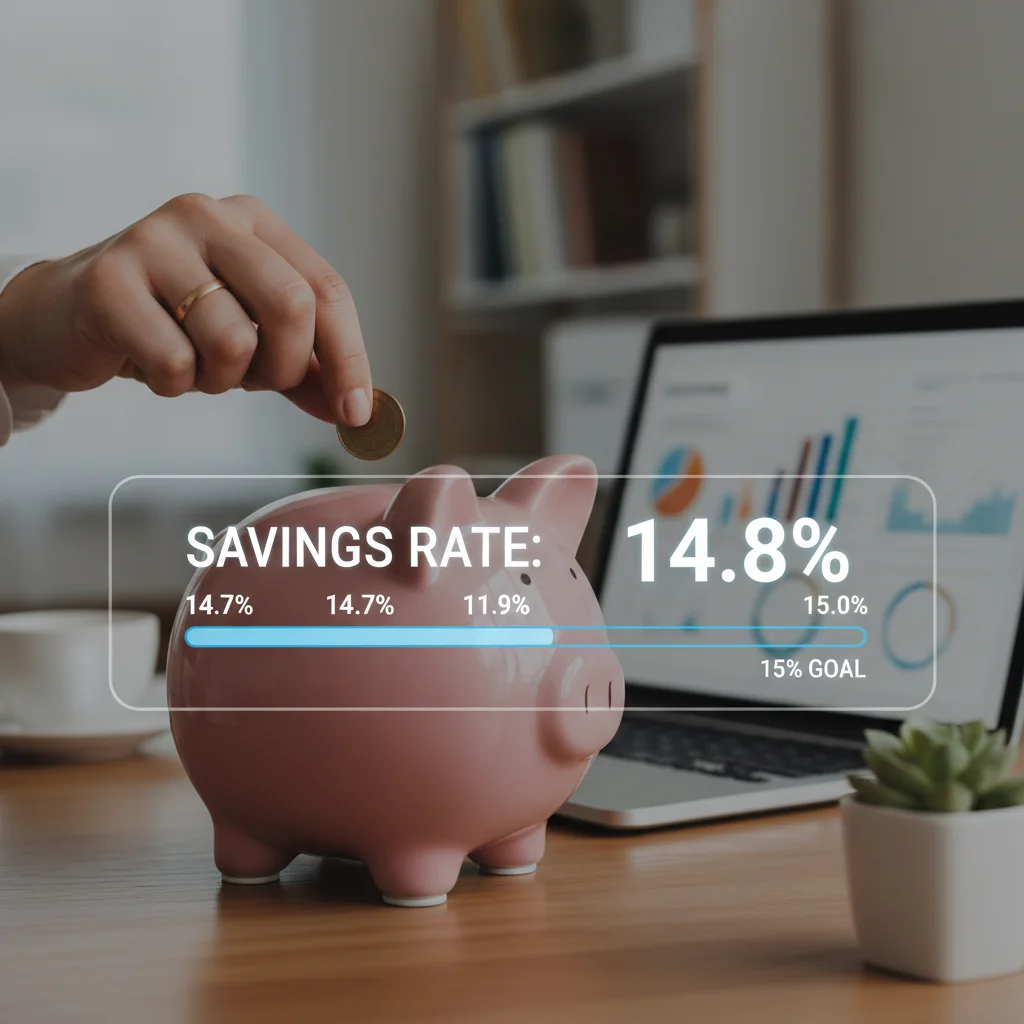
Start with a smaller amount if 15% seems daunting, and gradually increase it as you adjust your spending. The key is consistency. Make it a non-negotiable part of your financial routine. Many banks offer features to set up recurring transfers, making this incredibly easy to implement.
Navigating Economic Shifts: Adapting Your Budget
The economy is rarely stagnant. Inflation, recessions, job market changes – these are all realities that can impact your financial plan. A robust personal budgeting savings strategy isn’t just about setting a budget; it’s about building a flexible one that can adapt to these changes.
Building an Emergency Fund: Your Financial Safety Net
An emergency fund is paramount, especially in a shifting economy. This is a dedicated savings account holding 3-6 months’ worth of essential living expenses. It acts as a buffer against unexpected events like job loss, medical emergencies, or significant home repairs. Without an emergency fund, unexpected costs can derail your savings goals and force you into debt.
Prioritize building this fund before aggressively pursuing other savings goals. Think of it as insurance for your financial future. Keep it in a separate, easily accessible, but not too easily spent, high-yield savings account.
Inflation-Proofing Your Budget
Inflation can quietly erode your purchasing power. To counter this, consider these strategies:
- Review and Adjust: Periodically review your budget to account for rising costs. What cost $100 last year might cost $105 this year.
- Seek Value: Look for ways to get more for your money. Buy in bulk, use coupons, compare prices, and choose store brands.
- Invest Wisely: Ensure your investments are outpacing inflation. Consult a financial advisor to ensure your portfolio is diversified and aligned with your risk tolerance.
- Increase Income: Explore opportunities to increase your income, whether through salary negotiations, a side hustle, or skill development.
Debt Management in Volatile Times
High-interest debt can be a significant drain on your budget, especially when interest rates are rising. Prioritize paying down credit card debt, personal loans, and other high-interest obligations. The money you save on interest payments can then be redirected towards your personal budgeting savings goal.
Consider strategies like the debt snowball or debt avalanche method. The debt snowball focuses on paying off the smallest debts first for motivational wins, while the debt avalanche tackles debts with the highest interest rates first to save more money overall.
Advanced Strategies for Boosting Your 15% Savings Rate
Once you’ve mastered the basics of personal budgeting savings, you can explore more advanced techniques to accelerate your progress towards a 15% savings rate by 2026.
Increasing Your Income: Beyond Budget Cuts
While cutting expenses is vital, there’s a limit to how much you can cut. Increasing your income, however, has virtually no upper limit. Consider:
- Negotiating a Raise: If you’ve been performing well, prepare a strong case for a salary increase.
- Side Hustles: Explore freelancing, consulting, or starting a small business based on your skills and interests.
- Skill Development: Invest in courses or certifications that can lead to higher-paying roles or new income streams.
- Passive Income Streams: Look into opportunities like dividend stocks, rental properties, or high-yield savings accounts, though these often require initial capital.
Optimizing Your Investments for Growth
Saving money is one thing; making it grow is another. To achieve your 15% savings goal and beyond, you’ll need to consider investing. Even small amounts, invested consistently, can grow substantially over time thanks to compound interest.
- Retirement Accounts: Maximize contributions to tax-advantaged accounts like 401(k)s and IRAs. Employer matching contributions are essentially free money.
- Diversification: Don’t put all your eggs in one basket. Diversify your investments across different asset classes (stocks, bonds, real estate) and geographies to mitigate risk.
- Low-Cost Index Funds/ETFs: These are excellent options for beginners and experienced investors alike, offering broad market exposure at minimal cost.
- Regular Review: Periodically review your investment portfolio to ensure it aligns with your financial goals and risk tolerance.
Leveraging Windfalls and Bonuses
Any unexpected income, such as a work bonus, tax refund, inheritance, or even a gift, presents a golden opportunity to boost your personal budgeting savings. Instead of spending it all, commit a significant portion (e.g., 50-80%) to your savings or debt repayment goals. This can provide a substantial leap forward without impacting your regular budget.
Maintaining Momentum and Staying Motivated
Achieving a 15% savings rate by 2026 is a marathon, not a sprint. Consistency and motivation are key to long-term success in personal budgeting savings.
Regular Budget Reviews and Adjustments
Your budget isn’t a static document; it’s a living tool that needs regular attention. Schedule monthly or quarterly budget reviews. During these reviews:
- Compare your actual spending against your budgeted amounts.
- Identify any discrepancies and understand why they occurred.
- Make necessary adjustments based on changes in income, expenses, or financial goals.
- Celebrate your successes and learn from your setbacks.
Setting SMART Financial Goals
Your 15% savings rate by 2026 is a great overarching goal, but breaking it down into smaller, SMART (Specific, Measurable, Achievable, Relevant, Time-bound) goals can make it more manageable and motivating:
- Specific: Instead of ‘save more,’ aim for ‘save an additional $200 per month.’
- Measurable: Track your progress using apps or spreadsheets.
- Achievable: Ensure your goals are realistic given your income and expenses.
- Relevant: Your goals should align with your broader financial aspirations.
- Time-bound: Set deadlines for each mini-goal, e.g., ‘increase savings by 2% in the next three months.’
Finding a Financial Accountability Partner or Community
Sharing your financial goals with a trusted friend, family member, or joining an online financial community can provide valuable accountability and support. Discussing strategies, celebrating wins, and commiserating over challenges can keep you motivated and on track. Many people find that being part of a group makes the journey toward financial freedom less isolating and more enjoyable.

Rewarding Milestones (Responsibly)
Don’t forget to celebrate your progress! Reaching a certain savings milestone or successfully sticking to your budget for a quarter deserves recognition. Just ensure your rewards are responsible and don’t derail your hard-earned progress. A small treat, a weekend getaway, or investing in a skill-building course can be great motivators.
The Psychological Aspect of Personal Budgeting and Saving
Financial management isn’t just about numbers; it’s also about psychology. Our emotions, habits, and beliefs about money significantly influence our spending and saving behaviors. Understanding these psychological factors can help you overcome common budgeting hurdles.
Overcoming Emotional Spending
Many people engage in emotional spending – shopping when they’re stressed, sad, or even overly happy. Recognizing your triggers is the first step. When you feel the urge to spend emotionally, pause. Ask yourself if this purchase genuinely aligns with your long-term financial goals. Find alternative coping mechanisms, such as exercise, meditation, or talking to a friend.
Dealing with Lifestyle Creep
As your income increases, there’s a natural tendency for your expenses to rise as well, a phenomenon known as lifestyle creep. You might upgrade your car, move to a more expensive neighborhood, or dine out more frequently. While it’s natural to enjoy the fruits of your labor, be mindful of how quickly these new expenses can eat into your potential savings. Consciously resist the urge to upgrade every aspect of your life immediately when your income grows. Instead, direct a significant portion of any pay raise directly into your personal budgeting savings.
Practicing Delayed Gratification
In a world of instant gratification, delayed gratification is a powerful financial superpower. It means resisting immediate temptations for greater long-term rewards. This principle is at the heart of effective saving and investing. Instead of buying that new gadget today, you choose to save for a down payment on a house or a comfortable retirement. Cultivating this mindset will profoundly impact your ability to achieve a 15% savings rate and beyond.
Conclusion: Your Path to Financial Resilience by 2026
Achieving a 15% savings rate by 2026, especially in a shifting economic climate, is a challenging but entirely attainable goal. It requires discipline, awareness, and a proactive approach to your finances. By establishing a clear financial baseline, crafting a flexible budget, automating your savings, and continuously adapting to economic changes, you are laying the groundwork for lasting financial success. Remember, personal budgeting savings is not about deprivation; it’s about making conscious choices that align with your values and secure your future.
Start today. Track your expenses, set up automatic transfers, and commit to reviewing your progress regularly. Every small step you take contributes to the larger goal. By 2026, you won’t just have a 15% savings rate; you’ll have built a foundation of financial resilience, peace of mind, and the freedom to pursue your dreams with confidence.