Gaming’s New Frontier: 5 Most Influential Video Games Shaping U.S. Pop Culture in Mid-2026
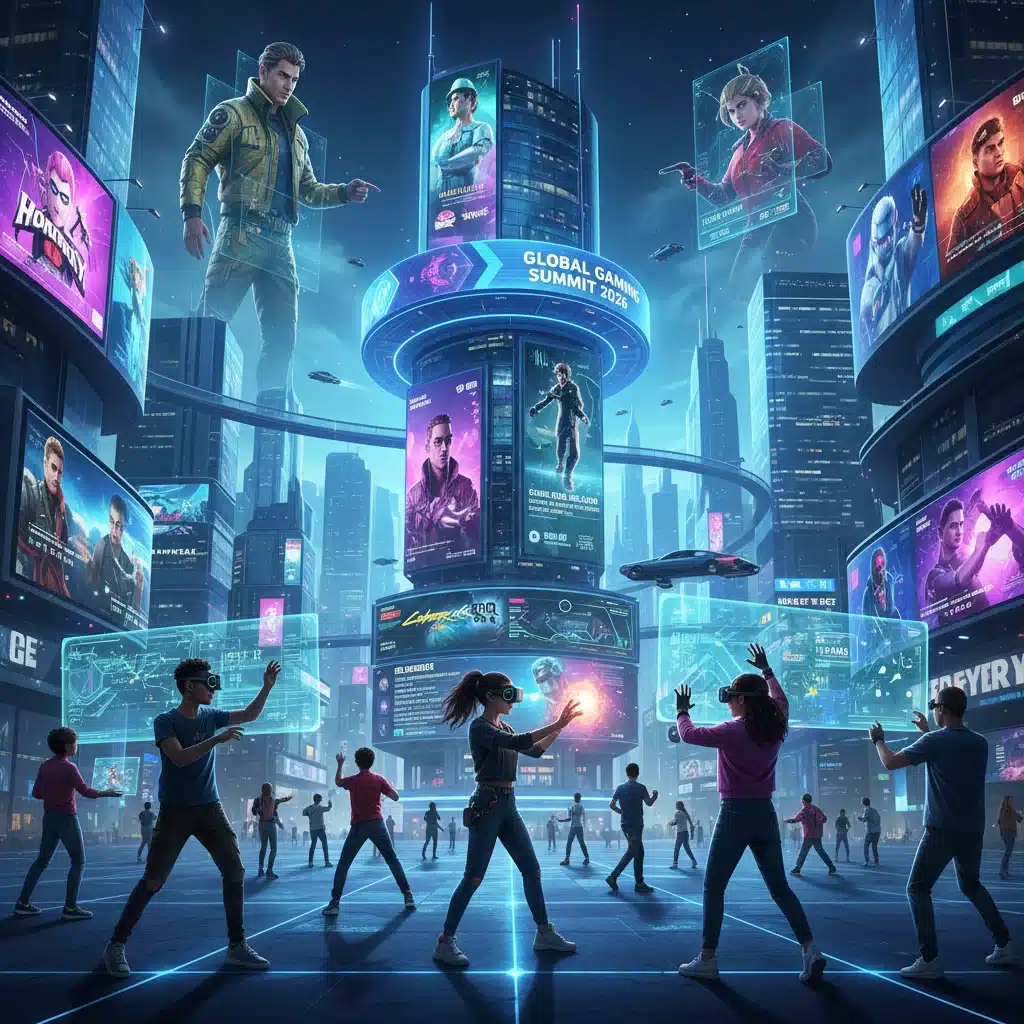
Gaming’s New Frontier: The 5 Most Influential Video Games Shaping U.S. Pop Culture in Mid-2026
The landscape of entertainment is constantly evolving, and at the forefront of this transformation is the video game industry. No longer a niche hobby, gaming has cemented its status as a dominant cultural force, influencing everything from fashion and music to social interaction and technological innovation. By mid-2026, several titles have risen above the rest, becoming truly influential video games that dictate trends and capture the collective imagination of the United States. These games are not just played; they are experienced, discussed, and woven into the very fabric of daily life. Understanding their impact is crucial for anyone seeking to grasp the pulse of modern pop culture.
In this comprehensive article, we will delve into the five most influential video games that are shaping U.S. pop culture in mid-2026. We’ll explore their unique mechanics, narrative depth, community impact, and how they have transcended the screen to leave an indelible mark on society. From groundbreaking technological advancements to innovative storytelling, these titles represent the pinnacle of interactive entertainment and showcase the power of influential video games to redefine cultural norms.
1. “ChronoVerse Online”: The Metaverse Pioneer
Emerging as more than just a massively multiplayer online role-playing game (MMORPG), “ChronoVerse Online” has become a true metaverse pioneer, redefining what it means to interact in a digital space. Its influence extends far beyond its intricate lore and engaging quests, establishing itself as one of the most influential video games of its generation. Launched in late 2024, by mid-2026, ChronoVerse Online boasts a staggering concurrent player count, with millions logging in daily not just to play, but to socialize, attend virtual concerts, conduct business, and even participate in digital fashion shows. The game’s economy, driven by player-owned assets and a robust NFT marketplace, has blurred the lines between virtual and real-world economies, creating new avenues for digital entrepreneurship and investment. Its impact on digital identity and community building is profound, offering a persistent, evolving world where players can craft their ideal selves and connect with others on an unprecedented scale. The developers’ commitment to continuous updates, player-driven content, and cross-platform accessibility has ensured its longevity and sustained its position as a cultural behemoth. “ChronoVerse Online” isn’t just a game; it’s a digital nation, a parallel existence where creativity and connection thrive, undeniably making it one of the most influential video games in recent memory.
Advertisements
The game’s success can be attributed to several key factors. Firstly, its open-ended nature allows for unparalleled player freedom. Unlike traditional MMORPGs that often guide players through linear narratives, ChronoVerse Online provides a vast sandbox where players dictate their own experiences. Whether it’s building elaborate virtual homes, running digital businesses, or simply exploring the meticulously crafted environments, the possibilities are endless. This sense of agency has fostered a highly engaged and loyal player base, eager to contribute to the ever-expanding world. Secondly, the integration of cutting-edge virtual reality (VR) technology has elevated the immersion to new heights. While playable on traditional screens, the full ChronoVerse Online experience is unlocked with VR headsets, allowing players to truly feel present within the digital realm. This technological leap has attracted a diverse audience, including many who were previously unfamiliar with VR, further expanding the game’s cultural reach. The game’s robust social features, including customizable avatars, in-game events, and player-run organizations, have also played a crucial role. Players can form guilds, host parties, and even get married within the game, creating deep and meaningful connections that extend beyond the digital world. This blend of technological innovation, player freedom, and strong community focus has solidified ChronoVerse Online’s status as a truly transformative and influential video game.
2. “Echoes of Elysium”: A Narrative Masterpiece Redefining Storytelling
When “Echoes of Elysium” launched, it wasn’t merely a game; it was a cinematic experience that pushed the boundaries of interactive storytelling. This single-player narrative-driven adventure has captivated audiences with its deep emotional resonance, complex characters, and branching storylines that react dynamically to player choices. Its influence as one of the most influential video games stems from its ability to evoke profound contemplation on themes of morality, loss, and redemption. Critics and players alike have lauded its groundbreaking use of AI-driven NPC behavior, which allows for incredibly realistic and unpredictable interactions, making each playthrough unique. The game’s stunning photorealistic graphics, combined with a hauntingly beautiful soundtrack, create an atmosphere that is both immersive and deeply affecting. “Echoes of Elysium” has not only set a new benchmark for narrative design in gaming but has also sparked widespread discussions in academic circles about the potential of video games as a legitimate art form. Its success has paved the way for more studios to invest in character-driven narratives, proving that emotional depth and intellectual stimulation can coexist with engaging gameplay. This title stands as a testament to the power of storytelling in interactive media, solidifying its place among the most influential video games of the current era.
The development team behind “Echoes of Elysium” meticulously crafted a world brimming with intricate details and rich lore. Every character, even minor ones, possesses a unique backstory and motivations, contributing to the overall depth of the narrative. The game’s branching dialogue system is particularly noteworthy, allowing players’ choices to have significant, long-term consequences on the storyline and character relationships. This level of player agency creates a powerful sense of ownership over the narrative, making each decision feel weighty and impactful. Furthermore, the game’s innovative use of procedural generation for certain environmental elements ensures that even multiple playthroughs offer fresh discoveries and challenges. Beyond its technical achievements, “Echoes of Elysium” tackles mature and complex themes with grace and nuance, prompting players to reflect on their own values and beliefs. This thoughtful approach to storytelling has resonated deeply with audiences, fostering a passionate community dedicated to dissecting its lore and debating its philosophical implications. The game’s impact extends beyond the gaming community, influencing discussions in literature, film, and even psychology, affirming its status as one of the most influential video games to emerge in recent years.

3. “Apex Legends: Reborn”: The Esports Juggernaut
While battle royale games have been a staple for years, “Apex Legends: Reborn” has managed to revitalize the genre and establish itself as an undisputed esports juggernaut, making it one of the most influential video games in competitive play. Building upon the solid foundation of its predecessor, Reborn introduced groundbreaking innovations in character abilities, map design, and team-based mechanics that elevated the strategic depth to new heights. Its fluid movement system and dynamic legend meta keep the gameplay fresh and exciting, ensuring a massive and dedicated player base. The game’s professional esports league has become a global phenomenon, attracting millions of viewers and offering substantial prize pools, turning professional gamers into household names. The cultural impact of “Apex Legends: Reborn” is evident in the prevalence of its terminology and catchphrases in everyday language, as well as the thriving ecosystem of streamers and content creators who have built careers around the game. It has democratized competitive gaming, making it accessible to a wider audience while maintaining a high skill ceiling for dedicated pros. The continuous stream of updates, new legends, and seasonal events ensures its relevance and keeps it firmly entrenched as one of the most influential video games shaping the competitive gaming landscape and broader pop culture.
“Apex Legends: Reborn” distinguishes itself through its commitment to tactical depth and team synergy. Each ‘Legend’ or character possesses a unique set of abilities that, when combined effectively with teammates, can turn the tide of battle. This emphasis on coordinated teamwork fosters a strong sense of camaraderie among players and makes for incredibly exciting spectator experiences in esports. The game’s developers have also been praised for their responsive approach to community feedback, frequently implementing changes and balancing updates to maintain a fair and engaging competitive environment. Furthermore, “Apex Legends: Reborn” has masterfully integrated monetization through cosmetic items, allowing players to personalize their experience without impacting gameplay balance. This ethical approach to microtransactions has contributed to its widespread acceptance and popularity. The game’s impact on streaming culture is undeniable, with top streamers regularly attracting hundreds of thousands of viewers, showcasing high-level gameplay and entertaining personalities. This symbiotic relationship between the game and its content creators has amplified its reach and solidified its position as a cultural touchstone. Its enduring popularity and status as a premier esports title undeniably mark it as one of the most influential video games in the current entertainment landscape.
4. “Pixel Canvas”: The Creative Sandbox Revolution
In an era where user-generated content reigns supreme, “Pixel Canvas” has emerged as the ultimate creative sandbox, earning its place among the most influential video games by empowering millions to become creators. More than just a game, Pixel Canvas is a platform where players can design, build, and share virtually anything imaginable, from intricate virtual worlds and mini-games to interactive art installations and educational experiences. Its intuitive drag-and-drop interface and powerful scripting tools have lowered the barrier to entry for game development, fostering a new generation of digital artists, programmers, and storytellers. The game’s robust marketplace allows creators to monetize their creations, establishing a thriving economy that supports independent development. “Pixel Canvas” has become a digital playground for all ages, with schools even incorporating it into their curricula to teach fundamental coding and design principles. Its viral nature, driven by innovative player-made content, consistently generates headlines and trends across social media platforms. The cultural phenomenon of “Pixel Canvas” lies in its ability to transform passive consumers into active producers, democratizing creativity and proving that the most influential video games are often those that provide the tools for limitless imagination.
The community aspect of “Pixel Canvas” is perhaps its greatest strength. Players can easily collaborate on projects, share resources, and provide feedback, fostering a vibrant and supportive ecosystem of creators. The game’s developers regularly highlight outstanding community creations, providing visibility and inspiration for aspiring builders. This emphasis on collaboration and recognition has cultivated an environment where innovation flourishes. Furthermore, “Pixel Canvas” offers extensive cross-platform support, allowing players to create and experience content seamlessly across various devices, from PCs and consoles to mobile phones and VR headsets. This accessibility has significantly broadened its user base and cultural impact. The educational potential of “Pixel Canvas” cannot be overstated; it teaches problem-solving, logical thinking, and artistic expression in an engaging and interactive way. Many young players who started by building simple structures within the game have gone on to pursue careers in game development, programming, or digital art. By providing a powerful yet accessible toolset for creation, “Pixel Canvas” has not only redefined what a video game can be but has also become a pivotal and influential video game in shaping future generations of digital innovators.

5. “CyberNexus 2077”: The Open-World RPG with Unmatched Immersion
Building on the legacy of its acclaimed predecessor, “CyberNexus 2077” has solidified its position as one of the most influential video games by delivering an unparalleled open-world role-playing experience that blurs the lines between gaming and living. Set in a dystopian future brimming with advanced technology and complex socio-political dynamics, the game offers a meticulously crafted world that feels alive and reactive. Its influence comes from its groundbreaking procedural generation of NPC routines and environmental details, ensuring that no two playthroughs are exactly alike. Players are granted an astonishing degree of freedom in character customization, narrative choices, and exploration, fostering a deep personal connection to the game world. The game’s advanced AI systems create dynamic situations and unexpected encounters, making every street corner and alleyway feel like a potential new adventure. Beyond its technical prowess, “CyberNexus 2077” has resonated culturally due to its exploration of timely themes such as transhumanism, corporate control, and the definition of humanity in a technologically advanced society. It has sparked countless discussions, fan theories, and analyses, proving that influential video games can serve as powerful mediums for social commentary and philosophical inquiry. Its immersive qualities and thought-provoking narrative have firmly established it as a cornerstone of modern gaming and a significant cultural phenomenon.
The sheer scale and detail of “CyberNexus 2077” are breathtaking. Night City, the game’s primary setting, is a sprawling metropolis meticulously designed with distinct districts, each with its own unique culture, architecture, and challenges. The game’s non-linear narrative allows players to approach quests and objectives in a multitude of ways, leading to diverse outcomes and replayability. Furthermore, the game’s character progression system offers deep customization, enabling players to specialize in various combat styles, hacking abilities, or social manipulation, truly allowing them to embody their chosen role. The technological innovations in “CyberNexus 2077” are particularly noteworthy. Its ray-tracing implementation creates incredibly realistic lighting and reflections, enhancing the visual fidelity to an unprecedented degree. The game also features advanced haptic feedback, providing a more immersive sensory experience, especially when playing with compatible controllers or VR peripherals. The game’s influence extends beyond its technical achievements, however. It has inspired a wave of cyberpunk-themed media, from fashion to music, and has solidified the genre’s place in mainstream pop culture. The ongoing support from the developers, including substantial expansions and community-driven content, ensures that “CyberNexus 2077” will continue to be one of the most influential video games for years to come, consistently pushing the boundaries of what an open-world RPG can achieve.
The Broader Impact of Influential Video Games on U.S. Pop Culture
The five titles discussed above represent a snapshot of the most influential video games shaping U.S. pop culture in mid-2026, but their collective impact extends far beyond their individual successes. These games, and many others, are driving significant shifts across various sectors of society. Economically, the gaming industry continues its exponential growth, creating millions of jobs in development, esports, streaming, and merchandise. Brands are increasingly looking to integrate into virtual worlds and utilize game mechanics for marketing, recognizing the immense engagement potential. Socially, gaming platforms have become vital spaces for connection and community, especially for younger generations. Friendships are forged, relationships blossom, and shared experiences create bonds that transcend geographical boundaries. The rise of content creation around these influential video games has also democratized media, allowing individuals to become broadcasters, critics, and entertainers, often achieving celebrity status rivaling traditional media stars.
Technologically, the demands of these advanced games are pushing the boundaries of hardware and software development. Innovations in graphics cards, processors, VR/AR technology, and AI are often first driven by the gaming industry before finding applications in other fields. The pursuit of greater immersion and realism in games fuels research and development that benefits sectors like healthcare, education, and engineering. Furthermore, the narratives and themes explored in these influential video games often reflect and influence societal conversations. They provide platforms for exploring complex ethical dilemmas, diverse perspectives, and speculative futures, fostering critical thinking and empathy among players. The lines between gaming, film, music, and art are increasingly blurring, with game soundtracks becoming popular albums, and game characters inspiring fashion lines and cinematic adaptations. This pervasive influence underscores that video games are not just a form of entertainment but a powerful cultural force that is redefining how we interact with technology, each other, and the stories we consume. The continuous evolution of these influential video games promises an even more integrated and impactful future for gaming in U.S. pop culture.
Conclusion: Gaming’s Enduring Cultural Legacy
As we navigate through mid-2026, it is unequivocally clear that video games are no longer a peripheral form of entertainment but a central pillar of U.S. pop culture. The five titles – “ChronoVerse Online,” “Echoes of Elysium,” “Apex Legends: Reborn,” “Pixel Canvas,” and “CyberNexus 2077” – stand as prime examples of influential video games that have transcended their digital confines to shape societal trends, technological advancements, and the very fabric of human interaction. From pioneering the metaverse and redefining narrative storytelling to dominating the esports arena, empowering creative expression, and delivering unparalleled immersion, these games showcase the diverse and profound impact of the medium.
Their influence will undoubtedly continue to grow, as developers push the boundaries of innovation and players demand ever more engaging and meaningful experiences. The lessons learned from these influential video games will inform future titles, ensuring a continuous cycle of evolution and cultural integration. As technology advances and creativity flourishes, we can expect the next wave of games to further blur the lines between virtual and reality, offering new ways to connect, learn, and entertain. The enduring legacy of these influential video games is a testament to the power of interactive media to not only reflect our world but also to actively shape its future. The gaming frontier is continuously expanding, and its role in U.S. pop culture is only set to become more profound and pervasive in the years to come.