Navigating Music Industry Shifts: 2026 Artist Strategies for Streaming and Fan Engagement
Navigating Music Industry Shifts: 2026 Artist Strategies for Streaming and Fan Engagement
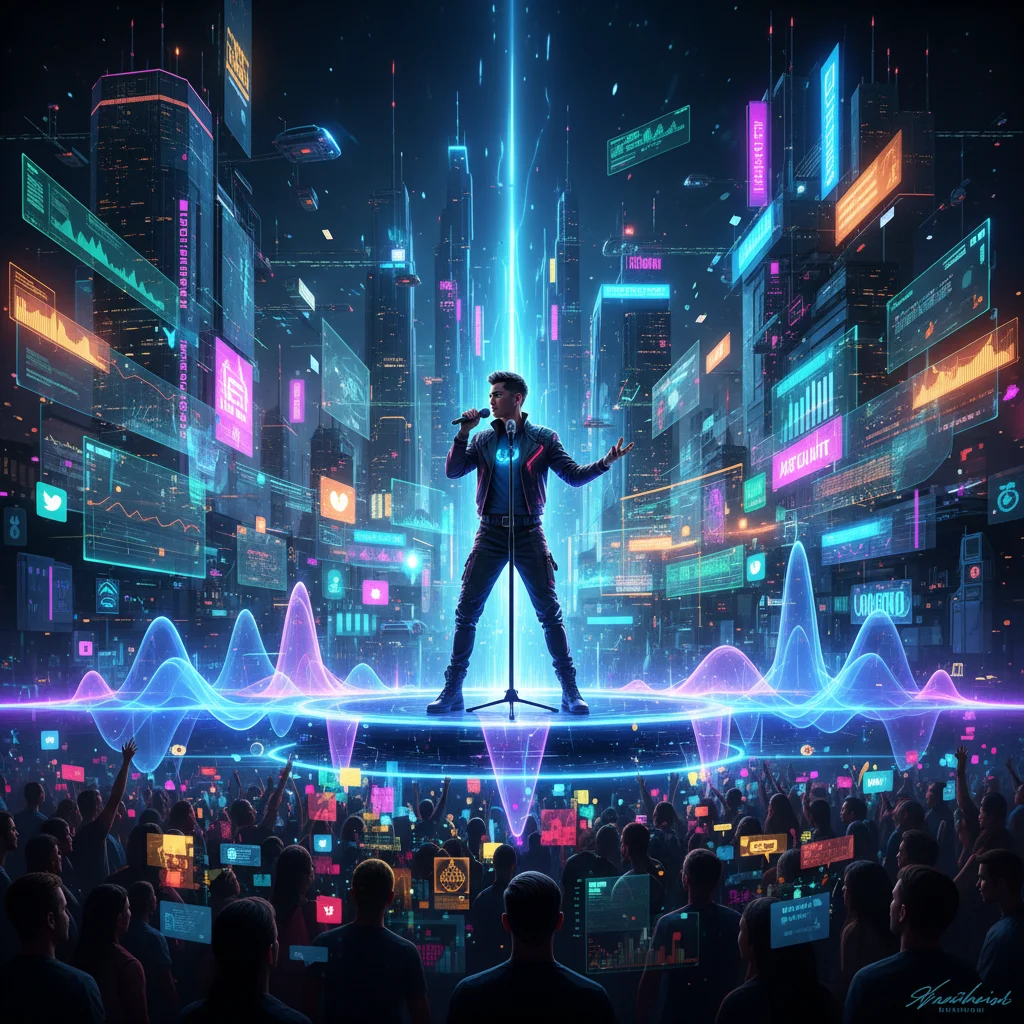
The music industry has always been a dynamic beast, constantly evolving with technological advancements and shifting consumer behaviors. As we delve into 2026, the landscape is more complex and exciting than ever before. Artists today face a unique set of challenges and opportunities, particularly concerning streaming royalties and fostering genuine fan engagement. Understanding these significant music industry shifts is not just beneficial; it’s absolutely crucial for survival and success.
Gone are the days when a record deal was the sole path to stardom. While major labels still play a pivotal role, independent artists now wield unprecedented power, fueled by direct-to-fan platforms and innovative monetization models. This article will explore the core strategies artists are employing in 2026 to navigate these turbulent yet promising waters, ensuring their music reaches audiences and generates sustainable income.
Advertisements
The Evolving Landscape of Streaming Royalties: A Double-Edged Sword
Streaming platforms have democratized music distribution, making it easier than ever for artists to share their creations with a global audience. However, the financial returns from streaming royalties have long been a contentious issue. In 2026, while the fundamental model remains, there are significant adjustments and new approaches that artists must understand to maximize their earnings.
Understanding the Royalty Structure in 2026
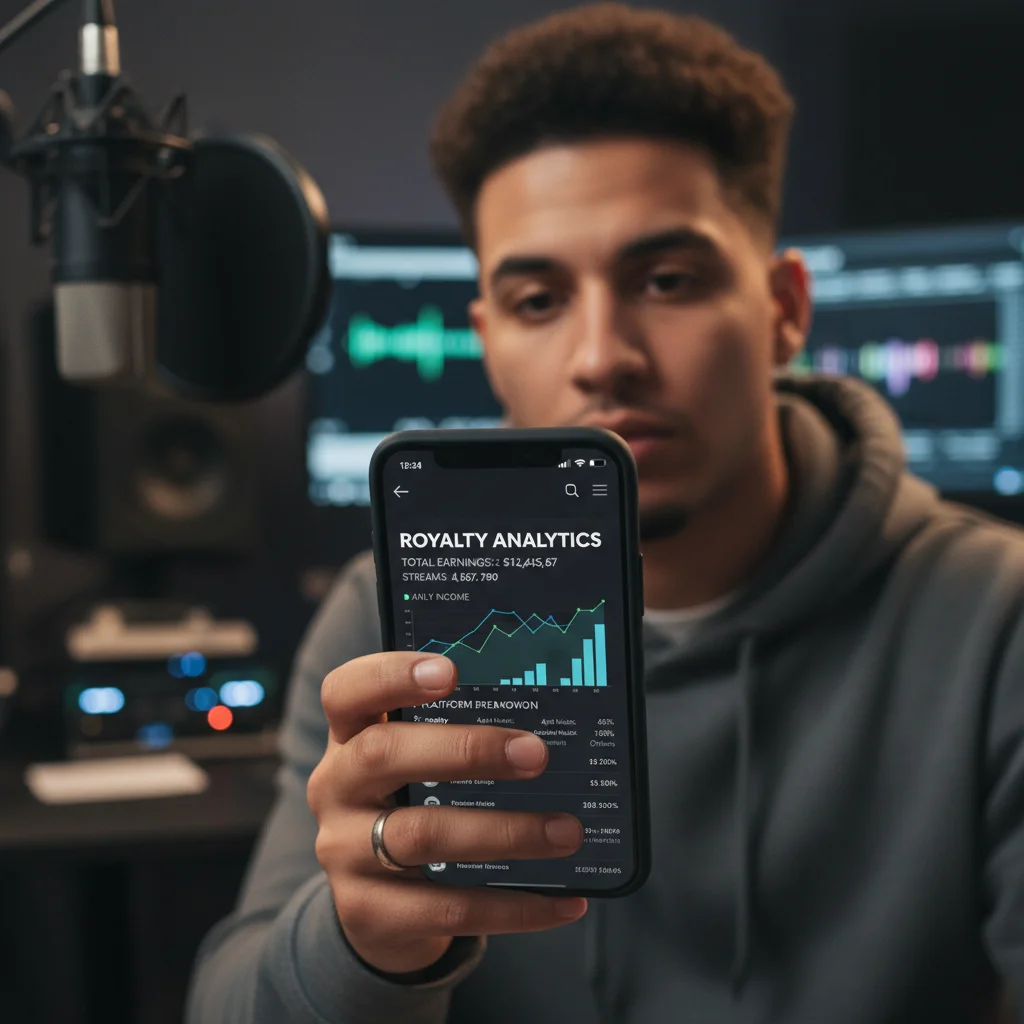
The opaque nature of streaming royalty calculations has been a persistent frustration for many. However, transparency is slowly improving, with more platforms offering detailed analytics dashboards. Artists in 2026 are not just blindly accepting payouts; they are actively dissecting their data. This includes understanding the per-stream rates, which vary wildly between platforms and subscription tiers, and recognizing the difference between master recording royalties and publishing royalties.
Moreover, new models are emerging. Some platforms are experimenting with user-centric payment systems (UCPS), where subscription fees are distributed based on an individual subscriber’s listening habits, rather than a pro-rata model based on overall streams. This is a monumental music industry shift that could significantly benefit niche artists with dedicated fanbases. Artists are increasingly advocating for and exploring platforms that adopt these fairer distribution methods.
Diversifying Income Beyond Per-Stream Payouts
Relying solely on per-stream royalties is a precarious strategy. Successful artists in 2026 have recognized this and are aggressively diversifying their income streams. This includes:
- Direct-to-Fan (D2F) Sales: Selling digital downloads, physical merchandise (vinyl, CDs, apparel), and exclusive content directly through their websites or platforms like Bandcamp.
- Sync Licensing: Licensing their music for use in films, TV shows, commercials, video games, and podcasts. This can provide substantial upfront fees and ongoing royalties.
- Live Performances (Virtual and Physical): While physical concerts are making a strong comeback, virtual concerts and hybrid events continue to be a significant revenue stream, reaching global audiences without geographical limitations.
- NFTs and Web3 Music: The blockchain revolution is slowly but surely impacting music. Artists are experimenting with NFTs for exclusive tracks, album art, fan experiences, and even fractional ownership of their music rights, creating new avenues for monetization and fan engagement.
- Brand Partnerships and Sponsorships: Aligning with brands that resonate with their artistic vision and audience demographics.
- Patreon and Subscription Models: Offering exclusive content, early access, and direct interaction to loyal fans willing to pay a recurring subscription.
These diverse income streams create a more robust financial foundation, making artists less vulnerable to the fluctuations of streaming platform policies and per-stream rates. This proactive approach to monetization is a hallmark of artists thriving amidst the current music industry shifts.
Mastering Fan Engagement: Building a Loyal Community
In the digital age, an artist’s success is increasingly tied to their ability to cultivate and maintain a loyal fanbase. It’s no longer enough to just release good music; artists must actively engage with their audience, transforming listeners into dedicated community members. This is where the real power lies in navigating the music industry shifts of 2026.
Personalized and Authentic Connections
Fans crave authenticity and personal connection. Artists who succeed in 2026 understand that every interaction, no matter how small, contributes to building a stronger bond. This means:
- Direct Messaging and Social Media Interaction: Responding to comments, engaging in conversations, and using platforms not just for broadcasting, but for genuine dialogue.
- Behind-the-Scenes Content: Sharing snippets of the creative process, studio life, tour experiences, and personal stories. This humanizes the artist and makes fans feel more invested.
- Fan-Centric Events: Hosting Q&A sessions, listening parties, and virtual meet-and-greets.
- Personalized Communication: Utilizing email newsletters and segmented messaging to deliver tailored content and offers to different fan groups.
The goal is to move beyond a transactional relationship and foster a sense of belonging and shared journey between the artist and their audience.
Leveraging Data for Deeper Engagement
Data analytics, once the exclusive domain of record labels, is now an indispensable tool for independent artists. Streaming platforms, social media, and D2F sites provide a wealth of information about fan demographics, listening habits, geographic locations, and engagement patterns. Artists in 2026 are using this data to:
- Target Marketing: Identifying specific fan segments for targeted ad campaigns or content promotion.
- Tour Planning: Pinpointing cities with high concentrations of fans to plan more successful live shows.
- Content Creation: Understanding which songs, genres, or themes resonate most with their audience to inform future creative decisions.
- Optimizing Release Strategies: Determining the best times and platforms to release new music for maximum impact.
This data-driven approach allows artists to make informed decisions, optimize their efforts, and ultimately, build a more engaged and valuable fanbase. It’s about working smarter, not just harder, in the face of significant music industry shifts.
The Rise of Web3 and Decentralized Music Ecosystems
Perhaps one of the most transformative music industry shifts on the horizon, and already taking root in 2026, is the integration of Web3 technologies. Blockchain, NFTs, and decentralized autonomous organizations (DAOs) are offering artists new paradigms for ownership, monetization, and community building.
NFTs: More Than Just JPEGs
While early NFT hype often focused on digital art, the music industry is finding profound applications for this technology. For artists, NFTs represent:
- Direct Ownership and Royalties: Artists can mint their music as NFTs, giving them direct control over their intellectual property and allowing them to receive royalties directly from secondary sales.
- Exclusive Content and Experiences: NFTs can unlock access to exclusive tracks, behind-the-scenes footage, concert tickets, or even direct interactions with the artist.
- Fractional Ownership: Fans can buy fractional ownership of a song or album, becoming a direct stakeholder in the artist’s success and sharing in future royalties. This creates a powerful incentive for fans to promote the music they own.
- Proof of Authenticity and Scarcity: NFTs provide verifiable proof of ownership and create digital scarcity, which can drive value for collectors.
Artists are carefully experimenting with NFTs, understanding that successful implementation requires a clear value proposition for their fans beyond mere speculation. The focus is on utility and community building.
DAOs: Community-Governed Music
Decentralized Autonomous Organizations (DAOs) are emerging as a fascinating model for music creation, funding, and distribution. In a music DAO, members (often token holders) can collectively decide on artist funding, project direction, and even the selection of new music to promote. This creates a truly democratic and community-driven approach to music. For artists, DAOs offer:
- Alternative Funding Mechanisms: Bypassing traditional labels and raising capital directly from a community of supporters.
- Collaborative Creation: Working with a community that has a vested interest in the project’s success.
- Fairer Distribution: Potentially more equitable royalty distribution models determined by the community.
While still in their nascent stages, music DAOs represent a radical vision for the future of the industry, empowering artists and fans alike in unprecedented ways. These are exciting music industry shifts that promise to reshape how music is made and consumed.
The Power of Collaboration and Community Building
In 2026, the lone wolf artist is a rare breed. Collaboration, both with other artists and with their community, is a cornerstone of success. The interconnectedness of the digital world fosters a culture of mutual support and shared growth.
Artist-to-Artist Collaborations
Collaborating with other musicians, producers, and songwriters expands an artist’s reach to new audiences and often sparks fresh creative ideas. These collaborations can take many forms:
- Feature Tracks: A common strategy to cross-pollinate fanbases.
- Joint EPs or Albums: More extensive projects that showcase synergistic creative visions.
- Co-writing Sessions: Tapping into diverse perspectives to enrich songwriting.
- Live Performance Guest Spots: Adding excitement and variety to shows.
These partnerships are strategic, allowing artists to tap into existing fan networks and build a broader presence without solely relying on paid advertising. This is a smart way to navigate the competitive nature of the music industry shifts.
Building a Team and Network
Even independent artists need a team. This might include a manager, publicist, booking agent, social media strategist, and legal counsel. The key is to build a trusted network of professionals who believe in the artist’s vision and can help navigate the complexities of the industry. Networking with peers, attending industry conferences (both virtual and physical), and engaging in online communities are vital for building these connections.
Mental Health and Sustainability in the Music Industry
Amidst all the technological advancements and strategic maneuvering, a crucial aspect of the music industry shifts in 2026 is the increasing focus on artist well-being and sustainable careers. The demands of constant content creation, social media presence, and financial pressures can take a toll.
Prioritizing Well-being
Artists are becoming more vocal about the importance of mental health. The industry is slowly responding with resources and support systems. Strategies for artists include:
- Setting Boundaries: Differentiating between personal and professional life, and taking breaks from social media.
- Building a Support System: Connecting with other artists and professionals who understand the unique challenges of the industry.
- Seeking Professional Help: Recognizing when to reach out to therapists or counselors.
- Mindfulness and Self-Care Practices: Incorporating routines that promote mental and physical health.
A sustainable career is built on a healthy artist, and this recognition is a positive development in the evolving music landscape.
Long-Term Career Planning
The ephemeral nature of viral fame means that artists need to think beyond short-term success. Long-term career planning involves:
- Building a Catalog: Consistently releasing quality music that stands the test of time.
- Developing Multiple Skills: Learning about production, mixing, marketing, and business aspects of music.
- Financial Literacy: Understanding personal finance, investments, and managing royalties effectively.
- Adaptability: Remaining open to new technologies and trends, and being willing to pivot strategies as the industry continues to evolve.
The ability to adapt and plan for the future is perhaps the most important skill an artist can possess in navigating the ongoing music industry shifts.
The Role of AI in Music Creation and Distribution
Artificial Intelligence (AI) is no longer a futuristic concept; it’s an active participant in the 2026 music industry. From music creation to distribution and promotion, AI is introducing both revolutionary tools and ethical dilemmas that artists must contend with.
AI as a Creative Assistant
Many artists are embracing AI as a powerful creative assistant. AI tools can:
- Generate Melodies and Harmonies: AI can suggest musical phrases, chord progressions, or even entire instrumental tracks, helping overcome creative blocks.
- Assist with Mixing and Mastering: AI-powered plugins can analyze audio and suggest optimal settings for a professional sound.
- Create Unique Sounds: AI can synthesize novel sounds and textures, expanding the sonic palette available to artists.
- Personalized Music Generation: Some AI systems can create bespoke music tailored to specific moods or activities, opening new avenues for artists to license their work for personalized experiences.
The key for artists is to use AI as a tool to enhance their creativity, not replace it, ensuring their unique artistic voice remains at the forefront. This integration of AI is a significant one among the current music industry shifts.
AI in Marketing and Analytics
Beyond creation, AI is revolutionizing how music is marketed and discovered:
- Algorithmic Curation: Streaming platforms use AI to recommend music to listeners, making it vital for artists to understand how these algorithms work and optimize their music for discoverability.
- Targeted Advertising: AI-driven ad platforms can identify potential fans with incredible precision, allowing artists to reach the right audience more efficiently.
- Predictive Analytics: AI can analyze trends and predict potential hits, offering insights into genre popularity and listener preferences.
- Automated Content Generation: AI can assist in generating social media captions, ad copy, and even short video clips for promotional purposes.
While AI offers immense benefits, ethical considerations around copyright, fair compensation for AI-generated elements, and the potential for market saturation are ongoing discussions. Artists must stay informed and advocate for policies that protect human creativity in this evolving landscape.
Conclusion: Adapt, Engage, and Innovate
The music industry shifts of 2026 present a complex yet undeniably exciting environment for artists. The power balance continues to shift, empowering independent creators with more tools and direct access to their audience than ever before. However, this empowerment comes with the responsibility of understanding intricate royalty structures, mastering direct-to-fan engagement, and intelligently leveraging emerging technologies like Web3 and AI.
Artists who thrive in this new era are those who are adaptable, continuously learning, and committed to building genuine connections with their fans. They diversify their income streams, embrace data-driven strategies, and prioritize their well-being. The future of music is not just about creating art; it’s about building a sustainable ecosystem around that art, fostering a community, and navigating the digital frontier with creativity and strategic foresight. The artists of 2026 are not just musicians; they are entrepreneurs, community builders, and innovators, constantly redefining what it means to be successful in the ever-changing world of music.