Fashion’s 2026 Pop Culture Crossover: Street Style Influencing High Fashion
Fashion’s 2026 Pop Culture Crossover: How Street Style is Influencing High Fashion
In the ever-evolving landscape of fashion, 2026 marks a pivotal moment where the raw, unfiltered energy of the streets has not just knocked on the door of high fashion, but has decisively kicked it open. The traditional hierarchy, once rigidly separating the haute couture runways from the everyday sartorial choices of urban dwellers, has dissolved into a fluid, dynamic exchange. This unprecedented street style influence is not merely a fleeting trend; it’s a fundamental shift in how fashion is conceived, created, and consumed. This article delves deep into the mechanisms, manifestations, and future implications of this powerful crossover, exploring how pop culture, social media, and a globalized perspective are redefining luxury and accessibility.
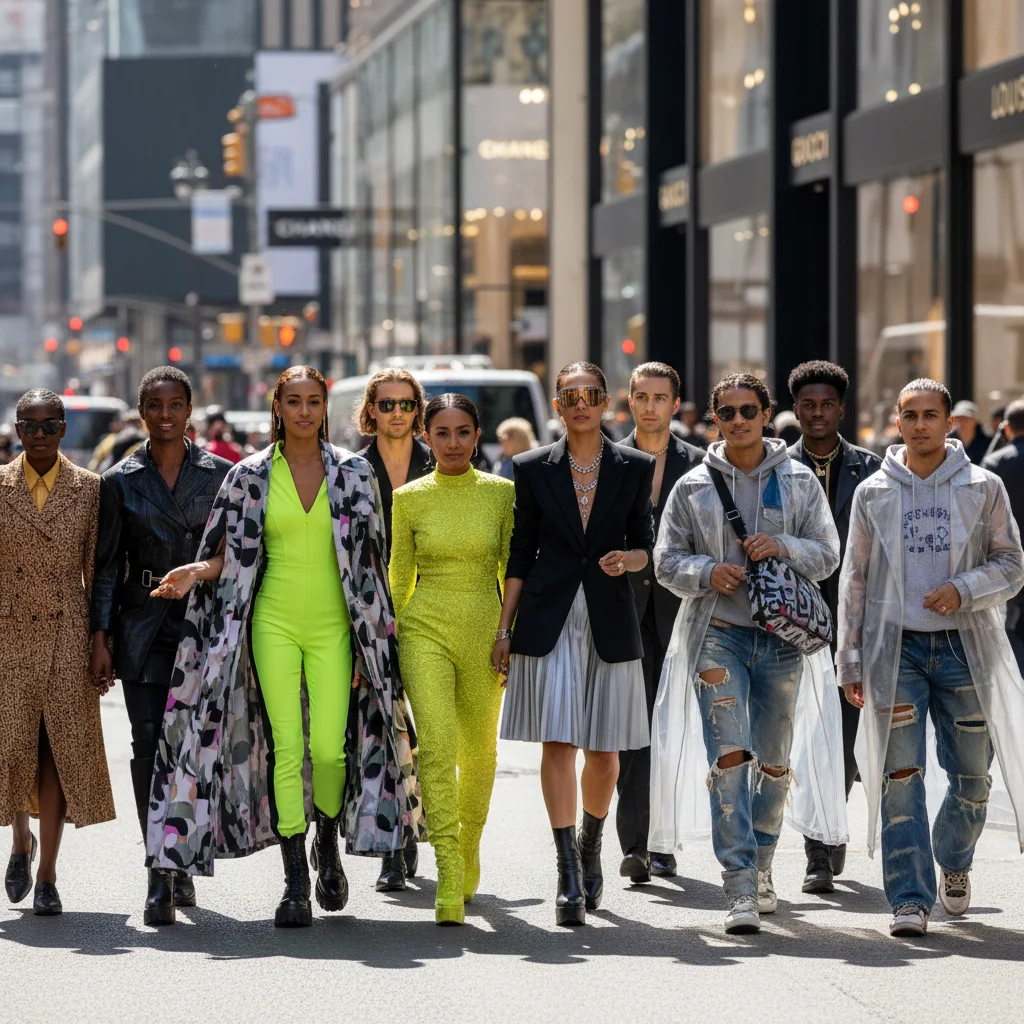
For decades, high fashion dictated trends from an ivory tower, with designers presenting collections that trickled down to the masses. Today, the flow is reciprocal, if not entirely reversed. The authentic, often rebellious, expressions found in street style are now the primary wellspring of inspiration for many luxury brands. This isn’t just about borrowing elements; it’s about a complete absorption of the street’s ethos – its spontaneity, its diversity, and its unapologetic individuality. The result is a vibrant tapestry where bespoke tailoring meets oversized hoodies, where vintage sneakers are paired with designer gowns, and where cultural narratives are woven into every stitch.
Advertisements
The Genesis of Street Style Influence: A Historical Perspective
To truly appreciate the current impact, it’s crucial to understand the historical trajectory of street style influence. While often perceived as a modern phenomenon, its roots can be traced back to various subcultures of the 20th century. Think of the rebellious youth movements of the 1950s, the mod culture of the 1960s, punk rock of the 1970s, and hip-hop culture of the 1980s and 90s. Each of these movements cultivated distinctive aesthetics that, over time, were appropriated and reinterpreted by mainstream fashion. However, what differentiates the current era is the speed and scale of this integration.
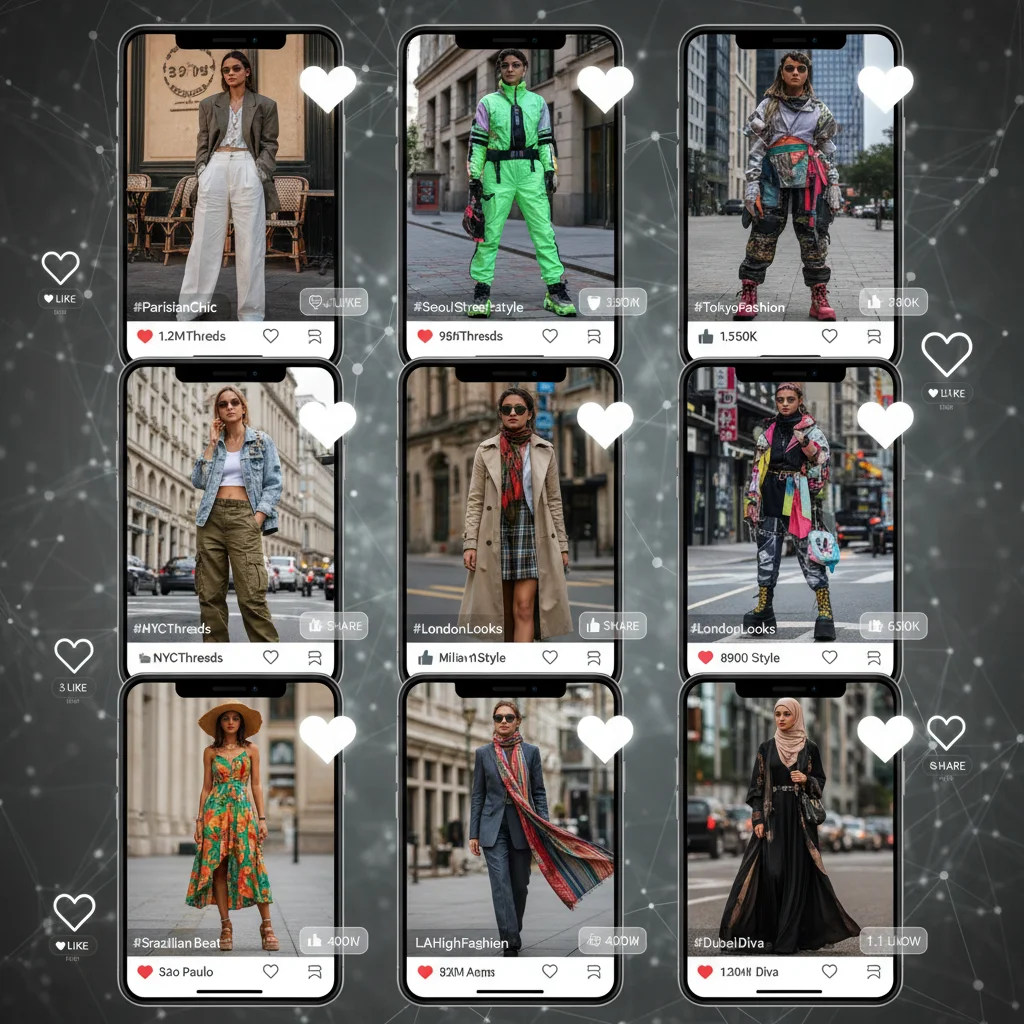
Historically, the adoption of street trends by high fashion was a slower, more deliberate process. Designers would observe, interpret, and then present their refined versions. In 2026, thanks to instantaneous global communication and the democratization of fashion commentary, this process is hyper-accelerated. A viral street style look from Seoul can be on a Parisian runway mood board within days, influencing upcoming collections at an unprecedented pace. This rapid feedback loop has made street style not just an inspiration, but a direct, real-time barometer of consumer desires and cultural shifts.
Pop Culture as the Catalyst: From Screens to Seams
The undeniable force accelerating the street style influence on high fashion is pop culture. Movies, music videos, social media trends, and celebrity endorsements act as powerful amplifiers, transforming niche street aesthetics into global phenomena. Musicians, actors, and influencers, often seen as style icons, effortlessly bridge the gap between their personal street-inspired wardrobes and their high-profile public appearances. This visibility normalizes and glamorizes styles that originated far from traditional fashion capitals.
Consider the impact of specific music genres. Hip-hop, for instance, has been a perennial source of inspiration, with its emphasis on bold silhouettes, prominent branding, and athletic wear. In 2026, genres like K-Pop and Afrobeats are similarly dictating trends, introducing vibrant color palettes, eclectic layering, and unique accessory choices that resonate globally. These cultural movements don’t just inspire clothing; they inspire an entire attitude, a way of carrying oneself, which designers are eager to capture and integrate into their collections. The authenticity embedded in these pop culture expressions is highly coveted by luxury brands seeking to connect with a younger, more diverse audience.
Social Media: The Ultimate Runway for Street Style
It’s impossible to discuss the modern street style influence without acknowledging the transformative power of social media. Platforms like Instagram, TikTok, and even newer immersive virtual spaces have become the primary battlegrounds for trendsetting. Fashion enthusiasts, bloggers, and everyday individuals are now their own stylists, photographers, and publishers, showcasing their unique interpretations of style to a global audience. This creates a vast, decentralized network of fashion innovation that operates outside the traditional gatekeepers.
The ‘discover’ pages and ‘for you’ feeds of these platforms serve as dynamic mood boards for designers and creative directors. They can instantly gauge what’s resonating with different demographics, identify emerging micro-trends, and spot potential collaborators. The immediacy and authenticity of user-generated content provide invaluable insights that traditional market research often misses. Furthermore, the rise of digital fashion and virtual try-ons means that street style concepts can be tested and iterated upon in the digital realm before ever hitting physical production, further blurring the lines between the digital and physical fashion worlds.
Key Manifestations of Street Style in High Fashion 2026
So, what does this street style influence actually look like in high fashion in 2026? Several key trends stand out:
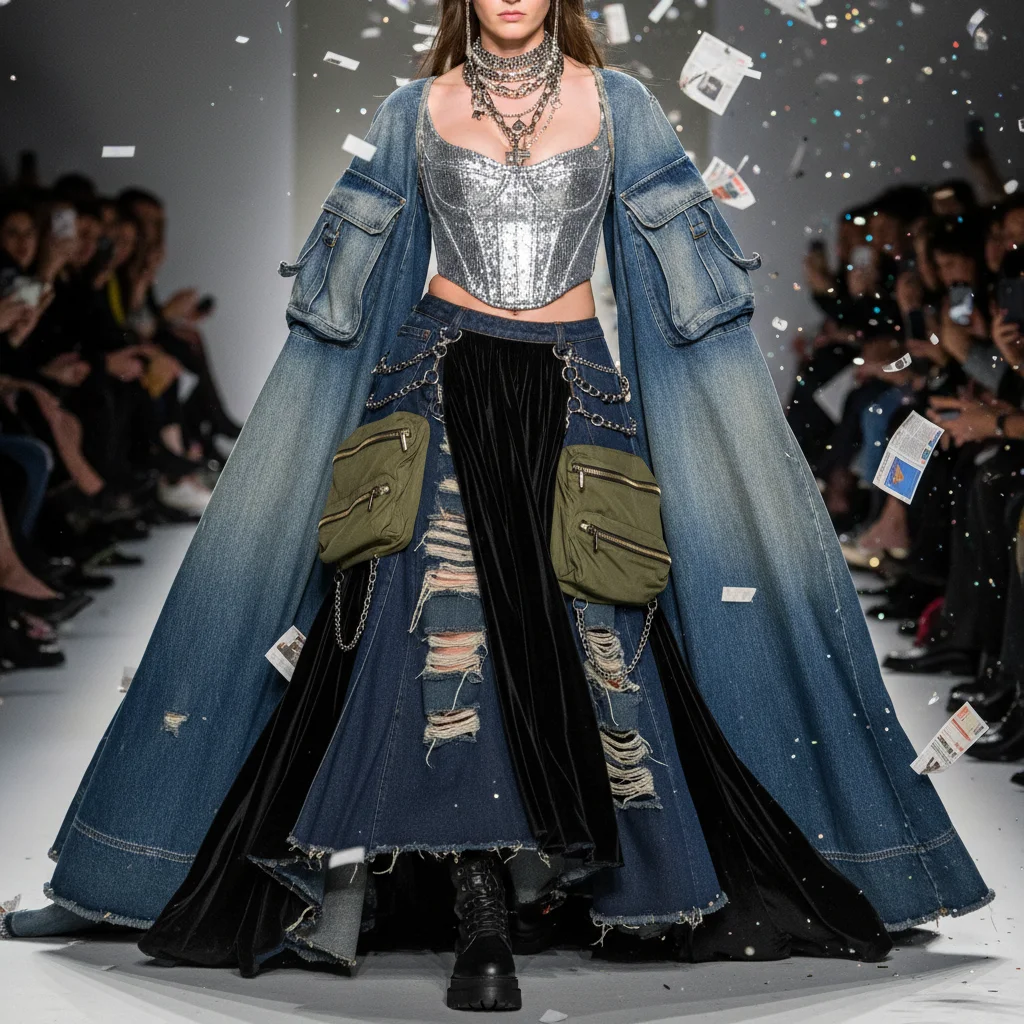
- Elevated Utility Wear: Cargo pants, workwear jackets, and utilitarian vests, once the domain of laborers and subcultures, are now reimagined in luxurious fabrics like silk, cashmere, and fine leather. Pockets become sculptural elements, and practical details are refined with couture-level craftsmanship.
- Deconstructed and Reconstructed Silhouettes: The DIY ethos of street style, which often involves customizing and altering garments, is reflected in high fashion’s embrace of deconstruction. Seams are exposed, hems are raw, and garments are designed to look as if they’ve been artfully pieced together from disparate elements.
- Sneaker Culture Dominance: Sneakers are no longer just casual footwear; they are status symbols and collectible art pieces. High fashion brands are collaborating with sneaker giants or creating their own luxury versions, often featuring exaggerated soles, innovative materials, and limited-edition drops that mimic the hype culture of street footwear.
- Gender-Fluid Aesthetics: Street style has long championed a more fluid approach to gender expression in clothing. High fashion in 2026 is increasingly adopting this, presenting collections that blur traditional masculine and feminine lines, offering oversized silhouettes, gender-neutral tailoring, and a broader range of clothing options for all.
- Bold Graphic Statements: Logos, typography, and graphic prints, a hallmark of street style, are prevalent in high fashion. These are often used to convey social messages, artistic expressions, or playful brand identity, moving beyond simple branding to become integral design elements.
- Vintage and Upcycled Integration: The appreciation for vintage finds and the practice of upcycling, deeply ingrained in sustainable street style, are now inspiring high fashion. Designers are incorporating vintage fabrics, patchwork techniques, and upcycled elements into new collections, reflecting a growing environmental consciousness and a desire for unique, one-of-a-kind pieces.
The Role of Collaborations: Bridging the Gap
Collaborations have become a cornerstone of the street style influence on high fashion. Partnerships between established luxury houses and street wear brands, artists, or even individual street style icons are commonplace. These collaborations are mutually beneficial: luxury brands gain access to a younger, more diverse audience and infuse their collections with a dose of contemporary relevance, while street wear entities achieve broader recognition and elevate their status within the fashion hierarchy.
These joint ventures often result in highly anticipated capsule collections that generate immense buzz, selling out within minutes of their release. This phenomenon underscores the power of combining the prestige and craftsmanship of high fashion with the cultural cachet and authenticity of street style. It’s a strategic move that acknowledges the shifting power dynamics in the fashion world, where credibility derived from the streets is now as valuable as, if not more than, traditional luxury heritage.
The Democratization of Fashion and Authenticity
One of the most profound impacts of street style influence is the ongoing democratization of fashion. With trends emerging from diverse global cities and being amplified by individuals rather than just institutions, fashion has become more accessible and representative. This shift challenges the notion that style is exclusive to a privileged few, instead asserting that creativity and innovation can flourish anywhere.
The demand for authenticity is another driving force. Consumers, particularly younger generations, are increasingly wary of manufactured trends and seek genuine expression. Street style, by its very nature, is authentic. It reflects real people’s lives, their cultural backgrounds, and their personal narratives. High fashion, in embracing these aesthetics, is attempting to tap into this authenticity, moving away from an often-perceived elitism towards a more relatable and inclusive identity. This pursuit of authenticity is not just about aesthetics; it’s about connecting with consumers on a deeper, more personal level.
Challenges and Criticisms: Navigating the Crossover
While the street style influence brings many positive changes, it’s not without its challenges and criticisms. One concern is the potential for cultural appropriation. As high fashion draws heavily from diverse street cultures, there’s a delicate balance between inspiration and appropriation. Designers must navigate this by ensuring proper attribution, engaging in respectful collaborations, and understanding the cultural significance of the elements they incorporate.
Another criticism revolves around the commercialization of authenticity. When street styles are adopted by luxury brands, there’s a risk of stripping them of their original meaning and turning them into mere commodities. The rebellious, anti-establishment spirit that often defines street style can be diluted when packaged and sold at exorbitant prices. This tension between commercial viability and maintaining cultural integrity remains a significant debate within the fashion industry.
Furthermore, the rapid pace of trend cycles, fueled by social media and street style, can contribute to overconsumption and environmental concerns. The constant demand for newness can lead to faster fashion cycles and increased waste. High fashion, while often associated with quality and longevity, must address its role in this accelerated cycle and explore more sustainable practices even as it embraces street-inspired trends.
The Future of Fashion: A Blended Reality
Looking ahead to the rest of 2026 and beyond, the street style influence is set to deepen and evolve further. We can anticipate an even greater blurring of lines, not just between high and low fashion, but also between physical and digital style. Augmented reality (AR) and virtual reality (VR) will play increasingly significant roles, allowing individuals to experiment with street-inspired looks in digital spaces before translating them into their physical wardrobes.
The concept of ‘personal style’ will become paramount, with individuals empowered to curate their own unique aesthetics from a global buffet of influences. Designers will continue to act as curators and interpreters, synthesizing diverse street aesthetics into cohesive, desirable collections. The emphasis will remain on authenticity, individuality, and cultural relevance. The fashion industry will likely see more direct-to-consumer models emerging from street wear brands, challenging traditional retail structures and further democratizing access to cutting-edge style.
Moreover, the global nature of street style means that influences will continue to diversify. We will see more styles emerging from previously underrepresented regions, bringing fresh perspectives and innovative approaches to fashion. This global exchange will ensure that high fashion remains dynamic, relevant, and continually inspired by the boundless creativity found on the streets of the world.
Conclusion: Street Style as the New Vanguard
In conclusion, 2026 solidifies the position of street style influence as the new vanguard of fashion. It is no longer a peripheral phenomenon but a central driving force, dictating trends, shaping aesthetics, and challenging established norms within the high fashion realm. This crossover is a testament to the power of individual expression, the democratizing effect of digital platforms, and the insatiable human desire for authenticity and connection.
As we move forward, the relationship between street style and high fashion will continue to be one of dynamic synergy – a constant dialogue between the grassroots and the aspirational. For designers, consumers, and enthusiasts alike, understanding and embracing this blended reality is key to navigating the exciting and ever-evolving world of fashion. The streets have spoken, and high fashion is listening, transforming itself in the process into something more vibrant, inclusive, and truly reflective of our globalized culture.