Next-Gen Gaming: 4 Franchises Expected to Break Records in 2026 and Why They Matter
Next-Gen Gaming: 4 Franchises Expected to Break Records in 2026 and Why They Matter
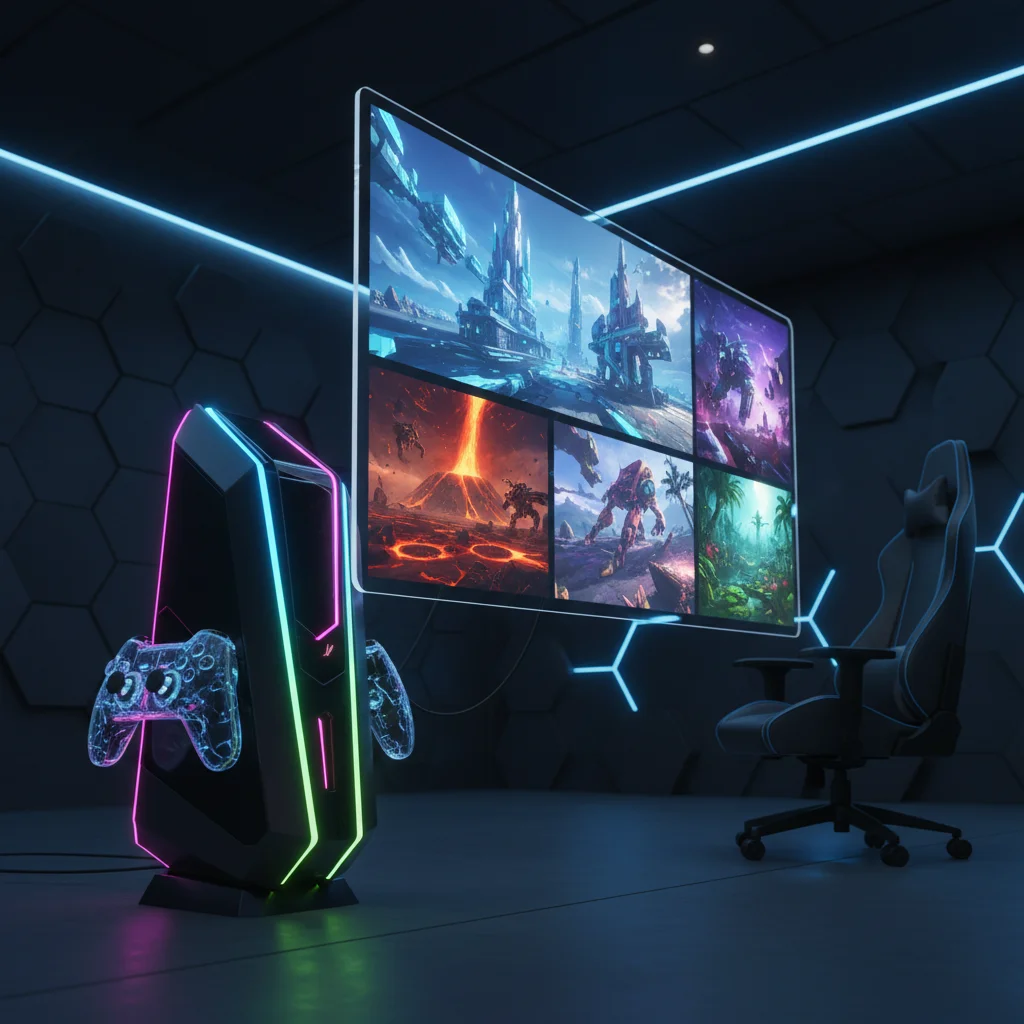
The gaming industry is a perpetual motion machine, constantly innovating and pushing the boundaries of what’s possible. As we hurtle towards 2026, the landscape of interactive entertainment is poised for another seismic shift. With advancements in hardware, artificial intelligence, cloud computing, and immersive technologies, the stage is set for certain franchises to not only dominate the market but to redefine success itself. This article delves into the exciting world of next-gen gaming 2026, pinpointing four franchises that are not just expected to perform well, but to break records and cement their legacy in the annals of gaming history. We’ll explore the underlying reasons for their anticipated triumphs, from technological leaps to unparalleled community engagement.
The concept of ‘next-gen’ is ever-evolving. What was once cutting-edge yesterday is standard today. However, the period leading up to and including 2026 promises a particularly potent blend of mature technology and burgeoning creative ambition. Developers are becoming increasingly adept at harnessing the power of current-generation consoles and high-end PCs, while simultaneously laying the groundwork for the next iteration of hardware. This confluence creates a fertile ground for games that are not just visually stunning, but also deeply immersive, intelligently designed, and endlessly replayable. The franchises we’ll discuss are at the forefront of this revolution, embodying the spirit of innovation that defines next-gen gaming 2026.
The Evolving Landscape of Next-Gen Gaming
Before we dive into specific franchises, it’s crucial to understand the technological and market forces shaping next-gen gaming 2026. The push for hyper-realistic graphics continues, driven by ray tracing, advanced rendering techniques, and increasingly powerful GPUs. However, visual fidelity is only one piece of the puzzle. We’re seeing a significant emphasis on:
Advertisements
- Procedural Generation and AI: Games are becoming smarter, with AI-driven NPCs (Non-Player Characters) offering more dynamic interactions and procedurally generated content ensuring unique experiences with every playthrough. This enhances replayability and reduces the burden on developers for creating every single asset manually.
- Cloud Gaming and Streaming: The accessibility offered by cloud gaming platforms is expanding, allowing more players to access high-fidelity games without needing expensive hardware. While still maturing, by 2026, cloud gaming will likely be a significant distribution channel, lowering barriers to entry and expanding market reach.
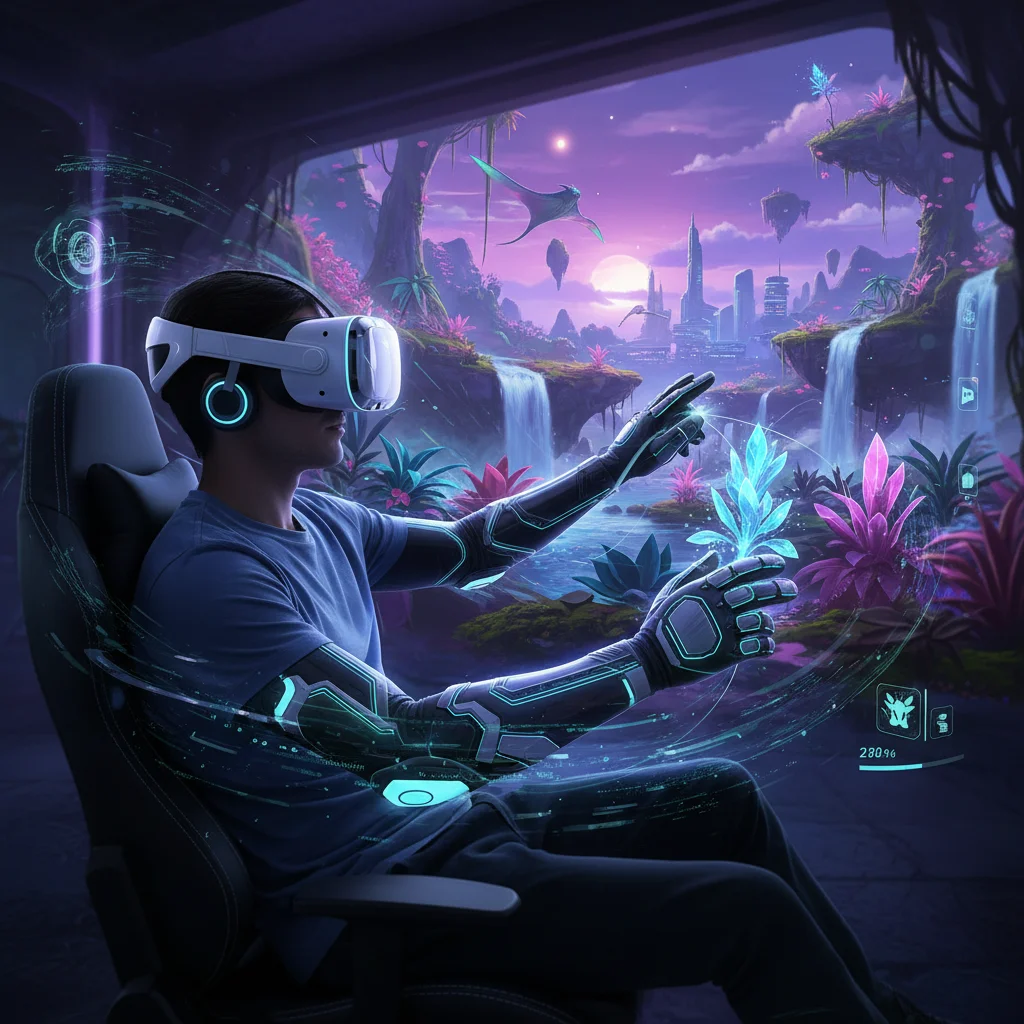
- Virtual Reality (VR) and Augmented Reality (AR) Integration: While not yet mainstream for all gaming, VR and AR are finding their niches. Expect more sophisticated integrations, perhaps not as standalone experiences, but as enhanced modes or features within larger titles, offering unparalleled immersion. The haptic feedback technology is also advancing rapidly, promising a more tactile and engaging experience.
- Cross-Platform Play and Ecosystems: The days of platform exclusivity hindering social connections are slowly fading. Cross-platform play is becoming standard, fostering larger, more vibrant communities. Publishers are also building robust ecosystems around their franchises, incorporating live service elements, competitive esports, and community-driven content creation.
- User-Generated Content (UGC): Empowering players to create and share their own content extends a game’s lifespan infinitely. Platforms that successfully integrate robust UGC tools will see increased engagement and loyalty.
These trends collectively contribute to a gaming environment where innovation is rewarded, and player engagement is paramount. The franchises we’re about to explore are exceptionally well-positioned to leverage these advancements, making them prime candidates for breaking records in next-gen gaming 2026.
Franchise 1: The Elder Scrolls VI – A Return to Tamriel’s Grandeur
Bethesda’s Elder Scrolls series is synonymous with expansive open worlds, deep lore, and unparalleled player freedom. The anticipation for The Elder Scrolls VI has reached a fever pitch, fueled by years of speculation and the monumental success of its predecessor, Skyrim. While details remain scarce, the sheer weight of expectation, coupled with Bethesda’s proven track record, positions this title as a guaranteed record-breaker for next-gen gaming 2026.
Why it Matters:
- Unmatched Open-World Immersion: Bethesda games are renowned for their ability to create living, breathing worlds. With the power of next-gen hardware, The Elder Scrolls VI is expected to deliver an unprecedented level of detail, environmental complexity, and dynamic systems that react to player choices. Imagine a world where every NPC has a daily routine, where factions dynamically shift power, and where weather systems genuinely impact gameplay.
- Deep RPG Mechanics: The Elder Scrolls series offers unparalleled role-playing depth, allowing players to craft unique characters and playstyles. The next iteration is likely to refine these mechanics, offering even more choice in character progression, skill trees, and narrative paths.
- Lore and Storytelling: The rich tapestry of Tamriel’s lore is a huge draw. Fans eagerly await new stories, new regions to explore, and new mysteries to unravel. The potential for branching narratives and impactful moral choices will be a cornerstone of its appeal.
- Longevity and Replayability: Elder Scrolls games are known for their hundreds of hours of content, and TES VI will undoubtedly continue this tradition. The vastness of the world, coupled with potential procedural generation elements for side quests and dungeons, will ensure players remain engaged for years.
- Modding Community: A colossal factor in the longevity of previous Elder Scrolls titles has been their vibrant modding communities. Bethesda traditionally supports modding, and a robust modding scene for TES VI will exponentially increase its content and appeal, driving continued sales and engagement far beyond its initial release.
The launch of The Elder Scrolls VI will not just be a game release; it will be a cultural event. Its ability to captivate millions with its expansive world and intricate storytelling will undoubtedly set new benchmarks for single-player RPG sales and engagement in next-gen gaming 2026.
Franchise 2: Grand Theft Auto VI – Redefining Open-World Crime Sagas
Rockstar Games’ Grand Theft Auto series is a titan of the industry, consistently breaking sales records and pushing technological boundaries. The announcement of Grand Theft Auto VI has already generated unprecedented hype, and its release, widely anticipated for around 2025-2026, is set to be the biggest entertainment launch in history. This game is not just expected to break records; it’s expected to shatter them, becoming a defining title for next-gen gaming 2026.
Why it Matters:
- Unrivaled Scale and Detail: Rockstar is known for its meticulous attention to detail and massive, living open worlds. GTA VI is rumored to feature an even larger, more dynamic map, potentially encompassing multiple cities and diverse environments, all rendered with breathtaking fidelity thanks to next-gen hardware.
- Narrative Excellence: The GTA series excels at crafting compelling, often satirical narratives with memorable characters. Expect a sophisticated story that tackles contemporary themes, delivered with Rockstar’s signature wit and cinematic flair. The rumored dual protagonists could also add a fresh layer of narrative complexity.
- Evolution of Online Multiplayer: Grand Theft Auto Online has been a monumental success, generating billions in revenue. GTA VI will undoubtedly launch with an even more ambitious online component, featuring expanded activities, deeper customization, and potentially even more persistent world elements. This online ecosystem will be a continuous revenue driver and engagement magnet.
- Technological Prowess: Rockstar pushes hardware to its limits. Expect groundbreaking AI for NPCs, advanced physics engines, realistic weather effects, and unparalleled environmental destruction. These technical achievements will contribute significantly to the immersive experience.
- Cultural Impact: GTA games transcend gaming; they are cultural phenomena. Their releases are covered by mainstream media, debated in academic circles, and discussed by millions worldwide. This broad appeal ensures massive sales figures and sustained relevance.
The sheer global recognition and devoted fanbase of Grand Theft Auto ensure that GTA VI will be a juggernaut. Its combination of a sprawling single-player campaign and an endlessly evolving online world will solidify its position as a record-setter in next-gen gaming 2026.
Franchise 3: The Next Evolution of Call of Duty – Adapting to the Future
While some might argue Call of Duty is already a perennial record-breaker, its continued adaptation and the sheer scale of its annual releases make it a strong contender for setting new milestones in next-gen gaming 2026. The franchise’s consistent ability to innovate within its established formula, coupled with its massive player base and esports presence, ensures its dominance.
Why it Matters:
- Consistent Annual Releases: Call of Duty’s annual release schedule, while sometimes criticized, ensures a continuous flow of new content and a fresh competitive landscape. Each new installment typically introduces significant engine upgrades, new gameplay mechanics, and innovative multiplayer modes.
- Robust Multiplayer and Live Service Model: The core of Call of Duty’s success lies in its highly addictive multiplayer. With battle passes, seasonal content, and a thriving esports scene, the franchise consistently keeps players engaged. By 2026, expect even more sophisticated live service elements, potentially deeper integration of AI-driven opponents in training modes, and advanced anti-cheat systems.
- Technological Refinements: Each new Call of Duty title leverages the latest hardware to deliver stunning visuals, realistic weapon handling, and immersive sound design. The next-gen iterations will push these boundaries further, creating more believable battlefields and responsive gameplay.
- Cross-Play and Cross-Progression: Call of Duty has been at the forefront of implementing cross-play and cross-progression, allowing players across different platforms to play together and carry their progress. This inclusive approach significantly expands the player pool and fosters a larger, more active community, which is vital for next-gen gaming 2026.
- Integration with Warzone and Mobile: The ecosystem surrounding Call of Duty, particularly with the free-to-play Warzone and its highly successful mobile counterpart, creates an unparalleled reach. Future iterations will likely deepen the integration between these platforms, creating a unified CoD experience that captures players across all devices.
Call of Duty’s ability to maintain its massive audience while continually evolving its core gameplay and expanding its ecosystem makes it a formidable force. Its strategic approach to live services and cross-platform accessibility will enable it to reach new heights in next-gen gaming 2026, potentially breaking records for concurrent players and microtransaction revenue.
Franchise 4: A New IP from a Major Studio – The Unforeseen Juggernaut
While established franchises offer a degree of certainty, the gaming industry also thrives on innovation and the emergence of entirely new intellectual properties. By 2026, it’s highly probable that a major studio, perhaps one known for its quality and ambition (e.g., Naughty Dog, Santa Monica Studio, CD Projekt Red, or even a completely new player), will launch a new IP that completely disrupts the market and breaks records. This unforeseen juggernaut will be a testament to the creative potential of next-gen gaming 2026.
Why it Matters:
- Fresh Perspectives and Innovation: A new IP is unburdened by past expectations, allowing developers to experiment with novel gameplay mechanics, storytelling approaches, and world designs. This fresh perspective can captivate audiences looking for something truly new.
- Leveraging Next-Gen Hardware for Unique Experiences: A brand new IP built from the ground up for next-gen consoles and PCs can fully exploit their capabilities without being constrained by legacy design choices. This could lead to genuinely groundbreaking experiences in terms of physics, AI, world interactivity, or narrative structure.
- Strong Narrative and Character Focus: Many successful new IPs in recent years have excelled due to strong storytelling and compelling characters (e.g., Horizon Zero Dawn, Ghost of Tsushima). A new IP that prioritizes these elements will resonate deeply with players.
- Unforeseen Genre Blending: The most exciting new IPs often blend genres in unexpected ways, creating unique gameplay loops that appeal to a broad audience. Imagine a game that seamlessly combines elements of RPGs, strategy, and immersive simulation.
- Word-of-Mouth and Critical Acclaim: While not guaranteed, a truly innovative and high-quality new IP can quickly gain immense traction through positive word-of-mouth and critical acclaim, leading to explosive sales and a dedicated fanbase. This organic growth can sometimes outpace the marketing budgets of even established franchises.
The gaming world eagerly awaits the next big thing, and a meticulously crafted new IP from a reputable developer has the potential to become a cultural touchstone for next-gen gaming 2026. Its success would not just be about sales, but about inspiring a new generation of game designers and pushing the industry forward.
The Role of Community and Esports in Record Breaking
Beyond the technical prowess and creative vision, the success of these franchises in next-gen gaming 2026 will heavily rely on their ability to foster and engage communities. A strong community translates to sustained interest, continued sales, and organic marketing through player advocacy. Esports, in particular, plays an increasingly vital role.
- Building Vibrant Communities: Games that offer robust multiplayer, co-op experiences, or tools for user-generated content naturally build strong communities. These communities become self-sustaining ecosystems that keep the game alive long after its initial release. Forums, social media groups, and fan art all contribute to this vibrant environment.
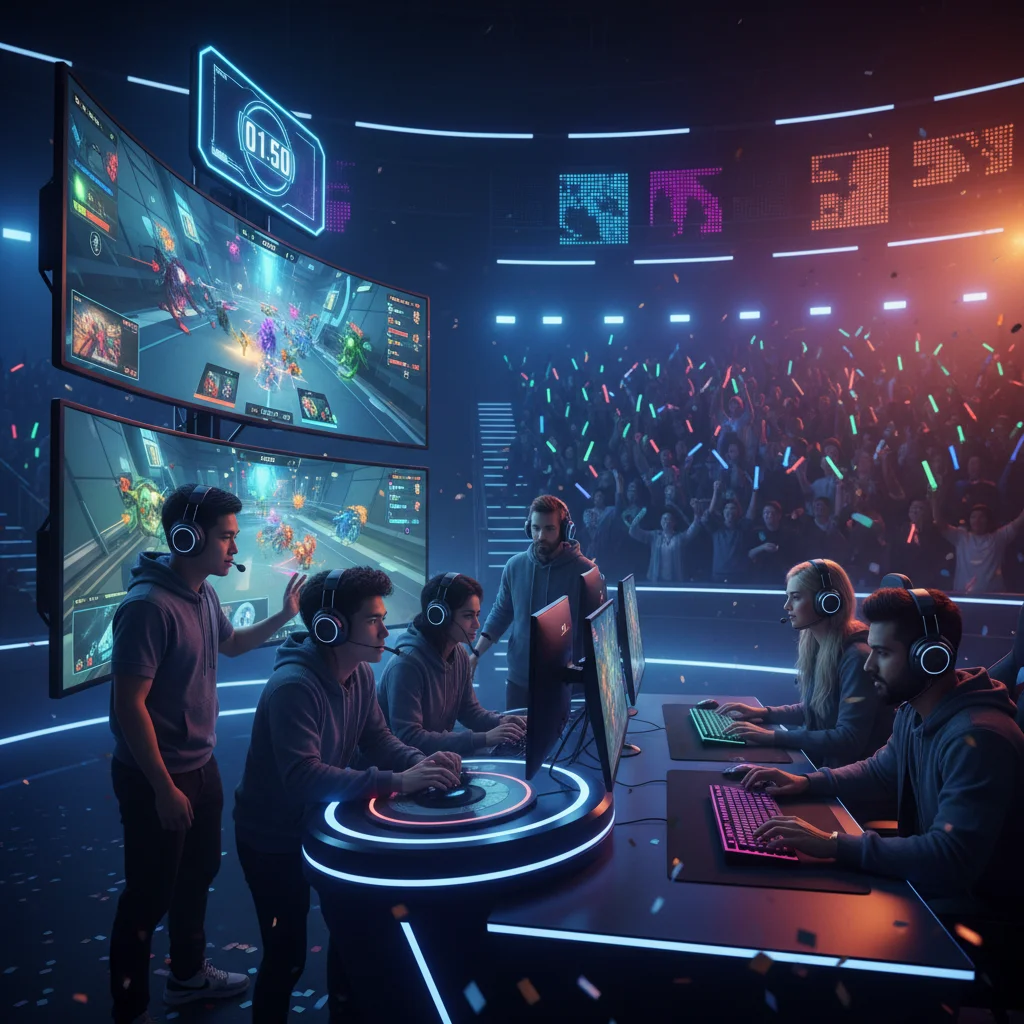
- Esports as a Growth Driver: For franchises with competitive elements, a thriving esports scene can significantly boost visibility and engagement. Professional leagues, tournaments, and streaming events attract millions of viewers, turning games into spectator sports. This, in turn, drives more players to try the game, hoping to emulate their favorite pros.
- Content Creation and Streaming: The rise of platforms like Twitch and YouTube has transformed how games are consumed. Franchises that are highly streamable or offer rich content for creators gain massive exposure. The ability for players to share their experiences, triumphs, and even failures creates a powerful feedback loop that fuels engagement for next-gen gaming 2026.
- Developer-Community Interaction: Studios that actively listen to their communities, implement feedback, and communicate transparently often build the strongest relationships. This fosters loyalty and makes players feel invested in the game’s evolution.
The interplay between game design, technology, and community engagement will be critical for any franchise aiming to break records in the coming years. The titles discussed here are all poised to excel in these areas, ensuring their longevity and impact.
Challenges and Considerations for Next-Gen Gaming in 2026
While the future of next-gen gaming 2026 looks incredibly bright, it’s not without its challenges. Developers and publishers will need to navigate several critical areas to ensure their success:
- Development Costs and Budgets: Creating games of this scope and fidelity requires astronomical budgets and massive development teams. Managing these costs while delivering a polished product will be a constant balancing act. The pressure to recoup these investments through sales and live services will be immense.
- Technical Complexity and Optimization: Harnessing the full power of next-gen hardware is no small feat. Optimizing games for various platforms, ensuring stable performance, and minimizing bugs will be crucial for positive player reception.
- Player Expectations: With each passing year, player expectations for graphics, gameplay depth, and bug-free experiences grow higher. Meeting and exceeding these expectations will be key to critical and commercial success.
- Market Saturation: The gaming market is incredibly competitive. Standing out amidst a sea of high-quality titles will require not just technical excellence but also unique selling propositions and effective marketing strategies.
- Monetization Models: While live service games are highly profitable, striking the right balance between fair monetization and preventing ‘pay-to-win’ mechanics will be essential for maintaining player trust and avoiding backlash.
Despite these hurdles, the industry’s drive for innovation and the immense passion of developers suggest that solutions will be found. The franchises highlighted in this article are backed by studios with the experience and resources to tackle these challenges head-on, ensuring their place at the pinnacle of next-gen gaming 2026.
Conclusion: The Dawn of a New Era in Gaming
The period leading up to and including 2026 promises to be one of the most exciting eras in gaming history. With technological advancements paving the way for unprecedented immersion, scale, and connectivity, the stage is set for certain franchises to not only succeed but to redefine what it means to break records. The Elder Scrolls VI, Grand Theft Auto VI, the next iteration of Call of Duty, and a yet-to-be-revealed new IP are all poised to capture the imaginations of millions, drive technological innovation, and solidify their places as titans of the industry.
These games represent the pinnacle of current development capabilities, combining cutting-edge graphics, intricate gameplay, compelling narratives, and robust community features. They are more than just entertainment products; they are cultural phenomena that will shape the future of interactive experiences. As we look towards next-gen gaming 2026, the anticipation is palpable, and the potential for these franchises to shatter all previous records is not just a hope, but a very real probability. Get ready for a gaming revolution – it’s going to be legendary.