High-Yield Savings 2026: Top U.S. Banks for Best Rates
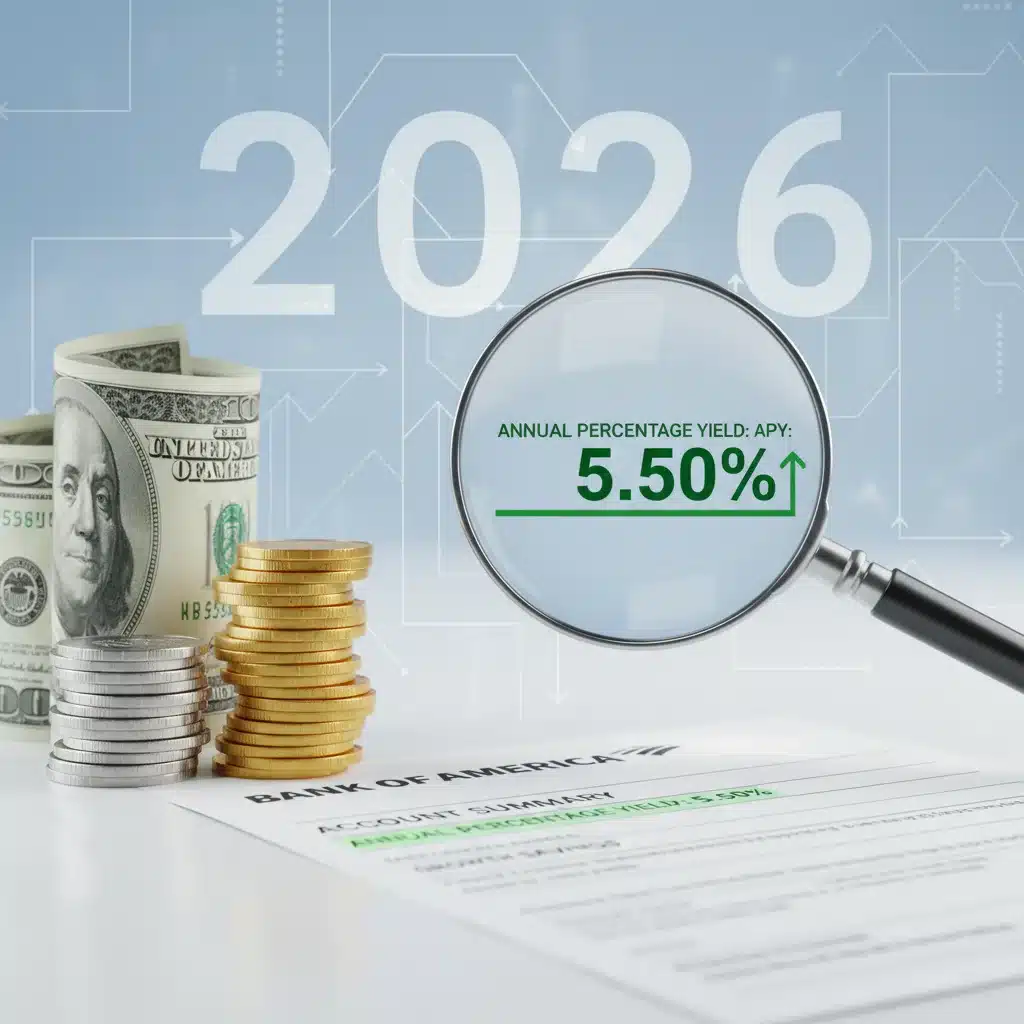
Comparing High-Yield Savings Accounts: Which U.S. Banks Offer the Best Rates for 2026?
In the ever-evolving landscape of personal finance, finding the right place to park your hard-earned money is more crucial than ever. As we look towards 2026, high-yield savings accounts continue to stand out as a smart choice for those seeking to grow their savings beyond the paltry returns offered by traditional accounts. But with so many options available, how do you navigate the market to find the best high-yield savings 2026 offers? This comprehensive guide will delve into the intricacies of high-yield savings accounts, compare top U.S. banks, and provide you with the insights needed to make an informed decision for your financial future.
The goal isn’t just to save; it’s to save strategically. A high-yield savings account (HYSA) allows your money to work harder for you, earning significantly more interest than a standard savings account. This difference, compounded over time, can lead to substantial growth in your savings. Understanding the factors that influence these rates, and knowing which institutions consistently offer the best value, is key to maximizing your financial potential.
As we approach 2026, economic forecasts, Federal Reserve policies, and competitive banking environments will all play a role in shaping the interest rates available. Staying ahead of these trends and knowing where to look will give you a distinct advantage. This article aims to be your definitive resource for identifying the top contenders in the high-yield savings 2026 market, ensuring your money is in the best possible hands.
Advertisements
Understanding High-Yield Savings Accounts (HYSAs)
Before we dive into specific banks and rates, let’s establish a foundational understanding of what a high-yield savings account is and why it’s a superior choice for many savers. An HYSA is a type of savings account that typically offers an Annual Percentage Yield (APY) significantly higher than the national average for traditional savings accounts. These accounts are usually offered by online-only banks or credit unions, which have lower overhead costs compared to brick-and-mortar institutions, allowing them to pass on those savings to customers in the form of higher interest rates.
Key Features of HYSAs:
- Higher APY: This is the primary draw. While traditional savings accounts might offer 0.01% – 0.05% APY, HYSAs can range from 1.00% to over 5.00% or even higher, depending on the economic climate and specific bank offers.
- Liquidity: Despite the higher rates, HYSAs still offer excellent liquidity. You can typically access your funds easily through online transfers, ATM withdrawals (if a card is provided), or electronic transfers, though some accounts may have limits on the number of monthly transactions.
- FDIC Insurance: Most reputable HYSAs in the U.S. are FDIC-insured (or NCUA-insured for credit unions) up to $250,000 per depositor, per institution, in each account ownership category. This means your savings are protected even if the bank fails.
- Minimal Fees: Many HYSAs come with no monthly maintenance fees, especially if you opt for online-only banks. However, it’s always wise to check the fee schedule for any potential charges.
- Online Access: The vast majority of HYSAs are managed online, offering convenient access to your account information, statements, and transaction history 24/7.
Why Choose a High-Yield Savings Account for 2026?
For individuals and families looking to save for short-term goals (e.g., a down payment, a new car, a vacation) or build an emergency fund, an HYSA is an ideal vehicle. The higher interest rates mean your money grows faster, helping you reach your financial milestones sooner. In an inflationary environment, a higher APY can also help combat the erosion of purchasing power, ensuring your savings maintain their value over time.
Considering the economic projections for 2026, which may include fluctuating interest rates and continued efforts to manage inflation, securing a competitive APY will be a critical component of a sound financial strategy. The market for high-yield savings 2026 is expected to remain robust, with healthy competition among financial institutions vying for your deposits.
Factors Influencing High-Yield Savings Rates in 2026
The interest rates offered on HYSAs are not static; they are influenced by a variety of economic and market factors. Understanding these can help you anticipate changes and make timely decisions.
Federal Reserve Policy:
The Federal Reserve’s federal funds rate is perhaps the most significant factor. When the Fed raises this benchmark rate, banks typically follow suit by increasing their savings rates, and vice-versa. Economic forecasts for 2026 suggest potential shifts in monetary policy, which could impact HYSA rates.
Inflation:
Central banks often adjust interest rates to combat inflation. If inflation remains a concern into 2026, the Fed might keep rates higher, which would generally benefit HYSA holders. Conversely, if inflation is brought under control, rates might stabilize or even decrease.
Economic Growth:
A strong economy generally leads to higher consumer spending and borrowing, which can influence banks’ need for deposits and, consequently, the rates they offer. Economic projections for 2026 will be a key indicator here.
Competition Among Banks:
The competitive landscape among financial institutions plays a vital role. Online banks, in particular, are constantly vying for new customers by offering attractive rates. This competition is a significant advantage for consumers looking for the best high-yield savings 2026 has to offer.
Bank’s Business Model:
Online-only banks typically have lower operating costs (no physical branches, fewer staff) and can, therefore, afford to offer higher APYs compared to traditional banks with extensive branch networks.
Top U.S. Banks for High-Yield Savings in 2026 (Projections)
While predicting exact rates for 2026 is challenging, we can identify institutions that have historically been strong contenders in the high-yield savings market and are likely to continue offering competitive rates. This section will highlight banks that are expected to lead the pack for high-yield savings 2026, based on their consistent performance, customer service, and innovative offerings.
It’s important to note that rates can change frequently, so always check the most current APY directly on the bank’s website before opening an account.
1. Ally Bank
- Overview: Ally Bank has consistently been a leader in the online banking space, known for its competitive HYSA rates, user-friendly online platform, and excellent customer service.
- Pros: No monthly maintenance fees, no minimum balance requirements, 24/7 customer support, and a comprehensive suite of banking products (checking, investments).
- Cons: No physical branches, which might be a drawback for those who prefer in-person banking.
- Outlook for 2026: Expected to maintain its strong position, offering some of the best rates in the market due to its online-only model and commitment to customer value.
2. Marcus by Goldman Sachs
- Overview: Marcus, the consumer banking arm of investment giant Goldman Sachs, has quickly established itself as a top choice for high-yield savings.
- Pros: High APY, no fees, no minimum deposit to open or maintain, excellent customer service, and a reputable parent company.
- Cons: Limited other banking products compared to full-service banks.
- Outlook for 2026: Likely to continue offering aggressive rates to attract and retain customers, leveraging Goldman Sachs’ financial strength and digital focus.
3. Discover Bank
- Overview: Beyond its well-known credit cards, Discover Bank offers a highly competitive online savings account with a solid APY.
- Pros: Strong APY, no monthly fees, no minimum balance, 24/7 U.S.-based customer service, and a convenient mobile app.
- Cons: Limited branch access, though ATMs are available for cash withdrawals.
- Outlook for 2026: Discover’s commitment to consumer banking and competitive rates suggests it will remain a significant player in the high-yield savings 2026 market.
4. Capital One 360 Performance Savings
- Overview: Capital One 360 offers a hybrid model with both online convenience and some physical branch locations (Capital One Cafes), alongside a strong HYSA.
- Pros: Competitive APY, no fees, no minimums, access to Capital One Cafes, and a highly-rated mobile app.
- Cons: APY might occasionally lag slightly behind pure online-only competitors.
- Outlook for 2026: Its blend of online accessibility and limited physical presence makes it an attractive option for many, expected to maintain competitive rates.
5. American Express® National Bank
- Overview: American Express offers a high-yield savings account that boasts competitive rates and the backing of a globally recognized financial institution.
- Pros: Strong APY, no monthly fees, no minimum balance, and the trust associated with the American Express brand.
- Cons: Primarily an online experience with no physical branches.
- Outlook for 2026: American Express will likely continue to leverage its brand reputation and digital capabilities to offer compelling rates in the high-yield savings 2026 landscape.

How to Choose the Best High-Yield Savings Account for You
While high APY is a major draw, it shouldn’t be the only factor in your decision-making process. Consider these additional elements to find the best fit for your financial needs in 2026.
1. Annual Percentage Yield (APY):
This is the most straightforward comparison point. Always look for the highest APY, but be wary of introductory rates that expire or accounts with complex requirements to earn the advertised rate.
2. Fees and Minimums:
Many HYSAs boast no monthly maintenance fees and no minimum balance requirements. However, some might have fees for excessive withdrawals, wire transfers, or dormant accounts. Always read the fine print.
3. FDIC Insurance:
Ensure the bank is FDIC-insured (or NCUA-insured for credit unions). This guarantees your deposits up to $250,000 per depositor, per institution, in case of bank failure.
4. Accessibility and Convenience:
Consider how you’ll need to access your money. Online transfers are standard, but do you need ATM access? How easily can you link external accounts? A good mobile app and online banking platform are crucial for managing your high-yield savings 2026.
5. Customer Service:
Even with online banks, good customer service is vital. Look for institutions with 24/7 support, multiple contact methods (phone, chat, email), and positive customer reviews.
6. Other Banking Services:
Do you prefer to keep all your banking (checking, investments, loans) with one institution, or are you comfortable with multiple banks? Some HYSA providers offer a full suite of services, while others specialize in savings.
7. Sign-Up Bonuses and Promotions:
Keep an eye out for special offers. Some banks occasionally provide cash bonuses for new accounts that meet certain deposit or activity requirements. These can add extra value to your high-yield savings 2026.
Maximizing Your High-Yield Savings in 2026
Simply opening an HYSA is the first step; actively managing and optimizing your savings can significantly boost your returns.
Automate Your Savings:
Set up automatic transfers from your checking account to your HYSA each payday. This ‘set it and forget it’ approach ensures consistent contributions and takes the effort out of saving.
Create Specific Savings Goals:
Having clear goals (e.g., emergency fund, vacation, down payment) can motivate you to save more. Many HYSAs allow you to create sub-accounts or ‘buckets’ for different goals, making tracking easier.
Regularly Review Rates:
Interest rates are dynamic. While the banks listed above are expected to be strong contenders for high-yield savings 2026, it’s wise to periodically check if other banks are offering significantly higher rates. Don’t be afraid to switch if a better opportunity arises, as transferring funds between HYSAs is usually straightforward.
Understand Compounding:
The power of compounding is what makes HYSAs so effective. Interest is earned not only on your initial deposit but also on your accumulated interest. The longer your money stays in the account, the more it grows exponentially.
Avoid Unnecessary Withdrawals:
While HYSAs offer liquidity, frequent withdrawals can slow down your savings growth and, in some cases, incur fees if you exceed transaction limits. Use your HYSA for specific savings goals, not as a primary checking account.
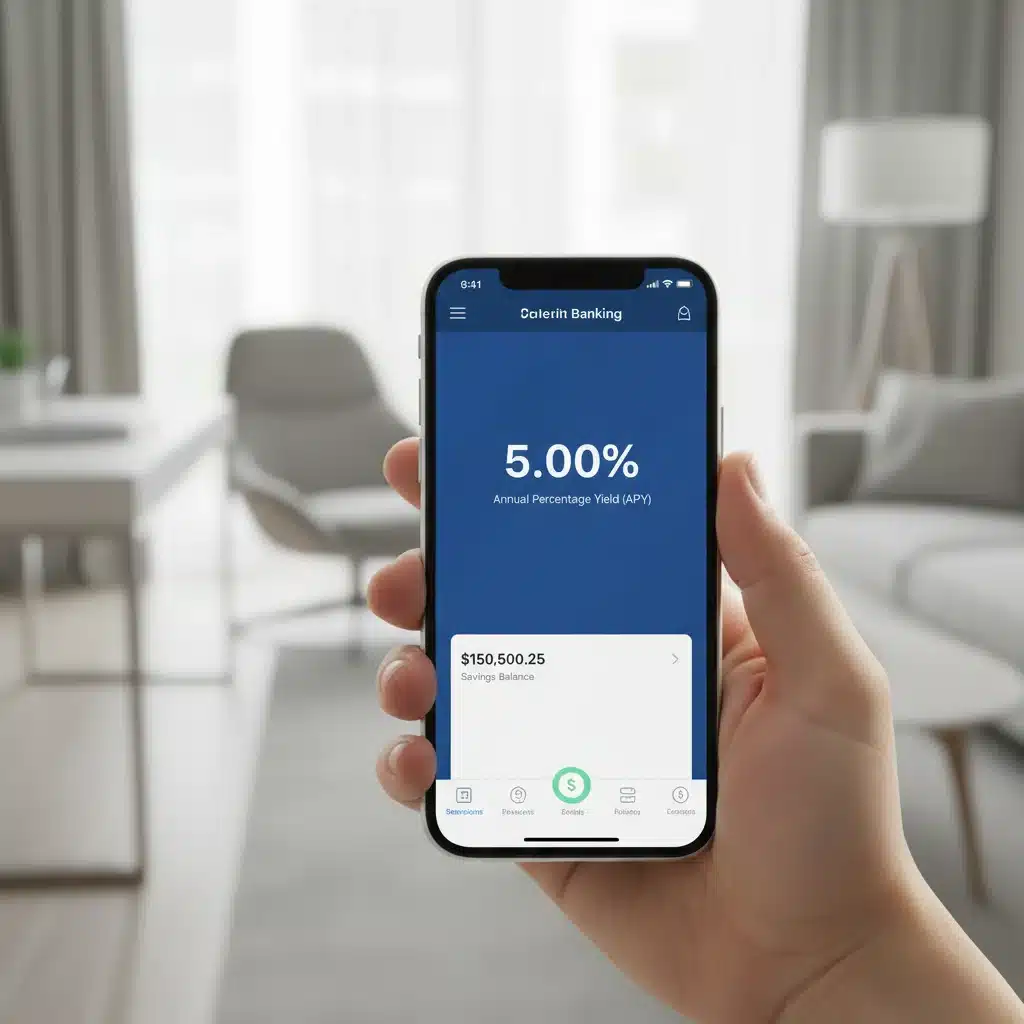
The Future of High-Yield Savings Accounts in 2026
Looking ahead to 2026, the landscape for high-yield savings accounts is expected to remain competitive and consumer-friendly. Digital innovation will continue to drive accessibility and ease of use, with mobile banking apps becoming even more sophisticated. Personalization of financial services, including tailored savings advice and goal-setting tools, will likely become more common.
Furthermore, as younger generations, particularly Gen Z, become more financially active, the demand for transparent, high-performing, and easy-to-manage savings options will only grow. This demographic often prioritizes digital convenience and ethical banking practices, which could influence the offerings from leading HYSA providers. The emphasis on financial literacy and empowerment will also push banks to provide clearer information and better tools for understanding APY, fees, and long-term growth.
The regulatory environment will also play a role. Any changes in consumer protection laws or banking regulations could impact how HYSAs are structured and marketed. However, the fundamental benefit of FDIC insurance is expected to remain a cornerstone of trust for depositors.
For investors and savers, the diversification of financial products will also evolve. While HYSAs are excellent for liquid savings and emergency funds, they will continue to be part of a broader financial strategy that includes investments in stocks, bonds, and other assets for long-term wealth building. The integration of savings accounts with investment platforms might become more seamless, offering a holistic view of one’s financial portfolio.
Ultimately, the market for high-yield savings 2026 will likely be characterized by continued innovation, strong competition, and a focus on providing value to customers. Savers who stay informed and actively manage their accounts will be best positioned to take advantage of the opportunities presented.
Potential Challenges and Considerations
While HYSAs offer numerous benefits, it’s also important to be aware of potential challenges and considerations:
Rate Fluctuations:
As mentioned, APYs are not fixed. They can change based on economic conditions and central bank policies. What might be a top rate today could be surpassed by another bank tomorrow, or even decrease. Regular monitoring is key.
Online-Only Experience:
For some, the lack of physical branches can be a drawback. While online banking is convenient, certain transactions (like depositing large amounts of cash) can be less straightforward without a branch network. However, many online banks offer solutions like mobile check deposit and ATM networks for cash access.
Transaction Limits:
Federal Regulation D used to limit certain withdrawals and transfers from savings accounts to six per month. While this regulation has been suspended, some banks may still impose their own limits. It’s crucial to check the specific terms of your chosen account, especially if you anticipate needing frequent access to your funds.
Introductory vs. Standard Rates:
Be cautious of accounts that advertise very high introductory rates that revert to lower standard rates after a certain period. Always confirm the ongoing APY.
Customer Support Quality:
While many online banks offer excellent customer service, the quality can vary. It’s advisable to check reviews and test out their support channels if you have specific concerns.
By keeping these factors in mind, you can make a more robust decision about where to place your high-yield savings 2026.
Conclusion: Securing Your Financial Future with High-Yield Savings in 2026
As we navigate the financial landscape of 2026, high-yield savings accounts remain an indispensable tool for smart money management. They offer a secure, liquid, and significantly more rewarding alternative to traditional savings options, allowing your money to grow at a much faster pace.
By understanding the key features of HYSAs, staying informed about the economic factors that influence interest rates, and carefully comparing the offerings from top U.S. banks like Ally, Marcus, Discover, Capital One 360, and American Express, you can confidently choose an account that aligns with your financial goals.
Remember to prioritize not just the highest APY, but also factors such as fees, minimums, FDIC insurance, accessibility, and customer service. By automating your savings, setting clear goals, and regularly reviewing rates, you can maximize the benefits of your high-yield savings 2026 and build a more secure financial future. The time to optimize your savings strategy is now, ensuring your money works as hard as you do.