The 5 Must-Have AI Gadgets for Home Automation in 2026: An Insider’s Look at Smart Living
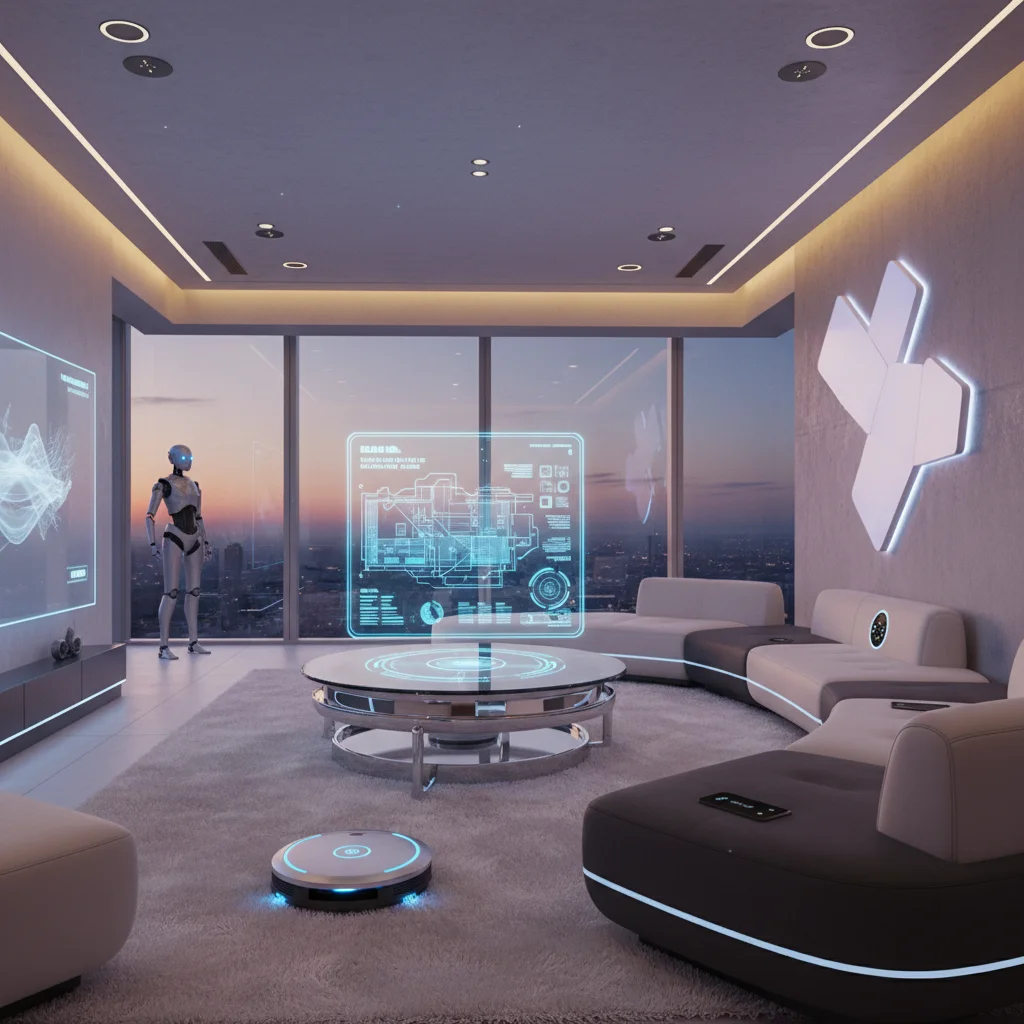
The landscape of our homes is undergoing a profound transformation, driven by the relentless march of artificial intelligence. What was once the realm of science fiction is now becoming an everyday reality, as AI home automation gadgets redefine convenience, security, and efficiency. As we peer into 2026, the integration of AI into our living spaces is not just a trend; it’s a fundamental shift in how we interact with our environment. This article delves into the five must-have AI gadgets that are set to dominate the home automation market, offering an insider’s look at the innovations that will shape smart living in the very near future.
The concept of a ‘smart home’ has evolved significantly. Early iterations focused on basic remote control and scheduling. Today, with the advent of sophisticated AI, smart homes are becoming truly intelligent, anticipating our needs, learning our habits, and operating autonomously to create a seamless and personalized living experience. From proactive security systems to intuitive climate control and hyper-personalized entertainment, AI is the brain behind the brawn of modern home automation. Understanding these advancements is crucial for anyone looking to upgrade their living space and embrace the future of residential technology. The year 2026 promises a suite of devices that are not just smart, but genuinely transformative, making our lives easier, safer, and more sustainable.
The Rise of AI in Everyday Living
Artificial intelligence is no longer confined to data centers or complex industrial applications. Its pervasive influence is now felt in the most intimate of spaces: our homes. The integration of AI into home automation gadgets is a game-changer, moving beyond simple automation to genuine intelligence. This means devices that can learn, adapt, and even predict our preferences, creating an environment that is not just automated, but truly personalized. The growth in this sector is exponential, with market analysts predicting a massive surge in AI-powered smart home device adoption over the next few years. This isn’t just about convenience; it’s about optimizing energy consumption, enhancing security, and fostering a healthier living environment. The future of our homes is intrinsically linked to the advancements in AI, and 2026 will be a pivotal year in this evolution, showcasing a range of AI home automation gadgets that are both innovative and indispensable.
Advertisements
The underlying technology driving these advancements includes machine learning algorithms, natural language processing, computer vision, and predictive analytics. These sophisticated capabilities allow devices to understand complex commands, recognize faces, analyze patterns in energy usage, and even detect anomalies that could indicate a security threat. The goal is to create a home that is an active participant in our well-being, rather than just a passive structure. This goes beyond turning lights on and off; it extends to proactive maintenance, personalized comfort, and intuitive interaction. The devices we will explore are at the forefront of this revolution, embodying the promise of a smarter, more connected future.
1. The Proactive AI Home Security Sentinel: Beyond Motion Detection
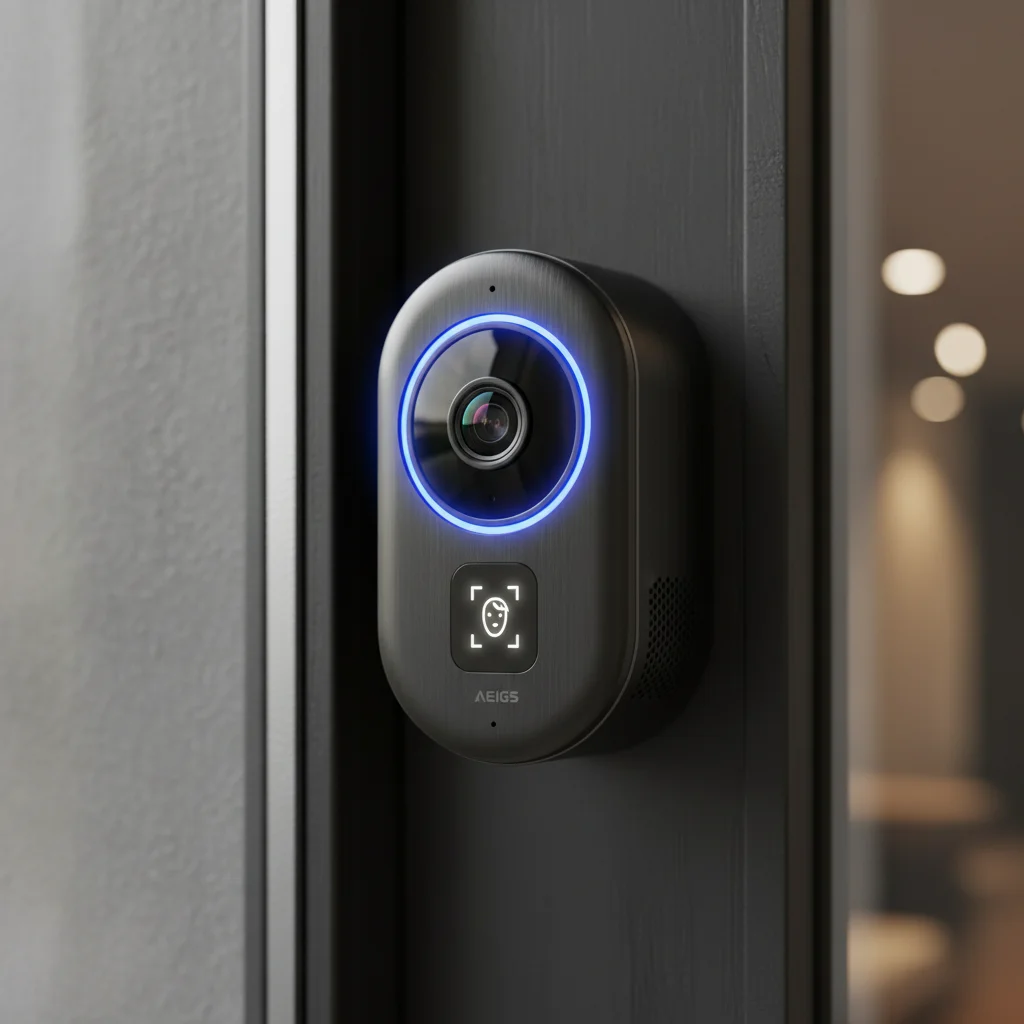
Security has always been a cornerstone of home automation, but traditional systems often rely on basic motion sensors and door contacts. In 2026, the AI home automation gadgets for security will be far more sophisticated, acting as proactive sentinels. These next-generation systems integrate advanced AI algorithms for facial recognition, anomaly detection, and predictive analytics. Imagine a system that not only identifies an intruder but also distinguishes between a family member, a pet, or a delivery person. These systems learn the routines of your household, recognizing unusual activity patterns and alerting you only when a genuine threat is perceived, significantly reducing false alarms.
These security sentinels will feature ultra-high-definition cameras with integrated AI chips capable of real-time processing. They can detect subtle changes in behavior or environment that might indicate a problem, such as a window being pried open or an unusual vehicle idling outside. Furthermore, they will be able to communicate seamlessly with local emergency services, providing live video feeds and critical information in the event of an actual emergency, potentially saving crucial minutes. Beyond external threats, these systems can also monitor for internal hazards like gas leaks or unusual temperature fluctuations, integrating with other smart home devices to take immediate action, such as shutting off a gas line or notifying HVAC systems. The intelligence embedded in these devices transforms security from a reactive measure into a truly proactive defense mechanism, offering unparalleled peace of mind.
2. The Adaptive AI Climate & Air Quality Manager: Personalized Comfort and Health
Climate control has moved beyond simple thermostats. The AI-powered climate and air quality managers of 2026 are designed to create an optimal indoor environment tailored to individual preferences and health needs. These AI home automation gadgets don’t just adjust temperature based on a schedule; they learn your comfort zones, anticipate weather changes, and even factor in real-time occupancy and activity levels within the home. Using an array of sensors, they monitor not only temperature but also humidity, CO2 levels, volatile organic compounds (VOCs), and particulate matter, ensuring the air you breathe is consistently clean and healthy.
These adaptive systems can pre-cool or pre-heat your home before you arrive, learn which rooms are used at what times, and adjust airflow accordingly to maximize energy efficiency without compromising comfort. For instance, if you usually work in your home office in the afternoon, the system will ensure that room is at your preferred temperature while potentially reducing conditioning in unoccupied areas. Furthermore, they can integrate with external air quality data, automatically activating air purifiers or adjusting ventilation to mitigate the effects of outdoor pollution. For allergy sufferers or those with respiratory conditions, this level of environmental control is invaluable, transforming a house into a truly therapeutic living space. The focus here is on holistic well-being, where technology works silently in the background to maintain perfect atmospheric conditions.
3. The Intuitive AI Kitchen Assistant: Culinary Genius at Your Command
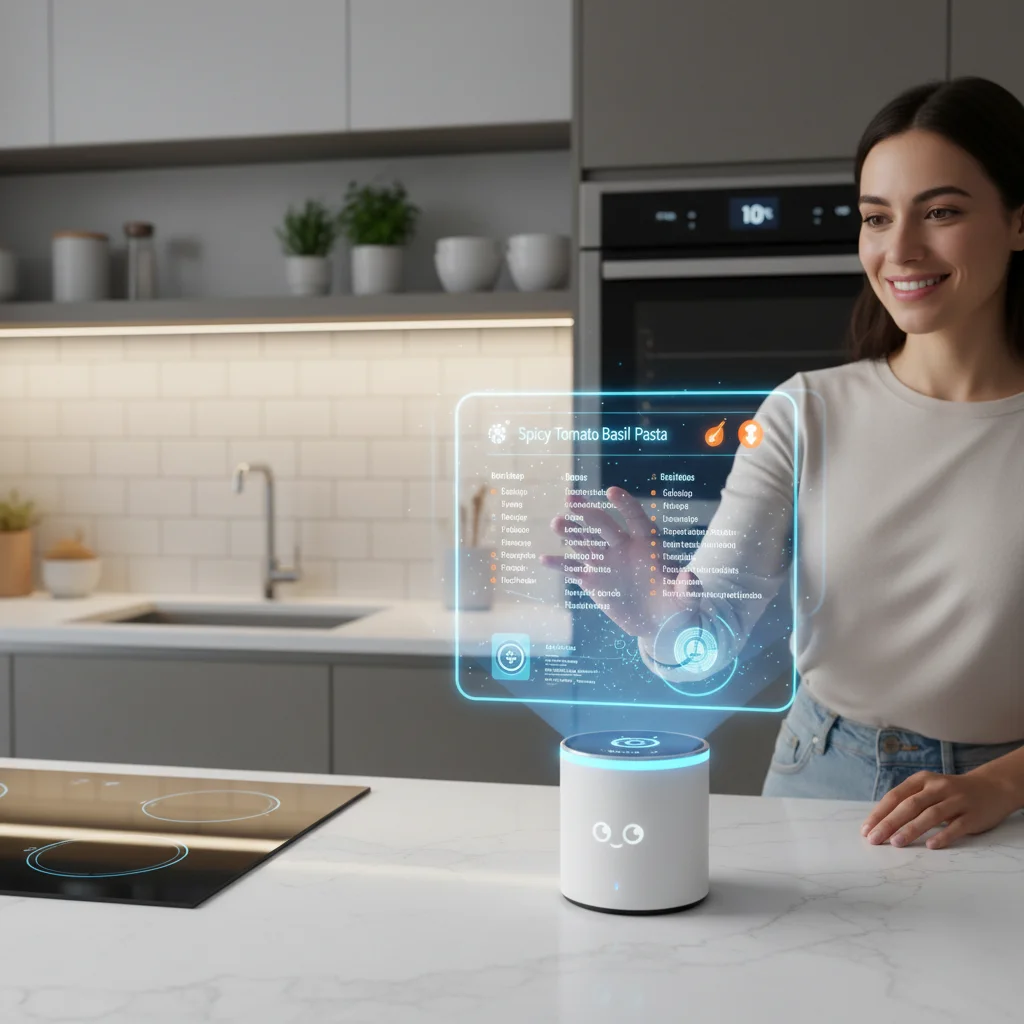
The kitchen, often considered the heart of the home, is ripe for AI innovation. In 2026, the intuitive AI kitchen assistant will be far more than a voice-activated speaker. These AI home automation gadgets will act as your personal sous chef, nutritionist, and meal planner, all rolled into one. Imagine a device that can scan the contents of your refrigerator and pantry, suggest recipes based on available ingredients, dietary restrictions, and your culinary preferences, and then guide you step-by-step through the cooking process, even adjusting oven temperatures and cooking times automatically.
These assistants will integrate with smart appliances, turning on ovens, starting coffee makers, and even preheating pans. They can monitor cooking progress, alerting you when food is perfectly done or if something is about to burn. Beyond cooking, they will help with meal planning, generating grocery lists, and even ordering ingredients for delivery. Some advanced models might even feature integrated projectors that display recipes directly onto your countertop, eliminating the need for screens and freeing up valuable counter space. For busy families or aspiring home chefs, these AI kitchen assistants will revolutionize the way we prepare and enjoy food, making healthy, delicious meals more accessible and less stressful. This is about making the kitchen a place of creativity and enjoyment, rather than a chore.
4. The Personalized AI Entertainment Hub: Your Content, Your Way
Entertainment has long been a key aspect of home life, and AI is set to elevate it to unprecedented levels of personalization. The personalized AI entertainment hub of 2026 will transcend traditional smart TVs and sound systems. These AI home automation gadgets will learn your viewing and listening habits across all platforms, creating a truly unified and hyper-personalized content experience. Imagine a system that knows your preferred genres, actors, directors, and even your mood, suggesting content that perfectly aligns with your current desires.
These hubs will integrate seamlessly with all your streaming services, music libraries, and gaming platforms, providing a single, intuitive interface. They will anticipate your next binge-watch, curate personalized playlists for any occasion, and even optimize audio and video settings based on the content being consumed and the room’s acoustics and lighting. Beyond mere recommendations, these systems might offer interactive experiences, allowing you to influence storylines or engage with content in novel ways. Voice commands will be more nuanced, understanding context and complex requests. For example, you could say, "Play something relaxing but not too slow, with a female vocalist," and the AI would deliver a perfect match. This level of personalization transforms passive consumption into an active, engaging, and deeply satisfying entertainment journey, ensuring that your leisure time is always perfectly tuned to your tastes.
5. The Intelligent AI Home Energy Optimizer: Sustainable Living, Effortlessly
As concerns about sustainability and energy costs continue to rise, the intelligent AI home energy optimizer will become an indispensable AI home automation gadget. These systems go far beyond smart plugs and basic energy monitoring. They employ sophisticated AI algorithms to learn your energy consumption patterns, identify inefficiencies, and proactively optimize every aspect of your home’s energy usage, from lighting and HVAC to appliances and EV charging.
These optimizers will integrate with smart grids, dynamically adjusting energy consumption based on real-time electricity prices, peak demand hours, and even renewable energy availability. For example, your smart home might automatically shift heavy appliance usage (like running the dishwasher or charging your electric vehicle) to off-peak hours or when your solar panels are generating excess power. They can detect when rooms are unoccupied and automatically dim lights or adjust thermostats, minimizing waste. Furthermore, these systems will provide detailed, actionable insights into your energy consumption, helping you understand where energy is being used and suggesting ways to further reduce your carbon footprint and utility bills. This is about creating a truly sustainable home that manages its resources intelligently, contributing to both your financial well-being and the health of the planet. The intelligent AI home energy optimizer is not just a gadget; it’s a commitment to a greener future, making sustainable living not just possible, but effortless.
The Broader Impact of AI Home Automation Gadgets on Daily Life
The integration of these advanced AI home automation gadgets goes far beyond individual convenience; it fundamentally reshapes our daily lives. Imagine waking up to a home that has already prepared itself for your day: the coffee is brewing, the lighting is adjusted to your preferred brightness, and the news brief for your commute is playing softly. As you leave, the security system automatically arms itself, and the climate control shifts to an energy-saving mode. Throughout the day, your home monitors itself, ensuring optimal conditions and security. When you return, the environment welcomes you, having learned your preferences and anticipating your needs.
This level of seamless integration and proactive intelligence reduces cognitive load, allowing us to focus on more important aspects of our lives. No more worrying about whether you locked the door, turned off the lights, or if the oven is still on. The AI takes care of it. For individuals with mobility challenges or the elderly, these advancements offer unprecedented levels of independence and safety, transforming their ability to live comfortably and securely in their own homes. The ethical considerations surrounding data privacy and security will, of course, remain paramount, and responsible development of these technologies will be crucial. However, the potential for positive impact on quality of life, resource management, and personal well-being is immense, paving the way for a truly intelligent and responsive living environment.
Challenges and Considerations for Adopting AI Home Automation in 2026
While the allure of AI home automation gadgets in 2026 is undeniable, it’s important to approach adoption with a critical eye. Several challenges and considerations need to be addressed to ensure a smooth and beneficial transition to a fully AI-powered home. One of the primary concerns revolves around interoperability. With numerous manufacturers and competing ecosystems, ensuring that all your smart devices can communicate seamlessly with each other can be a significant hurdle. The industry is moving towards more open standards, but fragmentation remains a real issue. Consumers will need to research carefully to ensure their chosen gadgets can integrate effectively, or risk having a collection of isolated smart devices rather than a cohesive smart home.
Another significant consideration is data privacy and security. AI-powered devices collect vast amounts of personal data – from your daily routines and preferences to your voice commands and even biometric information for security systems. Protecting this data from breaches and ensuring it’s used ethically by manufacturers is paramount. Consumers must be vigilant about privacy policies, encryption standards, and the reputation of the brands they choose. Furthermore, the potential for algorithmic bias in AI systems needs to be acknowledged. If not carefully designed and trained, AI could inadvertently perpetuate biases, leading to less-than-optimal or even unfair outcomes for certain users.
The cost of entry for advanced AI home automation can also be a barrier. While some basic smart devices are affordable, a fully integrated, state-of-the-art AI-powered home can represent a significant investment. As with any emerging technology, prices are expected to decrease over time, but early adopters should be prepared for a premium. Finally, the complexity of setup and ongoing maintenance could be a deterrent for some. While AI aims to simplify life, the initial configuration and troubleshooting of a complex interconnected system might require a certain level of technical proficiency. However, as AI becomes more intuitive, we can expect these systems to become more user-friendly, reducing the learning curve for the average homeowner. Addressing these challenges will be key to the widespread and successful adoption of AI home automation in 2026 and beyond.
Conclusion: Embracing the Intelligent Home of Tomorrow
As we’ve explored, 2026 is poised to be a landmark year for AI home automation gadgets. The five categories we’ve highlighted – Proactive AI Home Security Sentinels, Adaptive AI Climate & Air Quality Managers, Intuitive AI Kitchen Assistants, Personalized AI Entertainment Hubs, and Intelligent AI Home Energy Optimizers – represent the vanguard of smart living. These devices are not merely incremental improvements; they are fundamentally changing how we interact with our homes, transforming them into intelligent, responsive, and deeply personalized environments.
The future of home automation is one where technology fades into the background, working silently and proactively to enhance our comfort, security, health, and sustainability. While challenges like interoperability, data privacy, and initial cost remain, the benefits of embracing these AI-powered innovations are profound. They promise a future where our homes anticipate our needs, simplify our routines, and contribute to a higher quality of life. By understanding and strategically adopting these must-have AI gadgets, we can all step confidently into the intelligent home of tomorrow, ready to experience the next evolution of smart living.