Future Family Dynamics: Non-Traditional Households to Soar 30% by 2026
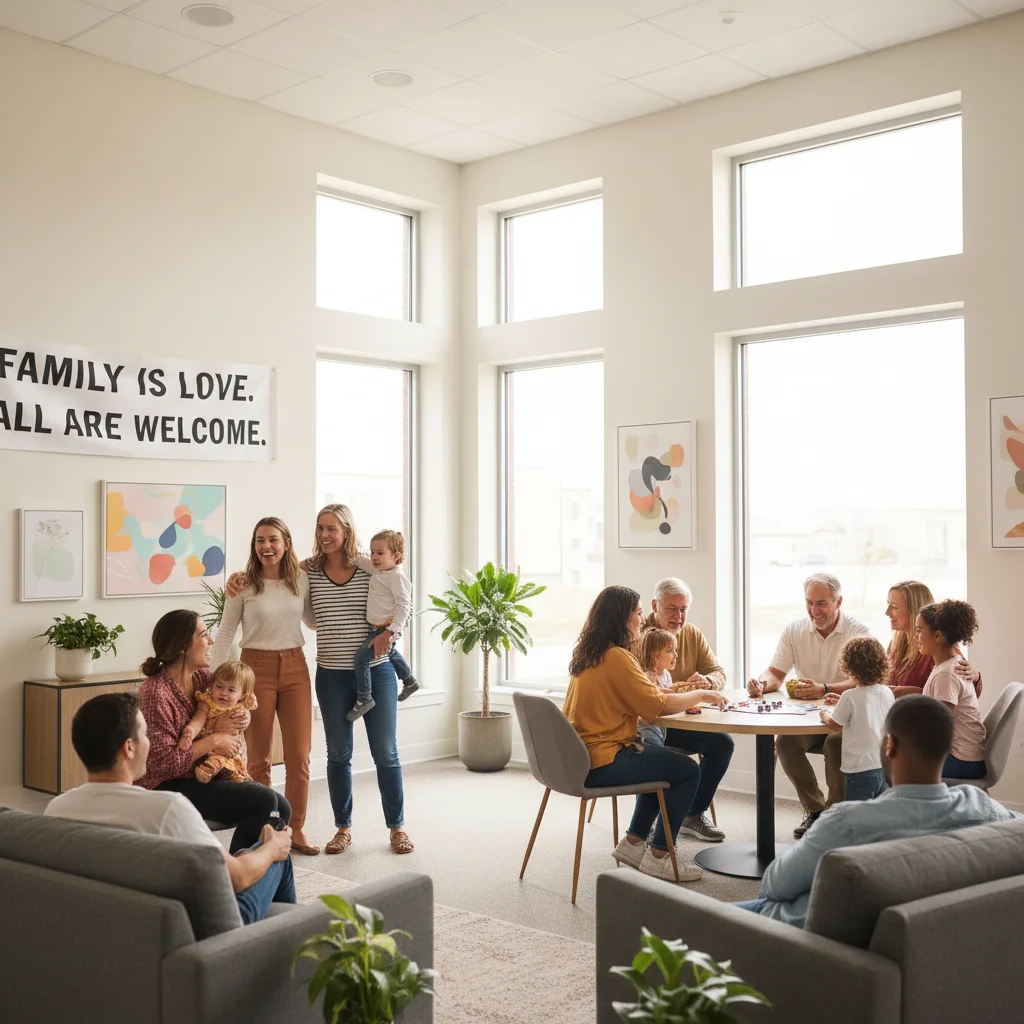
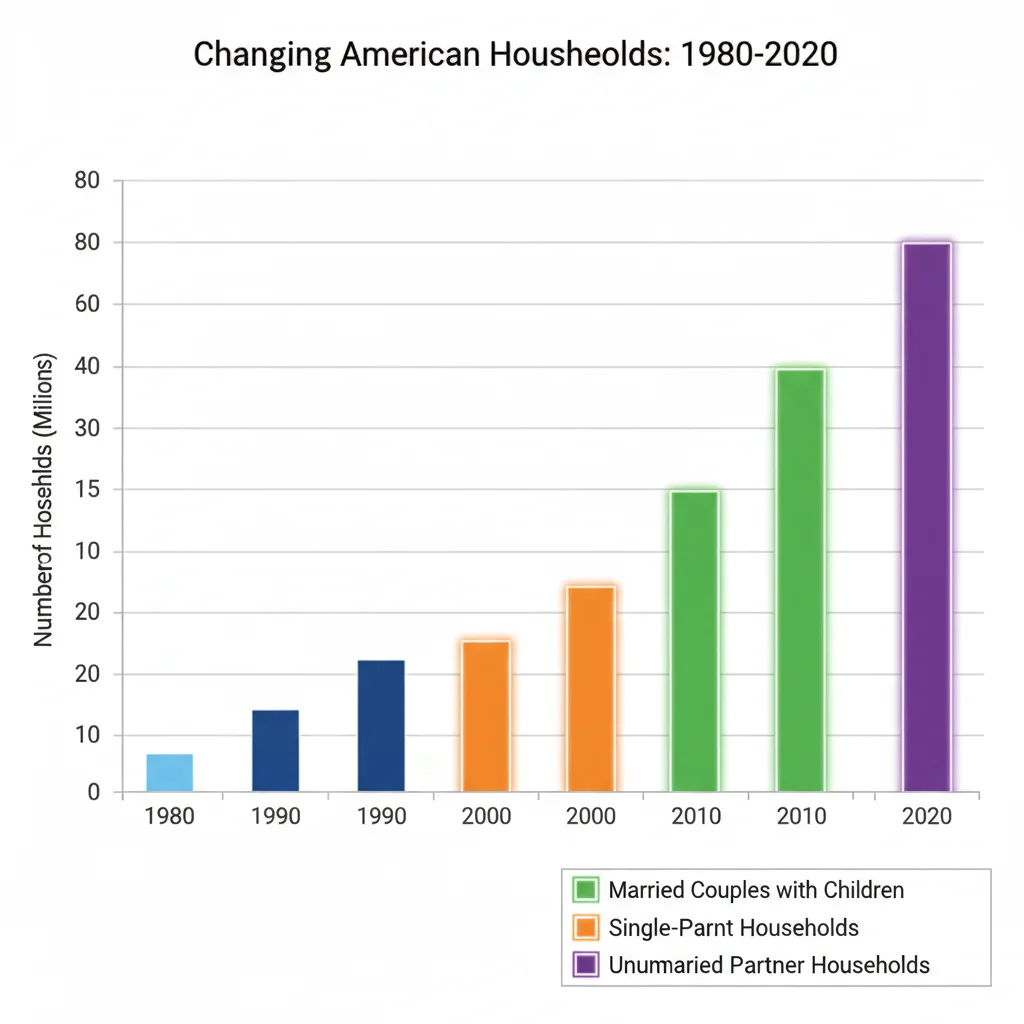
The concept of family, once largely defined by a nuclear unit consisting of a married heterosexual couple and their biological children, has been undergoing a significant evolution for decades. However, recent projections suggest an accelerated and profound shift: non-traditional households are anticipated to become 30% more common in the U.S. by 2026. This isn’t merely a statistical anomaly; it represents a fundamental reshaping of societal structures, economic realities, and individual aspirations. Understanding this seismic shift in family dynamics is crucial for policymakers, businesses, and individuals alike, as it impacts everything from housing and healthcare to social support systems and consumer behavior.
This article will delve into the multifaceted reasons behind this dramatic rise in non-traditional households, explore the various forms these households take, and discuss the far-reaching implications for American society. From economic pressures to changing social norms, a confluence of factors is driving this transformation, creating a richer, more diverse tapestry of family life than ever before. As we move closer to 2026, the trends are clear: adaptability and inclusivity will be key in navigating this evolving landscape.
Defining the Non-Traditional Household: Beyond the Nuclear Ideal
Before we explore the reasons for their growth, it’s important to clarify what constitutes a non-traditional household. Historically, the ‘traditional’ household was the nuclear family. Today, the term ‘non-traditional’ encompasses a broad spectrum of living arrangements that diverge from this conventional model. These can include, but are not limited to:
Advertisements
- Single-Parent Households: Families headed by one parent, whether due to divorce, separation, choice, or widowhood.
- Cohabiting Couples: Unmarried partners living together, with or without children.
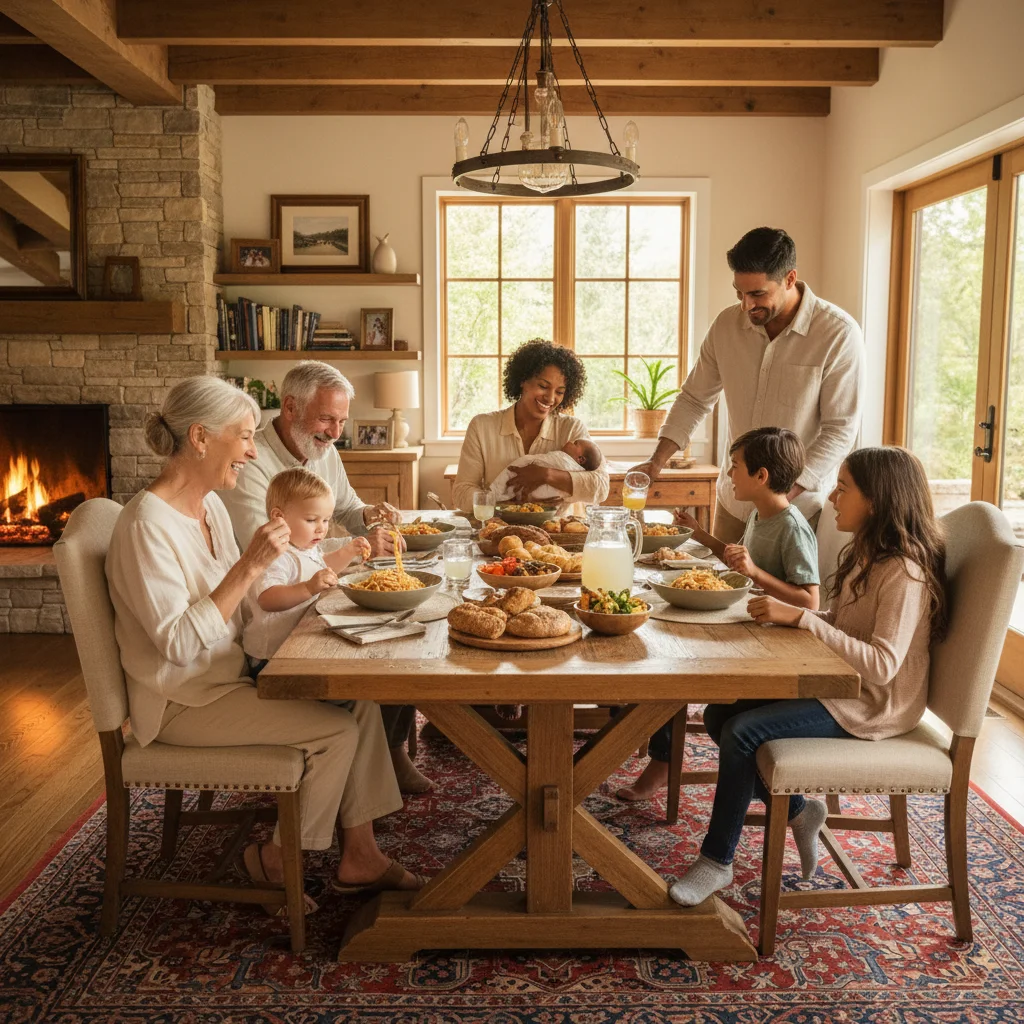
- Multi-Generational Households: Families where three or more generations live under the same roof. This can include adult children living with their parents, or grandparents living with their children and grandchildren.
- Blended Families: Families formed through remarriage or re-partnering, often involving children from previous relationships.
- Same-Sex Parent Households: Families headed by same-sex couples, with biological, adopted, or foster children.
- Single-Person Households: Individuals living alone, a growing demographic, particularly among younger adults and seniors.
- Chosen Families/Intentional Communities: Groups of unrelated individuals who live together and provide mutual support, often forming deep familial bonds.
- ‘Living Apart Together’ (LAT) Relationships: Couples who are in a committed relationship but live in separate homes. While not a household in the traditional sense, it represents a significant departure from conventional cohabitation patterns.
The rise of these varied structures signifies a societal move away from a singular, prescriptive family ideal towards a more fluid and inclusive understanding of what constitutes a family. This diversity is not just a demographic shift; it reflects changing values, economic necessities, and personal choices that challenge long-held assumptions about family life. The increasing prevalence of non-traditional households highlights a profound cultural evolution.
Driving Forces Behind the 30% Surge in Non-Traditional Households
Several interconnected factors are fueling the projected 30% increase in non-traditional households. These drivers are both economic and social, reflecting broader changes in American society.
Economic Pressures and Affordability Crisis
The escalating cost of living, particularly housing, is a primary catalyst. For many, especially younger generations and single individuals, affording a home independently is increasingly challenging. This leads to:
- Delayed Marriage and Childbearing: Young adults are postponing marriage and parenthood due to financial instability, student debt, and the high cost of raising a family. This contributes to a rise in single-person households and cohabiting couples.
- Multi-Generational Living: Adult children are returning to live with parents, or elderly parents are moving in with their adult children, to pool resources and reduce housing costs. This trend has been amplified by economic downturns and the ongoing search for affordability.
- Roommate Culture Beyond College: Living with roommates is no longer just for college students. Many adults continue to share living spaces well into their 30s and beyond to manage expenses.
Changing Social Norms and Individual Freedoms
Societal attitudes towards relationships, marriage, and family structures have become significantly more liberal and accepting. This cultural shift plays a crucial role:
- Reduced Stigma: The stigma associated with living alone, cohabiting without marriage, or being a single parent has diminished considerably.
- Increased Acceptance of Diverse Lifestyles: There’s greater societal acceptance of LGBTQ+ families, blended families, and other forms of chosen families.
- Focus on Individual Autonomy: Many individuals prioritize personal development, career aspirations, and individual freedom over traditional family formation timelines. This can lead to delaying or opting out of marriage and conventional family structures.
- Rise in Divorce Rates (historically) and Re-partnering: While divorce rates have stabilized or slightly declined in recent years, the cumulative effect of past divorces contributes to the prevalence of single-parent households and blended families.
Demographic Shifts and Longevity
The aging population and changing demographics also contribute to the rise of non-traditional households:
- Aging Population: As people live longer, there’s an increase in single-person households among seniors, often due to widowhood or simply choosing to live independently. This also fuels multi-generational living as adult children care for elderly parents.
- Increased Diversity: Immigration brings diverse cultural norms regarding family structure, some of which naturally lean towards multi-generational or extended family living.
The Impact of the Rise of Non-Traditional Households
A 30% increase in non-traditional households by 2026 will have profound and wide-ranging implications across various sectors of society.
Housing and Urban Planning
The demand for housing will shift significantly. There will be increased demand for:
- Smaller, More Flexible Living Spaces: As single-person and cohabiting households grow, smaller apartments and adaptable living arrangements will become more popular.
- Multi-Generational Housing Designs: Homes with separate living suites, dual master bedrooms, or accessible features will be in higher demand to accommodate multi-generational families.
- Affordable Housing Solutions: The economic drivers mean a continued, urgent need for diverse affordable housing options to support varied household incomes and structures.
Urban planners will need to rethink community design, focusing on amenities and services that cater to a broader range of household types, not just the traditional nuclear family. This includes everything from park designs to public transportation routes and community centers.
Economic and Consumer Behavior
Businesses will need to adapt their marketing, product development, and service offerings:
- Targeted Marketing: Advertising will need to move beyond traditional family portrayals to reflect the diversity of modern households.
- Product Innovation: Products and services catering to single individuals, cohabiting couples, or multi-generational families will see growth. Think smaller portion sizes, flexible family-sized packages, or services for elder care within a shared home.
- Financial Services: Banks and financial institutions will need to offer products tailored to diverse household incomes, shared living expenses, and varied long-term financial planning needs for non-traditional households.
Social Support Systems and Community
The traditional role of the nuclear family as the primary social safety net is evolving. The rise of non-traditional households will necessitate changes in:
- Healthcare Services: Healthcare providers will need to understand and cater to diverse family structures for care coordination, family health history, and emotional support.
- Educational Systems: Schools will increasingly interact with a wider range of parental figures and guardians, requiring more flexible communication and support strategies.
- Workplace Policies: Companies will need to offer more inclusive benefits and flexible work arrangements that support single parents, caregivers in multi-generational households, and individuals with diverse personal responsibilities.
- Community Building: Local communities will play an even greater role in providing social cohesion and support networks that might traditionally have been found within a nuclear family.
Challenges and Opportunities for Non-Traditional Households
While the increase in non-traditional households presents many opportunities for societal growth and inclusivity, it also comes with its own set of challenges.
Challenges
- Legal and Policy Gaps: Many laws and policies, particularly around inheritance, healthcare decisions, and social security benefits, are still structured around traditional family models, potentially leaving members of non-traditional households vulnerable.
- Social Acceptance: Despite growing acceptance, some non-traditional family forms still face prejudice or lack of understanding, leading to social isolation or discrimination.
- Financial Instability: Single-parent households, for example, often face greater financial strain.
- Caregiving Burdens: Multi-generational households, while offering support, can also place significant caregiving burdens on adult children caring for elderly parents or on grandparents raising grandchildren.
- Defining ‘Family’: For some, the blurring of traditional lines can create confusion or a sense of loss for older, more familiar structures.
Opportunities
- Enhanced Support Networks: Chosen families and intentional communities can provide robust emotional and practical support networks that might be lacking in isolated traditional families.
- Resource Sharing and Economic Efficiency: Multi-generational and roommate households can pool resources, reduce individual expenses, and improve overall economic stability for their members.
- Increased Diversity and Inclusivity: The rise of non-traditional households fosters a more diverse and accepting society, celebrating different ways of living and loving.
- Flexibility and Adaptability: These new structures offer greater flexibility for individuals to pursue education, career goals, or personal passions without being bound by rigid societal expectations.
- Intergenerational Learning: Multi-generational households offer rich opportunities for different age groups to learn from and support each other, fostering stronger bonds and shared wisdom.
The Future Landscape: Preparing for 2026 and Beyond
As we approach 2026, the 30% increase in non-traditional households is not just a projection but a clear indicator of a demographic reality that requires proactive engagement. Society must adapt to support these diverse family structures effectively.
Policy Reforms
Governments at all levels need to review and update policies to reflect modern family realities. This includes:
- Family Leave Policies: Expanding definitions of family for leave purposes to include chosen family members or non-biological caregivers.
- Housing Regulations: Revising zoning laws and building codes to accommodate multi-unit dwellings, cohousing models, and smaller living spaces that cater to diverse household sizes and compositions.
- Social Security and Benefits: Adapting benefit structures to support diverse caregiving arrangements and financial interdependencies within non-traditional households.
- Legal Recognition: Ensuring legal recognition and protections for cohabiting partners, chosen family members, and other non-marital relationships.
Community and Social Infrastructure
Building resilient communities that embrace and support non-traditional households is paramount:
- Inclusive Community Programs: Developing programs and services that are accessible and relevant to all household types, from single seniors to multi-generational immigrant families.
- Support Networks: Fostering local initiatives that help create support networks for single parents, LGBTQ+ families, and individuals living alone.
- Educational Outreach: Educating the public about the diversity of family structures to reduce stigma and promote understanding.
Individual and Family Adaptation
Individuals within non-traditional households are already demonstrating remarkable adaptability. This will continue to be crucial:
- Open Communication: Clear and honest communication within these diverse households is essential for managing expectations, responsibilities, and emotional needs.
- Flexible Roles: Family roles may become more fluid and less gender-specific, requiring adaptability from all members.
- Seeking Support: Recognizing when external support is needed, whether from community services, professional counseling, or extended social networks.
The journey towards 2026 will undoubtedly see further innovation in how we define and support family. The projected 30% increase in non-traditional households is not a sign of family decline, but rather a powerful testament to its enduring adaptability and resilience in the face of changing times. It is a call to action for society to evolve alongside its people, ensuring that all families, in their myriad forms, are supported, celebrated, and empowered to thrive.
Conclusion: Embracing the Future of Family
The impending 30% increase in non-traditional households by 2026 marks a pivotal moment in American social history. This isn’t merely a statistical shift; it’s a profound redefinition of what it means to be a family in the 21st century. Driven by a complex interplay of economic pressures, evolving social norms, and demographic changes, these diverse living arrangements are becoming the new norm, challenging conventional wisdom and opening up new avenues for connection, support, and community.
From the growing numbers of single-parent and multi-generational homes to the increasing acceptance of cohabiting couples and chosen families, the landscape of family life is richer and more varied than ever before. While this transformation presents challenges in terms of policy adaptation, social acceptance, and resource allocation, it also offers immense opportunities for greater inclusivity, stronger support networks, and more resilient communities.
As we move forward, the imperative for policymakers, businesses, and individuals is clear: we must embrace this evolution. By fostering supportive environments, updating outdated legal frameworks, and celebrating the diversity of human connection, we can ensure that every individual, regardless of their household structure, finds the stability, love, and belonging that define the essence of family. The future of family is here, and it is wonderfully diverse.