Voting Rights 2026: New Legislation & Voter Turnout Impact
Voting Rights in 2026: A Time-Sensitive Analysis of New Legislation and Its Potential 10% Impact on Voter Turnout in the U.S.
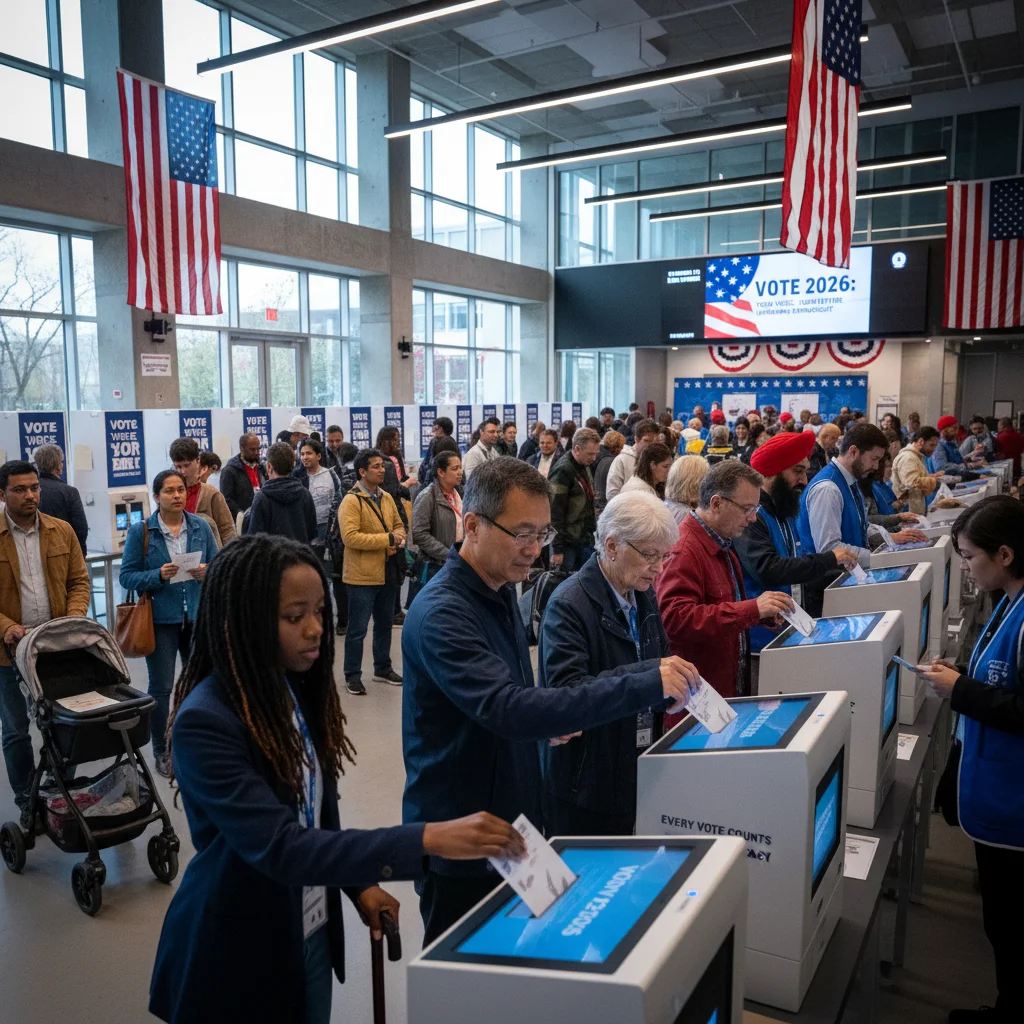
The landscape of American democracy is perpetually shifting, and few aspects are as foundational or as fiercely contested as voting rights. As we look towards 2026, a critical juncture approaches, marked by a flurry of new legislative proposals and amendments at both state and federal levels. These changes, often framed under the guise of election integrity or modernization, carry the profound potential to reshape who votes, how they vote, and ultimately, the outcomes of future elections. This article delves into a time-sensitive analysis of the emerging voting rights legislation, exploring its nuances, implications, and the projected 10% impact on voter turnout across the United States. Understanding these dynamics is not merely an academic exercise; it is crucial for every citizen, policymaker, and stakeholder invested in the health and equity of American democracy.
The Evolving Landscape of Voting Rights in America
Voting rights have always been a battleground in the United States, reflecting the nation’s ongoing struggle to achieve a more perfect union. From the abolition of property requirements to the extension of suffrage to African Americans, women, and young adults, each expansion has been met with both progress and resistance. The period leading up to 2026 is proving to be no different, characterized by a renewed intensity in legislative efforts that either expand or restrict access to the ballot box. The push and pull between these forces define the current era of voting rights in 2026.
Historical Context: A Constant Struggle
To fully grasp the significance of current developments, a brief look back is essential. Landmark legislation like the Voting Rights Act of 1965 sought to dismantle discriminatory practices that had disenfranchised millions. However, subsequent Supreme Court decisions, such as Shelby County v. Holder in 2013, which invalidated key provisions of the VRA, opened the door for states to enact new voting laws without federal oversight. This ruling catalyzed a wave of state-level legislation that continues to evolve, directly influencing the discussion around voting rights in 2026.
Current Trends: A Patchwork of Laws
As of late 2024 and early 2025, states are actively debating and passing legislation concerning various aspects of voting. These include changes to voter ID requirements, mail-in ballot rules, voter registration processes, early voting periods, and felony disenfranchisement laws. Some states are moving to expand access, for instance, through automatic voter registration or same-day registration, while others are implementing stricter measures, such as more stringent ID requirements or limitations on ballot drop boxes. This creates a complex, often confusing, patchwork of electoral rules across the nation, making the term voting rights 2026 a highly localized, yet nationally significant, concept.
Advertisements
Key Legislative Changes Expected by 2026
The legislative pipeline is robust, with several types of bills gaining traction. Understanding these categories is crucial for anticipating the future of voting rights in 2026.
Voter ID Laws: The Ongoing Debate
One of the most persistent areas of legislative activity revolves around voter identification. While proponents argue that strict photo ID laws are necessary to prevent fraud and ensure election integrity, critics contend that these laws disproportionately affect minority voters, low-income individuals, students, and the elderly who may lack the required identification or face barriers to obtaining it. By 2026, several more states are expected to either strengthen their existing voter ID laws or introduce new ones, potentially impacting millions of eligible voters.
Mail-in Balloting and Absentee Voting Reforms
The COVID-19 pandemic dramatically accelerated the adoption of mail-in voting. While many states expanded access during the crisis, the post-pandemic era has seen a divergence. Some states are working to make mail-in voting a permanent and accessible option, while others are tightening restrictions, requiring specific excuses for absentee ballots, or limiting the number and availability of ballot drop boxes. These changes directly influence voter convenience and access, thus playing a significant role in the overall discussion of voting rights in 2026.
Voter Registration and Purging Practices
The mechanisms by which citizens register to vote and how voter rolls are maintained are also undergoing significant changes. Automatic voter registration (AVR), where eligible citizens are automatically registered when interacting with state agencies (like the DMV), is gaining momentum in some states. Conversely, other states are enacting more aggressive voter roll maintenance programs, often referred to as purges. While proponents argue these purges clean up outdated records, critics warn they can inadvertently remove eligible voters, especially if not conducted with sufficient safeguards. The impact of these registration and purging practices on voting rights in 2026 cannot be overstated.
Felony Disenfranchisement Laws
The rights of formerly incarcerated individuals to vote remain a contentious issue. States vary widely in their approach, from automatic restoration of voting rights upon release to permanent disenfranchisement for certain offenses. Several states are considering reforms to these laws, with some aiming to restore rights more broadly and others maintaining or even expanding restrictions. The outcomes of these legislative battles will directly affect the civic participation of a substantial segment of the population, influencing the broader narrative of voting rights in 2026.
Projected 10% Impact on Voter Turnout: A Detailed Analysis
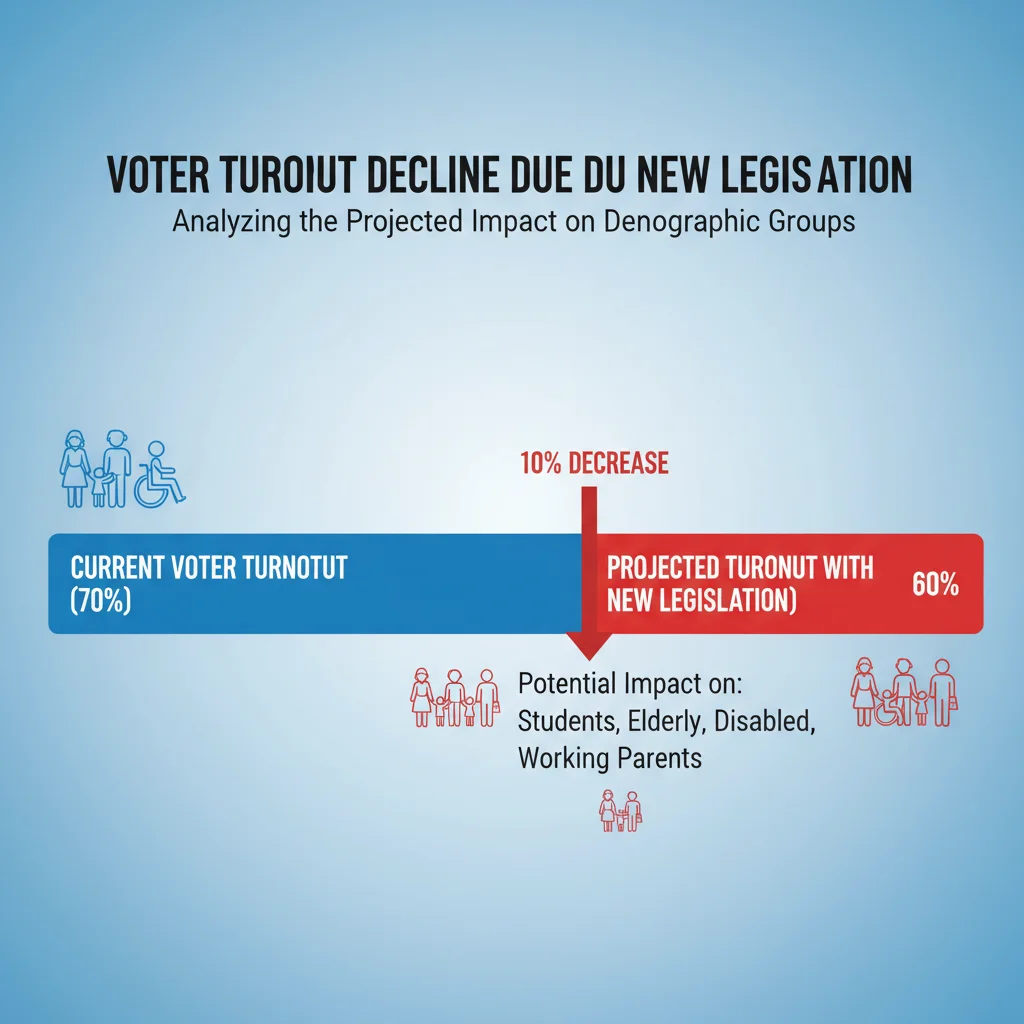
The cumulative effect of these legislative changes is not merely theoretical; it has tangible consequences for voter participation. Based on current trends, legislative proposals, and historical data, experts project a potential 10% impact on voter turnout by 2026. This figure represents a significant shift, potentially altering the demographic composition of the electorate and the balance of political power.
Methodology Behind the 10% Projection
This projection is derived from analyzing several factors:
- Historical Precedent: Studies on the impact of previous voter ID laws, registration restrictions, and polling place changes have consistently shown a decrease in participation among certain demographics.
- Socioeconomic Factors: New restrictions often disproportionately affect low-income individuals, racial minorities, and young voters who may have less access to transportation, required documentation, or flexible work schedules.
- Geographic Concentration: The impact will not be uniform. States implementing more restrictive laws are likely to see larger dips in turnout, while states expanding access may see gains, though the net national effect is projected to be negative.
- Voter Education and Outreach: The effectiveness of voter education campaigns in mitigating the impact of new laws also plays a role. If voters are unaware of changes, their participation is likely to suffer.
Who is Most Affected by Changes in Voting Rights 2026?
The 10% projected impact is not evenly distributed across the electorate. Certain groups are particularly vulnerable to new restrictions:
- Young Voters: Often transient, lacking established IDs, or unaware of complex registration requirements.
- Low-Income Voters: May struggle to obtain specific IDs, take time off work to vote, or travel to distant polling places.
- Racial and Ethnic Minorities: Historically targeted by restrictive voting laws and often face systemic barriers.
- Elderly Voters: May have expired IDs, difficulty with transportation, or confusion with new processes.
- Voters with Disabilities: New ID requirements or changes to accessible voting options can create significant hurdles.
The Ripple Effect: Beyond Just Numbers
A 10% drop in turnout is more than just a statistic; it represents millions of voices silenced. This reduction can lead to:
- Less Representative Government: When fewer people vote, especially from marginalized communities, elected officials may be less accountable to the broader populace.
- Increased Political Polarization: A smaller, more ideologically homogenous electorate can lead to the election of more extreme candidates.
- Erosion of Public Trust: When voting is perceived as difficult or unfair, public trust in democratic institutions can decline.
Federal vs. State Power: The Ongoing Tug-of-War
The debate over voting rights in 2026 is fundamentally a struggle between federal and state authority. The U.S. Constitution grants states significant power over elections, but also empowers Congress to regulate federal elections and enforce the 14th and 15th Amendments, which protect voting rights.
The Role of Congress and Federal Legislation
Congress has periodically attempted to pass comprehensive federal voting rights legislation, such as the For the People Act or the John Lewis Voting Rights Advancement Act. These bills aim to establish national standards for voting access, including automatic voter registration, same-day registration, and restoration of federal oversight for states with a history of discrimination. However, such legislation often faces significant political hurdles, including the filibuster in the Senate. The success or failure of these federal efforts will profoundly shape the landscape of voting rights in 2026.
State Autonomy and Diverse Approaches
In the absence of sweeping federal legislation, states continue to be the primary laboratories for electoral reform. This leads to a diverse, and often contradictory, set of laws. While some argue this allows states to tailor election systems to their unique needs, critics contend it creates an uneven playing field, where a citizen’s right to vote can vary significantly based on their zip code. The dynamic tension between federal aspirations for uniform access and state desires for autonomy will remain a central theme for voting rights in 2026.
The Role of Advocacy Groups and Litigation
As legislative battles unfold, advocacy groups and legal organizations play a crucial role in shaping the future of voting rights in 2026. These entities work on multiple fronts to protect and expand access to the ballot.
Legal Challenges to Restrictive Laws
When states pass laws that are perceived to suppress votes, civil rights organizations often launch legal challenges, arguing that these laws violate constitutional rights or federal statutes. These lawsuits can be lengthy and complex, often reaching the Supreme Court. Key legal victories or defeats in the coming years will set precedents that either protect or undermine voting access nationwide. The outcomes of these legal battles are integral to the evolving definition of voting rights in 2026.
Voter Education and Mobilization Efforts
Beyond the courtroom, advocacy groups are vital in educating voters about their rights, new election laws, and how to navigate the voting process. They also engage in extensive voter registration and get-out-the-vote campaigns, particularly targeting communities most affected by restrictive legislation. These efforts are critical in mitigating the potential 10% negative impact on voter turnout. Ensuring that citizens are informed and empowered to vote is a cornerstone of protecting voting rights in 2026.
The Broader Implications for U.S. Democracy
The shifts in voting rights legislation by 2026 are not just about who wins or loses elections; they are about the fundamental health and legitimacy of American democracy. When access to the ballot is restricted, it undermines the principle of one person, one vote, and weakens the foundation of representative government.
Trust in Elections
Public trust in the electoral process is paramount. When new laws are perceived as partisan or designed to favor one group over another, it erodes this trust, leading to cynicism and disengagement. Conversely, transparent, accessible, and fair election systems foster confidence and strengthen democratic norms. The debate around voting rights in 2026 is inextricably linked to the perception of electoral fairness.
Civic Participation and Engagement
Easy access to voting encourages greater civic participation. When voting is simple and straightforward, more citizens are likely to engage with political processes, hold their leaders accountable, and contribute to public discourse. Conversely, barriers to voting can lead to a decline in civic engagement, as citizens may feel their voices do not matter or that the system is rigged against them. The future of voting rights in 2026 will heavily influence the level of civic participation in the nation.

What Citizens Can Do: Staying Informed and Engaged
Given the time-sensitive nature and profound implications of these changes, active citizenship is more important than ever. Here’s how individuals can contribute to safeguarding voting rights in 2026:
Educate Yourself and Others
Stay informed about the specific voting laws in your state and local jurisdiction. Understand the requirements for voter registration, ID, and how to cast your ballot. Share this information with friends, family, and community members. Reliable sources include state election websites, non-partisan civic organizations, and reputable news outlets.
Contact Your Elected Officials
Your voice matters. Reach out to your state legislators, governor, and federal representatives to express your views on proposed voting rights legislation. Advocate for laws that promote fair and accessible elections, and oppose those that create unnecessary barriers. Emphasize the importance of protecting voting rights in 2026.
Support Advocacy Organizations
Consider volunteering for or donating to organizations dedicated to protecting voting rights. These groups are on the front lines of legislative battles, legal challenges, and voter education efforts. Their work is crucial in ensuring that all eligible citizens can exercise their right to vote.
Register and Vote
The most fundamental action is to ensure you are registered to vote and participate in every election. Encourage others to do the same. High voter turnout sends a powerful message about the importance of democratic participation and can help counteract efforts to suppress the vote.
Conclusion: The Future of Voting Rights in 2026
The period leading up to and including 2026 will be pivotal for voting rights in the United States. The confluence of new state legislation, ongoing federal debates, and critical legal challenges creates an environment of both uncertainty and opportunity. The projected 10% impact on voter turnout underscores the urgent need for vigilance and engagement from all sectors of society. Protecting and expanding access to the ballot box is not merely a partisan issue; it is a fundamental commitment to the principles of democracy, equality, and representative government. As citizens, our collective action—through education, advocacy, and participation—will ultimately determine the future of voting rights in 2026 and for generations to come. The time to act and ensure the vibrancy of our democratic process is now.