Metaverse Mainstream: Virtual Worlds Capture Pop Culture in 2026
The Metaverse and Mainstream: How Virtual Worlds Are Capturing Pop Culture Attention in 2026
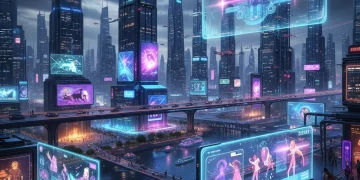
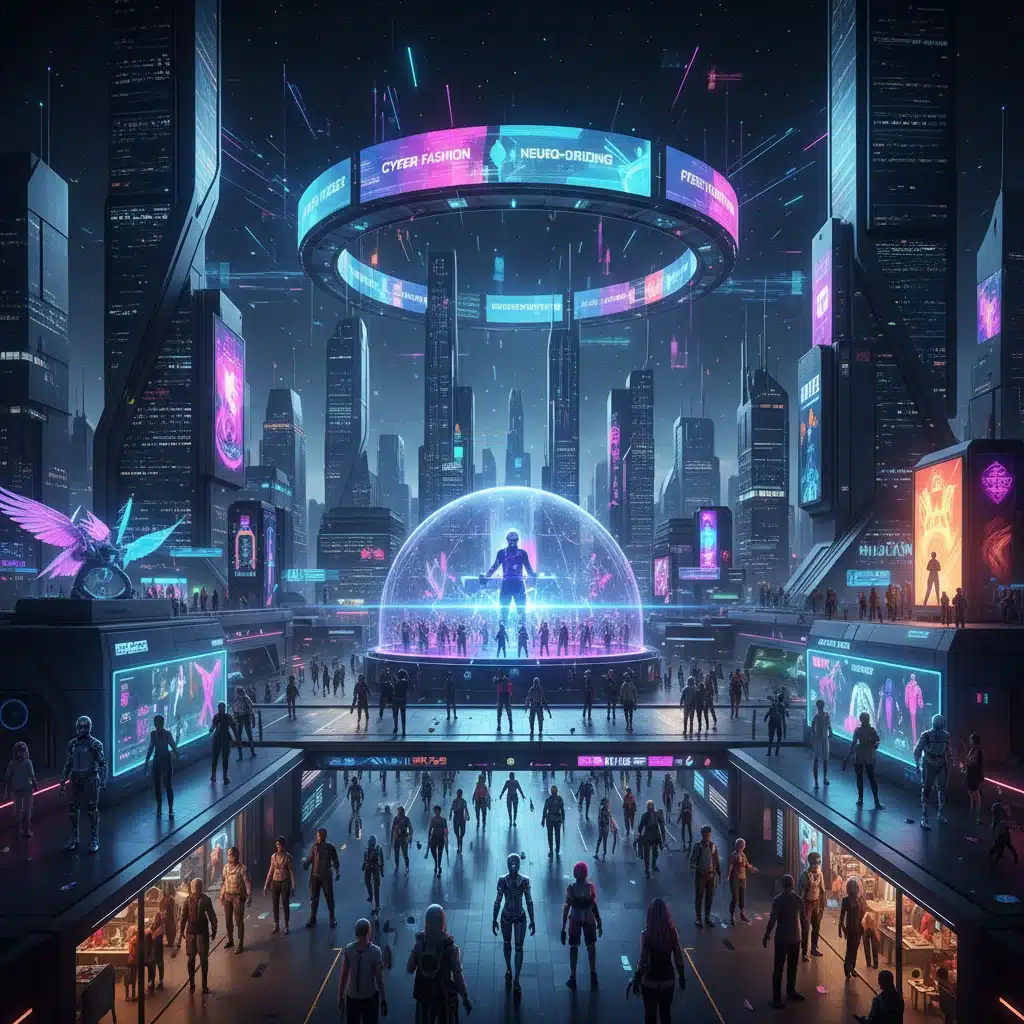
In 2026, the term "metaverse" is no longer relegated to the fringes of tech discussions or the pages of science fiction novels. It has permeated the fabric of everyday life, becoming an undeniable force in mainstream pop culture. What was once a futuristic concept is now a vibrant, evolving digital reality where millions converge for entertainment, social interaction, commerce, and even work. The allure of the metaverse lies in its promise of immersive experiences, unparalleled connectivity, and the ability to transcend physical limitations. This article delves into how the metaverse pop culture phenomenon has taken hold, examining the key drivers, platforms, and cultural shifts that have cemented its place in the mainstream by 2026.
The Evolution of Virtual Worlds: From Niche to Necessity
The journey of virtual worlds from niche online communities to mainstream cultural hubs has been a rapid and fascinating one. Early iterations, such as Second Life, laid foundational groundwork, but it’s the advancements in computing power, internet infrastructure, and accessible VR/AR technology that have truly propelled the metaverse into the spotlight. By 2026, the barriers to entry have significantly lowered, making immersive digital experiences available to a broader demographic. This accessibility, coupled with a growing desire for unique and personalized online interactions, has fueled the explosion of metaverse pop culture.
No longer just for gamers, the metaverse now attracts artists, musicians, fashion designers, educators, and social influencers. It has become a new frontier for creative expression and economic opportunity. Brands are pouring resources into establishing their presence in these virtual spaces, recognizing the immense potential for engaging with consumers in novel ways. From virtual storefronts to interactive brand experiences, the metaverse offers a dynamic platform for marketing and community building that traditional media struggles to match. This commercial interest, in turn, further legitimizes and expands the reach of metaverse platforms, solidifying their role in mainstream culture.
Advertisements
Key Drivers of Metaverse Mainstream Adoption
- Technological Advancements: Improved VR/AR hardware, faster internet speeds (5G and beyond), and more powerful graphics processing units have made metaverse experiences more realistic and less cumbersome.
- Accessibility: The proliferation of affordable VR headsets, along with robust browser-based metaverse experiences, has opened the doors to a wider audience.
- Pandemic Acceleration: The global shift towards remote work and online socialization during the early 2020s normalized digital interaction, making the transition to immersive virtual environments more natural.
- Celebrity and Brand Endorsements: High-profile artists, athletes, and fashion brands have embraced the metaverse, bringing their massive followings with them and validating its cultural significance.
- User-Generated Content (UGC): The ability for users to create, share, and monetize their own content within virtual worlds fosters a sense of ownership and endless possibilities, driving engagement and innovation.
Entertainment Reimagined: Music, Movies, and Gaming in the Metaverse
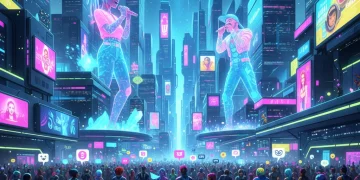
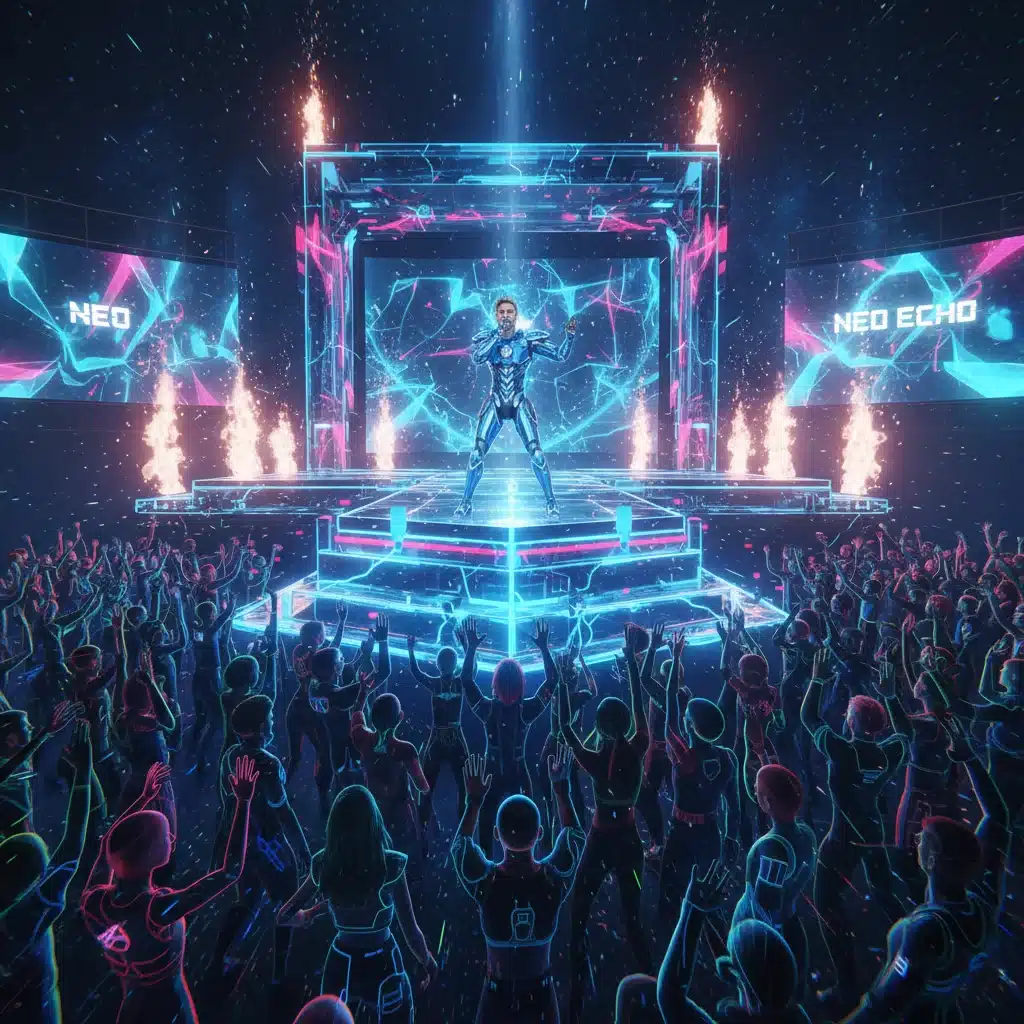
The entertainment industry has been one of the earliest and most enthusiastic adopters of the metaverse, recognizing its potential to revolutionize how content is consumed and experienced. By 2026, virtual concerts are not just a novelty but a regular occurrence, with millions of fans attending live performances by their favorite artists in hyper-realistic digital venues. These aren’t just passive viewing experiences; attendees can interact with each other, purchase exclusive digital merchandise, and even influence aspects of the show. This level of immersion and interactivity is a game-changer for the music industry, creating new revenue streams and fostering deeper connections between artists and their fan bases. The rise of metaverse pop culture is intrinsically linked to these groundbreaking entertainment experiences.
Beyond music, the film industry is also experimenting with immersive storytelling. Virtual reality movies and interactive narratives allow viewers to step into the story, making choices that affect the plot and experiencing events from a first-person perspective. This blurs the lines between traditional cinema and gaming, offering a level of engagement previously unimaginable. Gaming, of course, remains a cornerstone of the metaverse, with massively multiplayer online (MMO) games evolving into persistent virtual worlds that serve as social hubs, economic ecosystems, and creative playgrounds. Esports tournaments held in the metaverse draw colossal virtual crowds, further cementing its role in mainstream entertainment.
Case Study: Virtual Music Festivals
In 2026, virtual music festivals have become a staple of the global entertainment calendar. Major events like ‘AuraFest’ and ‘EchoVerse’ attract tens of millions of attendees from around the world. These festivals feature multiple stages, diverse musical genres, interactive art installations, and exclusive after-parties hosted by celebrity avatars. Fans can customize their avatars with festival-specific digital outfits, meet up with friends from different continents, and even participate in virtual meet-and-greets with their favorite performers. The economic impact is substantial, with ticket sales, digital merchandise, and brand sponsorships generating billions. This vibrant scene is a prime example of how metaverse pop culture is flourishing.
Fashion, Art, and Digital Identity: Shaping Self in the Metaverse
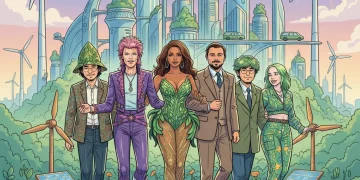
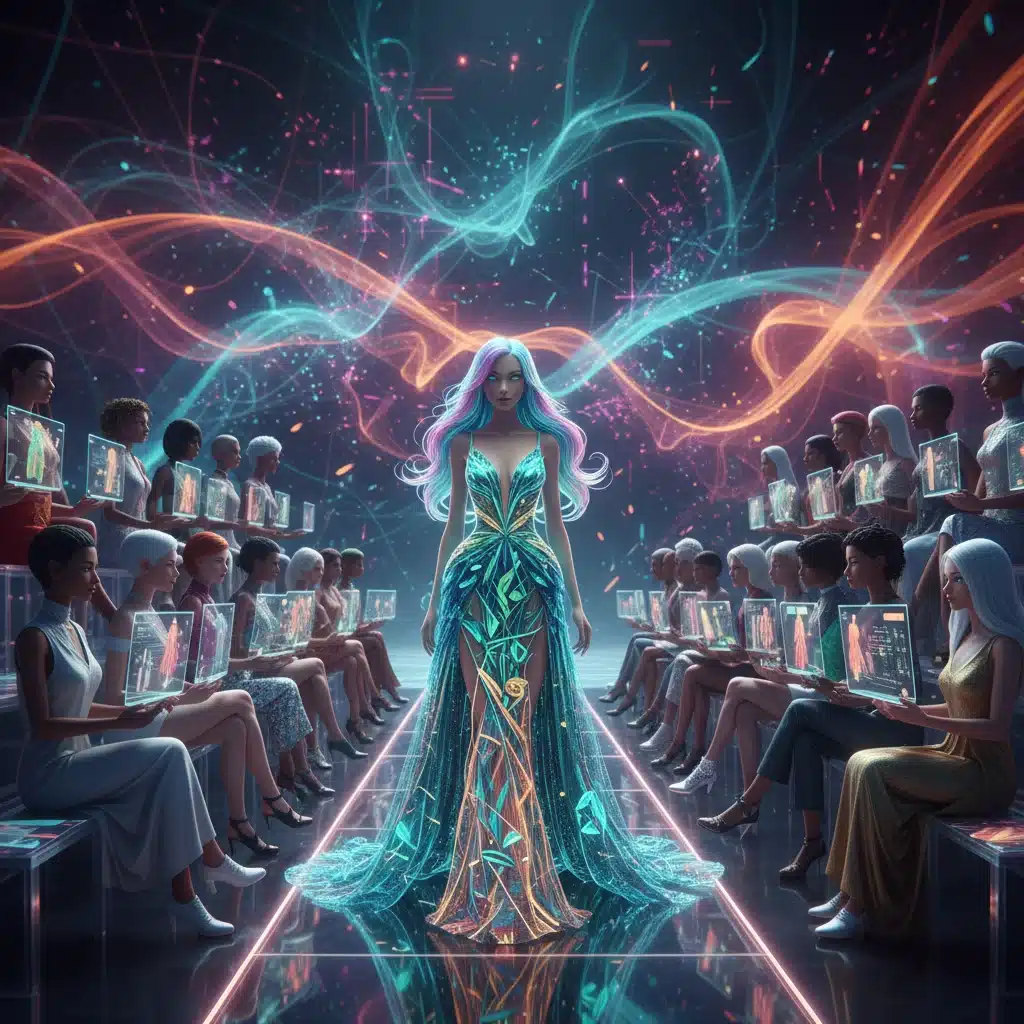
One of the most compelling aspects of the metaverse is its impact on personal identity and self-expression. Avatars are more than just digital representations; they are extensions of our physical selves, often allowing for levels of creativity and fantasy that are impossible in the real world. By 2026, digital fashion has become a multi-billion-dollar industry, with major luxury brands launching entire collections exclusively for the metaverse. Users can purchase unique virtual outfits, accessories, and even hairstyles for their avatars, expressing their individuality and status within digital communities. Virtual fashion shows are as anticipated as their physical counterparts, showcasing cutting-edge designs that push the boundaries of what’s possible in clothing.
The art world has also found a new canvas in the metaverse. Digital artists are creating immersive installations, galleries, and interactive exhibits that challenge traditional notions of art appreciation. Non-Fungible Tokens (NFTs) have evolved beyond speculative investments to become genuine digital collectibles, representing ownership of unique virtual assets, including art, fashion items, and even virtual real estate. Owning a rare NFT piece of digital art or a limited-edition virtual sneaker provides social currency and a sense of belonging within specific metaverse communities. This intertwining of digital identity, fashion, and art is a powerful driver of metaverse pop culture, allowing individuals to curate their online persona with unprecedented freedom.
The Rise of the Digital Influencer
In 2026, digital influencers – both human creators operating in virtual spaces and AI-driven virtual avatars – command massive followings. These influencers showcase digital fashion, host virtual events, review metaverse experiences, and collaborate with brands. Their digital personas are often meticulously crafted, blurring the lines between reality and simulation. The authenticity of their interactions and the aspirational lifestyles they portray within the metaverse drive trends and influence purchasing decisions, making them central figures in the evolving landscape of metaverse pop culture.
Social Interaction and Community Building in Virtual Worlds
At its heart, the metaverse is about connection. It offers new paradigms for social interaction, allowing people from diverse backgrounds and geographical locations to come together in shared virtual spaces. By 2026, virtual hangouts, clubs, and meeting spaces are commonplace. Friends gather in personalized digital homes, attend virtual parties, or explore fantastical landscapes together. These interactions often feel more engaging and present than traditional video calls, thanks to the immersive nature of the environment and the ability to interact with shared objects and activities.
Beyond casual socialization, the metaverse fosters the creation of vibrant communities centered around shared interests. Whether it’s a fan club for a particular virtual band, a group dedicated to digital art creation, or a guild for a metaverse game, these communities provide a sense of belonging and camaraderie. The tools for communication and collaboration within these platforms are constantly evolving, enabling more sophisticated and spontaneous interactions. This strong emphasis on community is a critical factor in the widespread adoption and enduring appeal of metaverse pop culture.
The Economic Landscape of the Metaverse: New Opportunities and Challenges
The economic implications of a mainstream metaverse are profound. By 2026, a robust virtual economy has emerged, complete with its own currencies, marketplaces, and job opportunities. Digital goods and services are bought and sold, virtual real estate is developed, and creators earn substantial incomes from their digital creations. This new economic frontier presents both exciting opportunities and complex challenges.
Entrepreneurs are building businesses entirely within the metaverse, offering services ranging from avatar customization and virtual event planning to digital asset creation and metaverse advertising. Traditional companies are establishing virtual presences, opening up new channels for customer engagement and revenue generation. The creator economy within the metaverse is thriving, empowering individuals to monetize their skills and creativity directly, bypassing traditional gatekeepers. This decentralized economic model is a significant draw, attracting a new generation of digital natives eager to participate in this burgeoning virtual marketplace.
Challenges on the Horizon
Despite its rapid growth, the mainstreaming of the metaverse is not without its hurdles. Issues such as interoperability between different virtual platforms, digital property rights, data privacy, and cybersecurity remain critical areas of development. Furthermore, the potential for digital divide, where access to high-quality metaverse experiences is unevenly distributed, needs to be addressed to ensure equitable participation. Ethical considerations surrounding digital identity, virtual harassment, and the psychological impact of extended time in virtual worlds are also subjects of ongoing debate and require thoughtful solutions as metaverse pop culture continues to evolve.
The Future is Immersive: What’s Next for Metaverse Pop Culture?
Looking beyond 2026, the trajectory of the metaverse suggests even deeper integration into our daily lives. We can anticipate more seamless transitions between physical and virtual realities, with augmented reality (AR) playing an increasingly significant role. Imagine wearing smart glasses that overlay digital information onto the real world, allowing you to interact with metaverse elements in your physical environment. The lines between online and offline will continue to blur, creating a hybrid reality where digital and physical experiences are intertwined.
Further advancements in haptic technology will enhance the sensory experience of the metaverse, allowing users to feel virtual objects and sensations. Artificial intelligence will become more sophisticated, powering realistic non-player characters (NPCs) and intelligent virtual assistants that enhance interaction and productivity within virtual worlds. The educational sector is also poised for a revolution, with immersive learning environments offering unparalleled opportunities for engagement and understanding. As technology evolves, so too will the definition and scope of metaverse pop culture, constantly pushing the boundaries of what’s possible in digital interaction and human experience.
The Democratization of Creation
One of the most exciting future prospects is the continued democratization of creation within the metaverse. As tools become more intuitive and AI-powered assistance becomes more prevalent, virtually anyone will be able to design and build their own virtual spaces, experiences, and assets. This will lead to an explosion of diverse content, fostering even greater creativity and personalization. The metaverse will truly become a reflection of collective human imagination, driven by its users, further cementing its place as a dynamic and ever-evolving aspect of global pop culture.
Conclusion: The Metaverse is Here to Stay
By 2026, the metaverse has unequivocally moved from concept to cultural phenomenon. It is reshaping how we entertain ourselves, express our identities, socialize, and conduct business. The immersive nature of virtual worlds, combined with rapid technological advancements and a growing appetite for unique digital experiences, has firmly embedded metaverse pop culture into the mainstream. While challenges remain, the potential for innovation, connection, and creation within these digital frontiers is immense. As we continue to navigate this exciting new era, one thing is clear: the metaverse is not just a passing trend; it is a fundamental shift in how we interact with technology and each other, destined to evolve and expand in ways we are only just beginning to imagine.