Metaverse Pop Culture 2026: Virtual Worlds Reshaping Fandoms
The year is 2026, and the digital landscape has transformed in ways previously only dreamt of in science fiction. At the heart of this revolution lies the metaverse, a persistent, interconnected network of virtual 3D worlds that is not just changing how we interact, but profoundly reshaping the very fabric of metaverse pop culture and fandoms. What began as an experimental frontier for tech enthusiasts has blossomed into a mainstream phenomenon, offering unprecedented levels of immersion, interaction, and ownership for fans across the globe.
No longer are fans passive consumers of content; they are active participants, creators, and stakeholders in the universes they adore. From virtual concerts drawing millions of attendees to digital fashion lines selling out in seconds, the metaverse has become the new playground for cultural expression and community building. This article delves deep into how virtual worlds are impacting 2026 fandoms, exploring the technological advancements, cultural shifts, and economic opportunities that define this exciting new era.
The Evolution of Fandoms in the Metaverse Era
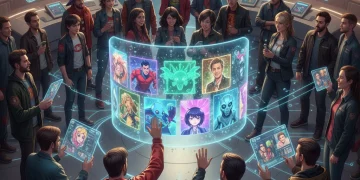
Fandoms, by their very nature, thrive on shared passion, community, and connection. Historically, these connections were forged through conventions, online forums, and social media. The metaverse has taken these foundational elements and amplified them exponentially. Imagine attending a Q&A session with your favorite actor, not through a flat screen, but as an avatar standing just feet away from their digital twin in a meticulously recreated set from their latest blockbuster. Or perhaps collaborating with fellow fans to build an entire city dedicated to your beloved anime series, complete with interactive quests and exclusive digital collectibles.
This level of immersion fosters a deeper sense of belonging and agency. Fans are no longer just observing; they are experiencing. They are contributing. They are living within their chosen narratives. This shift from passive consumption to active participation is a cornerstone of how metaverse pop culture is evolving.
Virtual Concerts and Live Events: A New Stage for Superstars
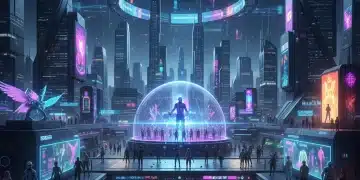
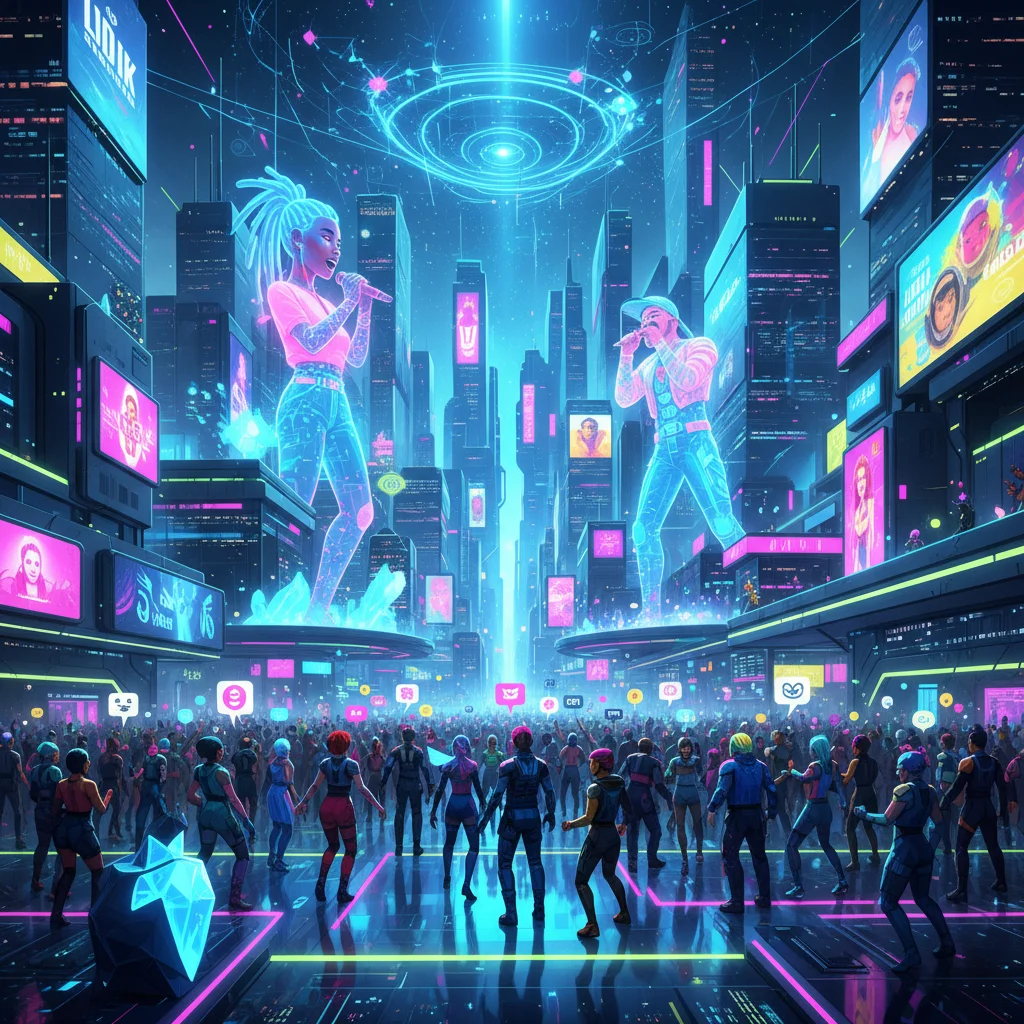
One of the most visible impacts of the metaverse on pop culture has been the explosion of virtual concerts and live events. While early attempts might have felt like glorified video games, by 2026, the technology has matured significantly. Artists like Ariana Grande, Travis Scott, and Justin Bieber pioneered these virtual performances, but now, almost every major artist has a metaverse presence. These aren’t just streamed concerts; they are multi-sensory experiences with dynamic environments, interactive elements, and unique visual effects impossible in the physical world.
Advertisements
Fans can customize their avatars, dance with friends from across continents, and even interact directly with the artist’s avatar during certain segments. The economic model has also evolved, with virtual tickets, exclusive digital merchandise (NFTs), and VIP metaverse experiences generating significant revenue for artists and platforms alike. This trend has democratized access, allowing millions to “attend” sold-out shows regardless of geographical location or physical limitations, redefining what it means to experience live entertainment.
Digital Fashion and Identity: Expressing Yourself in Virtual Worlds
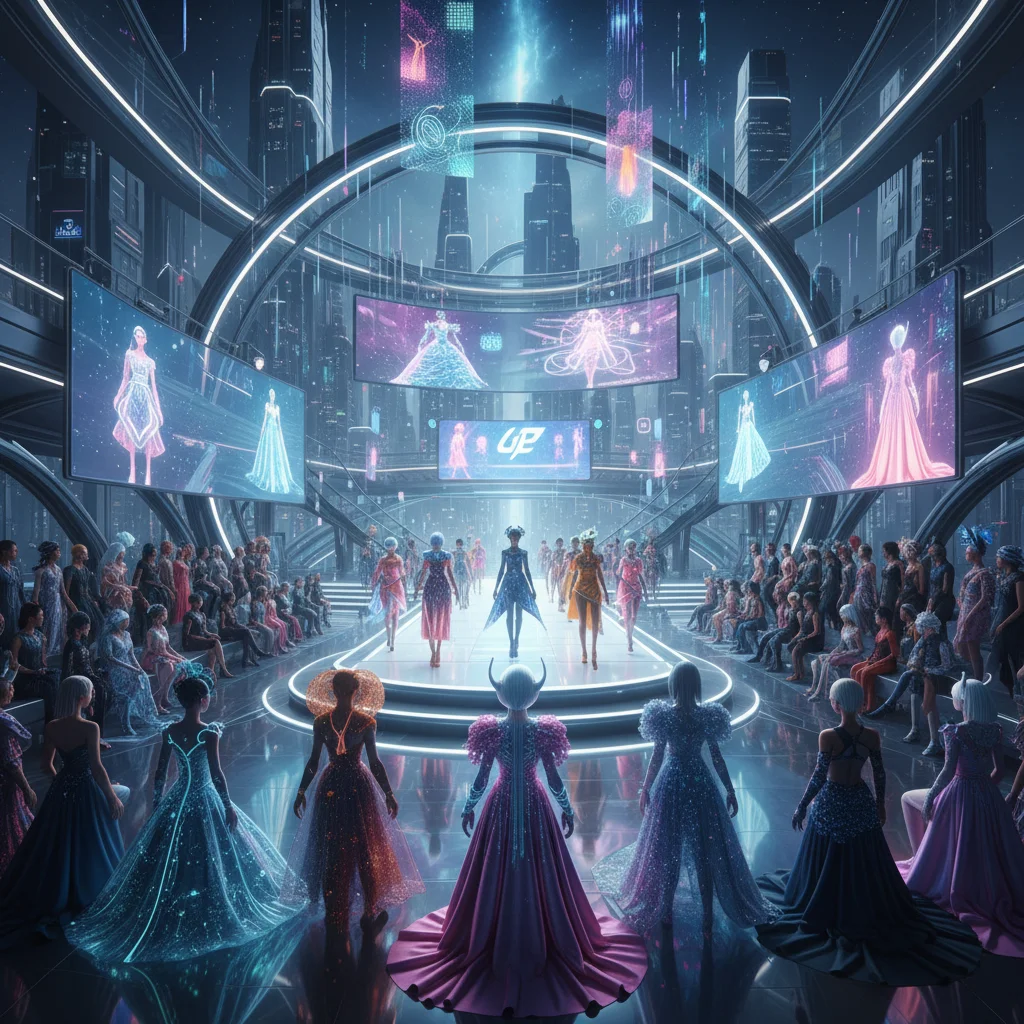
In the physical world, fashion is a powerful form of self-expression. In the metaverse, this concept is taken to an entirely new dimension. Digital fashion has become a booming industry, with major luxury brands and independent designers alike creating exquisite, often fantastical, garments and accessories exclusively for avatars. This isn’t just about looking good; it’s about building a unique digital identity that can transcend the limitations of the physical self.
Avatars are extensions of our personalities, and their attire is a crucial component of that extension. From haute couture gowns that defy gravity to streetwear infused with animated effects, digital fashion allows for unparalleled creativity. Fans of specific franchises can wear authentic digital replicas of their favorite characters’ costumes, or even commission bespoke designs inspired by their beloved universes. The scarcity and uniqueness of some digital fashion items, often represented as NFTs, have also created a vibrant secondary market, further intertwining economics with metaverse pop culture.
NFTs and Digital Collectibles: Ownership in the Virtual Realm
The rise of Non-Fungible Tokens (NFTs) has been instrumental in shaping metaverse pop culture. NFTs provide a verifiable proof of ownership for digital assets, enabling true scarcity and value in virtual worlds. For fandoms, this has opened up a treasure trove of opportunities. Fans can now own unique digital art, exclusive in-game items, virtual real estate, and even moments from their favorite shows or movies as NFTs.
Imagine owning a limited edition digital sword wielded by your hero in a popular fantasy game, or a unique avatar skin representing your allegiance to a particular sci-fi faction. These digital collectibles are not just status symbols; they often grant access to exclusive metaverse experiences, fan clubs, or even voting rights in the development of future content related to the franchise. This sense of ownership deepens fan engagement and fosters a new layer of economic interaction within fandoms.
Immersive Storytelling and Interactive Narratives
The metaverse is fundamentally changing how stories are told and consumed. Traditional linear narratives are giving way to immersive, interactive experiences where fans can directly influence the plot, explore detailed virtual worlds, and even become characters within their favorite stories. This is particularly impactful for long-running franchises with rich lore.
Game developers, film studios, and authors are increasingly leveraging metaverse platforms to create extensions of their universes. Fans can embark on quests alongside their heroes, uncover hidden lore, or participate in community-driven events that shape the ongoing narrative. This blurs the lines between creator and consumer, turning fandoms into collaborative storytelling endeavors. The potential for fan-generated content within these frameworks is immense, allowing communities to build upon established universes in ways never before possible.
Fan-Built Worlds and Communities: The Power of Collective Creation
Beyond official experiences, the metaverse empowers fans to create their own virtual spaces and communities. Platforms offer tools for users to design and build their own environments, from sprawling cities to cozy fan hangouts. These fan-built worlds become hubs for role-playing, discussions, and shared activities centered around specific interests.
This grassroots creativity is a powerful driver of metaverse pop culture. It allows niche fandoms to flourish, providing dedicated spaces where members can connect, celebrate their passions, and even collaborate on creative projects. These communities often develop their own internal economies, social norms, and unique subcultures, demonstrating the organic growth possible within the decentralized nature of many metaverse platforms.
Challenges and Opportunities in the Metaverse Landscape
While the impact of the metaverse on pop culture is overwhelmingly positive, it’s not without its challenges. Issues of interoperability between different metaverse platforms, digital asset security, and the potential for digital inequalities remain significant concerns. Ensuring a safe, inclusive, and accessible metaverse for all fans is a continuous effort.
However, the opportunities far outweigh the challenges. The metaverse offers unprecedented avenues for monetization for creators, new forms of artistic expression, and deeper, more meaningful connections for fans. It’s a space where creativity knows no bounds, and where the line between reality and imagination becomes delightfully blurred.
Monetization for Creators: New Revenue Streams
For artists, content creators, and intellectual property holders, the metaverse represents a powerful new frontier for monetization. Beyond traditional revenue streams like merchandise sales and ticketed events, the metaverse offers avenues such as:
- NFT Sales: Exclusive digital art, collectibles, music, and in-game items.
- Virtual Real Estate: Selling or leasing virtual land for fan experiences, brand activations, or community hubs.
- Digital Fashion: Designing and selling avatar wearables.
- Subscription Models: Access to exclusive metaverse zones or premium content.
- Advertising and Sponsorships: Brands leveraging metaverse spaces to reach engaged fan communities.
This diversified income potential allows creators more financial independence and the ability to invest further in innovative fan experiences, fueling the growth of metaverse pop culture.
Accessibility and Inclusivity: Bridging Gaps
One of the most promising aspects of the metaverse is its potential to enhance accessibility and inclusivity within fandoms. For fans with physical disabilities, geographical limitations, or socio-economic barriers, the metaverse can level the playing field. A fan who might not be able to attend a physical convention can now fully participate in a virtual one, interacting with creators and fellow fans without impediment.
However, it’s crucial that metaverse developers prioritize accessibility in their designs, ensuring that interfaces are intuitive, hardware requirements are not prohibitively expensive, and diverse representation is embedded in avatar options and virtual environments. The goal is to create a truly global village where everyone can participate in metaverse pop culture.
The Future of Fandom: Interconnected and Immersive
Looking ahead, the trajectory of metaverse pop culture points towards even greater interconnectedness and immersion. We can anticipate more seamless integration between different virtual worlds, allowing avatars and digital assets to move freely across platforms. This interoperability will create a truly unified digital experience for fans, breaking down the silos that currently exist.
Artificial intelligence will also play an increasingly significant role, creating more dynamic and responsive virtual environments, intelligent NPCs (Non-Player Characters) that can engage in meaningful conversations, and personalized fan experiences tailored to individual preferences. The boundaries between gaming, social media, and entertainment will continue to blur, culminating in a rich, multi-layered digital existence.
Ethical Considerations and Governance
As the metaverse continues its rapid expansion, ethical considerations and governance become paramount. Issues such as data privacy, digital ownership rights, content moderation, and preventing harassment in virtual spaces require careful attention. Fandoms, often passionate and vocal, will undoubtedly play a role in shaping these discussions, advocating for safe and equitable virtual environments.
Community-led governance models, decentralized autonomous organizations (DAOs), and transparent platform policies will be essential in building a sustainable and thriving metaverse pop culture ecosystem that respects user rights and fosters positive interactions.
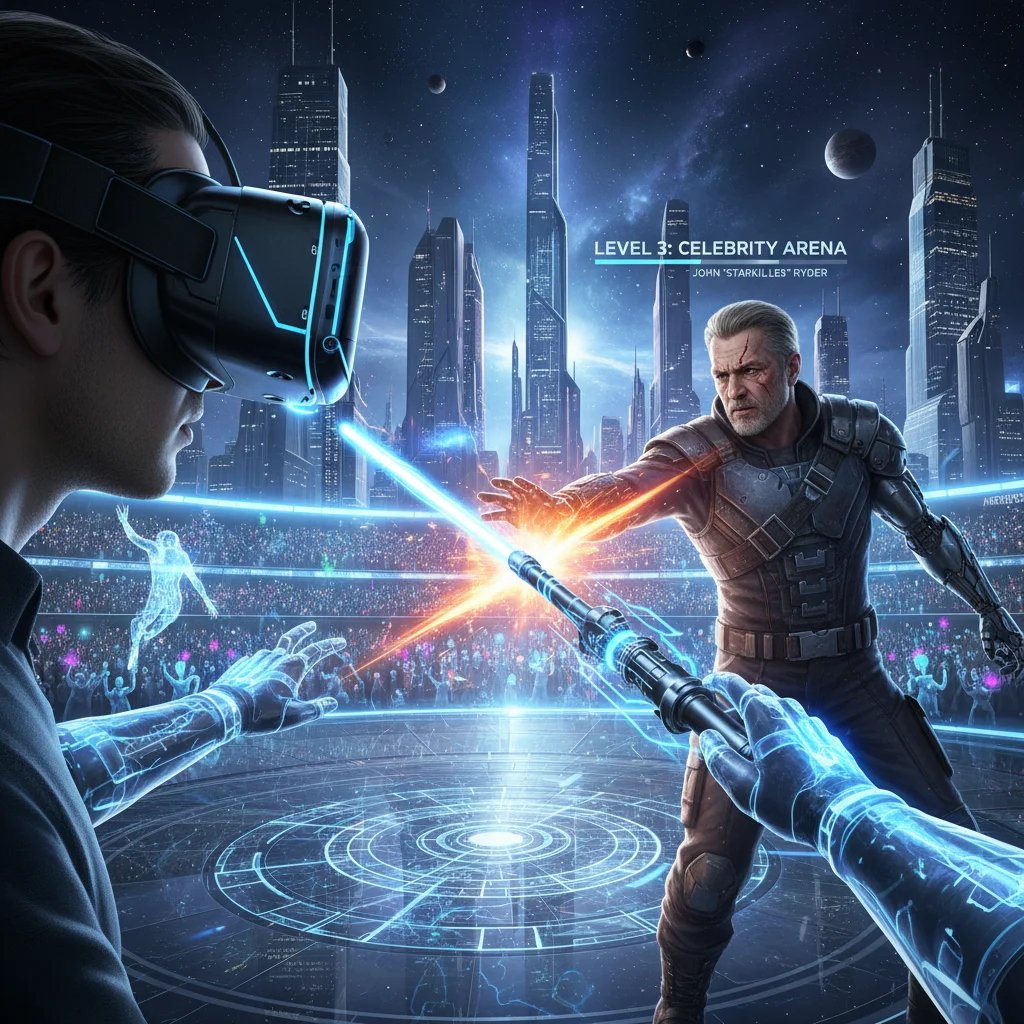
Case Studies: Pop Culture Icons Embracing the Metaverse
To truly understand the impact, let’s look at some hypothetical but plausible examples of how pop culture icons and franchises are thriving in the 2026 metaverse:
- The “Star Realm” Saga: A beloved sci-fi franchise launches its own metaverse, allowing fans to pilot starships, engage in epic space battles, and explore alien planets as their own custom characters. Exclusive NFT starship blueprints are sold, granting owners unique in-game abilities and access to developer Q&As.
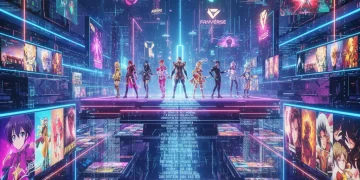
- K-Pop Idols in “Harmony World”: A popular K-Pop group hosts weekly fan meet-and-greets in a dedicated metaverse concert hall. Fans can buy digital lightsticks, participate in dance-offs with the idols’ digital avatars, and even co-create music videos in a collaborative virtual studio.
- “Mystic Realms” Digital Fashion House: A fantasy book series collaborates with a digital fashion designer to create an entire line of spellbinding garments and armor for avatars. These items, sold as NFTs, come with unique particle effects and grant wearers access to secret lore archives within the metaverse.
- Retro Gaming Revival in “Pixel Paradise”: Classic video game franchises are resurrected in the metaverse, allowing fans to not only play enhanced versions of their favorite games but also socialize in virtual arcades, collect vintage digital memorabilia, and compete in tournaments with global leaderboards.
These examples illustrate the boundless potential for engagement and innovation when traditional pop culture intersects with the immersive capabilities of the metaverse.
Conclusion: The Unfolding Tapestry of Metaverse Pop Culture
The year 2026 marks a significant milestone in the integration of the metaverse with pop culture. Virtual worlds are no longer a niche curiosity but a fundamental component of how fandoms connect, create, and consume entertainment. From groundbreaking virtual concerts and the explosion of digital fashion to the profound impact of NFTs on ownership and the rise of immersive storytelling, the metaverse has redefined what it means to be a fan.
As technology continues to advance and virtual spaces become even more sophisticated, we can expect an even deeper fusion of our physical and digital lives. The future of metaverse pop culture is an exciting, ever-evolving tapestry woven with innovation, community, and boundless creativity. It’s a future where every fan has a seat at the table, a voice in the narrative, and an active role in shaping the worlds they love.
Embrace the virtual, for it is here that the next chapter of human connection and cultural expression is being written.