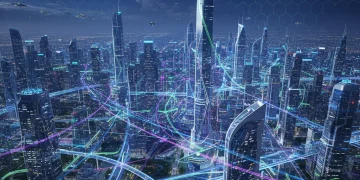
2026 Music Festival Trends: Immersive Experiences & Tech Integration
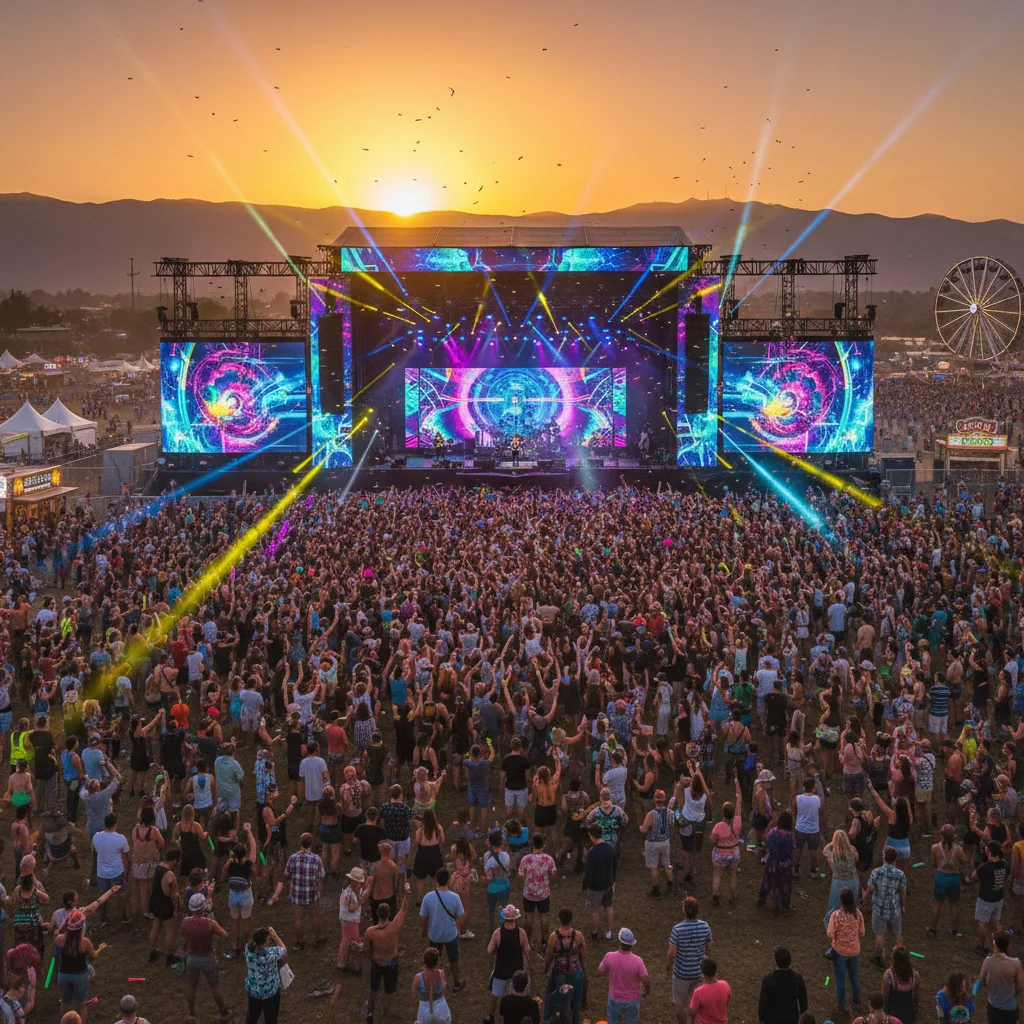
Unpacking the 2026 Music Festival Landscape: 3 Major Trends Redefining Live Experiences
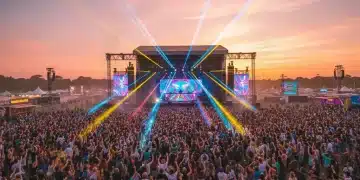
The global music festival scene is a dynamic, ever-evolving beast, constantly pushing the boundaries of entertainment, technology, and community. As we look towards 2026, the horizon is brimming with transformative shifts that promise to redefine how we experience live music. From the pulsating beats echoing across vast fields to the intricate visual spectacles that captivate our senses, 2026 festival trends are set to elevate the bar significantly. This article delves deep into three paramount trends that will shape the future of music festivals, offering a comprehensive look at what attendees can expect and what organizers are focusing on to create unforgettable moments. We’re talking about hyper-immersive experiences, groundbreaking technological integration, and a profound commitment to sustainability. These aren’t just buzzwords; they represent fundamental shifts in the industry’s approach to live entertainment, ensuring that the 2026 festival trends will be more engaging, responsible, and spectacular than ever before.
The anticipation for what the next few years hold is palpable. Festival organizers are constantly innovating, driven by a desire to offer more than just a concert; they aim to provide a holistic, multi-sensory journey. This pursuit of novelty and depth is what fuels the emergence of these significant 2026 festival trends. Understanding these trends is crucial not only for festival-goers planning their next adventure but also for industry professionals seeking to stay ahead of the curve. The landscape is shifting, and those who embrace these changes will undoubtedly lead the charge in creating the most memorable and impactful live music events of the decade.
Trend 1: The Rise of Hyper-Immersive Experiences
One of the most compelling 2026 festival trends is the dramatic surge in hyper-immersive experiences. Gone are the days when a great lineup alone was enough to draw massive crowds. Today’s festival attendees crave more; they seek environments that fully envelop their senses, transporting them beyond the ordinary. This trend goes far beyond impressive stage designs or elaborate light shows, venturing into interactive art installations, theatrical performances, and even narrative-driven experiences that unfold throughout the festival grounds.
Advertisements
Imagine walking through a forest where every tree seems to whisper a story, or stumbling upon a hidden stage accessible only through a secret passage. These are the kinds of experiences that define hyper-immersion. Organizers are collaborating with artists, technologists, and storytellers to craft bespoke worlds within the festival perimeter. This includes large-scale interactive art pieces that respond to human touch or movement, creating a dynamic dialogue between the art and the audience. Projection mapping technology is becoming increasingly sophisticated, transforming entire landscapes into living canvases that shift and evolve with the music, blurring the lines between the real and the surreal. The goal is to create a pervasive atmosphere where every corner holds a surprise, every moment offers an opportunity for discovery, and attendees feel like active participants in a grand, unfolding narrative rather than mere spectators.
Furthermore, this trend extends to curated sensory experiences. Think specialized scent zones, tactile installations, and even gastronomic journeys designed to complement the musical performances. Festivals are becoming living, breathing ecosystems where every element is meticulously crafted to contribute to an overarching theme or mood. This level of detail and integration ensures that the memory of the festival isn’t just about the music you heard, but about the entire world you inhabited for those few days. The demand for these unique and deeply engaging experiences is a significant driver behind the evolution of 2026 festival trends, pushing creative boundaries and fostering a new era of festival design.
The psychological impact of hyper-immersive environments is also a key factor. By engaging multiple senses and offering interactive elements, these experiences can evoke stronger emotions, create deeper connections, and foster a more profound sense of community among attendees. When participants are actively involved in shaping their experience, rather than passively consuming it, the memories created are richer and more lasting. This is why festival planners are investing heavily in this area, recognizing that true immersion is the key to unlocking unparalleled audience engagement and satisfaction. As we approach 2026, expect to see festivals transforming into sprawling, interactive playgrounds, each with its own unique identity and narrative.
Trend 2: Advanced Technological Integration
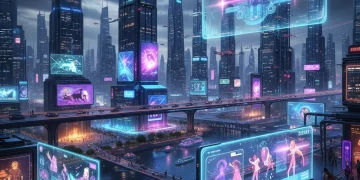
Technology has always played a role in enhancing live music, from sound systems to lighting rigs. However, the 2026 festival trends point towards an unprecedented level of advanced technological integration that goes far beyond traditional applications. We’re talking about everything from augmented reality (AR) and virtual reality (VR) experiences to AI-powered personalization and blockchain-backed ticketing systems. These innovations are not just about spectacle; they are about improving efficiency, safety, accessibility, and the overall attendee journey.
Augmented Reality (AR) is poised to become a staple at festivals. Imagine holding up your phone and seeing digital art overlayed onto the real world, interactive schedules popping up over stages, or even virtual artists performing alongside real ones. AR applications can transform static environments into dynamic, interactive spaces, offering personalized content and navigation. VR, while perhaps less suited for continuous use in a crowded festival environment, will find its niche in dedicated zones, offering attendees a chance to step into entirely different digital worlds, perhaps even experiencing a performance from a virtual front-row seat or exploring fantastical landscapes between live sets. This dual approach to AR/VR will significantly enhance the multi-sensory aspects of the 2026 festival trends.
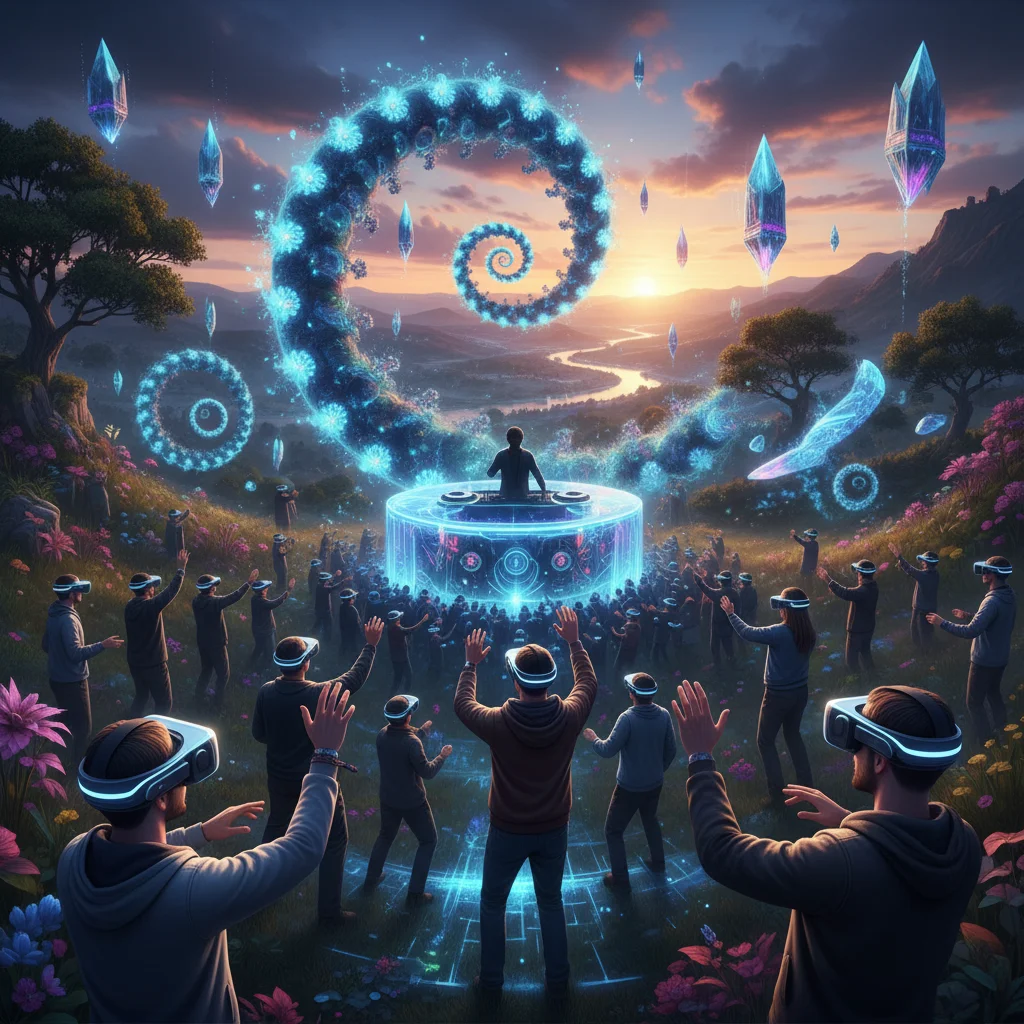
Beyond visual technology, AI is set to revolutionize festival operations and personalization. AI algorithms can analyze attendee data (with consent, of course) to offer personalized recommendations for artists, food vendors, and activities, ensuring each individual gets the most out of their festival experience. Moreover, AI can optimize crowd flow, predict potential bottlenecks, and even enhance security measures by identifying unusual patterns. Imagine an AI-powered chatbot that can answer all your festival questions instantly, or a smart wristband that grants access, makes cashless payments, and even tracks your friends on the sprawling festival grounds. These technological advancements are not just about convenience; they’re about creating a seamless, intuitive, and highly personalized experience for every attendee, a hallmark of the evolving 2026 festival trends.
Blockchain technology is also gaining traction, particularly for ticketing and intellectual property. Secure, verifiable tickets can combat scalping and fraud, ensuring that genuine fans get fair access. Furthermore, blockchain could be used to facilitate transparent royalty payments for artists and creators involved in the festival, fostering a more equitable ecosystem. The integration of advanced payment systems, such as NFC-enabled wristbands and biometric authentication, will also streamline transactions and reduce queues, allowing attendees to focus more on the music and less on logistical hassles. These technological leaps are crucial for the scalability and sustainability of future festivals, making them more accessible and enjoyable for a wider audience.
The data collected through these integrated technologies will also provide invaluable insights for festival organizers, allowing them to continuously refine and improve future events. From understanding popular artists and genres to identifying peak traffic times and popular amenities, data-driven decisions will lead to more efficient operations and enhanced attendee satisfaction. This continuous feedback loop, powered by sophisticated technology, is a key component of how 2026 festival trends will be shaped and optimized.
Trend 3: Sustainability and Eco-Conscious Initiatives
As global awareness of climate change and environmental impact intensifies, sustainability is no longer an optional add-on but a fundamental pillar of modern festival planning. The 2026 festival trends will see a profound and widespread commitment to eco-conscious initiatives, moving beyond token gestures to systemic changes in how festivals are organized and executed. Attendees are increasingly demanding greener events, and organizers are responding with innovative solutions to minimize their ecological footprint.
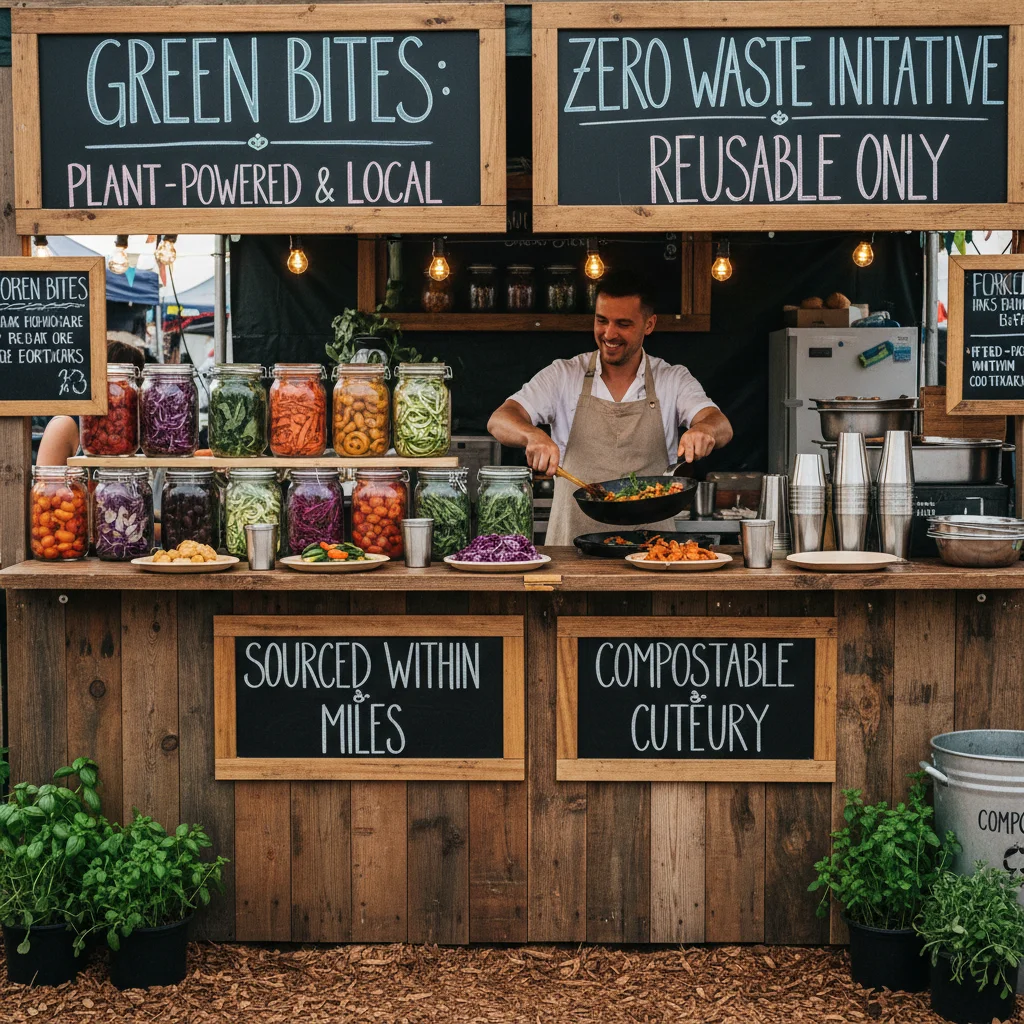
Waste management is at the forefront of this trend. Festivals are notorious for generating vast amounts of waste, but 2026 will see a significant push towards zero-waste goals. This involves comprehensive recycling and composting programs, strict bans on single-use plastics, and incentives for attendees to bring reusable items like water bottles and cups. Many festivals are partnering with specialized waste management companies to ensure that materials are sorted and processed correctly, diverting as much as possible from landfills. The emphasis will be on a circular economy model, where waste is seen as a resource to be repurposed rather than discarded. This commitment to responsible waste disposal is a non-negotiable aspect of the emerging 2026 festival trends.
Energy consumption is another critical area. Festivals require immense power for stages, lighting, sound systems, and infrastructure. The shift towards renewable energy sources will accelerate, with solar panels and wind turbines becoming more common on festival sites. Biodiesel generators and even kinetic energy solutions (where attendee movement helps generate power) will be explored and implemented. The goal is to reduce reliance on fossil fuels dramatically, making festivals powered by clean, green energy. This infrastructural overhaul is a significant investment but is seen as essential for aligning with the values of modern festival-goers and the broader environmental movement. Expect to see innovative energy solutions highlighted as a key feature of sustainable 2026 festival trends.
Beyond waste and energy, sustainable sourcing for food, merchandise, and construction materials will become standard practice. Local and organic food vendors will be prioritized, reducing transportation emissions and supporting local economies. Merchandise will increasingly be made from recycled or sustainably sourced materials, and temporary structures will be designed for minimal environmental impact and maximum reusability. Water conservation efforts, including efficient water systems and promoting responsible water usage among attendees, will also be a major focus. The entire supply chain of a festival will be scrutinized through an environmental lens, ensuring that every decision contributes to a more sustainable event. These holistic approaches are what will truly define the eco-conscious aspect of 2026 festival trends.
Furthermore, education and engagement will play a vital role. Festivals will increasingly use their platforms to educate attendees about environmental issues and inspire them to adopt more sustainable lifestyles. Workshops, interactive exhibits, and partnerships with environmental organizations will become common, transforming festivals into hubs for environmental advocacy and awareness. By fostering a culture of responsibility and encouraging participation, festivals can amplify their positive impact far beyond the event itself. This proactive stance on environmental stewardship is not just good PR; it’s a fundamental shift in corporate responsibility that will define the most successful festivals within the 2026 festival trends landscape.
The Intersection of Trends: A Holistic Festival Future
It’s important to recognize that these three major 2026 festival trends—hyper-immersive experiences, advanced technological integration, and sustainability—are not isolated phenomena. Instead, they are deeply interconnected and often mutually reinforcing. For instance, technology can be a powerful tool for enhancing immersive experiences, such as using AR to create interactive art installations or AI to personalize narrative elements. Similarly, technology can drive sustainability efforts, through smart waste management systems, energy monitoring, or blockchain for transparent supply chains.
The future of music festivals lies in this synergistic intersection. Imagine an immersive art installation powered entirely by solar energy, with interactive elements controlled by an attendee’s smart wristband, guiding them through a narrative that culminates in a sustainable food tasting. This holistic approach creates a richer, more meaningful experience for attendees while simultaneously minimizing environmental impact. Festivals that successfully weave these trends together will be the ones that stand out, offering something truly unique and forward-thinking. This integrated vision is what will truly define the cutting-edge of 2026 festival trends.
Moreover, the emphasis on community and well-being will continue to grow. Alongside the spectacle and technological marvels, festivals are increasingly recognizing their role as spaces for connection, healing, and personal growth. This includes offering wellness programs, mindfulness workshops, and safe spaces for all attendees. The integration of these elements with the broader trends of immersion, technology, and sustainability will create events that are not only entertaining but also enriching and responsible. The 2026 festival trends are about crafting environments where people can truly thrive, both individually and collectively.
Challenges and Opportunities for 2026 Festival Trends
While the outlook for 2026 festival trends is overwhelmingly positive, there are inherent challenges that organizers must navigate. Implementing advanced technology and sustainable practices often comes with significant upfront costs, which can impact ticket prices and accessibility. Finding the right balance between innovation and affordability will be crucial. Moreover, ensuring that technology enhances rather than detracts from the human connection and organic spontaneity of a festival is a delicate art. The goal is to use technology as an enabler, not a replacement for genuine interaction.
Data privacy and security also become paramount with increased technological integration. Festivals will need robust systems to protect attendee data and ensure transparency in how it’s used. Similarly, the logistics of managing complex immersive installations and extensive recycling programs require meticulous planning and execution. However, these challenges also present immense opportunities. Festivals that successfully tackle these hurdles will establish themselves as industry leaders, setting new benchmarks for quality, innovation, and social responsibility. The competitive landscape will drive continuous improvement, pushing the boundaries of what’s possible within the 2026 festival trends.
The opportunity to attract new demographics is also significant. As festivals become more diverse in their offerings – from wellness retreats to tech showcases – they can appeal to a broader audience beyond traditional music enthusiasts. This expansion of the target market can ensure the long-term viability and growth of the festival industry. Furthermore, the focus on sustainability can attract environmentally conscious brands and sponsors, creating new revenue streams and partnerships that align with the festival’s values. These strategic alliances will be key to funding the ambitious visions encapsulated by the 2026 festival trends.
Conclusion: A Transformative Era for Music Festivals
The year 2026 promises to be a landmark period for music festivals, characterized by profound transformations driven by hyper-immersive experiences, advanced technological integration, and unwavering commitment to sustainability. These 2026 festival trends are not merely fleeting fads but fundamental shifts that will redefine the very essence of live entertainment. Attendees can look forward to festivals that are more engaging, more personalized, more environmentally responsible, and ultimately, more unforgettable.
Organizers are stepping up to the plate, embracing innovation and responsibility in equal measure. The future festival landscape will be one where every detail, from the energy source powering the stage to the interactive art piece in a hidden grove, is thoughtfully curated to create a cohesive and impactful experience. As these trends mature, we will witness the birth of a new generation of festivals that are not just events, but vibrant, temporary societies built on creativity, connection, and a shared vision for a better future. The stage is set for a truly transformative era in live music, and the 2026 festival trends are just the beginning of this exciting journey.
Whether you’re a seasoned festival-goer or a curious newcomer, the evolving landscape promises something extraordinary for everyone. Prepare to be immersed, amazed, and inspired, as the music festival world enters its most exciting chapter yet.