Broadway to Big Screen: 2026 Film Adaptations
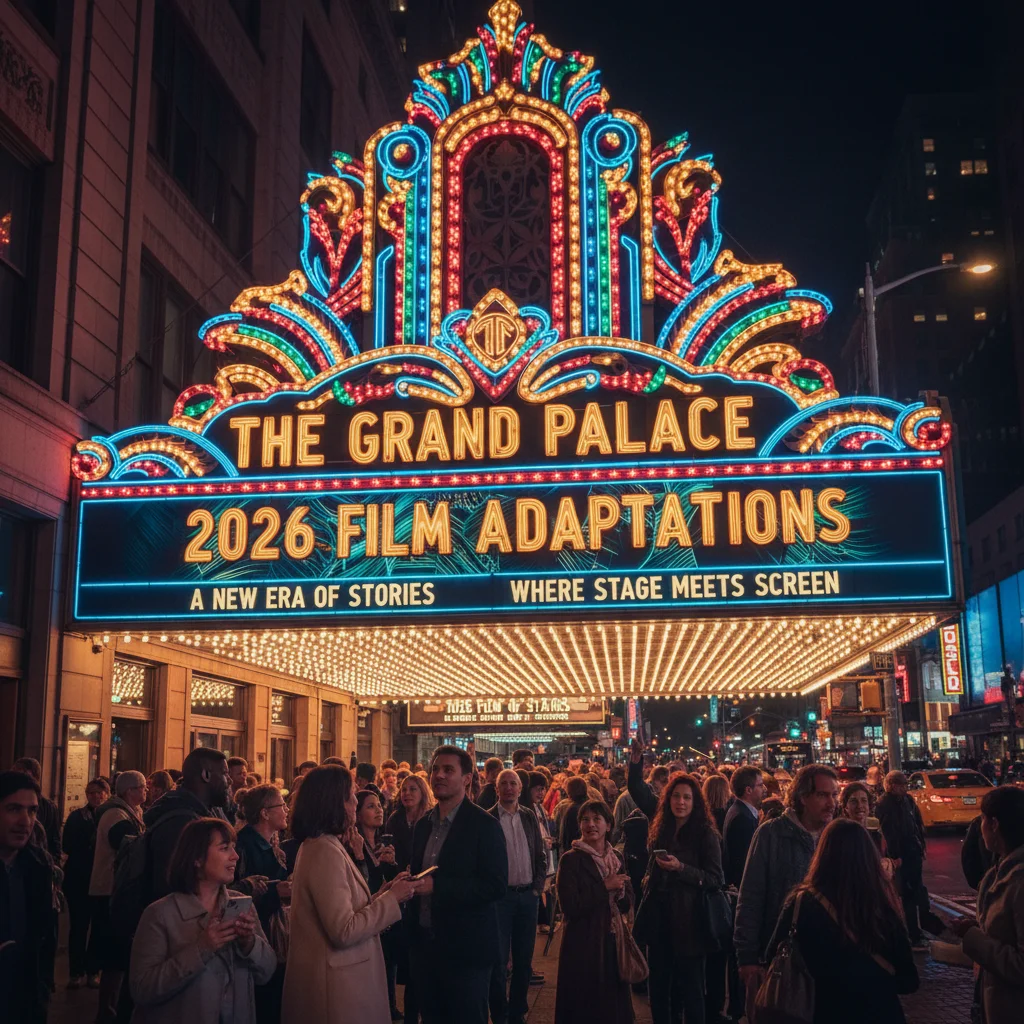
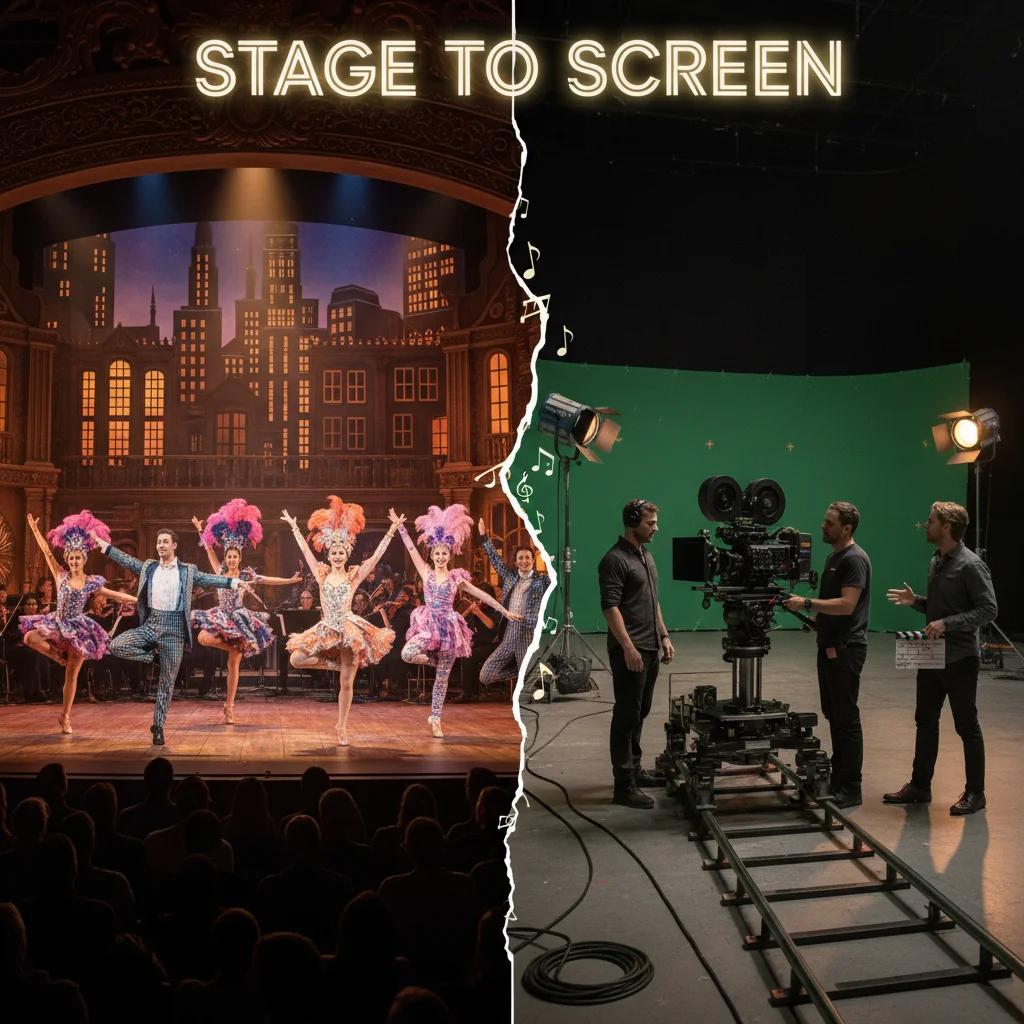
The allure of Broadway has always been undeniable. The raw emotion, the live performances, the immediate connection between actor and audience – it’s an experience unlike any other. But what happens when that magic is translated to the silver screen? Hollywood has a long-standing love affair with Broadway, consistently adapting its most successful plays and musicals into cinematic masterpieces. This trend shows no signs of slowing down, with 2026 shaping up to be a monumental year for Broadway film adaptations. As the curtain rises on new possibilities, fans of both theater and cinema are eagerly anticipating which beloved stage productions will make the leap to the big screen, bringing their stories to a global audience with the grandeur and scope only film can offer. The transition from stage to screen is a delicate art, requiring a keen understanding of both mediums to preserve the essence of the original while expanding its reach and visual impact. This article delves into the exciting prospect of Broadway film adaptations, focusing on three major hits poised to redefine the cinematic landscape in 2026.
The journey of a Broadway show to a feature film is often fraught with challenges, yet when done right, the results can be spectacular. Think of classics like West Side Story, My Fair Lady, or more recently, Chicago and Les Misérables. These films not only captivated audiences but also garnered critical acclaim and numerous awards, proving that the heart of a stage production can resonate just as powerfully, if not more so, on celluloid. The year 2026 promises to add new entries to this illustrious list, with several highly anticipated Broadway film adaptations already generating significant buzz. The excitement stems not just from the stories themselves, but from the potential for innovative directorial visions, stellar casting, and the enhanced production values that Hollywood can bring. These adaptations offer a unique opportunity to revisit cherished narratives, often with fresh perspectives and cinematic flourishes that were impossible on stage. It’s a chance for a new generation to discover these timeless tales, and for existing fans to experience them in a completely different light. The anticipation surrounding these projects is a testament to the enduring power of storytelling, whether it originates under the bright lights of Broadway or within the flickering frames of a film projector.
The Enduring Appeal of Broadway Film Adaptations
Why do Broadway shows translate so well to film? The answer lies in their inherent storytelling strength. Broadway productions are often built on compelling narratives, memorable characters, and powerful emotional arcs. These are the foundational elements that resonate with audiences regardless of the medium. Furthermore, successful Broadway shows have already proven their ability to captivate and entertain, having undergone rigorous development and numerous performances to perfect their craft. This built-in audience appeal and critical validation provide a strong springboard for film producers looking for proven material. The transition to film allows for an expansion of scale, enabling directors to bring grander visions to life, from elaborate dance numbers to sweeping landscapes, all while maintaining the intimate character development that makes theater so special. The visual language of cinema can enhance the theatrical experience, offering close-ups that reveal nuanced emotions, and special effects that can bring fantastical elements to vivid reality. This fusion of theatrical depth and cinematic scope is what makes Broadway film adaptations such a consistently appealing proposition for both creators and consumers of entertainment. It’s a symbiotic relationship where each medium enriches the other, ensuring that these stories continue to live and evolve for new audiences.
Advertisements
Moreover, the cultural impact of a successful Broadway show can be amplified exponentially through a film adaptation. What might start as a regional hit can become a global phenomenon, reaching millions who may never have the opportunity to see the live performance. This broad accessibility is a key driver for studios, who see the commercial potential in bringing established theatrical brands to the mainstream. The casting choices for Broadway film adaptations also play a crucial role. Often, A-list Hollywood stars are brought in, drawing in their own fan bases and adding another layer of star power to the project. This combination of a beloved story, cinematic spectacle, and celebrity appeal creates a potent recipe for box office success and cultural resonance. The dialogue around these adaptations often revolves around whether the film can capture the ‘spirit’ of the stage production, and this ongoing conversation keeps the source material alive and relevant. It’s a dynamic interplay between different artistic expressions, each contributing to a richer and more widespread appreciation of the original work. The anticipation for 2026’s slate of Broadway film adaptations is a testament to this enduring and fruitful relationship between the two entertainment giants.
Anticipated Broadway Hits for 2026 Film Adaptation
While official announcements for 2026 are still rolling in, industry whispers and development pipelines give us a strong indication of which Broadway darlings are most likely to grace the silver screen. Based on critical acclaim, audience popularity, and inherent cinematic potential, three particular productions stand out as prime candidates for major Broadway film adaptations in the coming years. These shows represent a diverse range of genres and storytelling approaches, promising a rich tapestry of cinematic experiences for audiences. The selection process for which Broadway shows get adapted is complex, often involving rights negotiations, finding the right creative team, and securing significant funding. However, the shows that consistently generate buzz are those with universal themes, strong musical scores (if applicable), and characters that audiences can deeply connect with. Let’s delve into the specifics of these highly anticipated projects.
1. "The Crimson Chord" – A Darkly Romantic Musical Thriller
First on our list is the critically acclaimed musical, "The Crimson Chord." This gothic romance, set in a shadowy 19th-century European city, tells the tale of a tormented composer haunted by his past and a mysterious muse who inspires his most beautiful, and dangerous, compositions. The Broadway production was lauded for its haunting score, intricate plot, and visually stunning set design, which created an immersive atmosphere of suspense and passion. Its unique blend of musical theater and psychological thriller elements makes it an ideal candidate for a cinematic translation. The dark, atmospheric tone and the dramatic narrative lend themselves perfectly to the visual storytelling capabilities of film. Imagine the sweeping camera movements through cobblestone streets, the intimate close-ups capturing the characters’ internal turmoil, and the heightened tension that cinematic techniques can bring to the musical’s most thrilling moments. The potential for a director to fully realize the gothic aesthetic and amplify the emotional stakes is immense, promising a truly unforgettable cinematic experience. This adaptation could easily become a benchmark for future Broadway film adaptations, showcasing how a stage production’s strengths can be leveraged and expanded upon in a new medium. The rich character development and the complex relationships are ripe for exploration on film, allowing for a deeper dive into their motivations and inner worlds. The original score, already a masterpiece, will undoubtedly gain new life with orchestral arrangements and vocal performances tailored for the big screen, reaching an even wider audience.
The stage version of "The Crimson Chord" was particularly praised for its use of light and shadow, creating a palpable sense of mystery and foreboding. In a film adaptation, this visual artistry could be elevated to new heights, utilizing advanced cinematography to craft a truly immersive world. The complex character of the composer, grappling with his inner demons and a burgeoning, dangerous love, offers a meaty role for a talented actor, potentially attracting major Hollywood names. The musical numbers, which range from soaring ballads to intense ensemble pieces, could be choreographed and filmed with a dynamism that is difficult to achieve on a static stage. The adaptation would also have the opportunity to explore backstories and subplots that might have been hinted at but not fully developed in the stage version, adding layers of depth to an already rich narrative. Fans of the Broadway show are particularly keen to see how the climactic scenes, which were incredibly impactful live, will be translated to film, with expectations high for breathtaking visuals and emotional intensity. The success of "The Crimson Chord" as a Broadway film adaptations could open doors for more genre-bending musicals to make the jump, proving that the scope of theatrical storytelling is far broader than traditional perceptions might suggest.
2. "The Whispering Pines" – A Poignant Drama with Universal Themes
Next up is "The Whispering Pines," a powerful and emotionally resonant drama that captivated Broadway audiences with its raw honesty and poignant exploration of family, memory, and reconciliation. Set against the backdrop of a secluded cabin in the woods, the play masterfully weaves together timelines, revealing long-held secrets and the profound impact of past choices on the present. While not a musical, its intimate character studies and gripping dialogue make it a compelling candidate for a film adaptation. The theatrical production relied heavily on the strength of its actors and the evocative power of its dialogue to convey deep emotional truths. In a film, the subtle nuances of performance can be magnified, allowing audiences to connect even more intimately with the characters’ struggles and triumphs. The natural setting of the cabin and the surrounding woods also offers immense visual potential, with cinematography capable of reflecting the characters’ internal states through the changing seasons and the isolation of their environment. This kind of character-driven narrative often thrives on film, where close-ups and careful editing can enhance the emotional impact of every line and gesture. "The Whispering Pines" has the potential to be a powerful and critically acclaimed Broadway film adaptation, appealing to audiences who appreciate thoughtful, character-rich storytelling. The universal themes of forgiveness, loss, and the search for belonging ensure its relevance across diverse demographics, making it a strong contender for cinematic success. The carefully constructed dialogue, already a highlight of the stage play, would translate beautifully to screen, providing actors with rich material to work with and delivering powerful emotional punches.
The play’s structure, which often jumps between different periods, could be brilliantly executed on film, using visual cues and seamless transitions to guide the audience through the characters’ memories and present-day dilemmas. This non-linear storytelling, a hallmark of the stage production, could be even more fluid and impactful in a cinematic context. The remote setting of "The Whispering Pines" offers a stark beauty that can be fully exploited by a skilled director of photography, using natural light and atmospheric shots to enhance the mood and emotional weight of the story. The subtle shifts in character relationships and the gradual unveiling of secrets are perfect for the slow burn that cinema can achieve, building tension and emotional resonance with each scene. The play’s exploration of intergenerational trauma and the healing power of dialogue is particularly timely, making it a story that many viewers will find deeply relatable. A successful film adaptation of "The Whispering Pines" would not only honor its theatrical roots but also cement its place as a significant piece of modern drama, reaching an audience far beyond the confines of Broadway. The play’s ability to provoke thought and foster empathy is a quality that would undoubtedly translate powerfully to film, leaving a lasting impression on viewers and sparking important conversations. This adaptation would stand as a testament to the power of dramatic storytelling, proving that not all Broadway film adaptations need elaborate musical numbers to succeed.
3. "Starfall: The Cosmic Odyssey" – A Spectacle for the Ages
Finally, we have "Starfall: The Cosmic Odyssey," a groundbreaking sci-fi musical that pushed the boundaries of theatrical technology on Broadway. This epic tale of interstellar travel, alien encounters, and the search for a new home for humanity was a visual and auditory feast, featuring stunning projections, elaborate costumes, and a pulsating synth-pop score. Its sheer scale and ambition make it a natural fit for a big-budget film adaptation, where the fantastical elements can be fully realized with cutting-edge visual effects. Imagine the vastness of space, the intricate designs of alien civilizations, and the breathtaking warp-speed sequences brought to life on the largest screens. The stage production offered glimpses of these wonders, but film has the power to immerse audiences completely in this cosmic adventure. The music, a driving force of the original show, would undoubtedly be re-orchestrated and expanded for a cinematic soundtrack, potentially featuring collaborations with renowned film composers. "Starfall" has the potential to be a blockbuster Broadway film adaptation, appealing to fans of science fiction, musicals, and grand spectacle alike. Its themes of exploration, survival, and the human spirit’s resilience in the face of the unknown are universally appealing, ensuring a broad audience. The innovative use of technology in the stage version provides a clear roadmap for how special effects can enhance the narrative, creating a truly immersive and awe-inspiring cinematic experience. This adaptation would not just be a film; it would be an event, pushing the boundaries of what a musical film can achieve. The opportunity to visualize the alien landscapes and advanced technology described in the stage play would be a dream for any director, allowing for a level of detail and realism previously impossible. The dynamic choreography and intricate staging of the musical numbers would be reimagined for the screen, incorporating camera movement and special effects to create truly dazzling sequences.
The narrative of "Starfall" is rich with emotional depth, despite its futuristic setting. The characters’ personal journeys amidst the grand cosmic backdrop provide a human anchor to the spectacle, making their struggles and triumphs resonate deeply. A film adaptation would allow for a more detailed exploration of these individual stories, giving audiences a chance to connect with the crew of the Starfall as they face unimaginable challenges. The visual grandeur of the Broadway show, which utilized state-of-the-art projection mapping and lighting, serves as a proof of concept for the cinematic potential. On film, these elements could be taken to an entirely new level, creating truly alien worlds and breathtaking space battles that would rival the biggest sci-fi epics. The score, already a fan favorite, would likely undergo a magnificent transformation, incorporating orchestral elements and electronic textures to create an even more expansive and immersive soundscape. The potential for "Starfall" to become a cultural phenomenon, much like other landmark sci-fi films, is incredibly high. It represents the pinnacle of what Broadway film adaptations can achieve when creativity, technology, and compelling storytelling converge, promising an unforgettable journey to the stars for audiences worldwide. The sheer ambition of the project, combined with its proven theatrical success, positions it as one of the most exciting prospects for 2026, offering a unique blend of musicality and epic science fiction.
The Challenges and Rewards of Adapting Broadway for Film
While the prospect of these Broadway film adaptations is incredibly exciting, the process is not without its challenges. Translating a live theatrical experience, with its inherent immediacy and audience interaction, to the more static and controlled environment of film requires careful consideration. One of the primary hurdles is maintaining the essence of the original work while making it accessible and engaging for a cinematic audience. What works on a stage, such as exaggerated performances or stylized sets, might feel out of place or even jarring on screen. Directors must strike a delicate balance between honoring the source material and reimagining it for a new medium. This often involves making difficult decisions about pacing, visual style, and even the inclusion or exclusion of certain musical numbers or scenes. The intimacy of a stage performance, where actors are physically present with the audience, is replaced by the camera’s lens, which can both magnify and distance. Capturing that unique theatrical energy is a constant artistic challenge. Furthermore, the expectations of a loyal Broadway fanbase can be immense, and any deviation from the original can be met with scrutiny. However, when these challenges are successfully navigated, the rewards are substantial, offering a fresh perspective on beloved stories and introducing them to a global audience. The creative process involves a deep understanding of both theatrical and cinematic grammar, ensuring that the adaptation feels organic and not merely a filmed play. The choice of cast, director, and even the approach to the musical numbers (if applicable) can make or break an adaptation, highlighting the complex interplay of artistic decisions involved in bringing a Broadway hit to the big screen.

The rewards, however, far outweigh the challenges. A successful Broadway film adaptation can immortalize a production, allowing it to be seen and appreciated by generations to come, far beyond the typical run of a stage show. It provides an opportunity to enhance the visual spectacle, bringing to life elements that could only be hinted at on stage. For musicals, the film format allows for intricate sound design and orchestral arrangements that can elevate the score to new heights. Moreover, these adaptations often introduce new talent to a wider audience, whether it’s a breakout stage star or a visionary director. The financial incentives are also significant, with successful adaptations often generating substantial box office revenue and critical acclaim. Beyond the commercial aspects, there’s the profound artistic satisfaction of reimagining a story and seeing it resonate with a new, diverse audience. The cross-pollination between Broadway and Hollywood enriches both industries, fostering creativity and innovation. As we look forward to 2026, the anticipation for these Broadway film adaptations is not just about seeing familiar stories; it’s about witnessing the evolution of storytelling itself, as these timeless narratives find new life and new meaning on the silver screen. The dialogue that arises from these adaptations often leads to a deeper appreciation of both the source material and the cinematic interpretation, creating a richer cultural conversation around the art of storytelling. The potential for these films to garner awards, from Oscars to Golden Globes, further solidifies their place in cinematic history, proving the enduring power and artistic merit of Broadway’s finest.
Conclusion: The Future is Bright for Broadway on Screen
The landscape of entertainment is constantly evolving, but the magic of live theater and the spectacle of cinema continue to hold a powerful sway over audiences. The synergy between Broadway and Hollywood, particularly in the realm of Broadway film adaptations, is a testament to the enduring power of compelling storytelling. As 2026 approaches, the prospect of seeing "The Crimson Chord," "The Whispering Pines," and "Starfall: The Cosmic Odyssey" grace the big screen fills us with excitement. These productions, each a masterpiece in its own right, are poised to offer unique and unforgettable cinematic experiences, blending the emotional depth of the stage with the visual grandeur of film. They represent the best of both worlds, promising to captivate existing fans and introduce these incredible stories to a whole new generation of viewers. The journey from the intimate confines of a Broadway theater to the expansive canvas of a movie screen is a complex yet rewarding one, and the forthcoming adaptations are set to prove just how successful this transition can be. The anticipation surrounding these projects underscores the cultural importance of both mediums and their ability to continuously inspire and entertain.
The success of past Broadway film adaptations has paved the way for this new wave, demonstrating that there is a significant appetite for well-crafted stories that transcend their original format. As technology advances and creative boundaries are pushed, the potential for even more innovative and immersive adaptations grows. The year 2026 is shaping up to be a landmark year for this particular genre, offering a diverse array of narratives that will appeal to a broad spectrum of tastes. Whether you’re a devoted theatergoer or a passionate film buff, these upcoming adaptations promise to deliver unforgettable moments, thought-provoking narratives, and breathtaking visuals. Get ready to witness the next chapter in the thrilling saga of Broadway on the big screen, where the magic of live performance meets the limitless possibilities of cinema. The future of Broadway film adaptations is not just bright; it’s dazzling, promising a wealth of artistic and commercial successes that will continue to enrich our cultural landscape for years to come. These adaptations are more than just movies; they are cultural events, bridging the gap between two powerful artistic forms and delivering stories that resonate deeply with the human experience.