Smart Appliances 2026: Save 10% on Energy Bills Annually Through Integration
Smart Appliances in 2026: How Integration Can Save You 10% on Energy Bills Annually
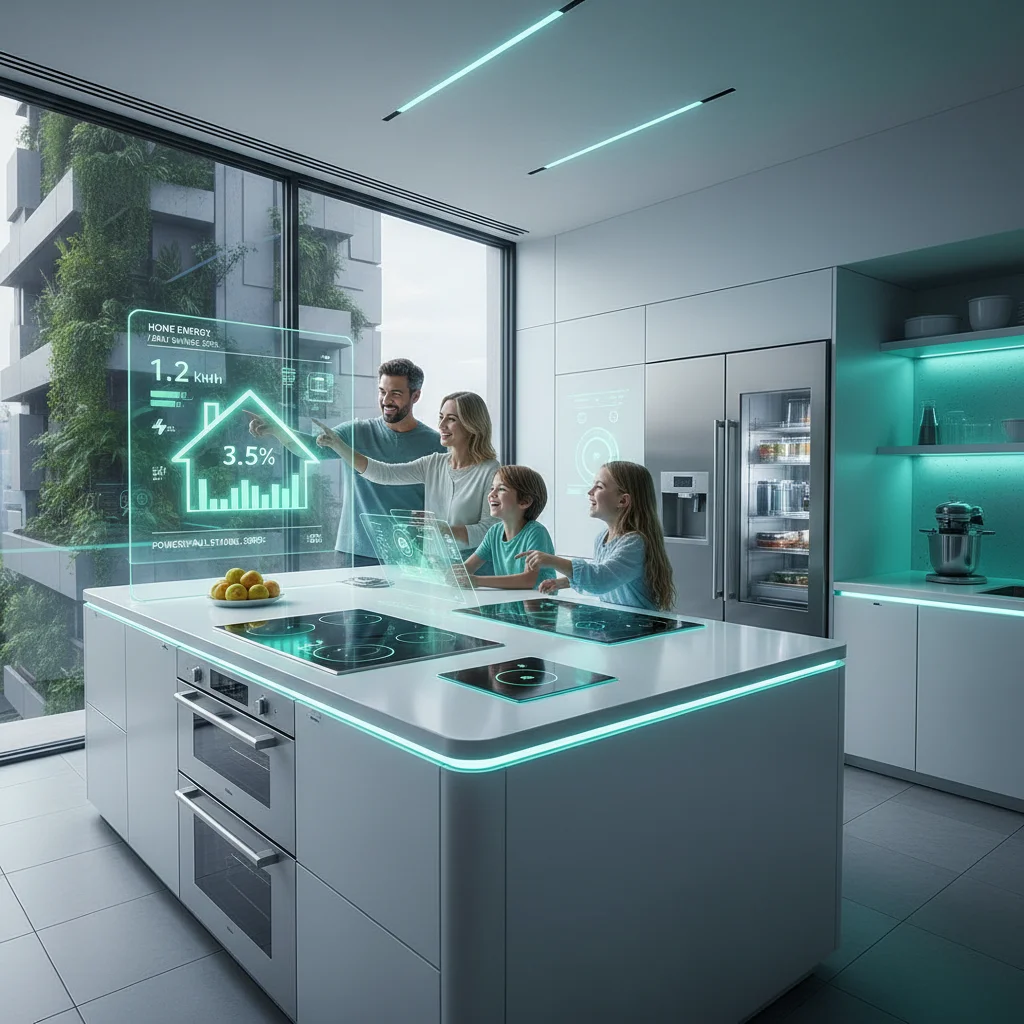
The future of home living is here, and it’s smarter, more efficient, and incredibly integrated. As we look towards 2026, the promise of smart appliance integration isn’t just about convenience; it’s about tangible savings on your annual energy bills. Imagine a world where your refrigerator talks to your thermostat, your washing machine coordinates with your solar panels, and your lighting system adjusts based on natural light and occupancy, all working in harmony to minimize energy waste. This isn’t science fiction; it’s the near future, and it holds the potential to reduce your energy expenses by a significant 10% or more each year.
In an era where energy costs are a growing concern, and environmental consciousness is paramount, the adoption of integrated smart home solutions offers a compelling answer. This comprehensive guide will delve into how smart appliance integration works, the specific technologies driving these savings, and practical steps you can take to transform your home into an energy-saving haven. We’ll explore the benefits, address common concerns, and provide a roadmap for embracing this exciting technological shift.
The Dawn of the Integrated Smart Home Ecosystem
The concept of a ‘smart home’ has evolved significantly over the past decade. Initially, it meant individual devices with remote control capabilities – smart bulbs, smart plugs, or a standalone smart thermostat. While these offered convenience, their true potential was limited by their isolation. The real revolution, and where the substantial energy savings lie, is in seamless smart appliance integration. This involves a network of devices communicating with each other, sharing data, and making autonomous decisions to optimize performance and energy consumption.
Advertisements
Consider the typical energy consumption patterns in a household. Heating and cooling often account for the largest portion, followed by water heating, lighting, and then various appliances. Each of these categories, when managed individually, presents opportunities for waste. However, when these systems are integrated, they can operate as a cohesive unit, dynamically responding to changes in environment, occupancy, and even electricity pricing. This holistic approach to energy management is the cornerstone of achieving that 10% annual saving.
What Does Smart Appliance Integration Truly Mean?
At its core, smart appliance integration refers to the ability of different smart devices and systems within your home to connect, communicate, and collaborate. This communication often happens through a central hub or a cloud-based platform, using protocols like Wi-Fi, Zigbee, Z-Wave, or Thread. For example:
- Thermostat and Window Sensors: If a window is open, the smart thermostat might pause heating or cooling to prevent energy loss.
- Lighting and Occupancy Sensors: Lights automatically turn off when a room is vacant for a certain period.
- Smart Grid and Major Appliances: Your smart dishwasher or washing machine can automatically run during off-peak electricity hours when rates are lower, or when your solar panels are generating surplus energy.
- Refrigerator and Pantry Management: A smart fridge can track inventory, suggest recipes, and even alert you if a door is left ajar, preventing energy waste.
The beauty of integrated smart home systems lies in their ability to learn your habits and preferences over time, further refining their energy-saving strategies. This continuous optimization is what drives consistent and significant reductions in your energy footprint and, consequently, your bills.
Key Technologies Driving Energy Savings Through Integration
Several technological advancements are making smart appliance integration more accessible and effective than ever before. Understanding these components is crucial for anyone looking to maximize their energy savings.
1. Advanced Sensors and AI-Powered Learning
Modern smart appliances are equipped with an array of sophisticated sensors that gather data on temperature, humidity, light levels, occupancy, and even air quality. This data is then fed into AI algorithms that learn your routines, preferences, and the unique characteristics of your home. For instance, a smart thermostat doesn’t just react to temperature; it learns how long it takes to heat or cool your home, anticipates your return, and pre-conditions the environment efficiently. This predictive capability, powered by AI, is a game-changer for energy optimization. By understanding patterns and predicting needs, these systems can avoid unnecessary energy expenditure, making smart energy management truly intelligent.
2. Interoperability Standards and Protocols
The challenge of early smart homes was a lack of universal communication standards. Devices from different manufacturers often couldn’t ‘talk’ to each other. However, initiatives like Matter and Thread are rapidly changing this landscape. These new interoperability standards ensure that a wider range of smart devices can seamlessly integrate, creating a more cohesive and powerful smart home ecosystem. As more manufacturers adopt these standards, consumers will have greater flexibility in choosing devices that work together harmoniously, simplifying the process of achieving comprehensive smart appliance integration.
3. Energy Monitoring and Analytics
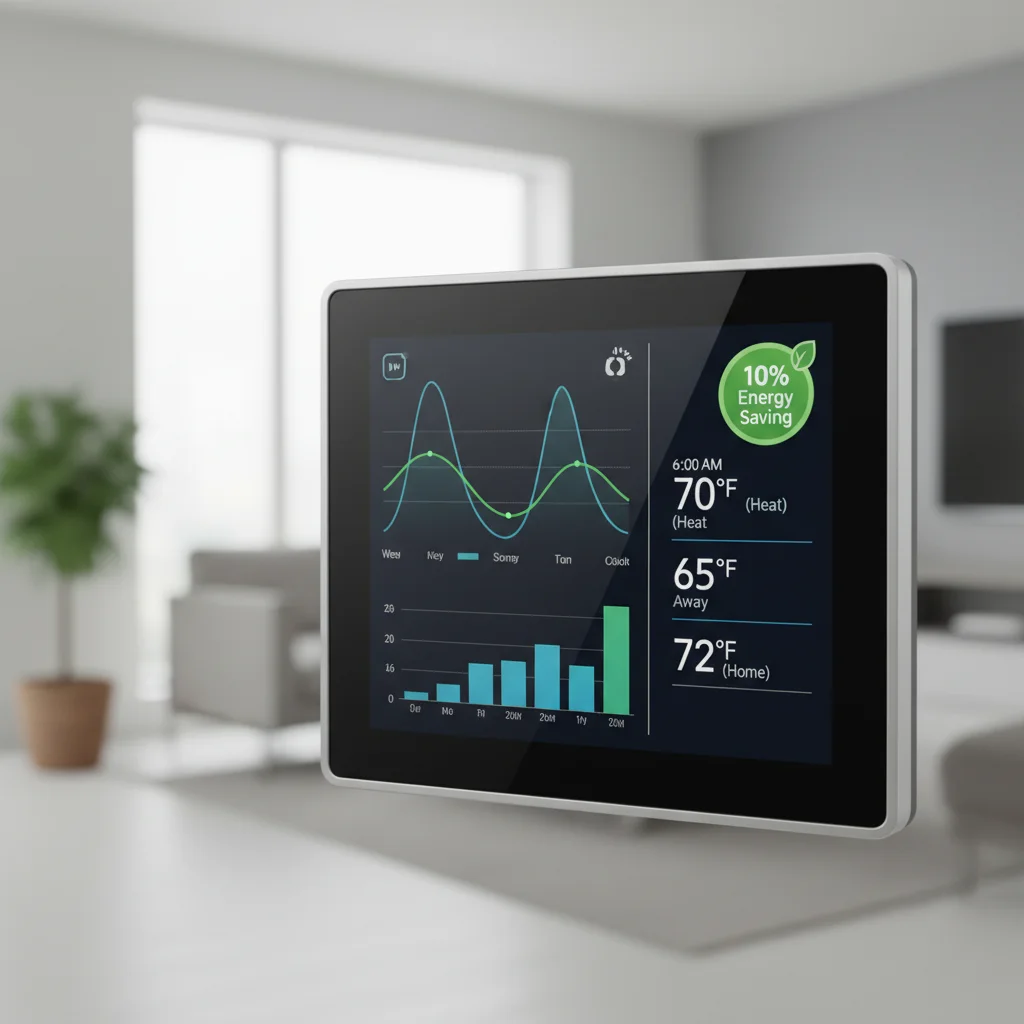
One of the most immediate benefits of smart appliance integration is the ability to monitor energy consumption in real-time. Smart hubs and dedicated energy monitors can break down your energy usage by appliance, providing invaluable insights into where your energy is going. This data, often presented through intuitive apps, empowers homeowners to identify energy vampires, understand peak usage times, and make informed decisions about their energy habits. Knowing precisely how much energy each appliance consumes is the first step towards reducing it, and real-time energy monitoring makes this possible.
4. Integration with the Smart Grid
The ultimate level of smart appliance integration extends beyond your home to the broader energy grid. Smart grid technology allows utility companies to communicate with your smart devices, enabling demand-response programs. During periods of high demand or peak pricing, your smart appliances can automatically adjust their operation (e.g., delaying a dishwasher cycle) to reduce strain on the grid and save you money. This not only benefits your wallet but also contributes to a more stable and sustainable energy infrastructure. The synergy between your smart home and the smart grid represents a powerful step towards truly optimized energy efficiency.
Achieving 10% Annual Energy Savings: Practical Strategies
So, how exactly does smart appliance integration translate into a 10% reduction in your annual energy bills? It’s a combination of optimized usage, reduced waste, and intelligent automation. Here are several practical strategies:
1. Intelligent HVAC Management
Heating and cooling are typically the largest energy hogs. An integrated smart thermostat, connected to window/door sensors and occupancy detectors, can drastically cut down on wasted energy. It learns your schedule, pre-heats/cools only when necessary, and can even use geo-fencing to adjust temperatures when you leave or approach home. If a window is left open, the system can automatically pause, preventing you from heating or cooling the outdoors. This level of precision in HVAC control is a cornerstone of significant energy savings.
2. Optimized Lighting and Power Management
Smart lighting systems, integrated with occupancy sensors and natural light sensors, ensure lights are only on when and where they are needed. They can also dim automatically based on ambient light, reducing consumption. Smart plugs, integrated into your system, can cut power to ‘vampire’ devices that draw standby power, or schedule power to devices like water heaters during off-peak hours. This granular control over lighting and power outlets eliminates many common sources of energy waste, contributing directly to your 10% target.
3. Smart Kitchen and Laundry Appliances
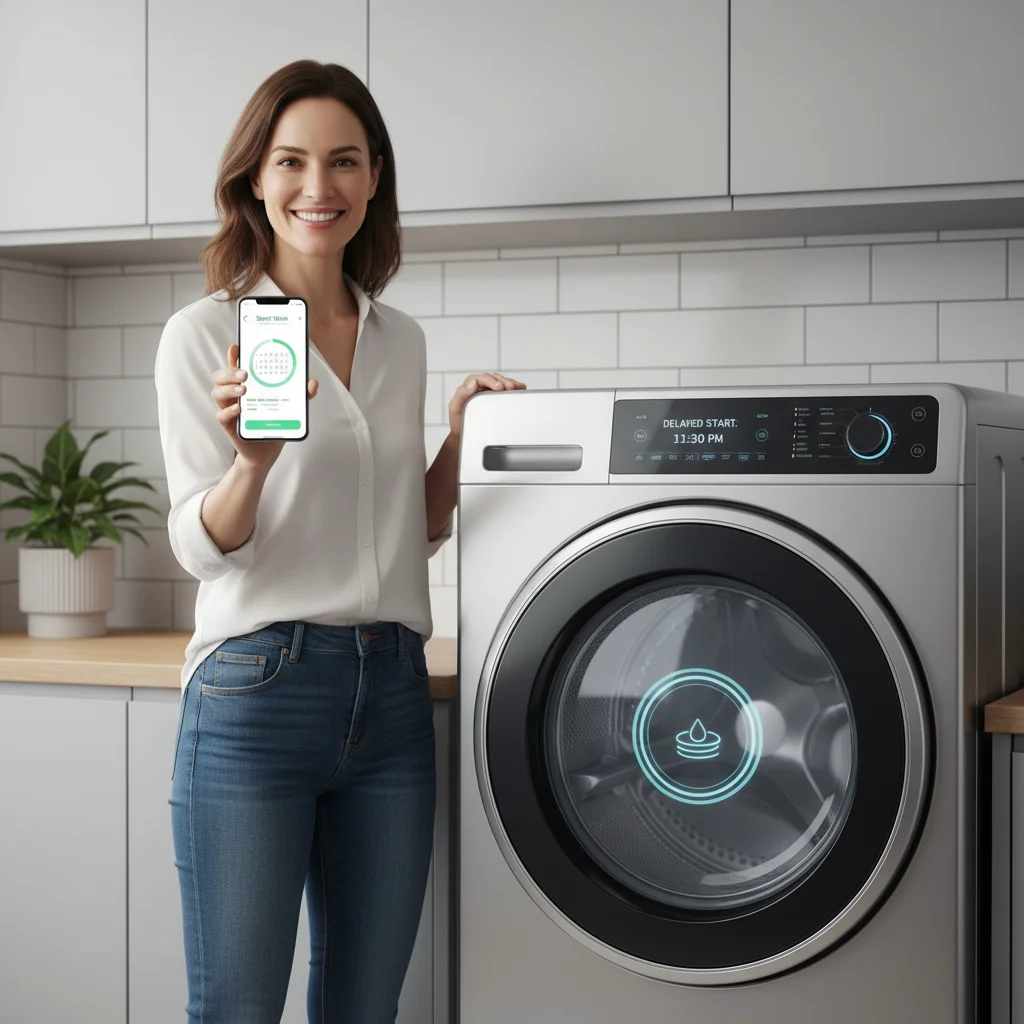
While often seen as convenience items, smart kitchen appliances (refrigerators, ovens) and laundry appliances (washers, dryers) can also contribute to energy savings through integration. A smart refrigerator can optimize defrost cycles based on usage patterns and alert you to open doors. Smart washers and dryers can integrate with your energy monitor to run cycles when electricity rates are lowest or when solar power generation is at its peak. Some can even adjust water and drying temperatures based on load size and fabric type, further enhancing resource efficiency.
4. Water Heating and Management
Smart water heaters, integrated with your overall home system, can learn your hot water usage patterns and only heat water when it’s needed, rather than constantly maintaining a high temperature. Some systems can even integrate with weather forecasts to pre-heat water more efficiently during colder periods. Reducing standby heat loss and optimizing heating schedules can lead to substantial energy savings, especially in homes where water heating accounts for a significant portion of energy use.
5. Renewable Energy Integration
For homes with solar panels or other renewable energy sources, smart appliance integration is paramount. An integrated system can prioritize running high-energy appliances (like EV chargers, washing machines, or dishwashers) during times of peak renewable energy generation. This maximizes self-consumption, reducing your reliance on grid electricity and often leading to higher financial savings, directly contributing to that 10% annual reduction or even more.
The Economic and Environmental Benefits Beyond Savings
While the prospect of saving 10% on your annual energy bills is a powerful motivator, the benefits of smart appliance integration extend far beyond your wallet. Embracing this technology also offers significant environmental and lifestyle advantages.
Reduced Carbon Footprint
By optimizing energy consumption and reducing waste, your smart home directly contributes to a lower carbon footprint. Less energy consumed means less demand on power plants, which often rely on fossil fuels. This aligns with global efforts to combat climate change and promotes a more sustainable way of living. Every kilowatt-hour saved is a step towards a greener future, making sustainable living more achievable for everyone.
Enhanced Comfort and Convenience
Beyond savings, the integrated smart home offers unparalleled comfort and convenience. Imagine waking up to a perfectly pre-heated room, with lights gently brightening, and your coffee machine brewing – all without lifting a finger. Your home anticipates your needs, creating an environment tailored to your lifestyle. This seamless experience, where technology works invisibly in the background, elevates daily living and provides a level of ease that traditional homes simply cannot match.
Increased Home Value
As smart home technology becomes more mainstream, homes equipped with advanced smart appliance integration and energy-saving features are increasingly attractive to potential buyers. A future-proofed home with lower running costs can command a higher resale value, making your initial investment a smart long-term decision. This added value makes smart home upgrades a wise financial choice, not just for immediate savings but for future returns.
Improved Safety and Security
While not directly tied to energy savings, many smart home systems integrate security features. Smart locks, cameras, and motion sensors can be part of the same ecosystem, allowing for comprehensive monitoring and control. For instance, an integrated system could detect a water leak (via a smart sensor) and automatically shut off the main water valve, preventing costly damage. This added layer of safety and peace of mind is an invaluable benefit of a fully integrated smart home.
Challenges and Considerations for 2026
While the future of smart appliance integration is bright, there are still some challenges and considerations that homeowners should be aware of as we approach 2026.
Initial Investment Costs
The upfront cost of purchasing and installing a full suite of smart appliances and a robust integration system can be significant. While the long-term energy savings will eventually offset these costs, it requires an initial financial commitment. However, prices are continually decreasing, and modular approaches allow homeowners to build their smart home ecosystem gradually, spreading the investment over time. Focusing on high-impact areas like HVAC and lighting first can provide quicker returns.
Data Privacy and Security
A connected home generates a vast amount of data about your habits and routines. Ensuring the privacy and security of this data is paramount. Homeowners should choose reputable brands with strong security protocols and understand how their data is being used. As smart home technology evolves, industry standards and consumer awareness around data protection will become even more critical.
Complexity and Setup
For some, the thought of setting up and managing a complex integrated system can be daunting. While devices are becoming more user-friendly, a truly seamless integration might still require some technical savvy or professional installation. However, as interoperability standards improve (like Matter), the plug-and-play aspect of smart devices will become more prevalent, making smart home setup simpler for the average user.
Reliability and Connectivity
A fully integrated smart home relies heavily on a stable internet connection and robust home network. Any disruptions can impact the performance of your smart devices. Investing in a reliable Wi-Fi network and potentially a dedicated smart home hub can mitigate these issues, ensuring your smart appliance integration operates smoothly and consistently.
Steps to Begin Your Smart Appliance Integration Journey
Ready to start saving 10% on your energy bills by 2026? Here’s a roadmap to help you begin your smart home transformation:
1. Assess Your Current Energy Usage
Before you invest, understand where your energy goes. Use smart plugs with energy monitoring capabilities or consult your utility provider for detailed usage reports. This will help you identify the biggest energy consumers in your home and prioritize your smart upgrades. Knowing your baseline is crucial for measuring your 10% savings target.
2. Start Small and Expand
You don’t need to overhaul your entire home at once. Begin with high-impact devices like a smart thermostat, smart lighting, or smart plugs for your most-used appliances. As you get comfortable with these, you can gradually expand your smart home ecosystem, adding more integrated devices over time. This phased approach makes the transition more manageable and affordable.
3. Choose Compatible Devices
Pay close attention to interoperability. Look for devices that support universal standards like Matter, or ensure they are compatible with your chosen smart home hub (e.g., Apple HomeKit, Google Home, Amazon Alexa, Samsung SmartThings). Compatibility is key to achieving true seamless integration.
4. Invest in a Central Hub or Platform
While some devices can operate independently, a central smart home hub or platform is essential for true smart appliance integration. This hub acts as the brain of your home, allowing all your devices to communicate and coordinate. It simplifies management and enables complex automation routines that maximize energy savings.
5. Monitor and Optimize
Once your smart devices are installed, regularly monitor your energy consumption through your smart home app. Use the analytics to identify further optimization opportunities. Tweak schedules, adjust settings, and fine-tune automation rules to continuously improve your energy efficiency. The 10% saving is a starting point; continuous optimization can lead to even greater reductions.
The Future is Integrated: Embracing Smart Appliance Integration for a Greener Tomorrow
By 2026, the integrated smart home will no longer be a niche luxury but a mainstream reality, driven by the undeniable benefits of energy efficiency and cost savings. The ability to cut your annual energy bills by 10% through smart appliance integration is a powerful incentive for homeowners to embrace this technological evolution.
From intelligent HVAC systems and optimized lighting to smart kitchen and laundry appliances, every component of an integrated smart home works in concert to reduce waste and maximize efficiency. The underlying technologies – advanced sensors, AI learning, interoperability standards, and smart grid integration – are maturing rapidly, making these systems more robust, user-friendly, and impactful.
While challenges like initial costs and data security remain, the trajectory is clear: the benefits far outweigh the hurdles. By taking a strategic, phased approach, homeowners can gradually transform their living spaces into intelligent, energy-saving havens. The integrated smart home isn’t just about convenience; it’s about making a tangible difference to your finances and the environment, paving the way for a smarter, more sustainable future. Embrace smart appliance integration today and unlock the full potential of your home’s energy savings.