The Rise of Fan-Created Content: 5 Platforms Driving Pop Culture Engagement in 2026
In the dynamic realm of digital entertainment and pop culture, the landscape is constantly shifting, driven by an increasingly empowered and creative force: the fans. No longer passive consumers, fans have evolved into active participants, shaping narratives, expanding universes, and creating entirely new forms of media. This phenomenon, known as fan-created content, is not just a niche activity; it’s a mainstream cultural engine. By 2026, several key platforms will have solidified their roles as pivotal hubs for this creative explosion, redefining how we interact with and experience our favorite franchises, celebrities, and cultural touchstones.
The journey of fan engagement has been a long one, evolving from early fan mail and zines to sophisticated digital platforms that facilitate global collaboration and unprecedented creative output. This article will delve into the transformative power of fan content platforms, exploring how they foster community, enable monetization, and ultimately, drive pop culture engagement to new heights. We will identify and examine five platforms that are set to dominate this space by 2026, analyzing their unique features, impact, and the ways they empower a new generation of creators.
Understanding these platforms is crucial for anyone interested in the future of entertainment, marketing, and community building. They represent a paradigm shift where the lines between creator and consumer blur, giving rise to a more inclusive, interactive, and vibrant cultural ecosystem. Let’s explore the platforms that are not just hosting fan creativity but actively cultivating it, turning passion into pervasive cultural influence.
Advertisements
The Evolution of Fan Engagement: From Passive Consumption to Active Creation
For decades, the relationship between creators and their audience was largely unidirectional. Content was produced by studios, artists, and authors, and consumed by fans. While fan clubs and conventions existed, the avenues for direct creative contribution were limited. The advent of the internet, however, began to dismantle these barriers, providing fans with unprecedented tools and reach.
Initially, fan engagement manifested through forums, early websites, and rudimentary sharing platforms where fans discussed theories, shared opinions, and occasionally posted fan art or short stories. These early forms of fan-created content, while significant, were often siloed and lacked the sophisticated tools for widespread distribution and monetization that exist today. The digital revolution, coupled with increasing accessibility to creation tools, democratized content production, allowing anyone with an idea and an internet connection to become a creator.
Today, the landscape is dramatically different. Fan-created content encompasses a vast array of media: intricate fan fiction that expands beloved universes, stunning fan art, elaborate cosplay, professional-grade video edits, complex game mods, original music inspired by fictional worlds, and in-depth analytical essays. This explosion of creativity is not merely a byproduct of fandom; it is an integral part of its growth and evolution. These creations often enhance the original work, introduce new fans, and keep franchises relevant for longer periods, demonstrating the symbiotic relationship between official content and fan contributions.
The transition from passive consumption to active creation is a testament to the power of community and the human desire for expression. Fans are driven by passion, a deep understanding of their chosen subject, and a desire to connect with like-minded individuals. The platforms that succeed in 2026 will be those that not only recognize this drive but actively nurture it, providing the tools, visibility, and community infrastructure necessary for fan content platforms to thrive.
1. Patreon: Empowering Creators Through Direct Fan Support
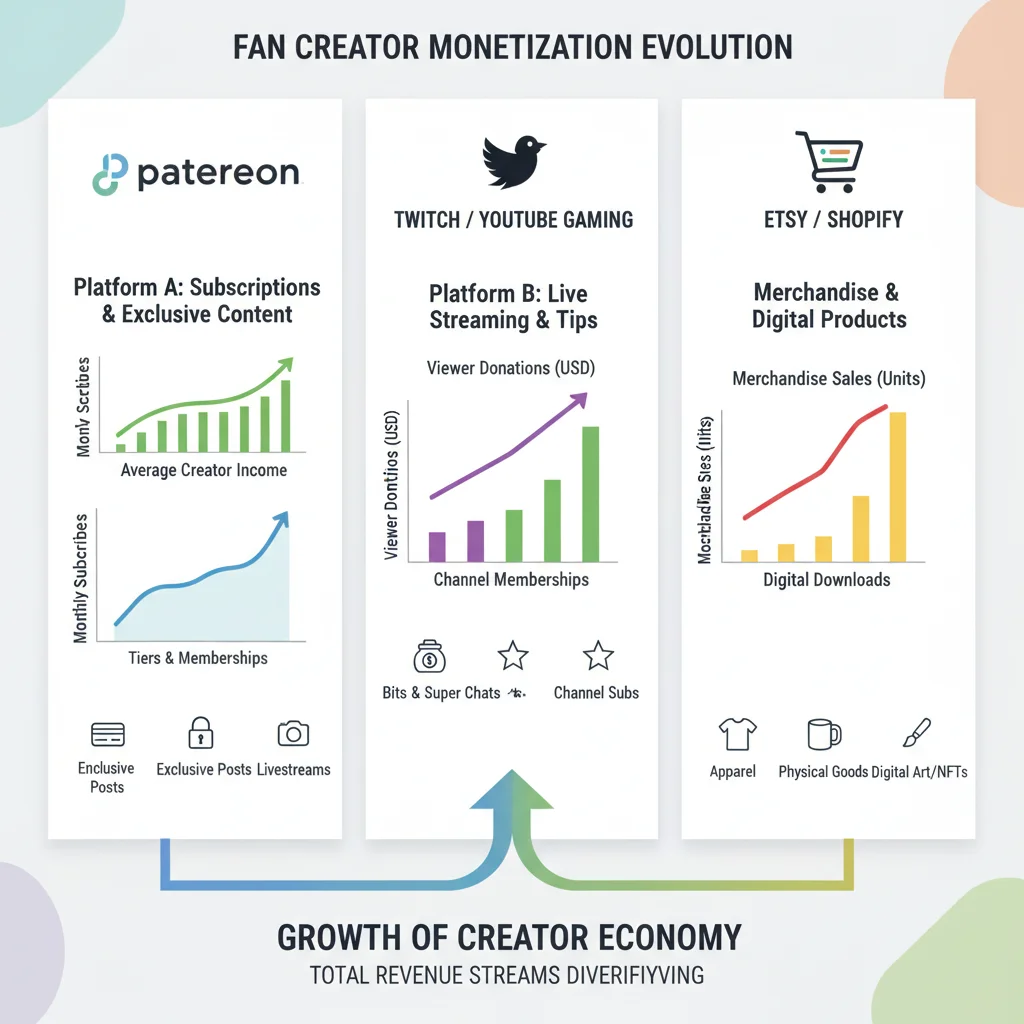
While not exclusively a fan content platform, Patreon has become an indispensable tool for countless fan creators, and its influence is only set to grow by 2026. Patreon revolutionized the way creators monetize their work by enabling direct financial support from their audience. For fan creators, this means they can produce high-quality fan art, fan fiction, podcasts, videos, and more, without relying solely on ad revenue or traditional publishing models.
The platform’s subscription-based model allows fans to become patrons, offering recurring financial contributions in exchange for exclusive content, early access, behind-the-scenes glimpses, or direct interaction with their favorite creators. This fosters a strong sense of community and loyalty, as fans feel a direct stake in the creation process. For instance, a fan fiction writer can offer early chapter releases or character polls to their patrons, while a fan artist might provide high-resolution downloads or custom commissions.
By 2026, Patreon is expected to further refine its creator tools, offering more robust analytics, enhanced community features, and potentially deeper integrations with other content platforms. Its strength lies in its simplicity and its focus on sustainable income for creators, allowing them to dedicate more time and resources to their craft. This model is particularly beneficial for fan content creators who might otherwise struggle to monetize work based on existing intellectual property, as it operates on a patronage model rather than direct sales of copyrighted material. The ability to build a dedicated community and receive consistent income makes Patreon a cornerstone for independent fan creators globally.
2. Archive of Our Own (AO3): The Unrivaled Hub for Fanfiction
For fanfiction, Archive of Our Own (AO3) is more than just a platform; it’s a cultural institution. Created by the Organization of Transformative Works (OTW), AO3 is a non-profit, fan-run, and fan-supported archive dedicated to preserving and providing access to fan works. By 2026, its position as the premier destination for fanfiction is expected to be even more solidified, continuing its growth trajectory in terms of users and content.
AO3’s success stems from its user-centric design, comprehensive tagging system, and commitment to creator rights. Its robust tagging allows readers to find exactly what they’re looking for, from specific pairings and genres to intricate plot devices and content warnings. This level of detail empowers both readers and writers, fostering a highly engaged and discerning community. The platform’s commitment to protecting fan works from commercial exploitation and censorship resonates deeply with its user base, ensuring a safe and free space for creative expression.
By 2026, AO3 will likely continue to evolve its infrastructure to handle its ever-growing volume of content, potentially introducing more advanced search functionalities, better accessibility features, and improved mobile experiences. While it doesn’t offer direct monetization, its role in cataloging and showcasing fanfiction is invaluable, often serving as a launching pad for writers to gain a following that they can then leverage on platforms like Patreon. AO3’s dedication to the integrity of fan works makes it an irreplaceable pillar of fan content platforms and a testament to the power of a community-driven initiative.

3. TikTok: Short-Form Video and Fandom Micro-Content
When thinking about fan content platforms, TikTok might not be the first platform that comes to mind for traditional long-form content, but its impact on pop culture engagement and fan-created content is undeniable and will only intensify by 2026. TikTok’s short-form video format has become a breeding ground for fandom micro-content, viral trends, and creative expression.
Fans use TikTok to create highly shareable content related to their favorite media: quick character analyses, cosplay transformations, dance challenges inspired by movie soundtracks, meme formats using iconic scenes, and original audio clips that become synonymous with a particular fandom. The platform’s algorithm excels at connecting users with content they love, rapidly disseminating fan creations to a global audience. This virality allows obscure fan theories or niche interpretations to quickly gain traction, fostering new discussions and expanding fandoms.
By 2026, TikTok is expected to further integrate features that support longer narratives and more sophisticated editing tools, while maintaining its core appeal of brevity and accessibility. Its live-streaming capabilities also offer a direct avenue for fan Q&As, real-time discussions, and collaborative projects. The platform’s influence extends beyond digital spaces, often driving real-world trends in fashion, music, and even merchandise sales, all fueled by enthusiastic fan engagement. For brands and intellectual property owners, TikTok offers an unparalleled window into the pulse of their fan base and a powerful channel for organic, user-generated marketing, making it a critical player among fan content platforms.
4. YouTube: The Enduring Powerhouse for Video Fan Content
YouTube remains an undeniable titan in the realm of fan-created content, especially for video-based productions. By 2026, its comprehensive suite of tools, vast audience, and established monetization options will ensure its continued dominance. From intricate fan animations and elaborate cosplay showcases to in-depth analysis videos, reaction content, and fan-made music videos, YouTube hosts an incredibly diverse ecosystem of fan creativity.
What sets YouTube apart is its ability to support both casual creators and those producing near-professional quality content. Its robust infrastructure handles long-form videos, live streams, and community interactions, making it suitable for a wide range of fan projects. Monetization through ads, channel memberships, Super Chats, and merchandise shelves provides creators with multiple avenues to earn income from their passion, fostering a sustainable environment for dedicated fan content creators.
By 2026, YouTube will likely continue to innovate with features like improved Shorts integration to compete with platforms like TikTok, enhanced analytics for creators, and more sophisticated tools for community engagement. The platform’s global reach means that fan content can transcend geographical boundaries, connecting diverse fandoms and fostering cross-cultural appreciation. For many, YouTube is not just a place to upload videos; it’s a platform to build a brand, cultivate a loyal following, and significantly impact pop culture discussions. Its long-standing presence and continuous evolution ensure its place as a top fan content platform.
5. Discord: The Ultimate Community Hub for Fandoms
While not a content creation platform in the traditional sense, Discord has emerged as an indispensable community hub for fan content platforms and creators alike. By 2026, its role as the de facto gathering place for fandoms, allowing for real-time interaction and collaborative projects, will be more crucial than ever. Discord servers act as virtual clubhouses where fans can discuss their favorite media, share their creations, collaborate on projects, and build deep connections.
The platform’s versatility allows for organized channels dedicated to specific topics (e.g., fan art, fan fiction, role-playing, theories, memes), voice chat for live discussions, and even integrated bots that can manage events, moderate content, and host games. For fan creators, Discord provides a direct line to their audience, allowing them to share works-in-progress, solicit feedback, and foster a loyal community that can directly support their endeavors on other platforms like Patreon or YouTube.
By 2026, Discord is expected to enhance its monetization features for server owners and creators, potentially through integrated subscription models or improved commerce tools. Its focus on private, community-driven spaces makes it ideal for nurturing niche fandoms and fostering deeper engagement than public social media feeds. The ability to create a safe, controlled environment for discussion and collaboration makes Discord an essential component of the fan content ecosystem, providing the social glue that binds creators and consumers together across all other fan content platforms.
The Broader Impact of Fan Content Platforms on Pop Culture
The rise and consolidation of these fan content platforms signify a profound shift in the dynamics of pop culture. This shift extends beyond mere entertainment; it impacts intellectual property (IP) owners, marketing strategies, and even the very definition of creativity. Here are some key areas of impact:
Democratization of Creativity
These platforms have lowered the barrier to entry for content creation, allowing anyone with a passion to become a creator. This democratization means that a wider array of voices and perspectives are contributing to pop culture, leading to more diverse and inclusive narratives. Fan creators often explore themes and representation that mainstream media might overlook, enriching the cultural dialogue.
Extended Lifespan of IPs
Fan-created content keeps franchises alive and relevant long after official content production ceases. A thriving fan community generating new stories, art, and discussions can sustain interest in an IP for decades, acting as a powerful, organic marketing force. This continued engagement is invaluable for IP owners, even if they sometimes grapple with copyright issues.
New Monetization Avenues for Creators
Platforms like Patreon and YouTube have created viable career paths for fan creators, allowing them to turn their passion into a sustainable income. This fosters a professionalization of fan content, leading to higher quality and more consistent output. The creator economy, heavily influenced by fan engagement, is a significant economic force.
Direct Feedback and Market Research
For IP owners and media companies, fan content platforms offer an unparalleled source of direct feedback and market research. The discussions, trends, and creations within these communities provide invaluable insights into what audiences truly desire, helping inform future official content decisions. Listening to and engaging with these communities can lead to more successful and well-received projects.
Community Building and Global Connections
At their core, these platforms are about community. They connect individuals from all corners of the globe who share a common passion, fostering friendships, collaborations, and a sense of belonging. This global connectivity strengthens fandoms and creates a rich tapestry of shared cultural experiences.
Challenges and the Future Landscape
Despite the immense benefits, the landscape of fan-created content is not without its challenges. Intellectual property rights remain a contentious area, with a delicate balance needing to be struck between protecting original creators and allowing transformative fan works. Platforms will continue to navigate these legal complexities, often through community guidelines and takedown policies.
Another challenge is content moderation and the prevention of harassment or toxic behavior within communities. As platforms grow, ensuring safe and inclusive spaces for all fans and creators becomes paramount. AI-driven moderation tools and dedicated community management teams will be crucial in addressing these issues.
Looking towards 2026 and beyond, we can anticipate further integration between these platforms. A fan artist on Instagram might direct their followers to their Patreon for exclusive content, their Discord for community interaction, and their YouTube channel for process videos. The ecosystem will become more interconnected, with creators leveraging multiple platforms to maximize their reach and monetization.
We may also see the emergence of more specialized fan content platforms catering to specific niches, or even the rise of decentralized, blockchain-based platforms that offer new models for ownership and compensation for fan works. The metaverse and virtual reality could also open up entirely new dimensions for fan creativity, allowing for immersive fan experiences and collaborative world-building.
Conclusion: The Enduring Power of Fan Passion
By 2026, the influence of fan-created content will be more pervasive than ever, deeply embedded in the fabric of pop culture. Platforms like Patreon, Archive of Our Own, TikTok, YouTube, and Discord are not just facilitating this movement; they are actively shaping it, providing the infrastructure, tools, and communities necessary for fan passion to flourish. These fan content platforms have transformed consumers into creators, giving them a powerful voice and a significant stake in the cultural narratives they love.
The future of entertainment is collaborative, interactive, and community-driven. As technology advances and platforms evolve, the creative potential of fans will only continue to expand, leading to innovations we can only begin to imagine. The symbiotic relationship between official content and fan creations will deepen, creating a richer, more dynamic, and infinitely more engaging pop culture landscape for everyone. Embracing and understanding these platforms is key to navigating the exciting evolution of digital culture.