Navigating 2026 Inflation: Essential Strategies for Your Personal Budget

Navigating 2026 Inflation: Essential Strategies for Your Personal Budget
The economic landscape is constantly shifting, and understanding future trends is paramount for maintaining financial stability. As we look towards 2026, many economists and financial experts are discussing the potential for continued or even accelerated inflation. This isn’t just a macroeconomic term; it has tangible, everyday implications for your personal budget. The purchasing power of your hard-earned money can diminish, making it harder to afford essentials, save for the future, or enjoy discretionary spending. Preparing for the 2026 inflation impact is not about fear-mongering, but about proactive financial planning and resilience.
Inflation, at its core, is the rate at which the general level of prices for goods and services is rising, and subsequently, the purchasing power of currency is falling. While a moderate level of inflation is often considered healthy for an economy, sustained high inflation can erode savings, increase the cost of living, and put significant strain on household budgets. Understanding what might drive inflation in 2026 – be it supply chain issues, geopolitical events, fiscal policies, or monetary adjustments – is the first step in building a robust defense for your finances.
This comprehensive guide will delve into the potential scenarios for 2026 inflation and, more importantly, provide you with four actionable steps to mitigate its effects on your personal budget. From optimizing your spending habits to making smart investment choices, we will equip you with the knowledge and strategies to navigate these economic waters successfully. Let’s explore how you can safeguard your financial future against the looming shadow of inflation.
Advertisements
Understanding the Landscape: What Could Drive 2026 Inflation?
Before we dive into solutions, it’s crucial to grasp the potential forces that could shape the 2026 inflation impact. Economic forecasts are inherently uncertain, but several factors are consistently highlighted by analysts. These include lingering effects from global supply chain disruptions, which can drive up the cost of goods due to increased production and transportation expenses. Geopolitical tensions can also play a significant role, particularly if they affect energy prices or the availability of critical raw materials, leading to widespread price increases across various sectors.
Domestically, government fiscal policies, such as significant spending packages or tax adjustments, can influence the money supply and demand, thereby impacting inflation. Central bank monetary policies, specifically interest rate decisions and quantitative easing or tightening, are also powerful tools that directly affect borrowing costs and overall economic activity. A tight labor market, where demand for workers outstrips supply, can lead to wage inflation, which businesses often pass on to consumers through higher prices.
Consumer behavior itself is another key driver. If consumers anticipate higher prices, they might accelerate purchases, further fueling demand and contributing to inflationary pressures. Conversely, if consumer confidence wanes, spending might slow down. Understanding these interconnected factors helps paint a clearer picture of the challenges ahead and underscores the importance of being prepared for the 2026 inflation impact.
The Historical Context of Inflation and Its Lessons
Looking back at historical periods of inflation can offer valuable insights. The 1970s, for instance, saw a period of stagflation – high inflation coupled with stagnant economic growth – largely driven by oil shocks and expansionary monetary policies. More recently, the post-pandemic era has presented its own set of inflationary challenges, stemming from unprecedented demand shifts, supply bottlenecks, and substantial fiscal stimulus. Each period has unique characteristics, but common threads emerge: the importance of central bank credibility, the resilience of supply chains, and the adaptability of consumers and businesses.
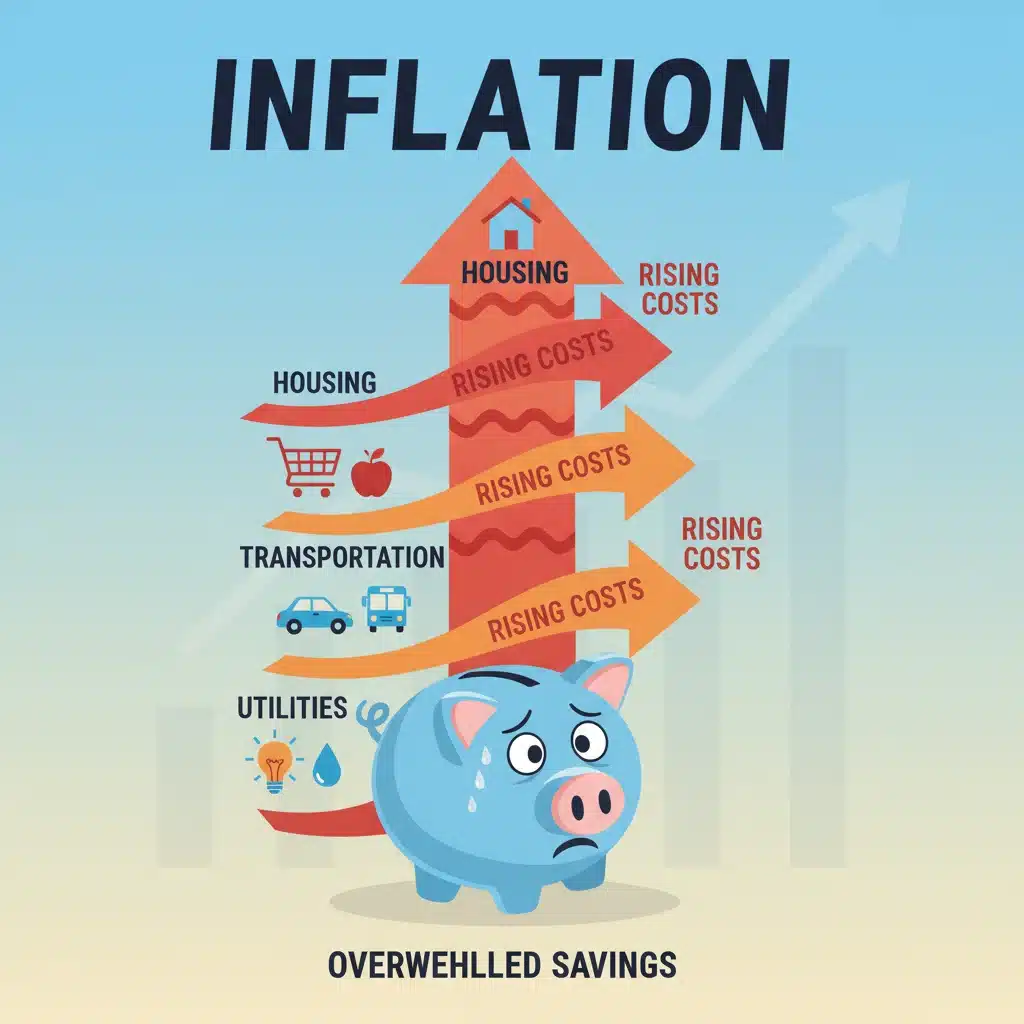
One key lesson is that inflation rarely impacts all sectors equally. Some goods and services may see sharper price increases than others. For instance, housing, energy, and food costs are often primary drivers of inflationary periods and tend to affect lower-income households disproportionately. This differential impact highlights the need for a nuanced approach when planning for the 2026 inflation impact on your personal budget. By studying past patterns, we can better anticipate where our financial vulnerabilities might lie and how to best fortify them.
Actionable Step 1: Revamp and Optimize Your Personal Budget
The foundation of any sound financial strategy, especially in times of economic uncertainty, is a well-structured and regularly reviewed personal budget. When facing potential 2026 inflation impact, merely having a budget isn’t enough; it needs to be optimized for resilience. This involves a thorough examination of your income and expenses, identifying areas where you can cut back, and reallocating funds to better serve your financial goals.
Detailed Expense Tracking and Categorization
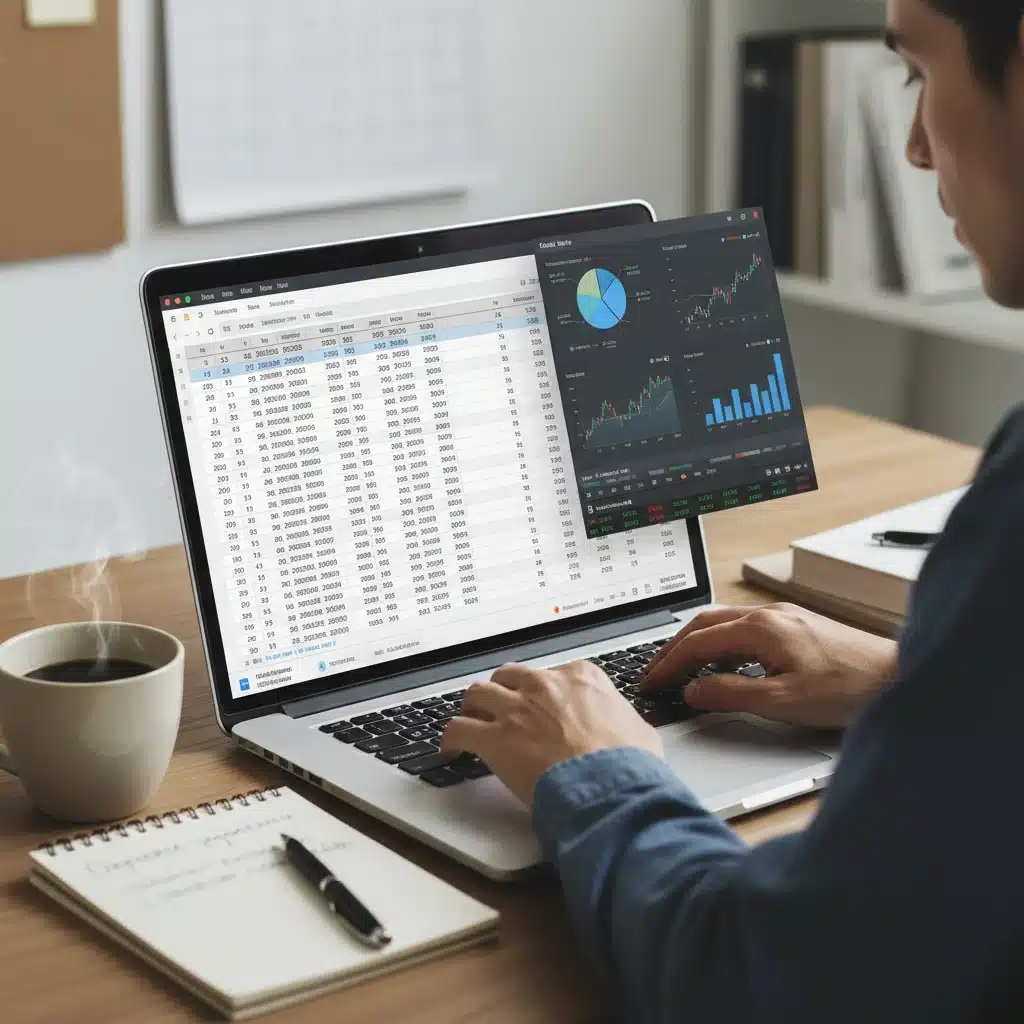
Start by meticulously tracking every dollar you spend for at least a month, if not longer. Use budgeting apps, spreadsheets, or even a simple notebook. Categorize your expenses into fixed (rent/mortgage, loan payments, insurance) and variable (groceries, dining out, entertainment, utilities). Pay particular attention to variable expenses, as these are often the easiest to adjust. Understanding exactly where your money goes is the first critical step to gaining control.
Once you have a clear picture, identify non-essential spending. This doesn’t mean eliminating all your pleasures, but rather making conscious choices. Can you reduce the frequency of dining out? Are there subscription services you no longer use? Small, consistent cuts can add up significantly over time. For essential variable costs like groceries, look for ways to optimize: meal planning, buying in bulk, utilizing coupons, and choosing generic brands can make a substantial difference. The goal is to create a lean budget that prioritizes needs over wants, without completely sacrificing quality of life.
Building an Inflation-Proof Emergency Fund
An emergency fund is always important, but it becomes critical during inflationary periods. The traditional advice is to have 3-6 months’ worth of living expenses saved. However, with rising costs due to 2026 inflation impact, you might need to adjust this figure upwards. Your emergency fund should be held in an easily accessible, high-yield savings account that offers some protection against inflation, even if it’s minimal. The primary goal is liquidity and safety, not aggressive growth.
Review your current emergency fund target. If your monthly expenses are projected to increase by 5-10% due to inflation, your emergency fund should reflect that. Actively contribute to this fund, perhaps by reallocating money saved from cutting non-essential expenses. Having a robust emergency fund provides a crucial buffer against unexpected price hikes, job loss, or other financial shocks, preventing you from going into debt during turbulent times.
Actionable Step 2: Smart Debt Management and Strategic Borrowing
Debt can become a significant burden during inflationary periods, especially if it’s variable-rate debt. Managing your liabilities effectively is a key component of preparing for the 2026 inflation impact.
Prioritizing High-Interest Debt Repayment
High-interest debts, such as credit card balances or personal loans, are particularly insidious during inflation. As the cost of living rises, your ability to pay down these debts might be compromised, leading to a vicious cycle. Prioritize paying off these debts aggressively. Consider strategies like the debt snowball (paying off the smallest balance first for psychological wins) or the debt avalanche (paying off the highest interest rate first to save money). The money saved on interest can then be redirected to other financial goals or to combat rising costs.
If you have multiple high-interest debts, explore options like debt consolidation loans with lower, fixed interest rates. This can simplify your payments and potentially reduce your overall interest burden. However, be cautious and ensure the consolidation loan truly offers better terms and doesn’t extend your repayment period unnecessarily, which could lead to paying more in the long run.
Evaluating and Optimizing Mortgages and Loans
For larger debts like mortgages, the strategy depends on whether you have a fixed-rate or variable-rate loan. If you have a variable-rate mortgage or other loans, rising interest rates (often a tool used by central banks to combat inflation) could significantly increase your monthly payments. It might be prudent to explore refinancing to a fixed-rate mortgage now, if interest rates are still favorable, to lock in your payments and gain predictability against future rate hikes driven by the 2026 inflation impact.
If you have a fixed-rate mortgage, you are largely protected from rising interest rates on that specific debt. However, you might consider making extra principal payments if your budget allows. This reduces the total interest paid over the life of the loan and builds equity faster, which can be a valuable asset in an inflationary environment. Always weigh the pros and cons of paying down debt versus investing, considering your personal risk tolerance and financial goals.
Actionable Step 3: Strategic Investing to Outpace Inflation
Leaving your money in a traditional savings account during high inflation is akin to watching it slowly lose value. To truly combat the 2026 inflation impact, you need to make your money work harder. Strategic investing is crucial for preserving and growing your purchasing power.
Diversifying Your Investment Portfolio
Diversification is always a cornerstone of smart investing, but it becomes even more critical when inflation is a concern. A well-diversified portfolio spreads risk across different asset classes, reducing the impact of any single asset class underperforming. Consider a mix of:
- Stocks: Historically, equities have provided returns that outpace inflation over the long term. Companies with strong pricing power (the ability to raise prices without losing customers) or those in essential sectors tend to perform well.
- Real Estate: Real estate can be a good hedge against inflation as property values and rental income tend to rise with inflation. However, it’s also illiquid and subject to market cycles.
- Inflation-Protected Securities (TIPS): Treasury Inflation-Protected Securities are government bonds whose principal value adjusts with inflation, as measured by the Consumer Price Index (CPI). They offer direct protection against inflation.
- Commodities: Gold, silver, and other commodities often perform well during inflationary periods as they are real assets whose prices tend to rise with general price levels. However, they can be volatile.
- Dividend Stocks: Companies that consistently pay and grow their dividends can provide a stream of income that can help offset rising living costs.
Avoid putting all your eggs in one basket. Consult with a financial advisor to tailor a diversified portfolio that aligns with your risk tolerance, time horizon, and specific financial goals, keeping the 2026 inflation impact in mind.
Considering Alternative Investments and Income Streams
Beyond traditional investments, explore alternative avenues that might offer better inflation protection or provide additional income streams. This could include:
- Small Business Investments: If you have an entrepreneurial spirit, investing in or starting a small business can be a way to control pricing and adapt to economic conditions more directly.
- Education and Skills: Investing in yourself through education or acquiring new, in-demand skills can lead to higher earning potential, which is one of the best defenses against inflation.
- Side Hustles: Developing a side hustle can provide an additional source of income, offering a valuable buffer against rising costs and potentially allowing you to save or invest more.
- Rental Properties: Owning rental properties can provide passive income that can be adjusted with inflation through rent increases, though it comes with management responsibilities.
The key is to think creatively about how you can generate more income or invest in assets that inherently grow with or are protected from inflationary pressures. This proactive approach can significantly cushion the 2026 inflation impact on your financial health.
Actionable Step 4: Protect Your Income and Enhance Earning Potential
While managing expenses and investing wisely are crucial, protecting and growing your income stream is equally vital in combating the 2026 inflation impact. Your income is your primary defense against rising costs.
Negotiating Salaries and Seeking Raises
In an inflationary environment, your salary needs to keep pace with the rising cost of living. If your wages stagnate while prices increase, your real income effectively decreases. Be prepared to negotiate your salary during performance reviews or when seeking new employment. Research industry benchmarks and come prepared with data on your contributions and market value. Highlight any new skills or responsibilities you’ve taken on.
Even if a direct raise isn’t immediately possible, explore other forms of compensation like bonuses, increased benefits, or professional development opportunities that can enhance your long-term earning potential. Proactively discussing compensation is a critical step in ensuring your income doesn’t fall behind the curve of inflation.
Upskilling and Career Development
The best long-term strategy to combat inflation is to increase your value in the labor market. Invest in yourself by acquiring new skills that are in demand. This could involve taking online courses, pursuing certifications, attending workshops, or even going back to school for an advanced degree. Focus on skills that are transferable, future-proof, and highly valued in growing industries.
A more skilled and in-demand individual commands higher wages and has greater job security. This not only provides a buffer against inflation but also opens up new career opportunities and pathways to increased wealth. Continuous learning is not just about career advancement; it’s a powerful tool for financial resilience against economic shifts like the 2026 inflation impact.
Exploring Additional Income Streams
Diversifying your income sources can provide significant financial security. Beyond your primary job, consider developing side hustles, freelancing, or starting a small business. This could be anything from consulting in your area of expertise, creating digital products, offering services like tutoring or web design, or even monetizing a hobby.
The beauty of additional income streams is that they provide extra capital that can be used to offset increased living costs, pay down debt faster, or invest more aggressively. They also offer a degree of protection if your primary income source is disrupted. Building multiple streams of income is a robust strategy for navigating any economic uncertainty, including the potential challenges of 2026 inflation impact.
Conclusion: Proactive Planning for Financial Resilience Against 2026 Inflation
The prospect of significant 2026 inflation impact can feel daunting, but it doesn’t have to be a source of overwhelming anxiety. By taking proactive steps and implementing sound financial strategies, you can not only mitigate its negative effects but also position yourself for greater financial resilience and even growth.
Recap the four actionable steps:
- Revamp and Optimize Your Personal Budget: Track expenses rigorously, cut unnecessary spending, and build an inflation-adjusted emergency fund.
- Smart Debt Management and Strategic Borrowing: Prioritize paying down high-interest debt and evaluate refinancing options for larger loans to secure favorable terms.
- Strategic Investing to Outpace Inflation: Diversify your portfolio with assets that historically perform well during inflation and explore alternative income-generating investments.
- Protect Your Income and Enhance Earning Potential: Actively negotiate salaries, invest in upskilling, and develop additional income streams to increase your financial capacity.
Financial planning is an ongoing process, not a one-time event. Regularly review your budget, investment portfolio, and income strategy to adapt to changing economic conditions. Stay informed about economic forecasts and policy changes that could influence inflation. By being diligent, adaptable, and informed, you can navigate the potential challenges of 2026 inflation with confidence and secure a more stable financial future for yourself and your family.