Advanced Robotics in U.S. Manufacturing: Achieving 20% Efficiency Gains by Mid-2026 with Latest Automation Tech
The landscape of U.S. manufacturing is undergoing a profound transformation, driven by the relentless march of technological innovation. At the forefront of this revolution is advanced robotics, a field that promises not just incremental improvements but exponential leaps in productivity, precision, and overall efficiency. The ambition is clear and compelling: to achieve a remarkable 20% efficiency gain across U.S. manufacturing sectors by mid-2026, primarily fueled by the strategic integration of cutting-edge automation technologies. This isn’t merely a lofty goal; it’s a strategic imperative for maintaining global competitiveness, fostering innovation, and creating a more resilient domestic industrial base. The journey towards this target involves a multifaceted approach, encompassing everything from sophisticated robotic arms and autonomous mobile robots (AMRs) to advanced AI-driven control systems and the pervasive adoption of the Industrial Internet of Things (IIoT). Understanding the nuances of this shift, the challenges it presents, and the immense opportunities it unlocks is crucial for businesses, policymakers, and the workforce alike. This article delves deep into how robotics manufacturing efficiency is being redefined, exploring the key technologies, strategic implementations, and the projected impact on the American industrial future.
The Current State of U.S. Manufacturing and the Need for Transformation
For decades, U.S. manufacturing has grappled with various challenges, including rising labor costs, global competition, and the need for higher quality and faster production cycles. While the sector has seen periods of resurgence, particularly in high-tech areas, the overall adoption rate of advanced automation has lagged behind some international counterparts. This has created an urgent need for a strategic overhaul, one that leverages the power of technology to overcome these hurdles. The COVID-19 pandemic further exposed vulnerabilities in global supply chains, reinforcing the argument for greater domestic production capabilities and increased resilience. This is where advanced robotics steps in, offering a pathway to not only address existing pain points but also to redefine what’s possible in terms of output, customization, and operational agility. The integration of robotics manufacturing efficiency solutions is no longer a luxury but a necessity for survival and growth in an increasingly competitive global market. Companies that embrace these changes early are positioning themselves for significant long-term advantages, while those that hesitate risk being left behind. The current economic climate, characterized by fluctuating consumer demands and a premium on rapid innovation, further amplifies the importance of these technological advancements. The U.S. manufacturing sector, with its rich history of innovation, is uniquely positioned to lead this charge, provided it embraces the transformative potential of modern automation. This includes a commitment to substantial investment in research and development, workforce training, and infrastructure upgrades, all aimed at creating a robust ecosystem for advanced manufacturing. The goal of a 20% efficiency gain isn’t just about numbers; it’s about fundamentally reshaping the capabilities and competitiveness of American industry.
Key Technologies Driving Robotics Manufacturing Efficiency
The ambition of a 20% efficiency gain is underpinned by a suite of sophisticated technologies working in concert. These innovations are not isolated but form an integrated ecosystem designed to optimize every aspect of the manufacturing process. Understanding each component is vital to appreciating the holistic impact on robotics manufacturing efficiency.
Advertisements
Advanced Robotic Arms (Industrial Robots)
Modern industrial robots are far more versatile and intelligent than their predecessors. They are equipped with advanced sensors, vision systems, and enhanced dexterity, allowing them to perform complex tasks that were once exclusively human domains. From precision welding and painting to intricate assembly and quality inspection, these robots operate with unparalleled accuracy and speed. Their ability to work tirelessly and consistently minimizes errors and maximizes throughput, directly contributing to significant efficiency gains. Furthermore, the programming of these robots has become more intuitive, reducing deployment times and allowing for quicker adaptation to new production requirements. The next generation of these robots also features improved energy efficiency, reducing operational costs and supporting sustainable manufacturing practices. The sheer breadth of applications for advanced robotic arms means they can be deployed across almost every segment of manufacturing, from automotive to electronics, food processing, and pharmaceuticals. This widespread applicability is a key factor in their potential to drive comprehensive efficiency improvements across the entire U.S. industrial base.
Collaborative Robots (Cobots)
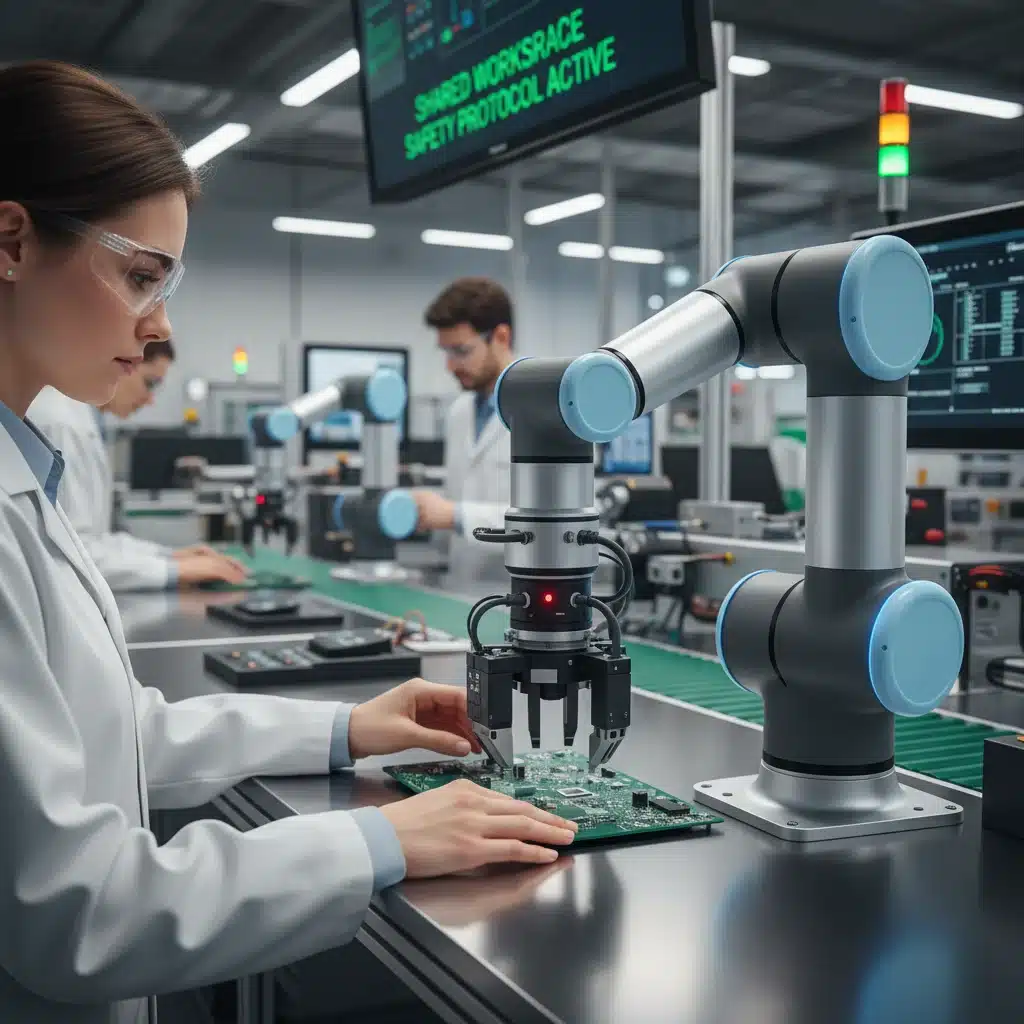
Cobots represent a paradigm shift in automation, designed to work safely alongside human operators without the need for extensive safety caging. This human-robot collaboration unlocks new levels of flexibility and efficiency. Cobots can handle repetitive or ergonomically challenging tasks, freeing human workers to focus on more complex, value-added activities that require cognitive skills, problem-solving, and adaptability. Their ease of programming and reconfigurability make them ideal for small-batch production, customized orders, and dynamic manufacturing environments. The synergy between humans and cobots leads to improved productivity, reduced worker fatigue, and enhanced overall job satisfaction. The integration of cobots also helps address skilled labor shortages by augmenting human capabilities, rather than replacing them entirely. This collaborative approach fosters a more adaptive and resilient workforce, capable of responding to evolving market demands with greater agility. The ability of cobots to learn and adapt through machine learning further enhances their utility, allowing them to optimize their performance over time and contribute even more significantly to robotics manufacturing efficiency. Their relatively smaller footprint and lower initial investment cost also make them attractive to small and medium-sized manufacturers looking to begin their automation journey.
Autonomous Mobile Robots (AMRs) and Automated Guided Vehicles (AGVs)
Logistics and material handling are critical components of manufacturing efficiency. AMRs and AGVs are transforming internal factory logistics by automating the transportation of raw materials, work-in-progress, and finished goods. AGVs follow predefined paths, while AMRs use advanced navigation and AI to operate autonomously, adapting to dynamic environments and avoiding obstacles. This automation reduces bottlenecks, improves material flow, and minimizes the risk of human error or accidents in material handling. The result is a more streamlined, predictable, and efficient production process. By ensuring that materials are always where they need to be, exactly when they are needed, AMRs and AGVs significantly reduce idle time and optimize resource utilization. This not only speeds up production but also reduces inventory holding costs and improves overall operational fluidity. The integration of these mobile robots with enterprise resource planning (ERP) systems and manufacturing execution systems (MES) allows for real-time tracking and optimization of material movement, providing unprecedented visibility and control over the entire supply chain within the factory walls. This level of automation in internal logistics is a cornerstone of achieving superior robotics manufacturing efficiency.
Artificial Intelligence (AI) and Machine Learning (ML) in Robotics
AI and ML are the brains behind advanced robotics, enabling robots to learn, adapt, and make intelligent decisions. AI-powered vision systems allow robots to identify defects with greater accuracy than the human eye, improving quality control. ML algorithms enable robots to optimize their movements, predict maintenance needs, and adapt to variations in materials or tasks, leading to continuous improvement in performance. This intelligence is crucial for complex manufacturing processes that require flexibility and responsiveness. Predictive maintenance, powered by AI, helps prevent costly downtime by scheduling repairs before failures occur, ensuring continuous operation and maximizing asset utilization. Furthermore, AI can analyze vast amounts of production data to identify patterns and recommend process improvements that might be invisible to human operators. This data-driven approach allows manufacturers to fine-tune their operations, minimize waste, and achieve higher levels of efficiency and quality. The integration of AI and ML into robotic systems elevates them from mere machines to intelligent collaborators, capable of contributing strategic insights and operational excellence to the manufacturing floor, thereby significantly boosting robotics manufacturing efficiency.
Industrial Internet of Things (IIoT) and Edge Computing
The IIoT connects all elements of the manufacturing floor – robots, machines, sensors, and control systems – creating a vast network of data. Edge computing processes this data closer to its source, enabling real-time analysis and decision-making, which is critical for rapid adjustments in production. This connectivity provides unprecedented visibility into operations, allowing for proactive problem-solving and continuous optimization. With IIoT, manufacturers can monitor equipment performance, track production metrics, and identify inefficiencies in real-time. This holistic view of the factory floor allows for immediate intervention and continuous process improvement, ensuring that production remains on schedule and within quality parameters. The ability to collect and analyze data from every piece of equipment provides a foundation for smart manufacturing, where processes are self-optimizing and highly responsive to changes. This interconnected ecosystem is fundamental to realizing the full potential of robotics manufacturing efficiency, transforming traditional factories into intelligent, adaptive production hubs. The data collected through IIoT also feeds into AI and ML systems, creating a powerful feedback loop that drives continuous improvement and innovation.
Strategic Implementation for 20% Efficiency Gains
Achieving a 20% efficiency gain by mid-2026 is an ambitious target that requires more than just acquiring new technology; it demands a strategic, holistic approach to implementation. The journey involves careful planning, phased deployment, and a strong focus on integration and workforce development. Here’s how U.S. manufacturers can strategically leverage advanced robotics to hit this critical milestone.
Phased Adoption and Scalability
Instead of a ‘big bang’ approach, manufacturers should consider phased adoption of robotic technologies. Starting with pilot projects in specific areas or for particular tasks allows companies to learn, refine processes, and demonstrate ROI before scaling up. This minimizes risk, builds internal expertise, and ensures that the technology is appropriately integrated into existing workflows. Scalability is key; systems should be chosen with future expansion in mind, allowing for incremental growth and adaptation as needs evolve. A modular approach to automation, where components can be added or reconfigured easily, ensures long-term flexibility and maximizes the return on investment. This also allows for a more manageable training curve for the workforce, ensuring smooth transitions and higher acceptance rates of new technologies. Focusing on areas with the highest potential for immediate efficiency gains can provide quick wins, building momentum and internal support for broader automation initiatives. This strategic rollout ensures that the benefits of robotics manufacturing efficiency are realized incrementally and sustainably.
Integration with Existing Systems
The true power of advanced robotics comes from its seamless integration with existing manufacturing execution systems (MES), enterprise resource planning (ERP) software, and supply chain management (SCM) platforms. This connectivity ensures a unified flow of data, enabling better decision-making, improved resource allocation, and optimized production schedules. Without proper integration, robots operate as isolated islands of automation, limiting their overall impact on efficiency. Investing in robust integration platforms and expertise is crucial for maximizing the value of robotic investments. This holistic integration creates a ‘digital thread’ across the entire manufacturing operation, providing real-time visibility and control from raw material procurement to final product delivery. Such a connected ecosystem is essential for unlocking the full potential of robotics manufacturing efficiency, allowing for dynamic adjustments and continuous optimization. The ability to share data across different systems eliminates silos and fosters a more collaborative and efficient operational environment.
Workforce Training and Reskilling
One of the most critical aspects of successful robotics integration is preparing the workforce. Automation does not necessarily mean job displacement; rather, it often means job transformation. Workers need to be retrained and upskilled to operate, program, maintain, and troubleshoot robotic systems. Investing in comprehensive training programs ensures that employees are equipped with the necessary skills to work alongside robots, fostering a collaborative environment rather than one of fear or resistance. This also creates new, higher-skilled job opportunities within the manufacturing sector. Government initiatives, educational institutions, and industry partnerships will play a vital role in developing a skilled talent pipeline capable of supporting the advanced manufacturing ecosystem. A well-trained workforce is not just an operational necessity but a strategic asset, ensuring that human ingenuity continues to complement robotic precision, thereby maximizing overall robotics manufacturing efficiency. This human-centric approach to automation ensures that the benefits are shared, leading to a more productive and engaged workforce.
Data Analytics and Continuous Improvement
The vast amounts of data generated by robotic systems and IIoT devices offer invaluable insights. Leveraging advanced data analytics tools can help identify bottlenecks, predict equipment failures, optimize energy consumption, and uncover new opportunities for process improvement. This data-driven approach enables a continuous improvement cycle, where performance is constantly monitored, analyzed, and optimized. Real-time data dashboards provide operators and managers with actionable intelligence, allowing them to make informed decisions that drive efficiency gains. By continuously analyzing performance metrics and adjusting operations based on these insights, manufacturers can ensure that they are always moving closer to the 20% efficiency target and beyond. This commitment to data-driven decision-making is a hallmark of modern, high-performing manufacturing operations and is indispensable for sustained robotics manufacturing efficiency. The ability to rapidly iterate and adapt based on empirical evidence is a significant competitive advantage in today’s fast-paced industrial landscape.
Challenges and Considerations
While the benefits of advanced robotics are clear, the path to achieving 20% efficiency gains is not without its challenges. Addressing these proactively is crucial for successful implementation.
Initial Investment Costs
The upfront capital expenditure for advanced robotic systems can be substantial. Small and medium-sized enterprises (SMEs) may find these costs prohibitive without access to financing or incentives. However, it’s important to view these as investments with significant long-term ROI through reduced operational costs, increased output, and improved quality. Governments and industry associations can play a role in facilitating access to funding and tax credits to encourage broader adoption. The long-term savings in labor, waste reduction, and increased throughput often quickly offset the initial investment, making it a financially sound decision for many manufacturers. Furthermore, as technology advances, the cost of entry for certain robotic solutions is decreasing, making them more accessible to a wider range of businesses. Manufacturers should also consider leasing options or ‘robot-as-a-service’ models to mitigate initial financial burdens, thereby making the adoption of robotics manufacturing efficiency solutions more feasible.
Cybersecurity Risks
As manufacturing systems become more interconnected through IIoT and cloud-based platforms, the risk of cyberattacks increases. Protecting proprietary data, operational integrity, and intellectual property is paramount. Robust cybersecurity protocols, secure network architectures, and continuous monitoring are essential to safeguard these advanced manufacturing environments. A single breach could have devastating consequences, disrupting production, compromising data, and eroding customer trust. Investing in cybersecurity expertise and solutions must be an integral part of any robotics integration strategy. This includes regular security audits, employee training on best practices, and staying updated on the latest threat intelligence. Ensuring the security of automated systems is as crucial as ensuring their efficiency for the long-term success of robotics manufacturing efficiency initiatives.
Ethical and Societal Implications
The widespread adoption of robotics inevitably raises questions about job displacement and the future of work. While automation creates new jobs, it also changes the nature of existing ones. Manufacturers have a responsibility to manage this transition ethically, investing in reskilling programs and supporting affected workers. Open communication and proactive planning can help mitigate negative societal impacts. Furthermore, ethical considerations around data privacy, algorithmic bias, and the use of AI in decision-making must be carefully addressed. A balanced approach that prioritizes both technological advancement and social responsibility will be key to ensuring that the benefits of robotics manufacturing efficiency are broadly shared across society. Engaging with policymakers, labor unions, and community leaders can help foster a collaborative environment for navigating these complex issues, ensuring a just transition for the workforce.
The Future Outlook: Beyond 2026
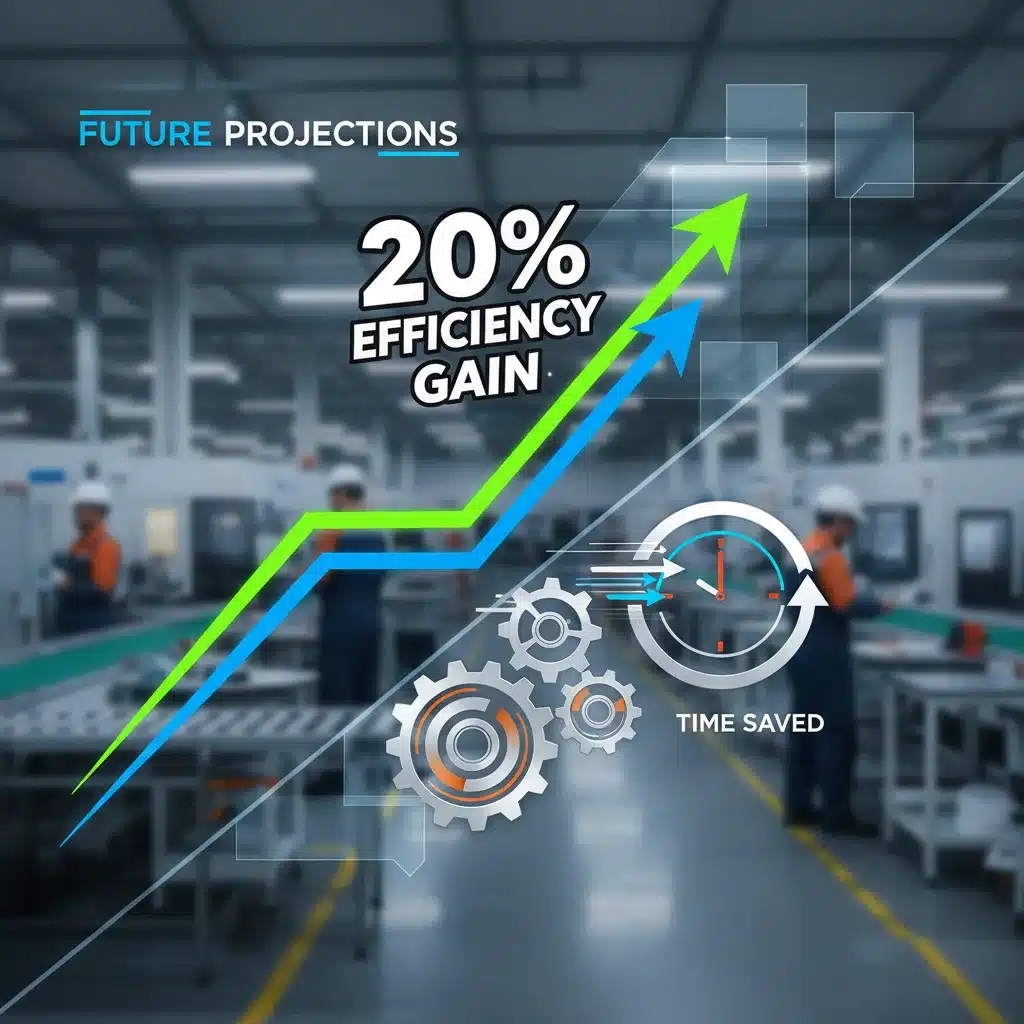
The 20% efficiency gain by mid-2026 is an ambitious yet achievable milestone. However, the journey doesn’t end there. The rapid pace of innovation in robotics and AI suggests that manufacturing will continue to evolve dramatically. We can anticipate even more sophisticated AI-driven robots capable of greater autonomy, self-learning, and human-like dexterity. The integration of augmented reality (AR) and virtual reality (VR) will further enhance human-robot collaboration, allowing for remote operation, predictive maintenance, and immersive training experiences. Furthermore, the concept of ‘lights-out’ manufacturing – where factories operate autonomously with minimal human intervention – may become more widespread in certain sectors. The focus will shift from just efficiency to agility, resilience, and hyper-customization, enabling manufacturers to respond to market demands with unprecedented speed and flexibility. The U.S. manufacturing sector is on the cusp of a golden age, where technology empowers greater innovation, productivity, and global competitiveness. The continuous pursuit of enhanced robotics manufacturing efficiency will be a defining characteristic of this new era, ensuring that American industry remains at the forefront of global technological leadership. This future will also see greater emphasis on sustainable manufacturing practices, with robots contributing to reduced waste, optimized energy consumption, and circular economy principles. The long-term vision is a manufacturing ecosystem that is not only highly efficient but also environmentally responsible and socially beneficial.
Conclusion
The goal of achieving a 20% efficiency gain in U.S. manufacturing by mid-2026 through advanced robotics is a bold yet attainable vision. By strategically adopting cutting-edge technologies like advanced robotic arms, cobots, AMRs, AI, ML, and IIoT, manufacturers can unlock unprecedented levels of productivity, precision, and agility. While challenges such as initial investment, cybersecurity, and workforce transformation need careful consideration, the long-term benefits far outweigh the hurdles. The future of U.S. manufacturing is intelligent, automated, and highly efficient, driven by the relentless pursuit of excellence in robotics manufacturing efficiency. This transformation is not just about technology; it’s about reimagining the possibilities of American industry, creating a more competitive, resilient, and innovative economic landscape for generations to come. Embracing this robotic revolution is not merely an option but a strategic imperative for any U.S. manufacturer looking to thrive in the 21st century. The concerted efforts of industry, academia, and government will be essential in navigating this exciting new frontier and securing America’s position as a global leader in advanced manufacturing.