The Hidden Cost of Loneliness: How Social Isolation Impacts U.S. Businesses

The Economic Burden of Loneliness: How Social Isolation Costs U.S. Businesses an Estimated $6.5 Billion Annually
In an increasingly interconnected world, it might seem paradoxical, but loneliness and social isolation are on the rise. This isn’t just a personal struggle; it’s a profound public health crisis with far-reaching implications, particularly for the economy. For U.S. businesses, the financial fallout from employee loneliness is staggering, estimated to cost an astounding $6.5 billion each year. This hidden tax on productivity, engagement, and retention is a critical issue that leaders can no longer afford to ignore. Understanding the intricate ways in which loneliness impacts the workplace is the first step toward building more resilient, connected, and ultimately, more profitable organizations.
Defining Loneliness and Social Isolation in the Workplace
Before delving into the financial repercussions, it’s crucial to distinguish between loneliness and social isolation, and understand how they manifest in a professional context. While often used interchangeably, they are distinct concepts. Social isolation refers to an objective lack of social contact, meaning an individual has few social connections or interactions. This can be measured by the number of people one interacts with or the frequency of those interactions. For example, a remote worker who rarely communicates with colleagues might be socially isolated.
Loneliness, on the other hand, is a subjective, distressing feeling of being alone or separated from others, a perceived lack of social connection. One can be surrounded by people and still feel lonely if those interactions lack depth or meaning. In the workplace, an employee might be physically present in a bustling office but feel profoundly lonely if they don’t feel understood, valued, or connected to their team or the company’s mission. Both conditions, however, contribute significantly to the overall problem of loneliness business impact.
The Nuances of Workplace Loneliness
- Emotional Loneliness: Stems from the absence of deep, meaningful relationships. In a work context, this might mean not having a trusted colleague to confide in or feeling like no one truly understands your professional challenges.
- Social Loneliness: Arises from a lack of a broader social network. This could manifest as not being included in informal office gatherings, feeling like an outsider in team discussions, or lacking a sense of belonging to the larger organizational community.
The modern work environment, with its increasing reliance on remote work, hybrid models, and project-based teams, can inadvertently exacerbate these feelings. While offering flexibility, these models can also reduce spontaneous social interactions, making it harder for employees to forge the organic connections that often combat loneliness. The challenge for businesses is to recognize these subtle forms of disconnection and actively work to foster environments where genuine connection can thrive, thereby mitigating the negative loneliness business impact.
Advertisements
The Multi-Faceted Economic Impact: How Loneliness Drains Billions
The $6.5 billion annual cost attributed to loneliness in U.S. businesses isn’t a single line item; it’s a complex web of reduced productivity, increased healthcare costs, higher turnover rates, and diminished innovation. Each of these factors contributes to the overall financial drain, making the issue a critical strategic concern for HR departments and C-suite executives alike.
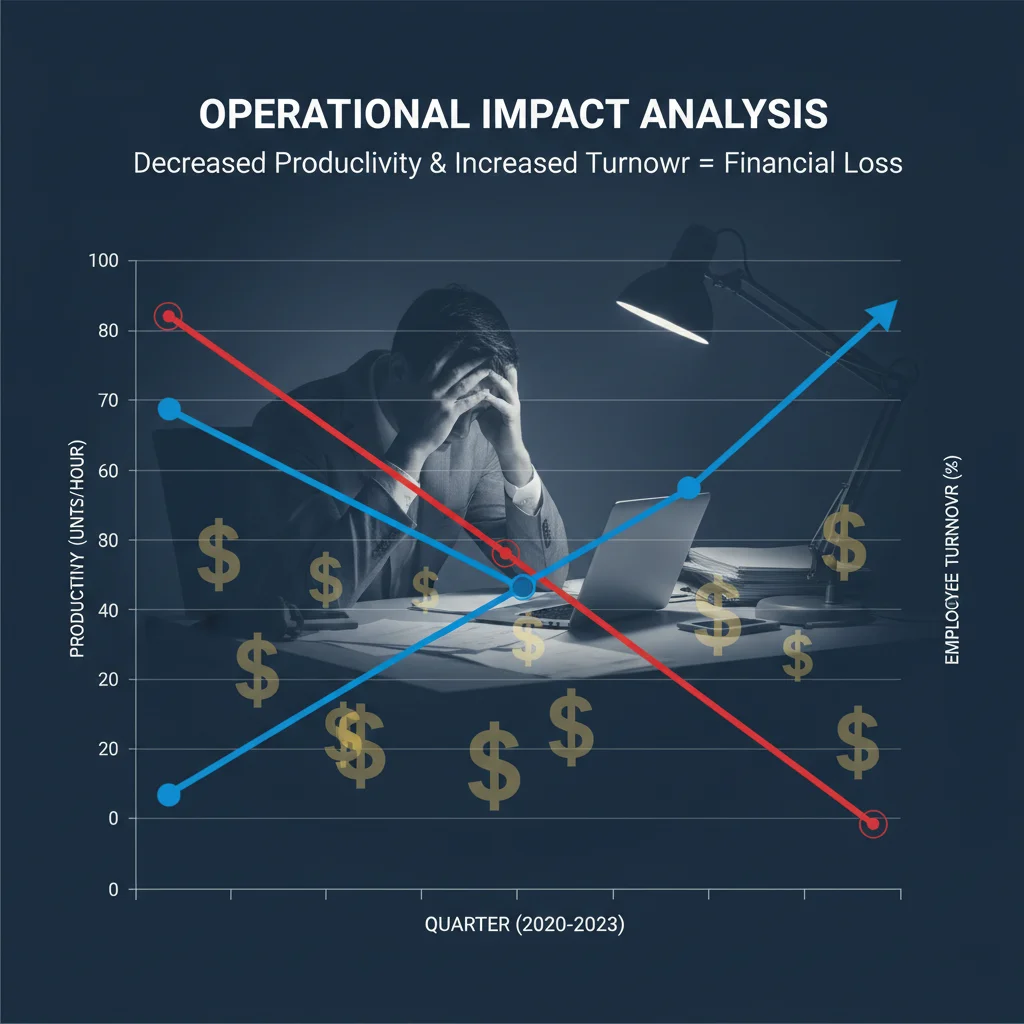
1. Decreased Productivity and Performance
Lonely employees are less engaged, less motivated, and often less productive. When individuals feel disconnected, their cognitive functions can be impaired, leading to:
- Reduced Focus and Concentration: The mental energy spent on feelings of isolation can detract from task-oriented attention, leading to errors and slower work completion.
- Lower Creativity and Innovation: Collaboration and diverse perspectives are fuel for innovation. Lonely individuals are less likely to participate in brainstorming, share novel ideas, or feel comfortable taking creative risks.
- Poorer Decision-Making: Social support often provides valuable feedback and different viewpoints, which are crucial for sound decision-making. Isolated employees may make less informed choices.
- Increased Absenteeism and Presenteeism: Loneliness is linked to poorer physical and mental health, leading to more sick days (absenteeism). Even when present, lonely employees may be less productive due to mental distress (presenteeism), costing companies significantly.
Research consistently shows that employees who feel a strong sense of belonging and connection are more likely to be highly engaged, which directly translates to higher productivity and better business outcomes. Conversely, the lack of these connections fuels the negative loneliness business impact.
2. Higher Healthcare Costs
The link between social isolation, loneliness, and poor health is well-documented. Chronic loneliness is associated with:
- Increased Risk of Mental Health Issues: Depression, anxiety, and stress are common companions of loneliness, requiring mental health support and potentially leading to lost workdays.
- Physical Health Complications: Loneliness can elevate blood pressure, impair immune function, increase inflammation, and even heighten the risk of heart disease and stroke. These conditions lead to more doctor visits, prescriptions, and complex medical treatments, all of which contribute to higher employer-sponsored healthcare costs.
- Accelerated Cognitive Decline: Studies suggest a correlation between loneliness and a higher risk of dementia and other cognitive impairments, which can have long-term implications for employee health and productivity.
As employers bear a significant portion of healthcare expenses, the health consequences of widespread employee loneliness directly translate into substantial financial burdens. Addressing this aspect of loneliness business impact requires a holistic approach to employee well-being.
3. Increased Employee Turnover
Employees who feel disconnected from their colleagues and their organization are more likely to seek opportunities elsewhere. High turnover is incredibly costly for businesses, encompassing:
- Recruitment Costs: Advertising, screening, interviewing, and background checks all incur expenses.
- Onboarding and Training Costs: Bringing a new employee up to speed requires significant investment in time and resources from managers and HR.
- Lost Productivity: There’s a dip in productivity during the transition period as the departing employee winds down and the new employee gets up to speed.
- Loss of Institutional Knowledge: Experienced employees take valuable knowledge and skills with them when they leave.
When employees feel a sense of belonging and community, they are more likely to be loyal and committed to their organization. Conversely, a pervasive feeling of isolation can be a significant driver of attrition, directly contributing to the overall loneliness business impact.
4. Diminished Employee Engagement and Morale
Engagement is a cornerstone of a thriving workplace. Lonely employees are less likely to be engaged in their work, their teams, or the company’s mission. This leads to:
- Reduced Commitment: A lack of emotional investment in their role and the company.
- Lower Job Satisfaction: Employees who feel isolated are generally less happy with their jobs.
- Negative Workplace Culture: Widespread disengagement can create a toxic atmosphere, affecting even those who are not directly experiencing loneliness.
High employee engagement correlates with higher profitability, better customer satisfaction, and lower absenteeism. When loneliness erodes engagement, businesses suffer across multiple metrics. This is a crucial element of the loneliness business impact that often goes unmeasured until it’s too late.

Identifying and Addressing Loneliness in the Workplace
Recognizing that loneliness is a significant business problem is the first step. The next is to proactively identify and implement strategies to combat it. This requires a multi-pronged approach that integrates into company culture, HR policies, and leadership training.
1. Foster a Culture of Connection and Belonging
The most effective long-term solution is to embed connection into the organizational DNA.
- Promote Psychological Safety: Create an environment where employees feel safe to express ideas, ask questions, and admit mistakes without fear of judgment or reprisal. This is foundational for genuine connection.
- Encourage Informal Interactions: Design physical and virtual spaces that facilitate casual conversations. This could include break rooms, virtual coffee chats, interest-based groups, or company-sponsored social events.
- Value Empathy and Inclusivity: Train leaders and employees to practice empathy and ensure that all voices are heard and valued. An inclusive environment naturally reduces feelings of being an outsider.
- Recognize and Celebrate Successes: Publicly acknowledging individual and team achievements can foster a sense of shared purpose and appreciation.
2. Empower Leaders and Managers
Managers are on the front lines and play a crucial role in shaping employee experiences.
- Train on Emotional Intelligence: Equip managers with skills to recognize signs of loneliness and distress in their team members.
- Encourage One-on-One Check-ins: Regular, meaningful conversations that go beyond task updates can help managers understand their employees’ well-being.
- Facilitate Team Cohesion: Managers should actively work to build strong team bonds through team-building activities, collaborative projects, and fostering a supportive atmosphere.
- Lead by Example: Leaders who openly discuss the importance of connection and model healthy work-life boundaries set a positive tone for the entire organization.
3. Leverage Technology Thoughtfully
While technology can sometimes contribute to isolation, it can also be a powerful tool for connection when used intentionally.
- Virtual Social Spaces: Create dedicated channels on communication platforms for non-work-related discussions, hobbies, or virtual water cooler chats.
- Structured Virtual Interactions: Organize virtual team lunches, coffee breaks, or even online game sessions to encourage informal interaction among remote teams.
- Digital Mentorship Programs: Connect employees across departments or seniority levels to foster new relationships and provide support.
- Hybrid Work Best Practices: For hybrid models, ensure equitable access to information and opportunities for connection for both in-office and remote employees. Avoid creating a two-tier system.
4. Offer Well-being Resources and Support
Directly addressing the mental health aspects of loneliness is essential.
- Employee Assistance Programs (EAPs): Promote and destigmatize the use of EAPs that offer counseling and support for mental health challenges, including loneliness.
- Mental Health Days: Implement policies that encourage employees to take time off for mental health without stigma.
- Wellness Programs: Offer programs that promote physical activity, mindfulness, and stress reduction, which can indirectly combat feelings of isolation.
- Peer Support Networks: Facilitate the creation of employee-led groups or networks where individuals can share experiences and support each other.
The Return on Investment: A Connected Workforce is a Profitable Workforce
Investing in strategies to combat loneliness isn’t just a matter of corporate social responsibility; it’s a sound business decision with a clear return on investment. A workforce that feels connected, valued, and supported is inherently more productive, engaged, and loyal. When employees feel a sense of belonging, they are more likely to:
- Stay with the company longer: Reducing costly turnover.
- Perform at a higher level: Boosting overall productivity and quality of work.
- Innovate and collaborate effectively: Driving growth and competitive advantage.
- Be more resilient to stress and change: Creating a stable and adaptable workforce.
- Contribute to a positive company culture: Attracting top talent and enhancing brand reputation.
The $6.5 billion lost annually due to the loneliness business impact represents potential profits, innovation, and human capital that U.S. businesses are leaving on the table. By proactively addressing social isolation and fostering genuine connection, organizations can transform this liability into a significant asset, creating workplaces where employees thrive and businesses flourish.
Conclusion: Building a Future of Connected Workplaces
The economic burden of loneliness is a stark reminder that human connection is not merely a soft skill or a peripheral concern; it is fundamental to individual well-being and organizational success. The estimated $6.5 billion annual cost to U.S. businesses is a wake-up call, urging leaders to recognize and actively combat the pervasive issue of workplace loneliness. By investing in cultures of connection, empowering empathetic leadership, thoughtfully leveraging technology, and providing robust well-being support, businesses can mitigate the negative loneliness business impact.
The future of work demands more than just efficiency and profit; it requires environments where employees feel seen, heard, and valued. Building such workplaces is not only the right thing to do for employees but also a strategic imperative for any organization aiming for sustained success and resilience in the modern economy. The time to act is now, transforming isolated individuals into a collective, thriving force that drives innovation, productivity, and shared prosperity.