Building an Emergency Fund: How to Save 6 Months of Expenses by December 2026
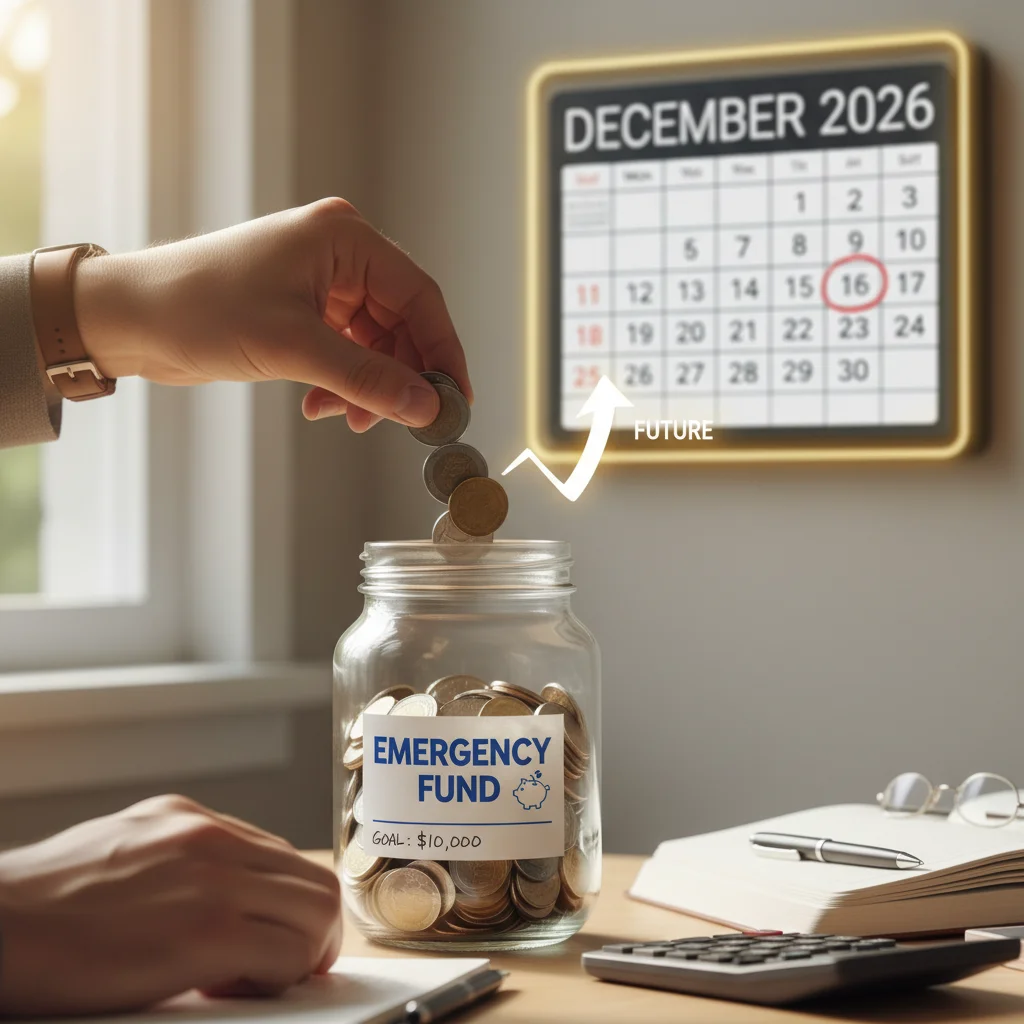
Building an Emergency Fund: How to Save 6 Months of Expenses by December 2026
In an unpredictable world, financial security is not a luxury; it’s a necessity. One of the cornerstones of a stable financial life is a robust emergency fund. This isn’t just about having some extra cash; it’s about creating a safety net that can protect you from life’s inevitable curveballs – unexpected job loss, medical emergencies, car repairs, or even a sudden home repair. Our goal today is ambitious yet entirely achievable: to build an emergency fund capable of covering six months of your essential living expenses by December 2026. This comprehensive guide will break down the process into manageable steps, provide actionable strategies, and equip you with the knowledge to make this critical financial goal a reality.
Why an Emergency Fund is Non-Negotiable
Before we delve into the ‘how,’ let’s reinforce the ‘why.’ An emergency fund acts as a buffer between you and financial disaster. Without one, an unexpected expense can easily lead to accumulating high-interest debt, jeopardizing your financial future, and causing immense stress. Imagine losing your job. With six months of expenses saved, you have a significant runway to find new employment without panicking, selling assets, or taking on burdensome loans. It provides peace of mind, reduces financial anxiety, and empowers you to make rational decisions during challenging times.
Historically, financial experts have recommended three to six months of living expenses. However, in today’s dynamic economic landscape, many now suggest aiming for six to twelve months. For the purpose of this guide, we’re targeting a solid six months, providing a substantial cushion that is both realistic to achieve and highly effective.
Step 1: Calculate Your Target Emergency Fund Amount
The first and most crucial step in building your emergency fund is to know exactly how much you need. This isn’t a guesstimate; it requires a detailed understanding of your monthly expenses. Grab a pen and paper, or open a spreadsheet, and let’s get down to brass tacks.
Advertisements
List Your Essential Monthly Expenses
This is not about your entire budget, but specifically your ‘essential’ expenses – those costs you absolutely cannot avoid. These typically include:
- Housing: Rent or mortgage payments, property taxes, home insurance.
- Utilities: Electricity, gas, water, internet (often essential for work/communication).
- Food: Groceries (not dining out or gourmet items).
- Transportation: Car payments, insurance, gas, public transport fares (if essential for work/life).
- Healthcare: Insurance premiums, essential prescriptions.
- Minimum Debt Payments: Student loan minimums, credit card minimums (though ideally, you’d pause extra payments during an emergency).
- Childcare: If applicable and essential.
Exclude discretionary spending like entertainment, dining out, subscriptions you can cancel, vacations, and non-essential shopping. The goal is to identify the absolute minimum you need to survive comfortably for a period.
Example Calculation:
Let’s say your essential monthly expenses break down as follows:
- Rent: $1,500
- Utilities: $200
- Groceries: $400
- Transportation: $250
- Health Insurance: $150
- Minimum Debt Payments: $300
- Total Essential Monthly Expenses: $2,800
To calculate your target emergency fund, multiply this total by six:
$2,800 (monthly expenses) × 6 (months) = $16,800 (Target Emergency Fund)
This is your target. Keep this number front and center as you move through the next steps.
Step 2: Set a Realistic Timeline and Monthly Savings Goal
We’ve established our end date: December 2026. Now, let’s figure out how much you need to save each month to hit your target. From the time of writing this, assuming it’s early 2024, you have approximately 34-36 months until December 2026. Let’s use 34 months for a slightly more aggressive, but still achievable, target.
Calculate Your Monthly Savings Target:
Using our example target of $16,800 and 34 months:
$16,800 (Target Fund) ÷ 34 (months) = $494.12 per month
This is the amount you need to consistently save each month. If this number seems daunting, don’t despair! We’ll explore strategies to find this money in your budget.
Step 3: Optimize Your Budget to Find Extra Savings
This is where the rubber meets the road. Finding nearly $500 extra each month (or whatever your personal target is) requires a deep dive into your current spending habits. This isn’t about deprivation, but about intentionality and reallocating resources towards your critical goal.
Review and Trim Discretionary Spending
Go back to your full budget (not just essential expenses) and identify areas where you can cut back. Be honest with yourself. This might include:
- Dining Out: How often do you eat out or order takeout? Even cutting back by one meal a week can save significant money.
- Subscriptions: Review all your streaming services, gym memberships, apps, and other recurring subscriptions. Are you using them all? Can you downgrade or cancel some?
- Entertainment: Look for free or low-cost activities instead of expensive outings.
- Shopping: Implement a ‘needs vs. wants’ filter before every purchase. Can you delay or avoid buying non-essential items?
- Coffee/Snacks: The daily latte or afternoon snack can add up significantly over a month.
Track your spending meticulously for a month or two to truly understand where your money is going. There are many apps and tools that can help with this.
Consider the 50/30/20 Rule:
A popular budgeting guideline is the 50/30/20 rule:
- 50% of income for Needs (your essential expenses).
- 30% of income for Wants (discretionary spending).
- 20% of income for Savings & Debt Repayment (including your emergency fund).
If your current savings rate is less than 20%, you’ll need to adjust your ‘Wants’ category to free up more money for your emergency fund. You might even need to temporarily adjust your ‘Needs’ if your income is tight.
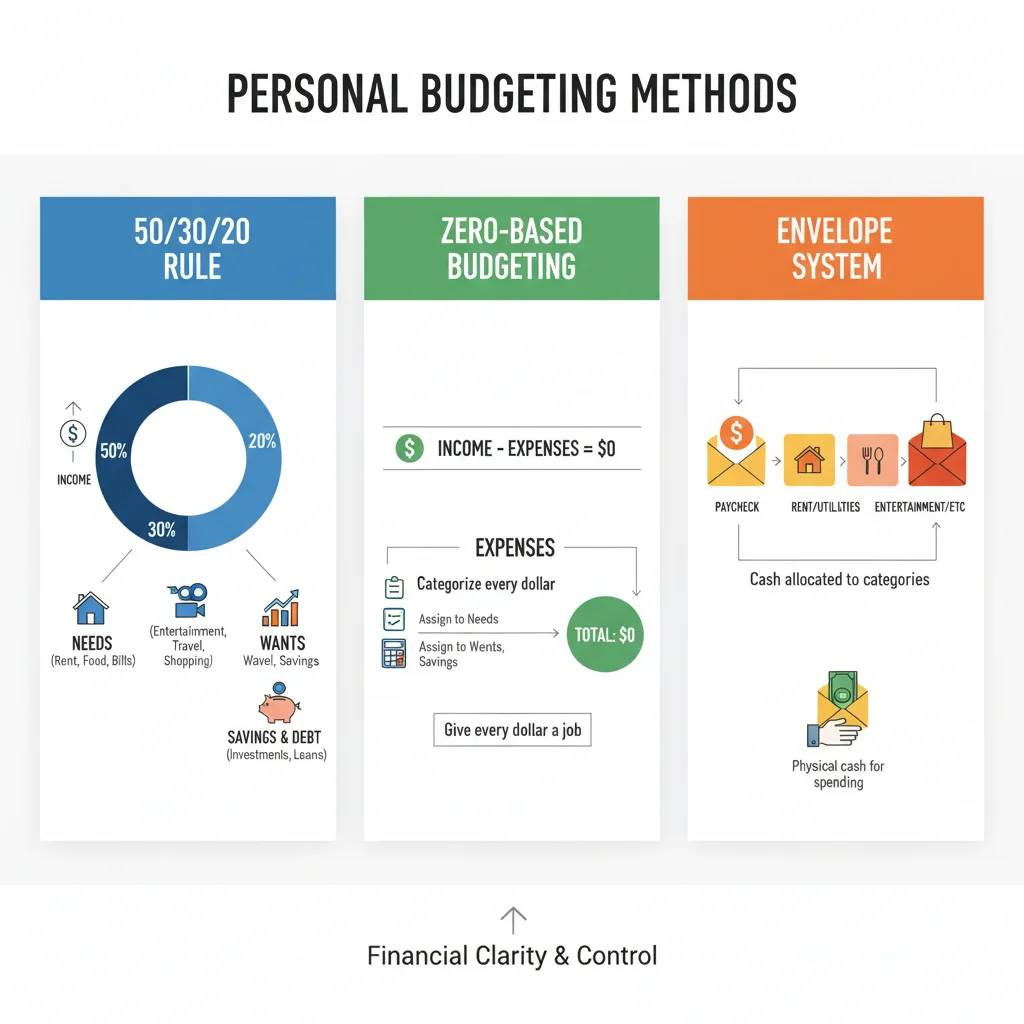
Zero-Based Budgeting:
Another powerful method is zero-based budgeting, where every dollar of your income is assigned a job (spending, saving, or debt repayment). This ensures no money is left unaccounted for and helps you be very intentional with your funds.
Step 4: Boost Your Income (If Possible)
While cutting expenses is crucial, increasing your income can significantly accelerate your emergency fund growth. Consider these options:
Side Hustles:
Explore opportunities to earn extra money outside of your primary job. This could include:
- Freelancing in your area of expertise (writing, graphic design, web development).
- Gig economy jobs (delivery services, ride-sharing, pet sitting).
- Selling unused items online (clothes, electronics, furniture).
- Tutoring or teaching a skill.
- Creating and selling crafts or digital products.
Even an extra $100-$200 per week from a side hustle can make a massive difference in hitting your monthly savings target.
Negotiate a Raise or Seek a Promotion:
If you’ve been excelling at your current job, consider discussing a raise or exploring opportunities for promotion. This is a long-term strategy, but even a small increase in your base salary can free up more funds for savings.
Sell Unused Assets:
Do you have items around your house that you no longer use but still hold value? Old electronics, jewelry, designer clothes, or even a second car can be sold to give your emergency fund a significant boost.
Step 5: Automate Your Savings
One of the most effective strategies for building any savings goal, especially an emergency fund, is to automate it. ‘Out of sight, out of mind’ works wonders here. Set up an automatic transfer from your checking account to a dedicated savings account each payday.
Choose the Right Account:
Your emergency fund should be:
- Separate: Do not keep it in your primary checking account where it’s easy to accidentally spend.
- Accessible: It needs to be liquid, meaning you can access it quickly if an emergency arises. Avoid investments with penalties for early withdrawal.
- High-Yield: Look for a high-yield savings account (HYSA). While not a significant investment vehicle, an HYSA will earn you more interest than a traditional savings account, helping your money grow passively.
- FDIC Insured: Ensure your bank is FDIC insured (or NCUA insured for credit unions) to protect your funds up to $250,000.
Set up an automatic transfer for your calculated monthly savings amount (e.g., $494.12) to this dedicated high-yield savings account immediately after you get paid. Treat it like a bill you absolutely must pay.
Step 6: Track Your Progress and Stay Motivated
Building an emergency fund is a marathon, not a sprint. It requires discipline and consistent effort. Tracking your progress is essential for staying motivated and making adjustments as needed.
Visual Tracking:
Create a visual tracker – a spreadsheet, a chart on your fridge, or a dedicated app. Seeing your progress visually can be incredibly motivating. Color in a bar for every $1,000 saved, or mark off each month you hit your target.

Regular Reviews:
Schedule monthly or quarterly financial reviews. Check your budget, assess your spending, and see if you’re on track to meet your December 2026 goal. If you’re falling behind, identify why and make necessary adjustments – perhaps you need to cut more expenses or find a new income stream.
Celebrate Milestones:
When you hit certain milestones (e.g., your first $1,000, one month of expenses saved, halfway to your goal), celebrate! These don’t have to be expensive celebrations; a nice meal at home, a walk in the park, or a small treat can acknowledge your hard work and keep your spirits high.
Step 7: What to Do When You Hit Your Goal (and Beyond)
Congratulations! By December 2026, you’ve successfully built a six-month emergency fund. This is a monumental achievement and a testament to your financial discipline. But the journey doesn’t end there.
Maintain Your Fund:
Life happens, and you might need to tap into your emergency fund. If you do, make it a priority to replenish it as quickly as possible. Treat it like a sacred account that must always be full.
Consider Expanding It:
Once you’ve reached six months, you might consider expanding your fund to nine or even twelve months of expenses, especially if you have a less stable income, dependents, or live in an area with a high cost of living. More is always better when it comes to financial security.
Shift Your Savings Focus:
With your emergency fund complete, you can now redirect those monthly savings contributions towards other financial goals, such as:
- Retirement Accounts: Maxing out your 401(k), IRA, or Roth IRA.
- Down Payment: Saving for a house or other large purchase.
- Debt Repayment: Aggressively paying down high-interest debt beyond the minimums.
- Investments: Starting a brokerage account for long-term wealth building.
Common Pitfalls to Avoid
As you embark on this journey, be aware of common obstacles that can derail your progress:
"Lifestyle Creep":
As your income increases, resist the urge to immediately upgrade your lifestyle. Instead, ‘pay yourself first’ by increasing your savings contributions. Keep your essential expenses lean.
Using the Fund for Non-Emergencies:
The emergency fund is not for a new TV, a vacation, or a fancy dinner. It’s strictly for true emergencies. Be disciplined about its purpose.
Not Tracking Expenses:
Without a clear picture of where your money is going, it’s impossible to make informed decisions about where to cut back or how much you can save.
Giving Up Too Soon:
There will be months where it feels challenging. Don’t get discouraged by setbacks. Re-evaluate, adjust, and keep pushing forward.
Advanced Strategies for Faster Growth
If you’re looking to accelerate your emergency fund growth beyond the basic steps, consider these advanced tactics:
Temporary Extreme Budgeting ("Snowball" Method for Savings):
For a short, intense period (e.g., 3-6 months), drastically cut all non-essential spending. Live as frugally as possible, putting every spare dollar towards your emergency fund. This can give you a significant head start and build momentum.
Tax Refunds and Bonuses:
Treat any unexpected windfalls – tax refunds, work bonuses, inheritances, or gifts – as direct contributions to your emergency fund. Resist the temptation to spend them.
Refinance High-Interest Debt:
If you have high-interest debt (like credit card debt), paying it off can free up significant cash flow that can then be redirected to your emergency fund. While paying off debt is a priority, having a starter emergency fund (e.g., $1,000) is crucial before tackling large debts.
Review Insurance Policies:
Ensure you have adequate insurance coverage (health, auto, home, disability) to prevent smaller emergencies from becoming major financial crises that deplete your emergency fund. Sometimes, increasing a deductible for a lower premium can free up monthly cash, but ensure you can cover the higher deductible if needed.
The Psychological Benefits of an Emergency Fund
Beyond the purely financial advantages, building an emergency fund offers profound psychological benefits:
Reduced Stress and Anxiety:
Knowing you have a safety net significantly lowers financial stress. You’ll sleep better at night, knowing you’re prepared for the unexpected.
Increased Confidence:
Achieving a major financial goal like a six-month emergency fund boosts your confidence in your ability to manage your money and achieve future goals.
Greater Freedom:
An emergency fund provides freedom from financial worry. It allows you to make career decisions based on opportunity rather than desperation, knowing you have a buffer if you need to take time to find the right fit.
Improved Decision-Making:
When faced with an emergency, you can make clear-headed decisions rather than impulsive ones driven by fear or immediate financial pressure.
Conclusion: Your Path to Financial Resilience by December 2026
Building an emergency fund of six months’ expenses by December 2026 is an ambitious but entirely attainable goal. It requires commitment, discipline, and a clear understanding of your financial landscape. By meticulously calculating your target, optimizing your budget, exploring income-boosting opportunities, and automating your savings, you are laying a robust foundation for your financial future.
Remember, this isn’t just about accumulating money; it’s about building resilience, gaining peace of mind, and empowering yourself to navigate life’s uncertainties with confidence. Start today, stay consistent, track your progress, and by the end of 2026, you will have achieved a significant milestone that will serve you well for years to come. Your future self will thank you.