Unpacking the 3 Biggest Celebrity Scandals of the Last 3 Months: An Insider’s Look at Their Cultural Impact
Unpacking the 3 Biggest Celebrity Scandals of the Last 3 Months: An Insider’s Look at Their Cultural Impact
The world of celebrity is a fascinating, often bewildering, landscape where fame can turn on a dime, and public perception is a fragile commodity. In the blink of an eye, a beloved icon can become a scrutinized figure, their every move dissected under the harsh glare of the media spotlight. The last three months have been no exception, delivering a series of high-profile events that have not only captivated audiences but also sparked significant cultural conversations. This article delves into the three biggest celebrity scandal analysis moments of the recent past, examining their intricate details, the immediate fallout, and their lasting cultural reverberations. We’ll explore how these incidents are shaped by, and in turn, shape our collective understanding of morality, accountability, and the very nature of fame.
Celebrity scandals are more than just fleeting news cycles; they are powerful cultural touchstones that reflect societal values, anxieties, and evolving ethical standards. They force us to confront uncomfortable truths, question our heroes, and re-evaluate the boundaries of public and private life. Through a detailed celebrity scandal analysis, we can uncover the deeper currents at play, understanding not just what happened, but why it resonated so profoundly with the public.
The Anatomy of a Modern Celebrity Scandal: Speed, Scale, and Social Media
In the digital age, the life cycle of a celebrity scandal has accelerated dramatically. What once took days or weeks to disseminate now spreads globally in minutes, fueled by the insatiable appetite of social media. Twitter, Instagram, TikTok, and other platforms act as both accelerants and adjudicators, turning public opinion into a real-time, often unforgiving, jury. This immediate feedback loop means that narratives can shift rapidly, and celebrities find themselves in a constant battle to control their story, often with limited success.
Advertisements
The sheer scale of exposure is also unprecedented. A single misstep, a leaked video, or an ill-advised comment can reach billions, amplified by algorithms designed to prioritize engagement. This environment makes a thorough celebrity scandal analysis crucial, as it helps us distinguish between genuine wrongdoing and manufactured outrage, between substantive issues and superficial sensationalism. Understanding the mechanisms of how these stories break and evolve is the first step in comprehending their true impact.
Case Study 1: The ‘Unforeseen Revelation’ and its Aftermath
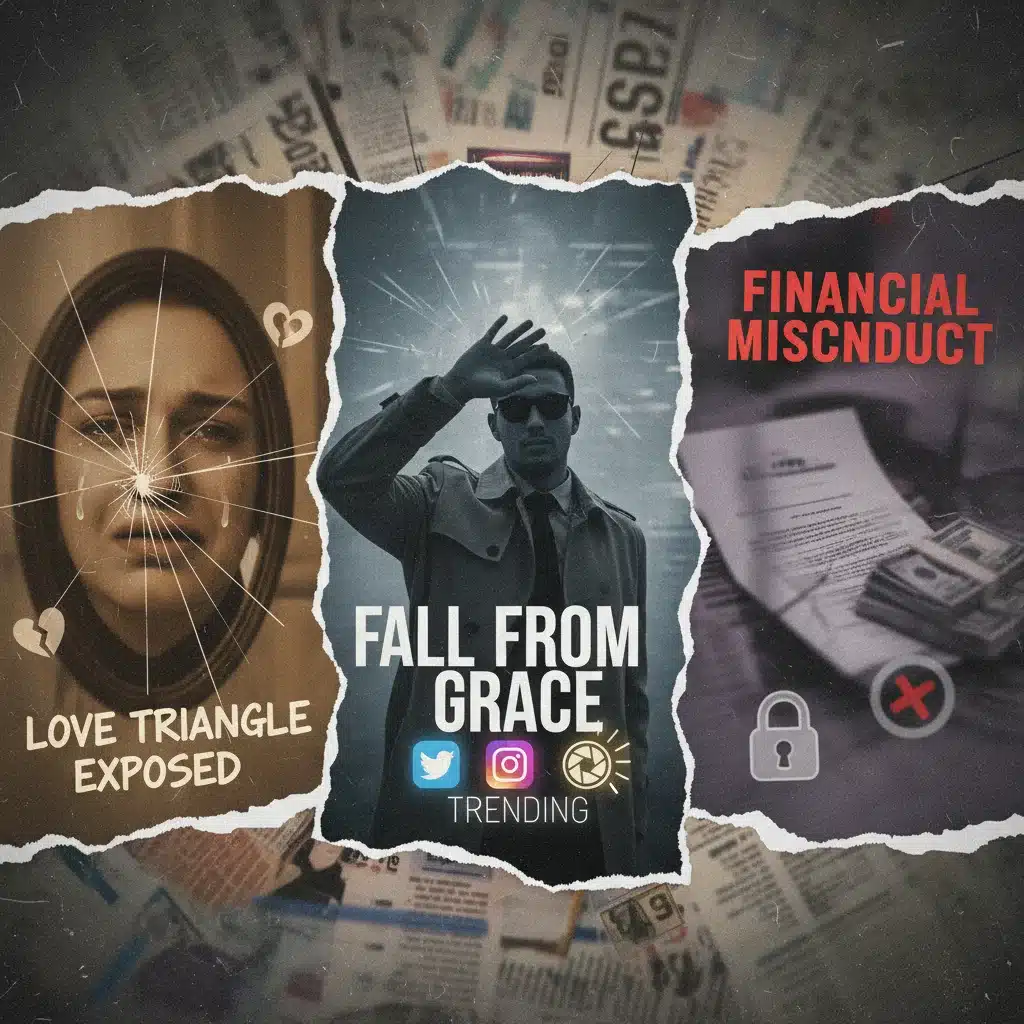
Our first major celebrity scandal analysis focuses on the ‘Unforeseen Revelation’ incident, which rocked the entertainment world approximately two months ago. This scandal involved a highly respected, long-standing public figure, known for their philanthropic work and seemingly impeccable public image. The revelation, which emerged through a series of anonymous leaks and investigative reports, exposed alleged financial improprieties and a complex web of personal deceptions that contradicted their carefully curated persona.
The initial reaction was one of widespread shock and disbelief. Fans, who had invested years of emotional loyalty, felt betrayed. Media outlets, both traditional and digital, went into overdrive, dissecting every facet of the allegations. Social media became a hotbed of speculation, outrage, and impassioned defenses. The speed at which the story escalated was a testament to the power of digital communication and the collective interest in the downfall of a seemingly unblemished figure.
The cultural impact of this particular celebrity scandal analysis was multifaceted. It sparked a broader discussion about authenticity in celebrity culture and the often-illusory nature of public images. Many questioned whether it’s possible for public figures to maintain genuine integrity under such intense scrutiny, or if a certain degree of artifice is inherent to the industry. The incident also highlighted the double-edged sword of public trust: once earned, it’s incredibly difficult to rebuild if shattered. The celebrity in question faced immediate professional consequences, including endorsement cancellations and project delays, demonstrating the tangible economic fallout that accompanies such a public disgrace. The narrative shifted from admiration to suspicion, leaving a lasting mark on their career and public legacy.
The Role of Media in Shaping Scandal Narratives
The media plays an indispensable, often controversial, role in the unfolding of any celebrity scandal. From breaking the initial story to framing the narrative and influencing public opinion, news organizations and individual journalists wield immense power. In a comprehensive celebrity scandal analysis, it’s vital to consider how different media platforms approach these stories, and the ethical dilemmas they often face.
Traditional media, with its often slower but more vetted approach, typically focuses on verifiable facts and expert commentary. However, even these outlets can be swayed by the pressure to compete with the rapid-fire updates of social media. Tabloid journalism, on the other hand, thrives on sensationalism, often prioritizing scandalous details over nuanced reporting. The blurred lines between reporting and entertainment further complicate the landscape, making it difficult for the public to discern reliable information from speculative gossip.
Social media platforms, while democratizing information, also present significant challenges. The lack of editorial oversight means that misinformation and unverified rumors can spread like wildfire, often shaping public perception before official statements can even be released. This creates a volatile environment where a celebrity’s reputation can be irrevocably damaged based on incomplete or false information. Our celebrity scandal analysis must therefore account for the complex interplay between these different media ecosystems and their collective impact on the narrative.
Case Study 2: The ‘Contentious Confession’ and Public Forgiveness
The second significant celebrity scandal analysis involves a ‘Contentious Confession’ made by a popular musical artist about a month and a half ago. This incident centered on the artist’s public admission of past unethical behavior, which, while not illegal, deeply offended a significant portion of their fanbase and the wider public. Unlike the ‘Unforeseen Revelation,’ this scandal was initiated by the celebrity themselves, albeit under pressure from impending leaks.
The confession triggered a massive debate about accountability, sincerity, and the possibility of redemption. Some lauded the artist for their honesty, viewing it as a courageous step towards owning their past. Others condemned the timing, suggesting it was a calculated move to mitigate damage rather than a genuine act of contrition. The public response was sharply divided, reflecting differing views on cancel culture and the criteria for forgiveness.
The cultural impact of this celebrity scandal analysis highlighted the nuances of public apology and the difficulty of navigating a path to redemption in the digital age. It prompted conversations about whether celebrities, given their immense platforms, have a greater responsibility to be role models, and if their past transgressions should forever define them. The artist’s career initially suffered, with a noticeable dip in streaming numbers and concert attendance. However, over time, a segment of their fanbase showed signs of forgiveness, indicating that public perception is not always immutable. This case serves as a powerful example of the complex dynamics of public atonement and the long road to regaining trust.
The Psychological Impact on Celebrities and Society
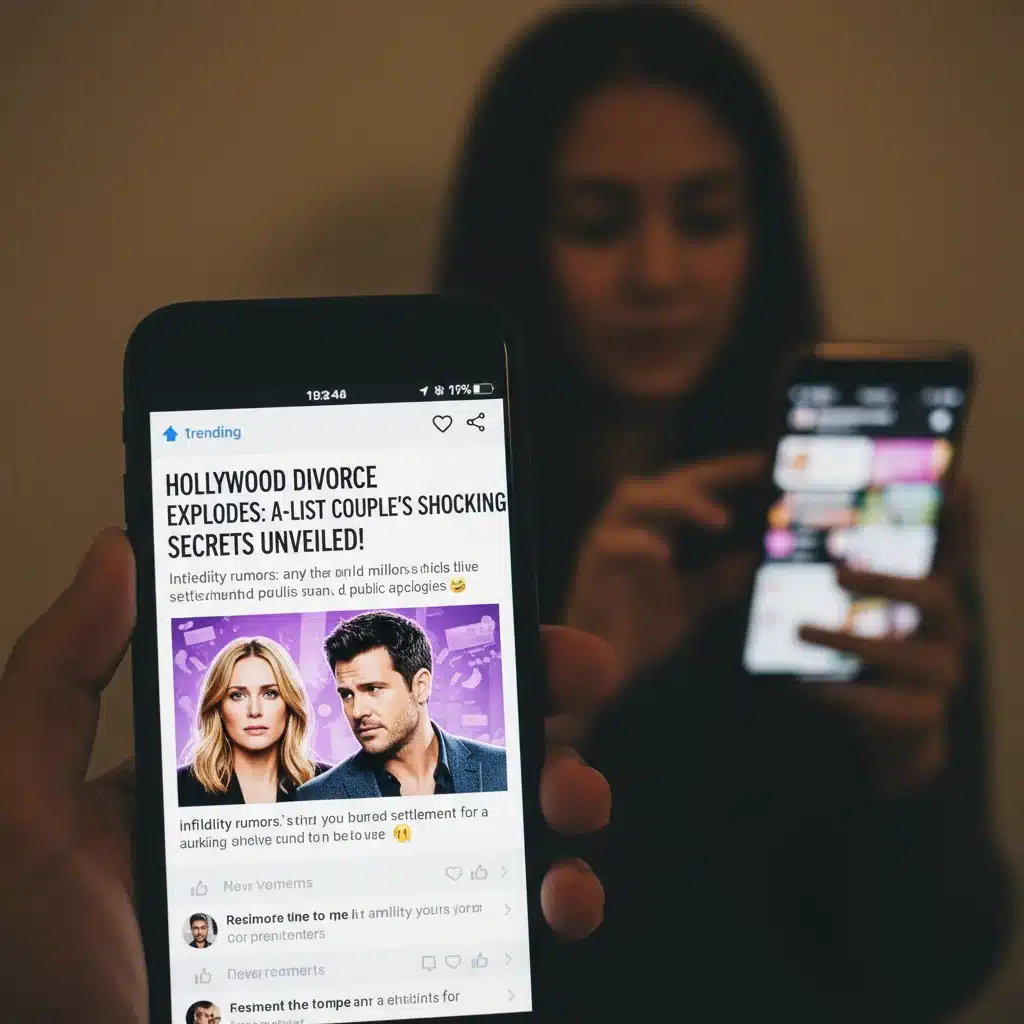
Beyond the headlines and public discourse, celebrity scandals have profound psychological impacts, both on the individuals involved and on society at large. For the celebrities themselves, the sudden shift from adoration to condemnation can be devastating, leading to mental health challenges, isolation, and a profound sense of loss. The constant surveillance and the feeling of being perpetually judged take a heavy toll. A thorough celebrity scandal analysis should not overlook this human element.
For the public, these scandals serve various psychological functions. They can provide a sense of moral superiority, allowing individuals to feel better about themselves by comparing their own lives to the perceived failures of others. They also offer a shared cultural experience, a common topic of conversation that fosters a sense of community, even if that community is united in judgment. Furthermore, these events can be cathartic, allowing society to collectively process anxieties about morality, power, and justice through the lens of a high-profile figure.
The voyeuristic nature of celebrity culture means that many people feel a sense of ownership over public figures, leading to strong emotional reactions when those figures deviate from expected norms. This emotional investment is a key driver of the intense public interest in any celebrity scandal analysis. Understanding these underlying psychological mechanisms helps explain why these stories resonate so deeply and why they often linger in the collective consciousness long after the initial news cycle has passed.
Case Study 3: The ‘Unexpected Allegation’ and Legal Battles
Our final celebrity scandal analysis brings us to the ‘Unexpected Allegation’ that surfaced just last month, involving a rising star known for their innovative work in a niche creative field. This scandal involved serious allegations of misconduct made by multiple individuals, leading to immediate legal proceedings and a swift backlash from the public and industry peers.
The nature of the allegations immediately shifted the conversation from mere gossip to serious legal and ethical considerations. Unlike the previous cases, which involved financial or ethical missteps, this scandal touched upon issues of personal safety and power dynamics, elevating its gravity. The public response was less divided, with a strong condemnation of the alleged actions and calls for justice. The speed with which the industry distanced itself from the celebrity was notable, reflecting a growing intolerance for certain types of behavior in the wake of broader social movements.
The cultural impact of this celebrity scandal analysis has been significant, contributing to ongoing dialogues about accountability for powerful individuals, the importance of believing victims, and the mechanisms by which justice is sought and delivered. It has reinforced the idea that fame does not grant immunity from consequences and that societal norms regarding appropriate conduct are continually evolving and being enforced more rigorously. The legal battles are ongoing, and the outcome will undoubtedly set precedents for how similar cases are handled in the future, further shaping the landscape of celebrity accountability. This case underscores the serious implications when allegations move beyond public opinion and into the legal system, with potentially career-ending and life-altering consequences.
The Long-Term Repercussions: Beyond the Headlines
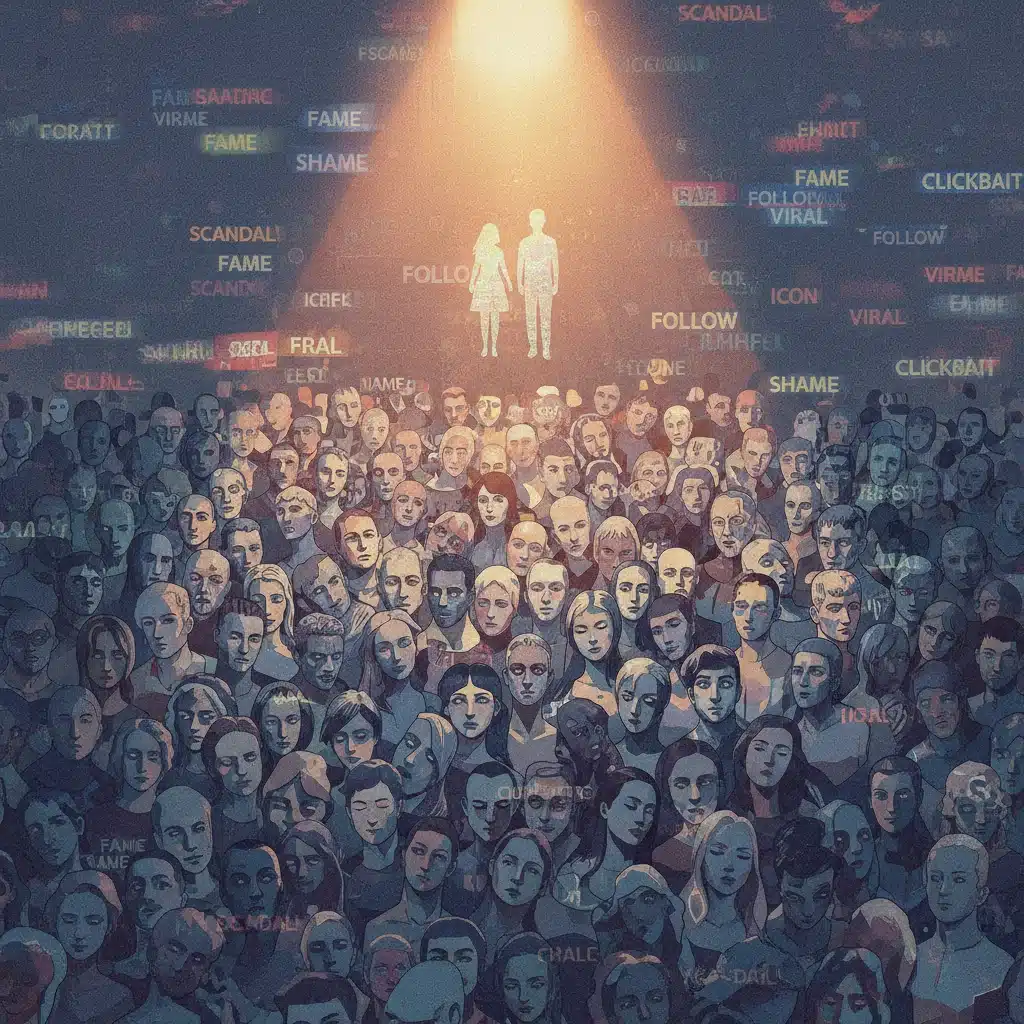
While the immediate fallout from a celebrity scandal can be dramatic, the long-term repercussions often extend far beyond the initial headlines. For the celebrities involved, a tarnished reputation can lead to a career hiatus, a complete re-evaluation of their public persona, or even an early retirement from the public eye. Rebuilding trust and rehabilitating an image is a painstaking process that can take years, if it’s even possible. Our celebrity scandal analysis shows that some never fully recover, while others manage to reinvent themselves, often by embracing a more authentic or contrite public image.
For society, these scandals contribute to a broader cultural narrative about morality, justice, and the expectations we place on those in the public sphere. Each high-profile incident adds another layer to our collective understanding of fame’s responsibilities and its inherent dangers. They can influence public policy, inspire new ethical guidelines within industries, and even shift the way we consume media and interact with celebrity culture.
Moreover, these events often serve as cautionary tales, both for aspiring public figures and for the industries that profit from them. They highlight the increasing scrutiny that comes with fame and the importance of integrity, both personal and professional. A comprehensive celebrity scandal analysis must consider these lasting effects, acknowledging that the ripples of a single event can be felt for years, shaping future interactions between celebrities, media, and the public.
The Evolving Landscape of Celebrity Accountability
One of the most profound shifts observed through a continuous celebrity scandal analysis is the evolving landscape of accountability. In previous eras, celebrities could often weather storms with carefully crafted apologies and a period of retreat. Today, the demands for immediate transparency and genuine contrition are far higher. The public, empowered by social media, expects more than just a public relations statement; they demand authenticity, empathy, and demonstrable change.
This increased demand for accountability is partly a reflection of broader societal movements that challenge power structures and advocate for justice. As such, celebrity scandals often become proxies for larger cultural battles. The consequences for missteps are also becoming more severe, with sponsors, production companies, and even entire fan bases quick to withdraw support. This heightened scrutiny means that celebrities must be more mindful than ever of their actions, both in their public and private lives.
Furthermore, the definition of what constitutes a ‘scandal’ is also shifting. What might have been dismissed as minor gossip decades ago can now become a career-ending event, particularly if it touches upon sensitive social issues. This dynamic underscores the importance of ongoing celebrity scandal analysis to keep pace with changing cultural norms and expectations. The public’s role has transformed from passive consumer to active participant in the moral judgment of public figures, a trend that shows no signs of slowing down.
Lessons Learned from Recent Celebrity Scandals
Each major celebrity scandal offers valuable lessons, not just for the individuals involved, but for the entertainment industry and society as a whole. From our celebrity scandal analysis of the last three months, several key takeaways emerge. Firstly, authenticity and integrity are more critical than ever. In an age of constant surveillance, any facade is likely to crumble, often with devastating consequences. Celebrities who attempt to maintain a curated, inauthentic image run a higher risk of public backlash when their true selves are revealed.
Secondly, the power of collective public opinion, amplified by social media, cannot be underestimated. This collective voice can drive narratives, demand accountability, and exert significant pressure on industries to respond. This means that managing public perception is no longer just about traditional PR; it requires a nuanced understanding of digital communities and their values.
Thirdly, the path to redemption, if it exists, is long and arduous. It requires genuine remorse, consistent effort, and often, tangible actions to make amends. A quick apology is rarely sufficient. Finally, these scandals remind us of the inherent risks of fame and the often-unrealistic expectations placed upon public figures. While accountability is crucial, it’s also important to remember the human element behind the headlines.
Conclusion: The Enduring Fascination with Celebrity Downfalls
The last three months have provided a compelling series of events for a thorough celebrity scandal analysis. From financial improprieties to contentious confessions and serious allegations, these incidents have captivated audiences and sparked crucial cultural conversations. They demonstrate the volatile nature of fame, the powerful role of media, and the evolving demands for accountability in the public eye.
Ultimately, our enduring fascination with celebrity downfalls reflects deeper societal concerns. These stories allow us to explore themes of morality, justice, power, and redemption through the magnified lens of public figures. As the digital age continues to reshape the landscape of fame, one thing remains constant: the human desire to understand, judge, and sometimes, forgive those who live their lives in the spotlight. The insights gained from a rigorous celebrity scandal analysis not only help us understand the entertainment world but also offer a mirror to our own values and collective consciousness.
The next three months will undoubtedly bring new stories, new controversies, and new opportunities for reflection. What remains to be seen is how these future events will further shape our understanding of celebrity, accountability, and the ever-present drama of public life.