Optimizing Your Credit Score in 2026: 6 Key Factors U.S. Lenders Prioritize
Optimizing Your Credit Score in 2026: 6 Key Factors U.S. Lenders Prioritize
In the dynamic landscape of personal finance, your credit score remains one of the most critical indicators of your financial health. As we look towards 2026, understanding and actively engaging in credit score optimization is not just a recommendation; it’s a necessity for securing favorable lending terms, whether you’re eyeing a new home, a car, or simply better credit card rates. U.S. lenders continuously refine their evaluation criteria, making it imperative for consumers to stay informed about what truly matters. This comprehensive guide will delve into the six pivotal factors that U.S. lenders prioritize when assessing your creditworthiness, offering actionable insights and strategies to help you elevate your score and achieve your financial aspirations in 2026 and beyond.
Your credit score is more than just a three-digit number; it’s a reflection of your financial responsibility and a gateway to opportunities. A strong credit score can open doors to lower interest rates, higher credit limits, and better approval odds for loans and lines of credit. Conversely, a low score can lead to higher borrowing costs, rejections, and even impact things like insurance premiums and rental applications. Therefore, dedicating time and effort to understanding and improving your credit score is an investment in your future financial well-being.
The Evolving Landscape of Credit Scoring
While the fundamental principles of credit scoring have remained consistent for decades, the emphasis on certain factors can shift, and new data points can be incorporated. In 2026, U.S. lenders are expected to continue their focus on traditional metrics while also potentially giving more weight to factors that demonstrate consistent financial behavior and resilience. The rise of alternative data, though not yet universally integrated into primary credit scoring models, is a trend to watch, but for now, mastering the core components is paramount for effective credit score optimization.
Advertisements
Many consumers often feel overwhelmed by the complexity of credit scoring. However, breaking it down into its core components makes it much more manageable. Each factor contributes a certain percentage to your overall score, and understanding these percentages allows you to strategically focus your efforts where they will have the most impact. Let’s explore these crucial factors in detail.
1. Payment History: The Foundation of Your Creditworthiness
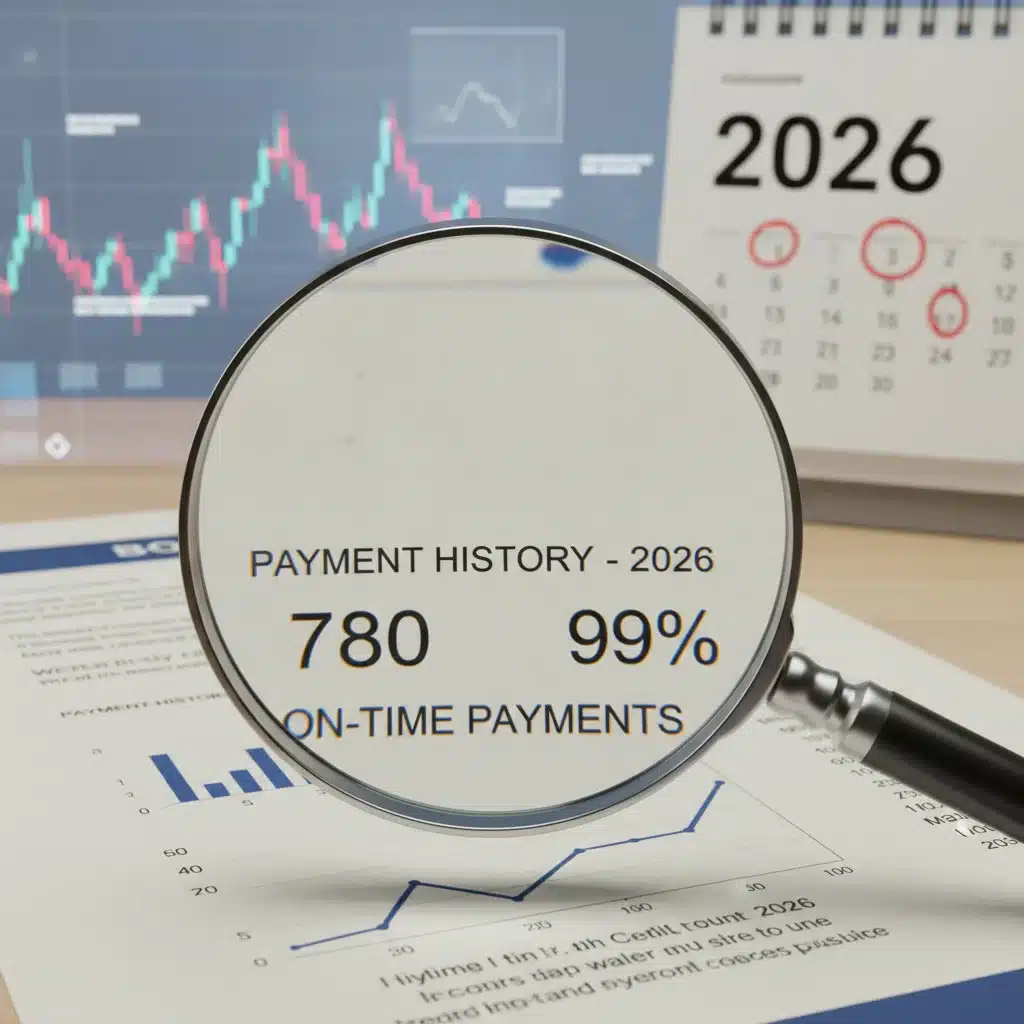
Without a doubt, your payment history is the single most important factor influencing your credit score, accounting for approximately 35% of your FICO score, the most widely used scoring model. Lenders view your past payment behavior as a strong predictor of your future ability to repay debts. Consistent, on-time payments demonstrate reliability and responsibility, which are highly valued by creditors.
Why Payment History Matters So Much
Every payment you make, or miss, on your credit accounts is reported to the three major credit bureaus: Experian, Equifax, and TransUnion. These reports form the basis of your credit file, which lenders access when evaluating your applications. A history of timely payments signals to lenders that you are a low-risk borrower. Conversely, late payments, defaults, bankruptcies, and collections can severely damage your score and remain on your report for several years, making credit score optimization a long-term commitment.
Strategies for Impeccable Payment History
- Automate Payments: Set up automatic payments for all your bills, especially credit cards, loans, and utilities. This ensures you never miss a due date.
- Set Reminders: Even with automation, it’s wise to set calendar reminders a few days before due dates as a backup.
- Pay More Than the Minimum: While paying the minimum keeps your account current, paying more reduces your principal faster and can indirectly help your credit utilization.
- Communicate with Lenders: If you anticipate difficulty making a payment, contact your lender immediately. They may offer hardship programs or alternative arrangements that can prevent a late payment from being reported.
- Review Credit Reports Regularly: Check your credit reports annually for errors. Incorrectly reported late payments can drag down your score undeservedly.

Even a single 30-day late payment can cause a significant drop in your credit score, especially if you have an otherwise stellar credit history. The impact lessens over time, but the best approach for credit score optimization is to avoid them altogether. Prioritize your bills and ensure that credit obligations are met punctually.
2. Credit Utilization: Managing Your Available Credit
The amount of credit you’re using compared to your total available credit, known as credit utilization, is the second most influential factor, typically accounting for about 30% of your FICO score. Lenders look at this ratio to gauge your reliance on credit. A high utilization ratio suggests you might be overextended or struggling financially, which can be a red flag.
Understanding the Credit Utilization Ratio
Your credit utilization ratio is calculated by dividing your total outstanding balances by your total available credit. For example, if you have a credit card with a $10,000 limit and a $3,000 balance, your utilization for that card is 30%. If you have multiple cards, the overall utilization across all your accounts is also considered. Experts generally recommend keeping your credit utilization below 30% across all your revolving accounts. For optimal credit score optimization, aiming for below 10% is even better.
Strategies to Lower Your Credit Utilization
- Pay Down Balances: The most direct way to lower your utilization is to pay off existing credit card debt. Focus on cards with the highest balances first.
- Make Multiple Payments: Instead of waiting for the statement due date, make smaller payments throughout the month. This can help keep your reported balance lower.
- Increase Credit Limits: If you have a good payment history, you can request a credit limit increase from your existing lenders. This increases your available credit without adding new debt, thus lowering your utilization ratio. Be cautious not to spend more just because your limit is higher.
- Avoid Closing Old Accounts: Closing an old credit card account, especially one with a long history and a high limit, can inadvertently increase your utilization ratio by reducing your total available credit.
- Strategic Spending: If you use credit cards for everyday expenses, pay them off in full before the statement closing date. This ensures a zero or very low balance is reported to the credit bureaus.
Maintaining a low credit utilization ratio is a continuous effort and a cornerstone of effective credit score optimization. It demonstrates that you can manage credit responsibly without maxing out your available lines.
3. Length of Credit History: Time and Experience
The length of your credit history, accounting for approximately 15% of your FICO score, reflects how long you’ve been managing credit. Lenders prefer to see a long history of responsible credit use because it provides more data points to assess your reliability. This factor considers the age of your oldest account, the age of your newest account, and the average age of all your accounts.
Why Longevity Matters
A longer credit history offers lenders a clearer picture of your long-term financial behavior. It shows consistency and a proven track record of managing various types of credit over time. Newer credit users, while potentially responsible, simply don’t have the same depth of data for lenders to analyze, which can sometimes result in a lower score initially. This is why for credit score optimization, patience and consistent management are key.
Strategies to Build and Maintain a Long Credit History
- Don’t Close Old Accounts: As mentioned with credit utilization, keeping old accounts open, especially those with good payment histories, helps maintain a longer average age of accounts. Even if you don’t use them frequently, keeping them active (perhaps with a small, recurring charge you pay off immediately) is beneficial.
- Start Early: The sooner you begin establishing credit responsibly, the longer your history will eventually become. Consider a secured credit card or becoming an authorized user on a trusted family member’s account if you’re new to credit.
- Be Patient: Building a long credit history takes time. There are no shortcuts here. Focus on consistent responsible behavior, and your credit age will naturally increase.
For those new to credit, it’s a marathon, not a sprint. Focus on establishing a positive track record from the outset, and over time, the length of your credit history will become a significant asset in your credit score optimization journey.
4. Credit Mix: A Diverse Portfolio
Your credit mix, which contributes around 10% to your FICO score, refers to the different types of credit accounts you have. This includes a blend of revolving credit (like credit cards) and installment credit (like mortgages, auto loans, or student loans). Lenders like to see that you can responsibly manage various forms of debt.
The Value of a Balanced Credit Mix
Demonstrating the ability to handle different credit products shows financial versatility. Managing a credit card responsibly is different from making consistent mortgage payments. A diverse mix suggests a broader understanding of financial obligations and a greater capacity for responsible borrowing. However, it’s crucial not to open new accounts simply to diversify your mix, as this can lead to hard inquiries and potentially more debt than you can handle, counteracting your credit score optimization efforts.
Strategies for a Healthy Credit Mix
- Naturally Diversify: As you progress through different life stages, you’ll likely acquire different types of credit (e.g., student loans, then an auto loan, then a mortgage). Allow this diversification to happen naturally rather than forcing it.
- Avoid Unnecessary Debt: Do not take out loans you don’t need just to improve your credit mix. The interest costs and potential for missed payments will far outweigh any marginal benefit to your score.
- Maintain Existing Accounts: If you have a good mix of accounts, focus on maintaining them responsibly. Consistent on-time payments across all account types are key.

A balanced credit mix is a positive signal to lenders, indicating a well-rounded financial profile. For effective credit score optimization, ensure you manage all your credit accounts with diligence.
5. New Credit: Proceed with Caution
New credit, or the number of recent credit applications and newly opened accounts, accounts for approximately 10% of your FICO score. While it’s natural to open new accounts occasionally, too many applications in a short period can be viewed negatively by lenders.
The Impact of New Credit Inquiries
When you apply for new credit, a ‘hard inquiry’ is typically placed on your credit report. Each hard inquiry can temporarily ding your score by a few points and remains on your report for two years (though its impact lessens over time). A flurry of hard inquiries can signal to lenders that you might be in financial distress or are attempting to take on too much debt, making you a higher risk. This is a critical consideration for credit score optimization.
Strategies for Managing New Credit
- Apply Only When Necessary: Only apply for credit when you genuinely need it. Avoid opening store credit cards for small discounts if you don’t intend to use them regularly and responsibly.
- Space Out Applications: If you need multiple types of credit (e.g., a car loan and a mortgage), try to space out your applications. However, for rate shopping on similar loans (like multiple mortgage applications within a short window), FICO models often count them as a single inquiry, recognizing you’re looking for the best rate.
- Be Mindful of Promotional Offers: While enticing, many promotional credit card offers can lead to unnecessary hard inquiries. Evaluate if the benefit outweighs the potential (even if minor) impact on your score.
- Monitor for Unauthorized Inquiries: Regularly check your credit reports for any hard inquiries you don’t recognize, which could indicate identity theft.
While new credit is a necessary part of financial life, exercising restraint and strategy is crucial for effective credit score optimization. Be selective with your applications and understand the potential impact.
6. Public Records and Derogatory Marks: Long-Term Consequences
While not a separate percentage category in the same way as the others, public records and derogatory marks have a substantial, often devastating, impact on your credit score. These include bankruptcies, foreclosures, repossessions, collection accounts, and tax liens. Their presence signals severe financial distress and significantly lowers your creditworthiness.
The Weight of Derogatory Marks
A bankruptcy, for instance, can stay on your credit report for 7 to 10 years, making it extremely difficult to obtain new credit at favorable terms. Collections and charge-offs also remain for seven years from the date of the delinquency. These items clearly indicate a failure to meet financial obligations, and lenders will view you as a very high-risk borrower. For credit score optimization, avoiding these at all costs is paramount.
Strategies to Avoid and Address Derogatory Marks
- Prioritize Debt Payments: Make every effort to avoid defaulting on loans or having accounts sent to collections. If you’re struggling, communicate with your lenders to explore options like payment plans or debt consolidation.
- Understand Consequences: Be fully aware of the long-term credit implications before making major financial decisions that could lead to default or bankruptcy.
- Address Collections Promptly: If an account goes to collections, try to negotiate a payment plan or a pay-for-delete agreement (where the collection agency agrees to remove the item from your report upon payment, though this is not guaranteed).
- Monitor Your Reports: Regularly check your credit reports to ensure any derogatory marks are accurate and fall off your report once their reporting period expires.
Preventing public records and derogatory marks is far easier and less damaging than trying to recover from them. They represent significant setbacks in any credit score optimization strategy and require substantial time and effort to overcome.
Beyond the Six: Other Considerations for 2026
While the six factors discussed form the bedrock of your credit score, other elements, while not directly scored, can indirectly influence how lenders perceive your financial profile in 2026:
- Income Stability: While not part of your FICO score, lenders will always assess your income to determine your ability to repay new debt. A stable income history is highly favorable.
- Debt-to-Income (DTI) Ratio: This ratio compares your total monthly debt payments to your gross monthly income. A high DTI can make it harder to qualify for new loans, even with a good credit score. Lenders are increasingly scrutinizing DTI.
- Relationship with Lenders: Having established relationships with banks and credit unions where you have savings or checking accounts can sometimes be a minor advantage, especially for smaller loans or during reconsideration processes.
- Economic Climate: Broader economic conditions can influence lender’s risk appetites. In uncertain times, even borrowers with good credit might face stricter lending standards.
Staying abreast of these broader financial indicators, in addition to focusing on the core six factors, provides a holistic approach to your financial health and credit score optimization.
Actionable Steps for Credit Score Optimization in 2026
Now that you understand the key factors, here’s a consolidated plan to enhance your credit score:
- Get Your Credit Reports: Obtain free copies of your credit reports from AnnualCreditReport.com. Review them thoroughly for any inaccuracies or fraudulent activity. Dispute any errors immediately.
- Create a Budget: A well-structured budget helps you manage your money effectively, ensuring you have funds available for bill payments and debt reduction.
- Prioritize Payments: Always pay your bills on time, especially credit card and loan payments. Set up automated payments or reminders.
- Reduce Credit Card Debt: Aim to keep your credit utilization below 30%, ideally below 10%. Focus on paying down high-interest balances.
- Avoid Unnecessary New Credit: Only apply for credit when absolutely essential. Limit hard inquiries.
- Maintain Old Accounts: Keep your oldest credit accounts open and active to benefit from a longer credit history.
- Diversify Responsibly: Over time, aim for a healthy mix of revolving and installment credit, but don’t take on debt you don’t need.
- Monitor Your Score: Use free credit monitoring services (offered by many banks and credit card companies) to track your progress and detect any sudden changes.
Implementing these strategies consistently will pave the way for robust credit score optimization. Remember, improving your credit score is a journey that requires discipline and patience, but the financial rewards are significant.
Conclusion: Your Path to Financial Empowerment in 2026
Your credit score is a powerful tool that dictates many of your financial opportunities. In 2026, U.S. lenders will continue to weigh heavily on factors such as your payment history, credit utilization, length of credit history, credit mix, new credit applications, and the absence of derogatory marks. By diligently managing these six core areas, you are not just improving a number; you are investing in your financial future, opening doors to better borrowing terms, and gaining greater financial freedom.
Embrace the principles of credit score optimization as an ongoing commitment. Regular monitoring, disciplined spending, and timely payments are the cornerstones of a strong credit profile. Start today by reviewing your credit reports, setting up payment reminders, and making a conscious effort to keep your credit utilization low. With these proactive steps, you can confidently navigate the financial landscape of 2026 and beyond, securing the best possible terms for your financial needs.