
The Shifting Landscape of U.S. Family Structures: What the Latest Data on Single-Parent Households Reveals for 2026
The American family unit has always been a dynamic entity, constantly evolving in response to societal, economic, and cultural shifts. Among the most significant changes observed over the past few decades is the rise and continued prominence of single-parent households USA. As we approach 2026, understanding the current state and future trajectory of these families is crucial for policymakers, community leaders, researchers, and indeed, every citizen concerned with the well-being of the nation’s children and families. This comprehensive article delves deep into the latest data, analyzes the underlying factors contributing to these trends, explores the multifaceted challenges and remarkable resilience of single-parent families, and offers a glimpse into what the future might hold.
The narrative surrounding single-parent households is often complex, sometimes fraught with stereotypes, but always rooted in the lived experiences of millions of Americans. These households are not monolithic; they encompass a vast diversity of experiences, from single mothers by choice to widowed fathers, from grandmothers raising grandchildren to parents navigating separation and divorce. Our aim is to provide an evidence-based, empathetic, and forward-looking analysis of this critical demographic segment, focusing specifically on the projections and implications for 2026.
Understanding the Current Snapshot: Single-Parent Households USA in 2026
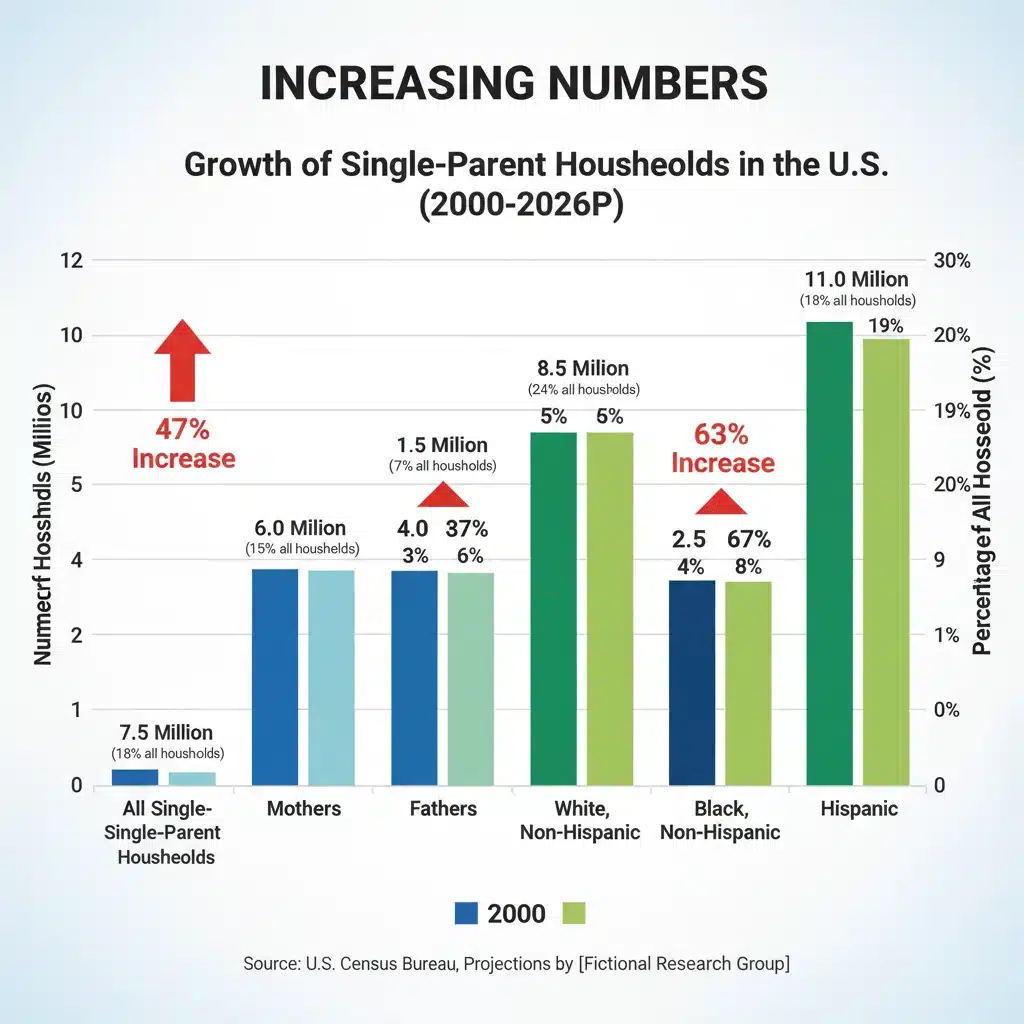
Before we project forward, it’s essential to grasp the foundation upon which these future trends are built. The most recent comprehensive data indicates that single-parent households constitute a significant portion of all family units with children in the United States. While the exact percentages can fluctuate based on data collection methodologies and definitions, the general trend has been an increase in their prevalence over the last half-century. For 2026, experts predict a continued stability, if not a slight increase, in the proportion of children living in single-parent households USA.
Advertisements
This persistence is not accidental. It reflects a confluence of factors, including changing social norms regarding marriage and cohabitation, higher divorce rates compared to previous generations (though these have stabilized or slightly declined in recent years, they remain impactful for existing families), increased non-marital births, and a greater acceptance of diverse family structures. Furthermore, economic pressures often play a role, with some individuals choosing to delay marriage or parenthood until they achieve greater financial stability, leading to different pathways to forming families.
Demographic Breakdown: Who are the Single Parents?
The term ‘single parent’ itself is broad. A closer look reveals important demographic distinctions:
- Gender: Historically, single-mother households have been far more prevalent than single-father households. While single fathers are a growing demographic, single mothers still head the vast majority of single-parent households USA. This disparity has significant implications for economic well-being, as women, on average, still earn less than men and often face greater challenges in balancing work and childcare responsibilities.
- Race and Ethnicity: There are notable differences across racial and ethnic groups. Black children, for instance, are disproportionately more likely to live in single-parent households compared to white, Hispanic, or Asian children. These disparities are often linked to historical systemic inequalities, economic disadvantages, and cultural factors. Understanding these nuances is crucial for developing targeted support programs.
- Age and Education: Single parents span all age groups, but younger parents are more likely to be single. Educational attainment also plays a role, with lower educational levels sometimes correlating with higher rates of single parenthood, although this is not a universal rule and exceptions are numerous.
- Pathways to Single Parenthood: The reasons for becoming a single parent are diverse: divorce or separation, never marrying, or widowhood. Each pathway presents its own set of challenges and support needs. For example, a parent who is widowed might have a different support network and financial resources than a parent who has never married.
Driving Forces Behind the Trends in Single-Parent Households USA
Several macro and micro factors continue to shape the prevalence and experiences of single-parent households USA. Understanding these drivers is key to anticipating future needs and formulating effective policies.
Societal and Cultural Shifts
The societal acceptance of diverse family forms has grown significantly. The stigma once associated with single parenthood has largely diminished, allowing individuals greater freedom in their family planning decisions. This includes an increase in women choosing to have children outside of marriage, either through adoption, assisted reproductive technologies, or by simply embracing single motherhood. Similarly, men are increasingly stepping into primary caregiver roles as single fathers, challenging traditional gender norms.
Economic Realities
Economic stability is a paramount concern for many families. For single parents, this challenge is often magnified. Wage stagnation, the rising cost of living, and the expense of childcare can make it difficult for one income to support a household. Conversely, economic independence can also empower individuals to make choices about their family structure that might not have been feasible in previous generations. The gig economy and flexible work arrangements, while offering some benefits, can also lead to income instability, impacting single-parent households disproportionately.
Legal and Policy Frameworks
Changes in family law, such as no-fault divorce laws, have made it easier for couples to dissolve marriages. Child support enforcement mechanisms, while imperfect, provide some financial safety nets for children in single-parent families. Government policies related to welfare, housing, healthcare, and education also play a critical role in shaping the daily lives and long-term outcomes for these families. The ongoing debates around universal pre-kindergarten, expanded child tax credits, and affordable healthcare directly impact the viability and well-being of single-parent households USA.
The Challenges Faced by Single-Parent Households
While single-parent households demonstrate immense strength and resilience, they often navigate a unique set of challenges that require specific attention and support.
Economic Hardship
Poverty rates are significantly higher among single-parent households USA, particularly those headed by single mothers. This is due to a combination of factors: reliance on a single income, often lower wages for women, and the high costs associated with raising children. Economic hardship can lead to food insecurity, housing instability, and limited access to quality healthcare and education for children. This perpetuates a cycle that can be difficult to break without substantial external support.
Time Poverty and Work-Life Balance
Single parents often juggle multiple roles – provider, caregiver, household manager – without the immediate support of a partner. This can lead to severe time poverty, making it challenging to balance work responsibilities, childcare, household chores, and personal well-being. The lack of affordable and reliable childcare is a major barrier, forcing many single parents to choose between working fewer hours, taking lower-paying jobs with flexible schedules, or relying on informal care arrangements that may not always be stable or high-quality.
Social and Emotional Well-being
The emotional toll of single parenthood can be substantial. Stress, isolation, and burnout are common. Children in single-parent households may also face unique emotional challenges, such as adjusting to parental separation or dealing with the absence of a parent. While many children thrive in single-parent environments, access to mental health support for both parents and children is vital to ensure positive developmental outcomes.
Access to Resources and Support Systems
While community and government programs exist, navigating the bureaucracy to access resources like food assistance, housing subsidies, and affordable healthcare can be overwhelming. Many single parents also lack strong informal support networks, such as extended family or friends, which can exacerbate feelings of isolation and make it harder to cope with daily stressors.
Resilience and Strengths of Single-Parent Households USA
It is equally important to highlight the immense strengths and resilience inherent in single-parent households USA. These families are often characterized by strong parent-child bonds, adaptability, and an incredible capacity to overcome adversity.
Strong Parent-Child Relationships
In many single-parent families, the parent-child bond is exceptionally strong, often due to the intense reliance and shared experiences within the household. Children in these families frequently develop a strong sense of responsibility, empathy, and independence. The parent often becomes the central figure, providing consistent love, guidance, and support, fostering deep and meaningful connections.
Adaptability and Self-Reliance
Single parents and their children often develop remarkable adaptability and self-reliance. They learn to navigate challenges creatively, manage resources efficiently, and build problem-solving skills. This resilience can be a powerful asset, preparing children for future challenges and instilling a strong work ethic and sense of agency.
Community and Extended Family Support
While some single parents may feel isolated, many actively build strong support networks within their communities, through extended family, friends, schools, and religious organizations. These networks provide crucial emotional, practical, and sometimes financial assistance, demonstrating the power of collective support in fostering thriving families.
Projections for Single-Parent Households USA in 2026 and Beyond
Looking ahead to 2026, several trends are likely to continue to shape the landscape of single-parent households USA.
Continued Diversity in Family Structures
The trend towards diverse family structures is unlikely to reverse. Single parenthood will remain a significant and accepted form of family life. We may see a continued slight increase in single-father households as societal norms evolve further and more men take on primary caregiving roles after divorce or separation, or choose single fatherhood through adoption or surrogacy.
The Impact of Economic Shifts
Economic stability will remain a critical factor. If the economy faces downturns, single-parent households may be disproportionately affected, highlighting the need for robust social safety nets. Conversely, sustained economic growth could provide more opportunities for single parents to achieve financial security. The future of remote work and flexible schedules could also offer new avenues for single parents to balance employment and caregiving, though access to these opportunities remains uneven.
Technological Advancements and Support
Technology will increasingly play a role in supporting single-parent households. Online communities, apps for co-parenting, and platforms for accessing resources can help alleviate isolation and streamline daily tasks. Telehealth services for mental health and general well-being will also become more accessible, offering crucial support to parents and children.
Policy Focus on Childcare and Family Leave
There is growing political and public awareness of the need for better support for working families. Debates around universal pre-kindergarten, affordable childcare, and paid family leave are likely to intensify. Should significant policy changes occur, they could profoundly impact the economic stability and well-being of single-parent households USA, reducing stress and improving outcomes for children.
Policy Recommendations and Future Support Mechanisms
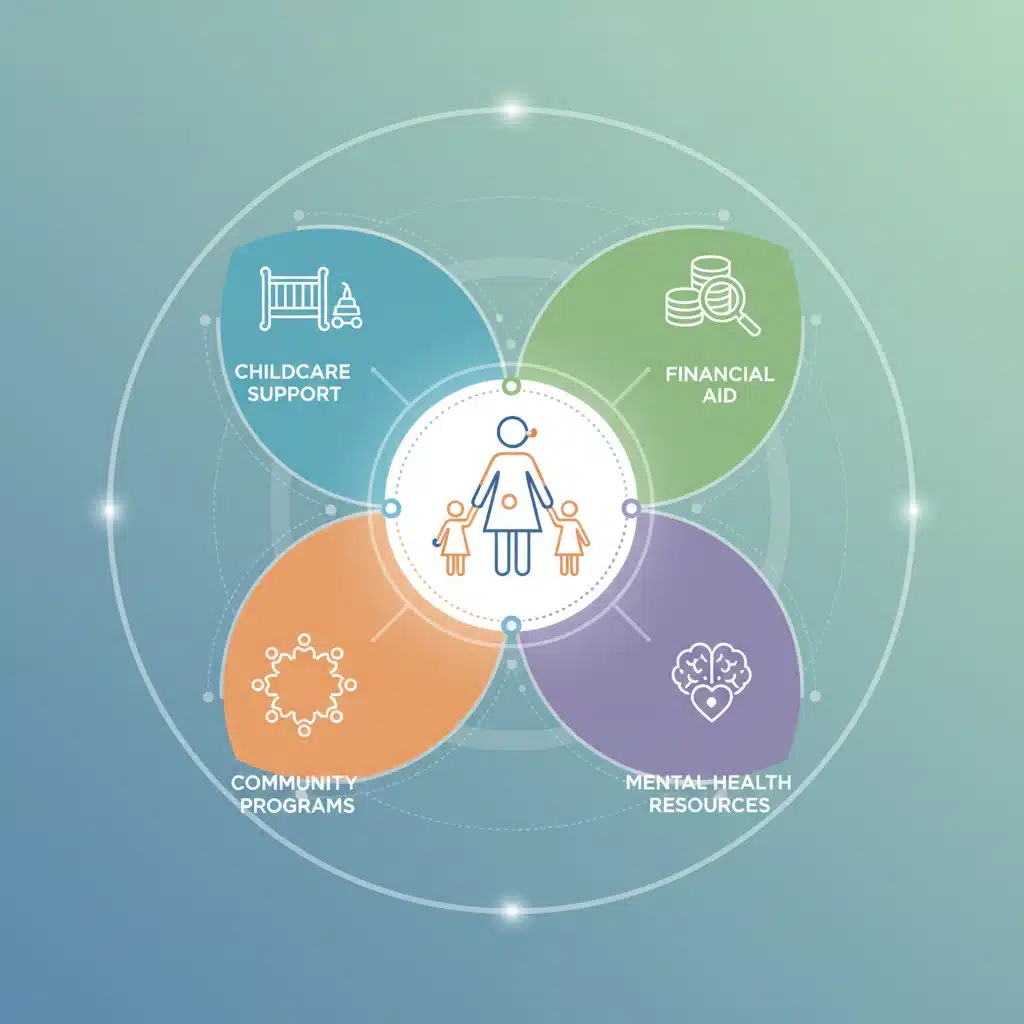
To ensure that single-parent households USA can thrive, a multi-pronged approach involving government, communities, and employers is necessary.
Strengthening Economic Supports
- Expanded Child Tax Credits: Making enhanced child tax credits permanent and fully refundable would provide significant financial relief, lifting many children out of poverty.
- Affordable Childcare: Investing in universal or highly subsidized childcare programs would alleviate one of the biggest financial and logistical burdens for single parents, enabling greater workforce participation and economic stability.
- Fair Wages and Benefits: Advocating for living wages, paid sick leave, and comprehensive health benefits would create a more equitable economic playing field for all workers, including single parents.
- Housing Assistance: Addressing the affordable housing crisis is paramount, as housing costs disproportionately impact low-income single-parent households.
Enhancing Work-Life Integration
- Flexible Work Arrangements: Encouraging employers to offer flexible schedules, remote work options, and compressed workweeks can significantly help single parents manage their responsibilities.
- Paid Family and Medical Leave: Implementing comprehensive paid family and medical leave policies would ensure that single parents can take time off for caregiving without facing financial ruin.
- Employer-Sponsored Childcare: Incentivizing businesses to offer on-site childcare or childcare subsidies would be a game-changer for many single-parent employees.
Bolstering Social and Emotional Well-being
- Accessible Mental Health Services: Increasing access to affordable mental health counseling and support groups for both single parents and their children is crucial.
- Community Programs: Funding and promoting community centers, after-school programs, and mentorship initiatives can provide vital social connections and additional support for children.
- Parenting Resources: Offering parenting classes and resources specifically tailored to the unique challenges and strengths of single-parent families can empower parents with effective strategies.
Promoting Educational Opportunities
- Early Childhood Education: High-quality early childhood education is critical for children from all backgrounds, but especially for those in single-parent households, providing a strong foundation for future academic success.
- Parental Education and Training: Supporting single parents in pursuing higher education or vocational training can enhance their earning potential and long-term economic security.
Conclusion: A Resilient Future for Single-Parent Households USA
The landscape of single-parent households USA is rich with diversity, resilience, and unique challenges. As we look towards 2026, it is clear that these families will continue to be a vital and growing part of the American social fabric. The data points towards a future where diverse family structures are increasingly normalized, and the need for robust, empathetic, and comprehensive support systems becomes even more apparent.
Rather than viewing single-parent households through a lens of deficit, it is imperative to recognize and celebrate their inherent strengths and contributions to society. By understanding the demographic shifts, economic realities, and social dynamics at play, and by implementing targeted policies that address their specific needs – from economic stability and affordable childcare to mental health support and community integration – we can ensure that all children, regardless of their family structure, have the opportunity to thrive. The future success of the nation depends on the well-being of all its families, including the millions of resilient single-parent households USA that are shaping the next generation.
The journey forward requires continued research, open dialogue, and a collective commitment to building a society where every family feels supported, valued, and empowered to reach its full potential. The projections for 2026 are not just numbers; they represent millions of lives, stories, and aspirations that deserve our full attention and support.