Bio-Integrated Electronics: Transforming U.S. Wearable Tech by 2026
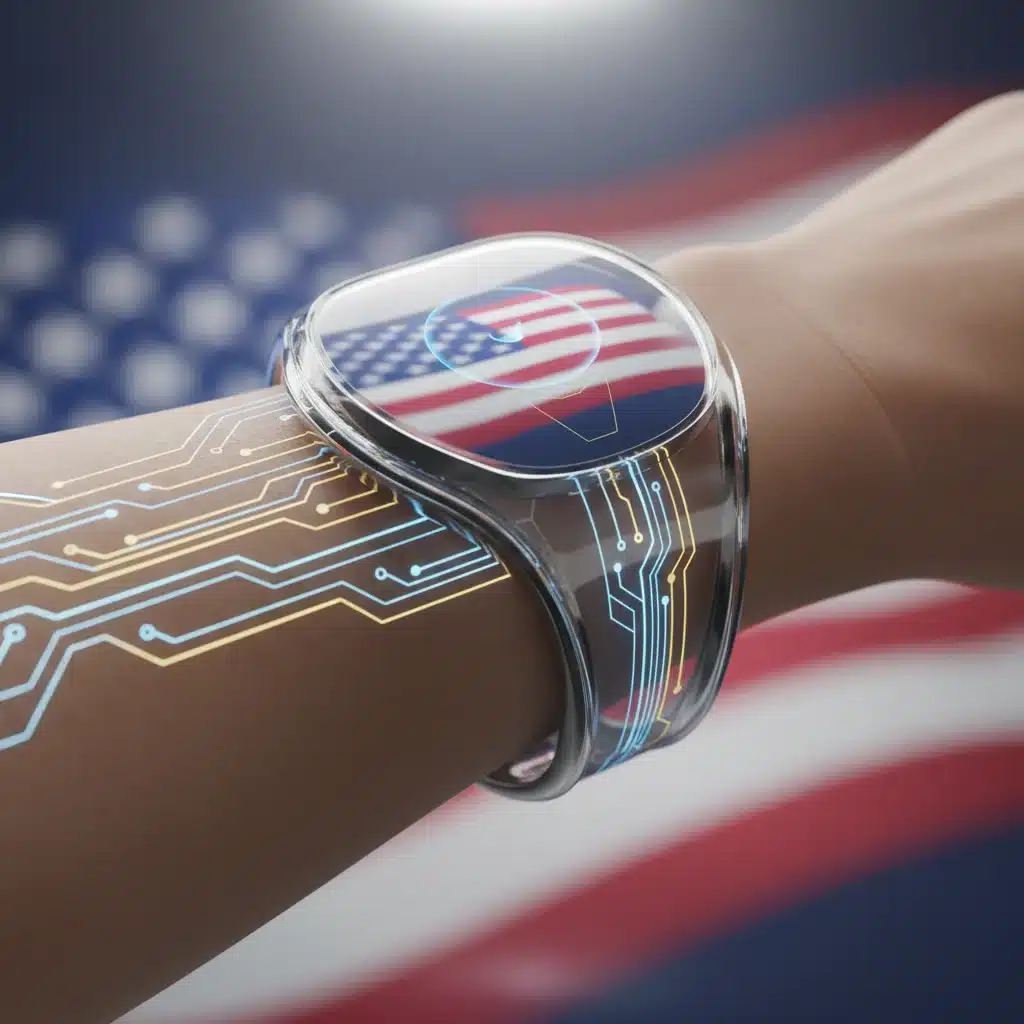
In an era defined by rapid technological advancement, the convergence of biology and electronics is birthing a new frontier: bio-integrated wearable tech. This revolutionary field is poised to redefine how we interact with our health, our environment, and each other. By 2026, the United States is expected to be at the forefront of this transformation, with four key innovations driving the market and profoundly impacting daily life. This article delves into the exciting rise of bio-integrated electronics, exploring these pivotal advancements and their implications for the future of wearable technology.
The concept of wearables has evolved dramatically from simple pedometers to sophisticated smartwatches. However, bio-integrated electronics push this evolution further by dissolving the barrier between device and body. Instead of merely being worn, these technologies are designed to seamlessly interface with biological systems, offering unprecedented levels of data accuracy, comfort, and functionality. Imagine devices that adapt to your skin, monitor biomarkers with clinical precision, and even deliver therapeutics, all while being virtually imperceptible. This isn’t science fiction; it’s the near future, driven by relentless innovation and a growing demand for personalized health solutions.
The market for bio-integrated wearable tech in the U.S. is not just expanding; it’s undergoing a fundamental metamorphosis. Factors such as an aging population, rising healthcare costs, and a heightened focus on preventative health are fueling the demand for more sophisticated, less intrusive monitoring devices. Furthermore, advancements in materials science, miniaturization, and artificial intelligence are making these complex integrations a reality. As we move closer to 2026, the impact of these innovations will become increasingly evident across various sectors, from healthcare and sports to personal wellness and even defense.
The Dawn of Seamless Integration: What is Bio-Integrated Wearable Tech?
Before diving into the specific innovations, it’s crucial to understand what distinguishes bio-integrated wearable tech from conventional wearables. Traditional wearables, like smartwatches or fitness trackers, are external devices that collect data through sensors that are in contact with the skin or worn on the body. While effective, they often face limitations in terms of comfort, long-term adherence, and the depth of biological insights they can provide.
Bio-integrated electronics, on the other hand, aim for a more intimate and often imperceptible connection with the body. This can involve:
Advertisements
- Flexible and Stretchable Electronics: Devices that conform to the body’s natural curves and movements, often resembling a second skin.
- Biocompatible Materials: Components that are non-toxic and do not provoke an immune response when in prolonged contact with biological tissues.
- Direct Biological Interfacing: Sensors that can directly measure biochemical signals (e.g., glucose, lactate, pH) from sweat, interstitial fluid, or even blood, rather than relying solely on surface-level measurements.
- Energy Harvesting from the Body: Technologies that can generate power from body heat or movement, reducing the need for external charging.
The ultimate goal is to create devices that are so seamlessly integrated that they become an extension of the user, providing continuous, accurate, and contextually rich data without disruption. This level of integration opens up possibilities for proactive health management, real-time diagnostic capabilities, and highly personalized interventions that were previously unattainable.
Innovation 1: Advanced Biosensors and Real-time Biomarker Monitoring
One of the most impactful developments in bio-integrated wearable tech is the proliferation of advanced biosensors capable of real-time biomarker monitoring. Traditional health monitoring often relies on periodic blood tests or clinical visits. Bio-integrated biosensors, however, offer continuous, non-invasive, or minimally invasive tracking of crucial physiological and biochemical markers directly from the body.
Revolutionizing Diabetes Management and Beyond
A prime example is continuous glucose monitoring (CGM) systems. While existing CGMs are already transformative for diabetes management, the next generation of bio-integrated sensors will be smaller, more accurate, and less intrusive. Imagine a discreet patch that not only tracks glucose levels but also monitors lactate, ketones, and even insulin response, providing a holistic view of metabolic health. These advancements will move beyond just reporting data to offering predictive insights and personalized recommendations, potentially even integrating with automated insulin delivery systems.
Expanding the Biomarker Spectrum
Beyond glucose, these advanced biosensors are expanding their scope to include a wide array of biomarkers:
- Electrolyte Balance: Crucial for athletes and individuals in extreme conditions, monitoring sodium, potassium, and chloride levels in sweat can prevent dehydration and electrolyte imbalances.
- Stress Hormones: Wearable sensors capable of detecting cortisol levels in sweat could provide real-time insights into stress responses, enabling proactive stress management.
- Inflammatory Markers: Early detection of inflammatory markers could signal the onset of illness or chronic conditions, allowing for timely intervention.
- Drug Monitoring: For patients on critical medications, bio-integrated sensors could monitor drug levels in the body, ensuring optimal dosage and adherence.
The implications for personalized medicine are immense. Doctors could receive continuous data streams from their patients, enabling more precise diagnoses, tailored treatment plans, and better management of chronic diseases. For individuals, this means unprecedented control and understanding of their own health, fostering a proactive approach to well-being.
Innovation 2: Flexible, Stretchable, and Self-Healing Electronics
The rigid, planar nature of traditional electronics has long been a barrier to true bio-integration. However, breakthroughs in materials science are paving the way for electronics that are inherently flexible, stretchable, and even self-healing. These properties are critical for creating devices that can conform to the body’s dynamic movements, withstand wear and tear, and remain functional over extended periods, making them ideal for bio-integrated wearable tech.
The Rise of ‘Electronic Skin’
Researchers are developing ‘electronic skin’ – ultra-thin, highly flexible patches embedded with sensors and circuits that can adhere to the skin like a temporary tattoo. These devices can monitor vital signs, detect subtle physiological changes, and even provide haptic feedback, all without impeding natural movement. Imagine an electronic patch that monitors heart rate, blood pressure, and oxygen saturation during sleep, providing comprehensive data without the discomfort of bulky devices.
Self-Healing Materials for Enhanced Durability
A significant challenge for wearables is durability. Constant exposure to sweat, friction, and movement can degrade components. Self-healing materials, inspired by biological systems, are emerging as a solution. These materials can autonomously repair minor damage, such as cracks or punctures, extending the lifespan and reliability of bio-integrated devices. This not only reduces waste but also ensures consistent performance, which is crucial for critical health monitoring applications.
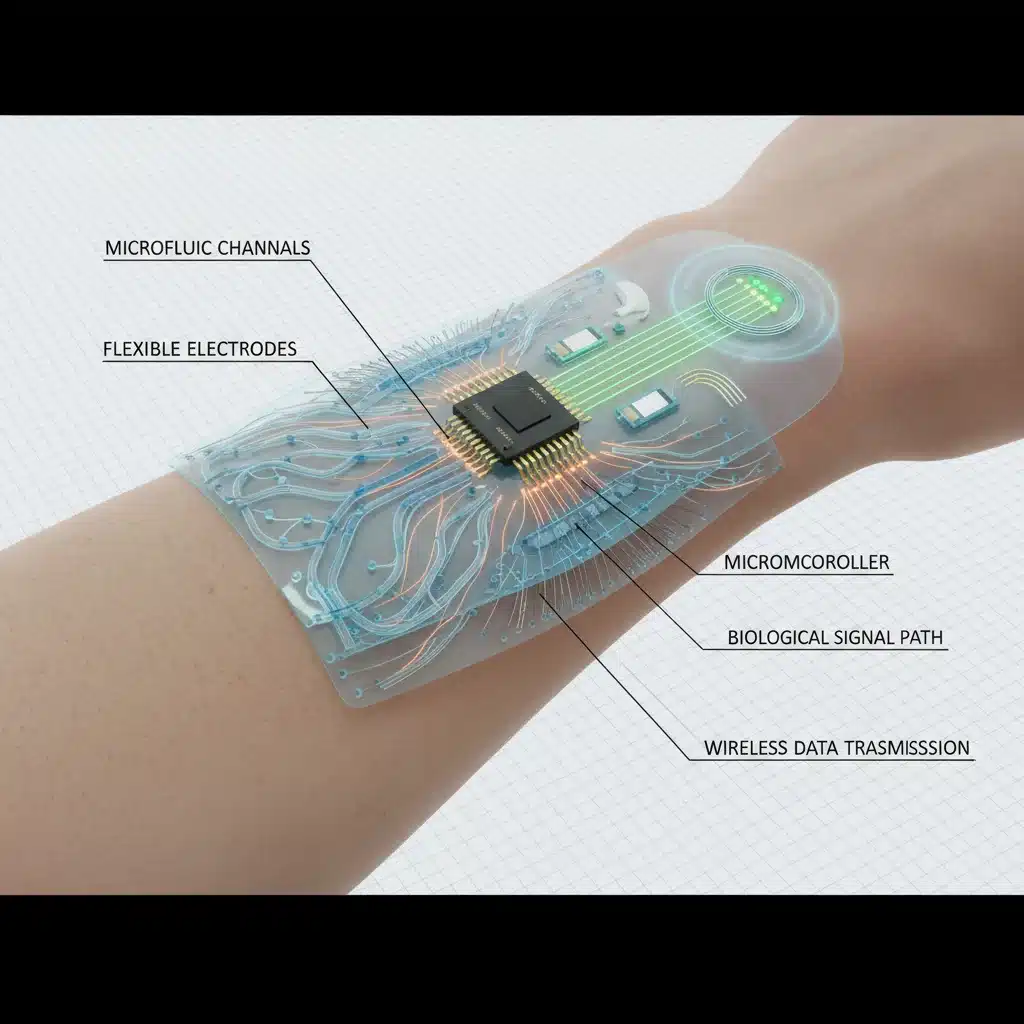
The development of stretchable conductors, flexible batteries, and bendable display technologies is integral to this innovation. Companies are investing heavily in research and development to create materials that can withstand millions of cycles of stretching and bending without compromising electrical performance. This will unlock new form factors for wearables, moving beyond wristbands to smart clothing, adhesive patches, and even implantable devices that feel like a natural part of the body.
Innovation 3: Smart Textiles and E-Textiles for Continuous Monitoring
Beyond adhesive patches, the clothing we wear is becoming a platform for bio-integrated wearable tech. Smart textiles, or e-textiles, are fabrics with embedded electronic components, sensors, and even microprocessors, woven directly into the fibers. By 2026, these intelligent fabrics will move beyond novelty items to become sophisticated tools for continuous health and performance monitoring.
Invisible Integration for Everyday Life
The beauty of smart textiles lies in their ability to integrate technology invisibly into everyday life. Imagine a t-shirt that monitors your ECG during your morning run, tracks your breathing patterns during sleep, or detects early signs of fatigue during a long workday. These garments can collect vast amounts of physiological data without requiring the user to wear additional devices, promoting greater compliance and long-term data collection.
Applications Across Sectors
- Healthcare: For elderly patients, smart pajamas could monitor vital signs and detect falls, alerting caregivers to potential emergencies. For individuals with chronic conditions, smart bandages could monitor wound healing, temperature, and infection markers.
- Sports and Fitness: Athletes can benefit from smart compression garments that monitor muscle activity, hydration levels, and biomechanics, providing real-time feedback to optimize performance and prevent injuries.
- Workplace Safety: In hazardous environments, smart uniforms could monitor exposure to toxins, physiological stress, and provide location tracking, enhancing worker safety.
The challenge lies in ensuring these textiles are durable, washable, and comfortable while maintaining their electronic functionality. Advances in conductive fibers, miniaturized sensors, and wireless power transfer are rapidly addressing these issues, making smart textiles a viable and increasingly popular form of bio-integrated wearable tech.
Innovation 4: Miniaturized and Bio-Compatible Power Sources
The Achilles’ heel of many advanced wearables has traditionally been battery life and the need for frequent recharging. For true bio-integration, power sources must be miniaturized, flexible, long-lasting, and ideally, self-sustaining. By 2026, significant strides in bio-compatible power sources will be a game-changer for bio-integrated wearable tech, enabling continuous operation and reducing user burden.
Harvesting Energy from the Body
One of the most exciting innovations is the development of energy harvesting technologies that can draw power directly from the human body. This includes:
- Thermoelectric Generators: Converting body heat into electrical energy.
- Piezoelectric Generators: Generating electricity from mechanical motion, such as walking or heartbeats.
- Biofuel Cells: Utilizing biochemical reactions (e.g., glucose oxidation in sweat) to produce electricity.
These technologies promise to create truly autonomous wearables that never need to be charged, making them ideal for long-term monitoring and critical applications where power interruption is unacceptable. Imagine a medical patch that monitors vital signs for weeks or months, powered solely by the wearer’s body heat.
Flexible and Micro-Batteries
While energy harvesting is advancing, traditional battery technology is also evolving. Flexible batteries that can bend and twist without losing integrity are being developed, allowing for more ergonomic and comfortable device designs. Furthermore, micro-batteries with extremely high energy densities are enabling smaller, lighter devices that can still offer extended operational times. The combination of these advancements means that future bio-integrated wearables will be less constrained by power limitations, offering greater freedom in design and functionality.

The Future Landscape of Bio-Integrated Wearable Tech in the U.S.
The confluence of these four innovations paints a vivid picture of the future of bio-integrated wearable tech in the U.S. by 2026. We can anticipate a world where:
- Personalized Health Management is the Norm: Individuals will have access to continuous, highly accurate data about their own bodies, empowering them to make informed decisions about their health and lifestyle.
- Preventative Healthcare Takes Center Stage: Early detection of health issues through continuous monitoring will shift the focus from treating illness to preventing it, leading to healthier populations and reduced healthcare burdens.
- Seamless Human-Device Interaction: Wearables will become so integrated and intuitive that the distinction between human and technology will blur, enhancing our natural capabilities rather than acting as external tools.
- Ethical and Privacy Considerations will be Paramount: As these technologies become more pervasive and collect sensitive biological data, robust frameworks for data security, privacy, and ethical use will be essential.
The U.S. market, with its robust research institutions, innovative tech companies, and a strong culture of health and wellness, is ideally positioned to lead this revolution. Investment in bio-engineering, materials science, and artificial intelligence will continue to accelerate the development and adoption of these groundbreaking technologies.
Challenges and Opportunities Ahead
Despite the immense potential, the path to widespread adoption of bio-integrated wearable tech is not without its challenges. Regulatory hurdles, particularly for medical-grade devices, will need to be navigated carefully. Ensuring data security and privacy will be paramount, as these devices collect highly sensitive personal health information. User acceptance and affordability will also play a crucial role in determining market penetration.
However, the opportunities far outweigh the challenges. From transforming chronic disease management to optimizing athletic performance, and from enhancing workplace safety to providing unprecedented insights into human physiology, bio-integrated electronics promise a future where technology truly serves human well-being. The economic impact will be substantial, creating new industries, jobs, and investment opportunities across the healthcare, technology, and manufacturing sectors.
Conclusion: A New Era of Human-Technology Symbiosis
The rise of bio-integrated wearable tech represents more than just an incremental improvement in personal electronics; it signifies a paradigm shift in how we understand and interact with our bodies. By 2026, the four key innovations discussed – advanced biosensors, flexible and self-healing electronics, smart textiles, and miniaturized power sources – will have converged to create a new generation of wearables that are more intuitive, powerful, and seamlessly integrated than ever before. The United States is at the cusp of this exciting transformation, poised to lead the world into an era where technology doesn’t just assist us, but truly becomes a part of us, enhancing our health, capabilities, and quality of life in profound and meaningful ways. The future is not just wearable; it’s bio-integrated.