Wearable Tech Trends 2026: Revolutionizing Health Tracking with New Sensors
Wearable Tech Trends 2026: How New Sensors are Revolutionizing Health Tracking
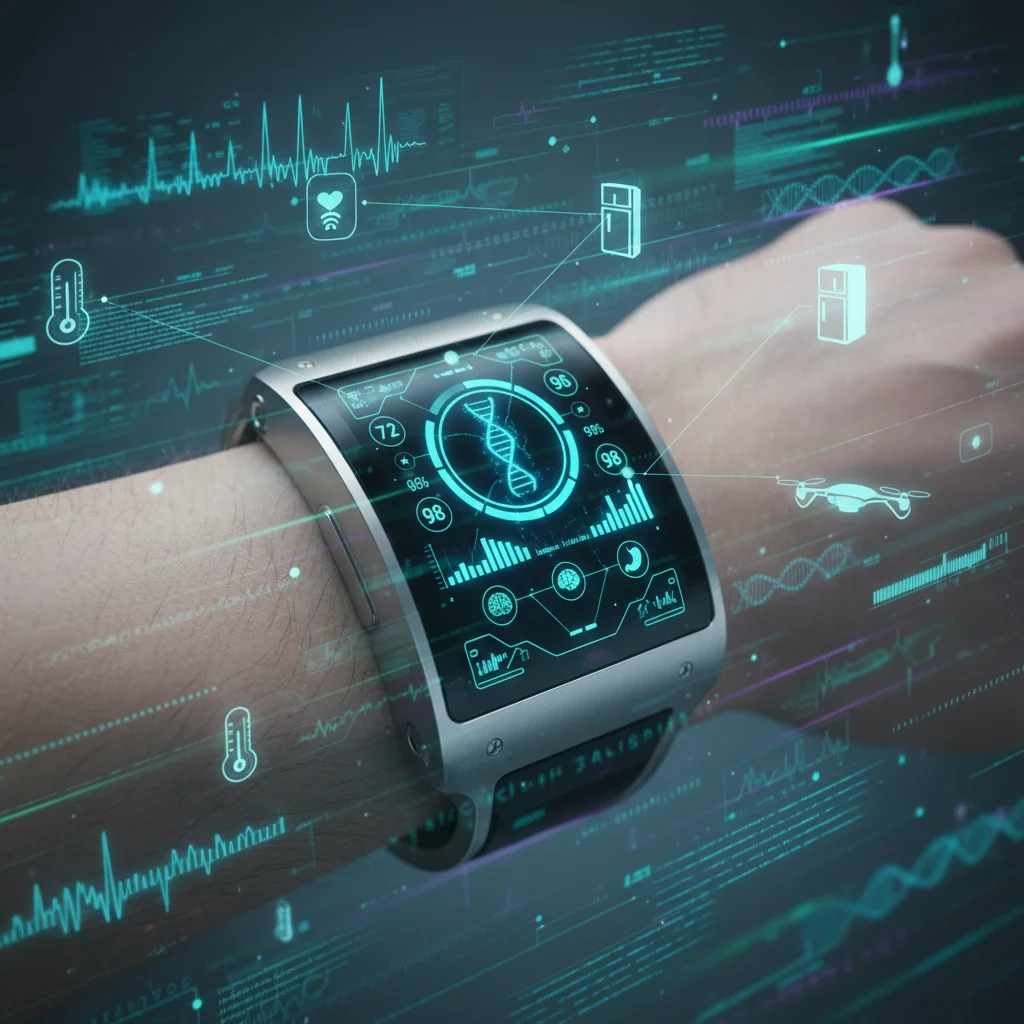
The landscape of personal health management is undergoing a profound transformation, driven by relentless innovation in wearable technology. As we look towards 2026, the convergence of advanced sensor technology, artificial intelligence, and seamless connectivity is setting the stage for a revolution in how we monitor, understand, and proactively manage our health. The days of simple step counters are long gone; today’s and tomorrow’s devices are sophisticated health companions, capable of providing insights once reserved for clinical settings. These wearable tech trends are not just about convenience; they are about empowerment, prevention, and ultimately, a better quality of life.
At the heart of this revolution are new sensors – miniature marvels of engineering that can detect an ever-expanding array of physiological markers. From continuous glucose monitoring to advanced cardiovascular diagnostics and even early disease detection, the capabilities of these devices are expanding at an exponential rate. This article will delve deep into the most significant wearable tech trends expected to dominate the market by 2026, exploring the groundbreaking sensor technologies driving them, their impact on personal health tracking, and the ethical considerations that come with such powerful data collection. Prepare to discover a future where your body’s most intricate secrets are unlocked, offering unprecedented opportunities for personalized health and well-being.
Advertisements
The Evolution of Wearable Sensors: Beyond the Basics
For years, wearables were primarily associated with fitness tracking: counting steps, monitoring heart rate during exercise, and estimating calorie burn. While these functions remain foundational, the evolution of sensor technology has pushed the boundaries far beyond these basic metrics. By 2026, the sophistication of sensors embedded in our smartwatches, rings, patches, and even clothing will be truly remarkable. We are moving from reactive monitoring to proactive, predictive health analytics, largely thanks to these advanced components.
Non-Invasive Continuous Glucose Monitoring (CGM)
One of the most anticipated breakthroughs in wearable tech trends is the widespread availability of non-invasive continuous glucose monitoring. For millions living with diabetes, finger-prick tests are a daily necessity. Current CGM devices, while effective, still require a small sensor to be inserted under the skin. Researchers are making significant strides in developing truly non-invasive methods, utilizing technologies like radiofrequency, optical sensors, and even advanced sweat analysis. By 2026, we anticipate seeing consumer-grade wearables that can provide real-time, accurate glucose readings without any skin penetration. This will not only improve the quality of life for diabetics but also offer valuable insights for pre-diabetics and those seeking to optimize their metabolic health.
Advanced Cardiovascular Health Monitoring
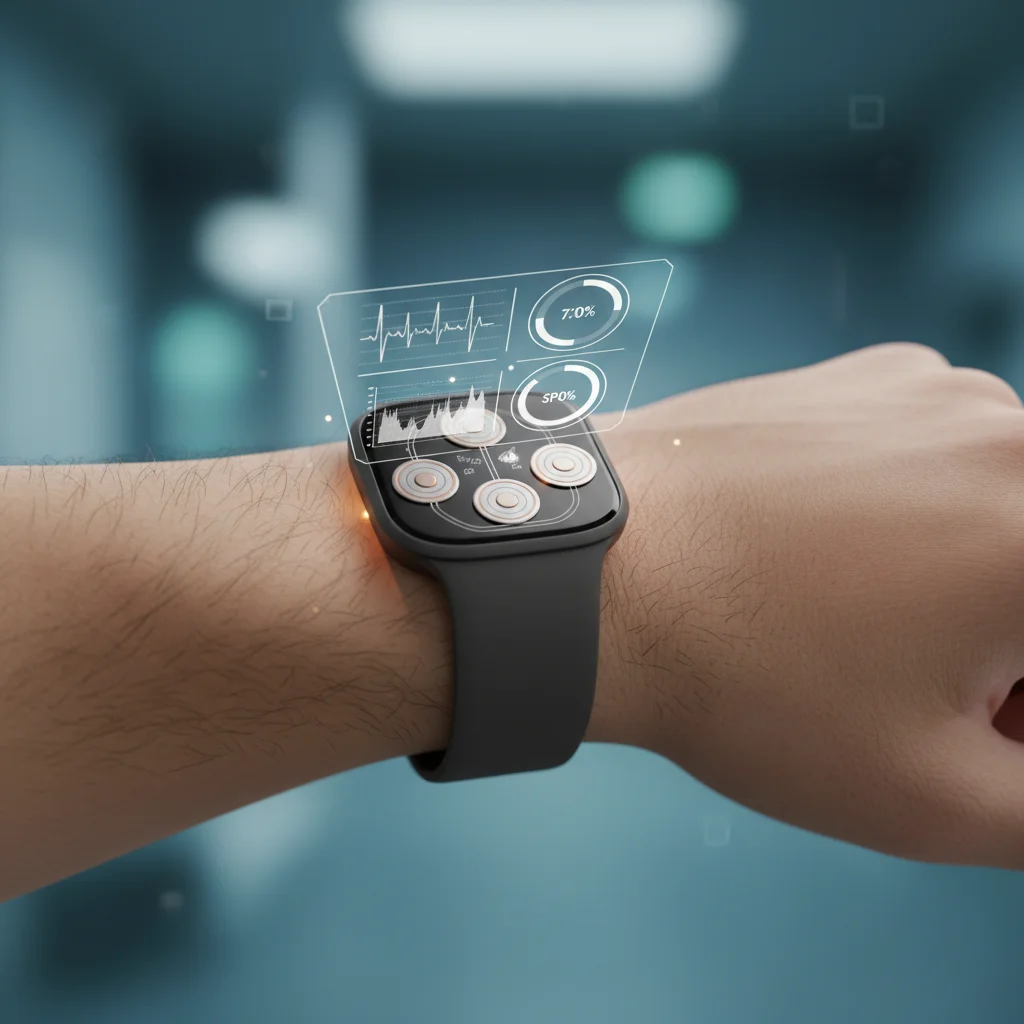
Heart health remains a critical focus for wearable technology. While ECG capabilities are already present in many smartwatches, 2026 will see an expansion into more comprehensive cardiovascular diagnostics. Expect to see wearables capable of detecting a wider range of arrhythmias, monitoring blood pressure continuously and cuff-free, and even assessing arterial stiffness – a key indicator of cardiovascular health. New sensor arrays will be able to capture subtle changes in blood flow, pulse wave velocity, and electrical signals with unprecedented accuracy, allowing for early detection of potential heart conditions and personalized risk assessments. This proactive approach could significantly reduce the incidence of serious cardiac events.
Stress, Mental Well-being, and Neurological Monitoring
The scope of wearable sensors is also expanding into mental and neurological health. Beyond simple heart rate variability (HRV) as a proxy for stress, future wearables will incorporate electrodermal activity (EDA) sensors with greater sensitivity, alongside advanced algorithms that analyze voice patterns, sleep architecture, and even micro-expressions to provide a more holistic view of mental well-being. Furthermore, early-stage neurological monitoring for conditions like Parkinson’s or epilepsy could become a reality, with wearables tracking subtle tremors, gait changes, or brainwave patterns. These innovations in wearable tech trends offer the potential for personalized mental health support and early intervention.
The Power of Data: AI and Personalized Health Insights
The true power of these new sensors lies not just in their ability to collect data, but in how that data is processed and interpreted. This is where Artificial Intelligence (AI) and machine learning (ML) come into play, transforming raw physiological signals into actionable, personalized health insights. By 2026, AI will be an indispensable co-pilot in our health journeys, moving beyond simple alerts to provide predictive analytics and tailored recommendations.
Predictive Analytics and Early Disease Detection
Imagine a wearable device that can predict the onset of an illness days before you feel any symptoms. This is the promise of AI-driven predictive analytics. By continuously monitoring a multitude of biometric data points – temperature, heart rate, HRV, sleep patterns, activity levels, and even subtle changes in blood oxygen – AI algorithms can identify deviations from your personal baseline. These algorithms are trained on vast datasets, learning to recognize patterns indicative of viral infections, inflammatory responses, or even the early stages of chronic diseases. This capability will be a cornerstone of wearable tech trends in 2026, enabling users to take proactive steps, consult medical professionals sooner, and potentially avert more severe health outcomes.
Personalized Health Coaching and Lifestyle Optimization
Beyond disease detection, AI-powered wearables will act as highly personalized health coaches. Based on your unique physiological responses, genetic predispositions (if integrated), lifestyle habits, and health goals, these systems will provide bespoke recommendations for nutrition, exercise, sleep hygiene, and stress management. For instance, instead of generic advice to ‘get more sleep,’ an AI-powered wearable might suggest, ‘Based on your HRV patterns and activity yesterday, aiming for 7.5 hours of sleep tonight, with a bedtime by 10:30 PM, will optimize your recovery.’ This level of personalization will make health optimization more accessible and effective for everyone.
Integration and Ecosystems: The Connected Health Future
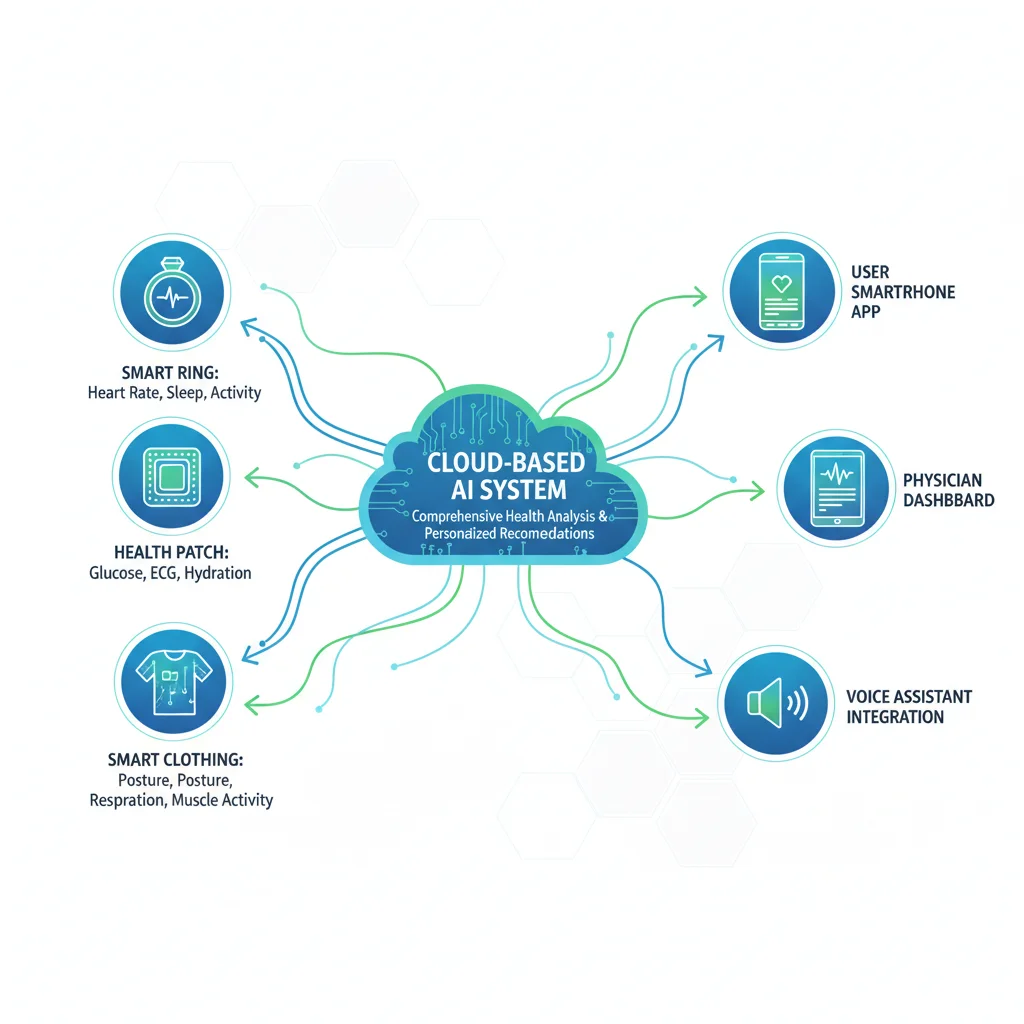
The future of wearable tech trends isn’t just about individual devices; it’s about interconnected ecosystems that seamlessly integrate various data sources to provide a holistic view of health. By 2026, we will see a greater push towards interoperability and the creation of comprehensive digital health platforms.
Seamless Data Flow and Interoperability
Currently, data from different wearable devices often resides in siloed apps. The next few years will see significant advancements in creating open standards and protocols that allow data to flow seamlessly between different devices, health apps, and even electronic health records (EHRs). This interoperability is crucial for creating a truly comprehensive health profile, enabling AI systems to draw richer insights and medical professionals to access relevant data more easily. Imagine your smart ring, continuous glucose monitor, and smart scale all contributing to a unified health dashboard accessible to you and your doctor.
Smart Homes and Environmental Health Monitoring
The concept of ‘wearable’ will also extend to our immediate environments. Smart home devices will integrate with personal wearables to create a complete picture of well-being. Air quality sensors, smart mattresses that monitor sleep without direct contact, and even smart mirrors that analyze skin health will become part of the extended health ecosystem. These environmental factors significantly impact health, and their integration with personal biometric data will offer unparalleled insights into how our surroundings affect our physiology. This broader definition of wearable tech trends includes ambient sensing that works in concert with personal devices.
Beyond the Wrist: New Form Factors and Applications
While smartwatches have dominated the wearable market, 2026 will witness a diversification of form factors, making health monitoring even more discreet, comfortable, and integrated into daily life. The goal is to make health tracking almost invisible, allowing users to forget they are wearing a device while still reaping its benefits.
Smart Rings and Patches: Discreet and Powerful
Smart rings, already gaining traction, will become even more sophisticated, packing advanced sensors into a small, elegant form factor. Their close contact with the skin makes them ideal for accurate heart rate, HRV, temperature, and even blood oxygen saturation measurements. Similarly, smart patches, which adhere to the skin for days or weeks, offer continuous monitoring capabilities without the need for a wrist-worn device. These patches are particularly promising for specialized applications, such as post-operative monitoring, drug delivery, and highly accurate glucose or lactate sensing for athletes. These smaller, more focused devices will be key drivers in the evolving wearable tech trends.
Smart Clothing and Textiles: Integrated Health Monitoring
The concept of smart clothing is moving beyond niche applications to become a more mainstream component of health tracking. By 2026, we can expect to see everyday apparel – from shirts and socks to underwear – embedded with textile-based sensors. These sensors can monitor vital signs, detect posture, analyze gait, and even track muscle activity during exercise. The advantage of smart clothing is its seamless integration into daily routines, offering continuous, comfortable monitoring without the need to remember to put on a device. For elderly care, professional athletes, or individuals with specific medical conditions, smart textiles represent a significant leap forward.
Challenges and Ethical Considerations
While the promise of these wearable tech trends is immense, their widespread adoption also brings significant challenges and ethical considerations that need to be addressed thoughtfully.
Data Privacy and Security
The collection of highly sensitive personal health data raises paramount concerns about privacy and security. Who owns this data? How is it stored? Who has access to it? Robust encryption, clear consent mechanisms, and stringent regulatory frameworks will be essential to protect user information from breaches and misuse. Consumers will demand transparency from manufacturers regarding their data handling practices, and companies that prioritize privacy will gain a significant competitive advantage.
Accuracy and Clinical Validation
For wearable devices to be truly impactful in a health context, their sensor data must be accurate and clinically validated. While consumer wearables are not medical devices (yet), the line is blurring. As devices offer more sophisticated diagnostics, regulatory bodies will likely increase scrutiny, requiring more rigorous testing and validation processes. Ensuring that the insights provided are reliable and not prone to false positives or negatives will be crucial for building trust and preventing unnecessary anxiety or medical interventions.
Digital Divide and Accessibility
The benefits of advanced wearable technology must be accessible to everyone, not just a privileged few. The cost of these cutting-edge devices and the requirement for smartphone connectivity could exacerbate the digital health divide. Efforts will be needed to develop more affordable solutions, explore subsidy programs, and ensure that the technology is intuitive enough for users across all age groups and technological proficiencies. Making these wearable tech trends inclusive is vital for their societal impact.
Over-reliance and Misinterpretation of Data
As wearables provide more data, there’s a risk of users becoming overly reliant on the technology or misinterpreting the complex health insights it provides. While AI will help in interpretation, human guidance from medical professionals will remain indispensable. Wearables should augment, not replace, traditional healthcare. Education on how to properly interpret and act upon wearable data, and when to seek professional medical advice, will be crucial.
The Future Impact: A Paradigm Shift in Healthcare
By 2026, the cumulative effect of these wearable tech trends will represent a true paradigm shift in healthcare. We are moving from a reactive, illness-centric model to a proactive, wellness-centric one. This shift has profound implications for individuals, healthcare providers, and public health systems.
Empowering Individuals with Proactive Health Management
Individuals will be more empowered than ever to take control of their health. With real-time, personalized data and AI-driven insights, people can make informed decisions about their lifestyle, diet, and activity levels. This proactive approach can lead to better chronic disease management, improved fitness, enhanced mental well-being, and a greater overall understanding of one’s own body. The ability to detect anomalies early can prevent minor issues from escalating into major health crises.
Transforming Clinical Practice and Remote Patient Monitoring
Healthcare providers will increasingly leverage wearable data to gain a more complete and continuous picture of their patients’ health. Remote patient monitoring (RPM) will become standard practice for managing chronic conditions, allowing doctors to intervene earlier, adjust treatments more effectively, and reduce hospital readmissions. This continuous stream of real-world data will complement episodic clinic visits, leading to more personalized and effective care plans. The integration of these wearable tech trends into clinical workflows will streamline healthcare delivery.
Public Health and Population Insights
On a broader scale, anonymized and aggregated wearable data could offer invaluable insights for public health initiatives. Patterns in population-level health metrics could help identify emerging health crises, track the spread of infectious diseases, and inform public health policy. This macro-level application of wearable data holds the potential to improve community health outcomes and optimize resource allocation.
Conclusion: A Healthier Future, One Sensor at a Time
The journey towards 2026 is one of rapid advancement in wearable technology, particularly in the realm of sensor innovation. The wearable tech trends we’ve explored – from non-invasive glucose monitoring and advanced cardiovascular diagnostics to AI-powered personalized insights and diverse form factors – are collectively paving the way for a healthier, more informed future. These technologies promise to empower individuals, revolutionize clinical practice, and offer unprecedented insights into public health.
However, realizing this potential requires careful navigation of the challenges related to privacy, accuracy, accessibility, and responsible data interpretation. As developers, policymakers, and users, we must collaborate to ensure that these powerful tools are deployed ethically and equitably, maximizing their benefits for all. The future of health tracking is not just about more data; it’s about smarter data, better insights, and ultimately, a more proactive and personalized approach to well-being. By embracing these advancements responsibly, we can look forward to a future where our health is truly in our hands, supported by the invisible guardians of cutting-edge wearable technology.