Protect Your Digital Privacy: Essential Gadgets for 2026
Protecting Your Digital Privacy: 4 Essential Gadgets for 2026
In an era defined by ubiquitous connectivity and an ever-expanding digital footprint, the concept of digital privacy has transcended from a niche concern to a universal imperative. As we navigate through 2026, the threats to our personal data are more sophisticated and pervasive than ever before. From targeted advertising to insidious phishing scams and large-scale data breaches, our online lives are under constant scrutiny. This makes the proactive safeguarding of our digital selves not just advisable, but absolutely essential. Fortunately, technological advancements have kept pace, offering a suite of innovative gadgets designed to empower individuals in their quest for robust digital privacy. These aren’t just mere accessories; they are vital tools in constructing an impenetrable shield around your most sensitive information.
The landscape of cyber threats is continually evolving, making it increasingly challenging for the average user to keep up. While strong passwords and reputable antivirus software remain foundational, they are no longer sufficient on their own. The modern digital citizen requires a multi-layered defense strategy, and this is where specialized digital privacy gadgets come into play. These devices offer unique functionalities that address specific vulnerabilities, from securing your internet connection to protecting your physical devices and encrypting your communications. By integrating these essential tools into your daily routine, you can significantly reduce your exposure to risks and reclaim control over your personal data.
This comprehensive guide will delve into four essential digital privacy gadgets that are set to redefine personal cybersecurity in 2026. We will explore their functionalities, how they bolster your defenses, and why they are indispensable in today’s hyper-connected world. Whether you’re a tech enthusiast or someone simply looking to enhance their online security, understanding and adopting these tools will be a game-changer for your digital well-being. Let’s embark on this journey to fortify your digital presence and ensure your peace of mind.
1. Advanced Hardware Security Keys: Your Unbreakable Digital Lock
In the realm of online authentication, passwords have long been the weakest link. Despite the best intentions, users often fall prey to phishing attacks, brute-force attempts, or simply choose weak, easily guessable combinations. This vulnerability has led to the widespread adoption of Two-Factor Authentication (2FA), a significant improvement. However, even traditional 2FA methods, such as SMS codes or authenticator apps, can be susceptible to sophisticated attacks like SIM-swapping or man-in-the-middle exploits. This is where advanced hardware security keys emerge as the gold standard for robust authentication, offering unparalleled protection for your online accounts. These devices are arguably the most crucial of all digital privacy gadgets.
Advertisements
What are Hardware Security Keys?
Hardware security keys are small, physical devices that plug into your computer or connect wirelessly (via NFC or Bluetooth) to your smartphone. They act as a second factor of authentication, but unlike codes sent to your phone, they are virtually impervious to remote hacking. When you attempt to log in to a supported service, the website or application prompts you to touch or insert your security key. This physical interaction verifies your identity, making it nearly impossible for an unauthorized person to access your account, even if they have your password.
How They Enhance Your Digital Privacy
- Phishing Resistance: Hardware keys are designed to resist phishing. They verify the legitimate origin of the website you are logging into, ensuring that you are not accidentally providing your credentials to a fake site. If a phishing site tries to trick you, the key simply won’t authenticate.
- Immunity to Malware: Unlike software-based 2FA, hardware keys are immune to malware that might be present on your device. The cryptographic operations happen within the secure enclave of the key itself, isolated from your computer’s operating system.
- Strongest Form of 2FA: Utilizing industry standards like FIDO2/WebAuthn, hardware security keys provide the strongest available form of two-factor authentication, making them a cornerstone for protecting critical accounts like email, banking, and social media.
- User-Friendly: Despite their advanced security, these keys are incredibly simple to use. A simple tap or insertion is all it takes, often eliminating the need to type in codes.
Key Features to Look For in 2026
As we look to 2026, the evolution of hardware security keys continues. Look for devices that offer:
- Multi-Protocol Support: Ensuring compatibility with FIDO2, WebAuthn, U2F, and OTP for broad service coverage.
- Multiple Connectivity Options: USB-A, USB-C, NFC, and Bluetooth for seamless use across various devices (laptops, desktops, smartphones).
- Robust Build Quality: Durability is key, as these are devices you’ll carry daily.
- Biometric Integration: Some advanced keys now include fingerprint sensors for an extra layer of convenience and security.
Integrating a hardware security key into your digital life is one of the most impactful steps you can take to bolster your digital privacy. It’s a small investment that yields immense security dividends, transforming your vulnerability into resilience against the most common online threats.
2. Encrypted Portable SSDs: Your Data, Always Under Lock and Key
In an age where data portability is a norm, the security of our physical storage devices often gets overlooked. USB drives, external hard drives, and even cloud storage accounts are convenient, but they also represent potential points of vulnerability. A lost or stolen unencrypted drive can expose vast amounts of personal, financial, or professional data to malicious actors. This is where encrypted portable SSDs become indispensable digital privacy gadgets, offering a robust solution for securing your data on the go.
What are Encrypted Portable SSDs?
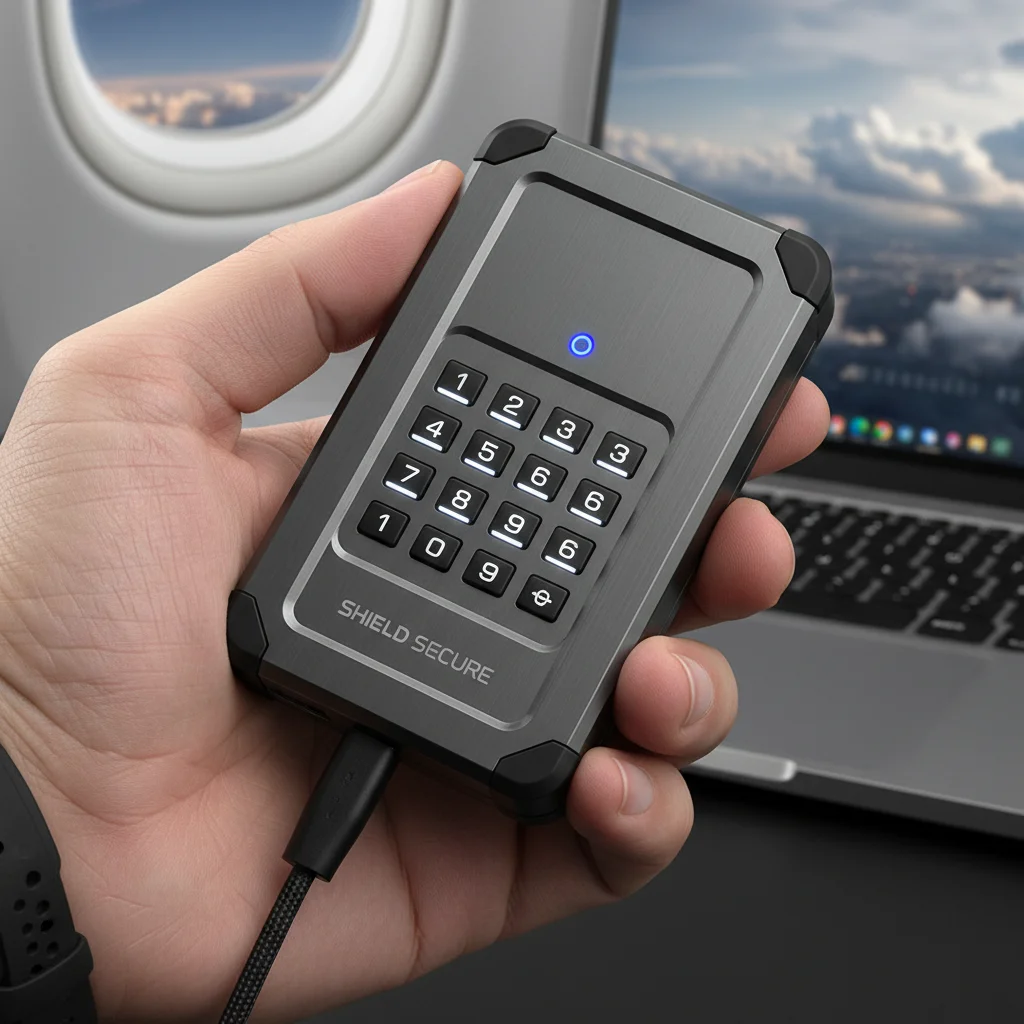
Encrypted portable Solid State Drives (SSDs) are external storage devices that come with built-in hardware encryption. Unlike software encryption, which relies on your computer’s CPU and can sometimes be bypassed, hardware encryption is managed by a dedicated chip within the drive itself. This means that all data written to the drive is automatically encrypted, and access typically requires a PIN, fingerprint, or a physical key. SSDs, by nature, are also faster and more durable than traditional Hard Disk Drives (HDDs), making them ideal for portable use.
How They Enhance Your Digital Privacy
- Unbreakable Data Protection: With military-grade AES 256-bit hardware encryption, your data is virtually unreadable without the correct authentication. Even if the drive falls into the wrong hands, your information remains secure.
- Theft Deterrent: Knowing that the data on a lost or stolen drive is inaccessible can provide significant peace of mind and prevent devastating data breaches.
- Compliance and Professional Use: For professionals handling sensitive client data or confidential company information, these drives are crucial for maintaining compliance with data protection regulations (like GDPR, HIPAA) and preventing corporate espionage.
- Ease of Use: Modern encrypted SSDs are designed for simplicity. Once authenticated, they function like any other external drive, with the encryption process happening seamlessly in the background.
Key Features to Look For in 2026
When selecting an encrypted portable SSD in 2026, consider these features:
- FIPS 140-2 Level 3 Certification: This government-grade certification indicates a high level of security and tamper-evidence.
- PIN Pad or Biometric Authentication: A physical keypad or fingerprint scanner directly on the device offers superior security and convenience compared to software-based password entry.
- Brute-Force Protection: Features that wipe the drive or lock it down after a certain number of incorrect PIN attempts.
- USB-C Connectivity: For faster data transfer speeds and better compatibility with modern devices.
- Rugged Enclosure: Protection against drops, dust, and water ingress for true portability.
An encrypted portable SSD is an indispensable tool for anyone who carries sensitive data outside of their primary computing environment. It’s a proactive measure that ensures your personal and professional information remains private, no matter where your data travels. This is a non-negotiable item in your arsenal of digital privacy gadgets.
3. Privacy-Focused Routers with Built-in VPN: Your Secure Gateway to the Internet
Your home network is the gateway to your digital life. Every device connected to it – from your smartphone and laptop to your smart TV and IoT devices – communicates through your router. If this gateway is insecure, all your online activities can be vulnerable to monitoring, data collection, and cyberattacks. Standard routers provided by ISPs often lack robust security features and may even collect data. This makes upgrading to a privacy-focused router with a built-in VPN a critical step in fortifying your digital privacy.
What are Privacy-Focused Routers with Built-in VPN?
These are routers specifically designed with enhanced security and privacy features, often running open-source firmware (like OpenWrt or DD-WRT) that allows for greater customization and control. The key differentiating factor is the integrated Virtual Private Network (VPN) client. Instead of installing VPN software on each device, the router itself establishes a secure, encrypted tunnel to a VPN server. This means every device connected to your Wi-Fi network automatically benefits from VPN protection, without needing individual configurations.
How They Enhance Your Digital Privacy
- Network-Wide Encryption: All internet traffic from every device connected to your router is encrypted, making it unreadable to your ISP, hackers, and other snoopers.
- IP Address Masking: Your true IP address is hidden, replaced by the IP address of the VPN server, significantly enhancing your anonymity online and making it harder to track your digital footprint.
- Protection for All Devices: Devices that cannot typically run VPN software (e.g., smart TVs, gaming consoles, IoT devices) are automatically protected, closing significant security gaps in your smart home.
- Bypassing Geo-Restrictions: By connecting to VPN servers in different countries, you can access region-locked content and services.
- Enhanced Security Features: These routers often come with advanced firewall settings, intrusion detection systems, and ad/tracker blocking capabilities, offering a more secure browsing experience for everyone on your network.
Key Features to Look For in 2026
When investing in a privacy-focused router, consider these aspects:
- VPN Client Compatibility: Ensure it supports popular VPN protocols (OpenVPN, WireGuard) and is compatible with your preferred VPN provider.
- Strong Processor and RAM: Running a VPN can be resource-intensive. A powerful router ensures smooth performance without speed degradation.
- Customizable Firmware: Open-source firmware allows for greater control, regular security updates, and advanced configurations.
- Wi-Fi 6/6E Support: For faster speeds and better performance with multiple connected devices.
- USB Ports: For network-attached storage (NAS) or connecting 4G/5G dongles as backup internet.
A privacy-focused router with a built-in VPN is more than just an upgrade; it’s a fundamental shift towards a more secure and private home network. It ensures that every byte of data leaving your home is protected, making it one of the most impactful digital privacy gadgets for comprehensive household security.
4. Secure Messaging Devices (e.g., Encrypted Smartphones/Purpose-Built Communicators): Private Conversations, Guaranteed
In our increasingly interconnected world, communication is constant, but privacy in communication is often an afterthought. Standard messaging apps, even those claiming end-to-end encryption, can sometimes be compromised by metadata collection, vulnerabilities in their implementation, or reliance on centralized servers. For individuals or organizations requiring the highest level of communication security, purpose-built secure messaging devices or highly hardened smartphones represent the pinnacle of private conversation. These are specialized digital privacy gadgets designed from the ground up to protect your dialogues.
What are Secure Messaging Devices?
These devices come in various forms:
- Hardened Smartphones: These are standard smartphones (often Android-based) that have been heavily modified at the operating system level. They typically run custom, privacy-focused ROMs (like GrapheneOS or CalyxOS), with all Google services removed, enhanced encryption, strict app permissions, and advanced firewall capabilities.
- Purpose-Built Communicators: These are devices specifically designed for secure communication, often with minimal other functionalities. They might feature physical kill switches for cameras/microphones, hardened hardware, and proprietary secure operating systems and messaging protocols. Examples include devices aimed at corporate security or high-profile individuals.
How They Enhance Your Digital Privacy
- True End-to-End Encryption: While many apps claim it, these devices ensure that encryption is robust, audited, and implemented without backdoors, making messages unreadable to anyone but the intended recipient.
- Metadata Protection: Beyond message content, these solutions often focus on minimizing or eliminating metadata (who you talk to, when, from where), which can be just as revealing.
- Reduced Attack Surface: By removing unnecessary software, services, and permissions, the potential points of vulnerability is drastically reduced.
- Hardware-Level Security: Features like secure boot, tamper detection, and physical kill switches provide protection against sophisticated physical attacks.
- Anonymity: Many such devices allow for anonymous account creation and usage, further distancing your digital communications from your real-world identity.
Key Features to Look For in 2026
If you’re considering a secure messaging device, look for:
- Open-Source Audited Software: Transparency in code allows for community scrutiny and verification of security claims.
- Regular Security Updates: Critical for patching newly discovered vulnerabilities.
- Physical Security Features: Hardware kill switches for microphones, cameras, and network connectivity.
- Decentralized Communication Protocols: Less reliance on single points of failure or centralized servers.
- Ease of Use vs. Security: Find a balance that suits your technical comfort level and security needs. Some devices prioritize security so heavily they might have a steeper learning curve.
For those whose conversations demand absolute confidentiality, these secure messaging devices are not just an option but a necessity. They offer a sanctuary for sensitive discussions, ensuring that your words remain exclusively yours, making them paramount among digital privacy gadgets for communication.
The Future of Digital Privacy: Staying Ahead of the Curve
As we advance further into the digital age, the importance of robust digital privacy cannot be overstated. The threats are constantly evolving, becoming more sophisticated and pervasive. Relying solely on software solutions and good online habits, while crucial, is no longer sufficient. The integration of dedicated digital privacy gadgets into your everyday life provides an essential layer of physical and cryptographic security that software alone cannot match.
The four categories of gadgets discussed – advanced hardware security keys, encrypted portable SSDs, privacy-focused routers with built-in VPN, and secure messaging devices – represent the vanguard of personal cybersecurity for 2026. Each addresses a distinct vulnerability, collectively forming a comprehensive defense strategy against the myriad of digital threats we face. From securing your online accounts and protecting your data on the move to safeguarding your entire home network and ensuring the confidentiality of your communications, these tools empower you to reclaim control over your digital life.
A Proactive Approach to Digital Well-being
Adopting these gadgets is not just about reacting to threats; it’s about taking a proactive stance on your digital well-being. It’s about building a resilient personal infrastructure that can withstand the ever-increasing pressures of data exploitation and cybercrime. Think of these devices as investments in your peace of mind, your financial security, and your personal freedom. They are the physical embodiments of your right to privacy in an increasingly transparent world.
Beyond the Gadgets: A Holistic View
While these digital privacy gadgets are powerful tools, remember that they are most effective when combined with good security practices. This includes using strong, unique passwords for every account, being vigilant against phishing attempts, regularly updating your software, and understanding the privacy settings of the services you use. A holistic approach, combining smart habits with cutting-edge technology, is the most effective way to protect your digital identity.
Conclusion: Empowering Your Digital Future
The journey towards absolute digital privacy is ongoing, but with the right tools and knowledge, it is an achievable goal. By embracing the essential gadgets for 2026, you are not just protecting yourself; you are also contributing to a more secure and privacy-aware digital ecosystem. Invest in these technologies, educate yourself, and stay vigilant. Your digital future depends on it. Take control, stay secure, and enjoy the peace of mind that comes with knowing your personal information is truly yours.