Cybersecurity Threats in 2026: 3 Practical Solutions to Protect Your Smart Devices Now

Cybersecurity Threats in 2026: 3 Practical Solutions to Protect Your Smart Devices Now
The year is 2026, and our lives are more interconnected than ever. From smart refrigerators that order groceries to AI-powered thermostats that learn our preferences, and even wearable health monitors that track our every heartbeat, smart devices have woven themselves into the fabric of our daily existence. While these innovations promise unparalleled convenience and efficiency, they also open new frontiers for cybersecurity threats. The very devices designed to simplify our lives can become gateways for malicious actors, compromising our privacy, security, and even our physical safety. Understanding these evolving threats and implementing robust smart device security measures is no longer optional; it’s an absolute necessity.
The landscape of cybercrime is dynamic, constantly adapting to new technologies and vulnerabilities. As the number of connected devices skyrockets, so does the attack surface for cybercriminals. In 2026, we anticipate more sophisticated, AI-driven attacks, an increase in supply chain compromises targeting IoT manufacturers, and a continued rise in ransomware specifically designed for smart home ecosystems. The implications of a compromised smart device go beyond mere data breaches; they can lead to physical intrusions, surveillance, financial fraud, and even critical infrastructure disruption. This comprehensive guide will delve into the projected cybersecurity threats of 2026 and, more importantly, equip you with three practical, actionable solutions to fortify your smart devices against these looming dangers.
Our goal is to empower you with the knowledge and tools to create a resilient digital environment, ensuring your smart devices remain assets, not liabilities. By focusing on fundamental smart device security principles and proactive defense strategies, you can significantly reduce your risk exposure and enjoy the benefits of connected living with peace of mind.
Advertisements
Understanding the Evolving Landscape of Smart Device Security Threats in 2026
Before we dive into solutions, it’s crucial to grasp the nature of the threats we’re facing. The year 2026 brings with it a new generation of challenges for smart device security. While some threats remain perennial, their methods and scale are evolving rapidly. Here are some of the key threats projected for the near future:
1. AI-Powered and Autonomous Malware
Traditional malware often relies on predefined signatures. However, in 2026, we expect to see a significant rise in AI-powered malware capable of learning, adapting, and evading detection. These sophisticated threats can autonomously identify vulnerabilities in smart devices, spread across interconnected networks, and even mimic legitimate user behavior to bypass security protocols. Imagine a piece of malware that learns your smart home’s routines, then manipulates your smart locks or security cameras without triggering alerts. This level of autonomy makes detection and remediation far more challenging.
2. Supply Chain Attacks on IoT Manufacturers
The supply chain for smart devices is complex, involving numerous components, software providers, and manufacturing processes. Cybercriminals are increasingly targeting these weak links. A single compromise in a component supplier or a software update mechanism can inject malicious code into thousands, if not millions, of devices before they even reach consumers. This ‘upstream’ attack vector means that even brand-new devices could harbor hidden vulnerabilities or backdoors, making initial smart device security a critical concern.
3. Advanced Phishing and Social Engineering for IoT Credentials
While not new, phishing attacks are becoming increasingly sophisticated and tailored. In 2026, attackers will leverage AI to create highly convincing phishing campaigns specifically designed to trick users into revealing credentials for their smart home hubs, cloud services connected to IoT devices, or even individual device logins. These attacks might mimic notifications from your smart device manufacturer, utility provider, or even your internet service provider, making it difficult to discern legitimate communications from malicious ones.
4. Ransomware Targeting Smart Home Ecosystems
Ransomware has traditionally focused on computers and servers, but its scope is expanding. Imagine waking up to find your smart thermostat locked, your smart lighting unresponsive, or your security cameras inaccessible, all with a demand for cryptocurrency to regain control. As smart devices become integral to daily life, their disruption can cause significant distress, making them attractive targets for ransomware attacks. The inability to access essential home functions could force victims to pay the ransom, making smart device security against such threats paramount.
5. Exploitation of Zero-Day Vulnerabilities in Embedded Systems
Many smart devices run on embedded systems with limited processing power and memory, often making them difficult to update. This creates a fertile ground for zero-day vulnerabilities—flaws unknown to the vendor—to be exploited. Once discovered, these vulnerabilities can remain unpatched for extended periods, leaving devices exposed to attack. The sheer diversity of IoT devices and their fragmented update cycles exacerbate this problem, posing a continuous challenge to smart device security.
Practical Solution 1: Fortify Your Network Perimeter and Device Settings
The first line of defense for smart device security begins at your network’s edge. Your home network is the gateway through which all your smart devices communicate with the internet and each other. Securing this perimeter is fundamental.
a. Implement a Dedicated IoT Network (VLAN)
One of the most effective smart device security measures is to segregate your smart devices onto a separate network segment, typically using a Virtual Local Area Network (VLAN). Most modern routers support VLANs, allowing you to create a dedicated network for your IoT devices, isolated from your primary home network where your computers, phones, and sensitive data reside.
- Why it helps: If a smart device on the IoT VLAN is compromised, the attacker gains access only to that segmented network, preventing them from easily pivoting to your more sensitive devices or data. It contains the damage.
- How to do it: Consult your router’s manual or ISP’s support. Look for options to create a ‘Guest Network’ or ‘VLAN’ and configure it specifically for your smart devices. Ensure this network has its own strong, unique password.
b. Strong, Unique Passwords for Every Device and Network
This cannot be stressed enough. Default passwords are an open invitation for attackers. In 2026, automated bots will tirelessly scan for devices using factory-set or weak credentials. Every smart device, router, and cloud service associated with your IoT ecosystem needs a strong, unique password.
- Why it helps: A compromised password on one device won’t grant access to others. It creates a ‘security in depth’ approach.
- How to do it: Use a reputable password manager to generate and store complex passwords (a mix of uppercase, lowercase, numbers, and symbols, at least 12 characters long). Change default passwords immediately upon setting up a new device.
c. Regularly Update Firmware and Software
Manufacturers frequently release firmware updates for smart devices to patch security vulnerabilities. Neglecting these updates leaves your devices exposed to known exploits.
- Why it helps: Updates often contain critical security fixes that close loopholes attackers could exploit. It’s like patching holes in your digital fence.
- How to do it: Enable automatic updates whenever possible. Otherwise, regularly check the manufacturer’s website or the device’s companion app for new firmware versions. Make it a habit to check at least once a month.
d. Disable Unnecessary Features and Ports
Many smart devices come with features or open ports that you may never use, such as UPnP (Universal Plug and Play) or remote access options. These can be potential attack vectors.
- Why it helps: Reducing the attack surface. If a feature isn’t active, it’s like a locked door that can’t be opened.
- How to do it: Review your router settings and each smart device’s settings. Disable UPnP on your router unless absolutely necessary and understand the risks. Turn off remote access features on devices unless you explicitly require them and have taken extra security precautions.
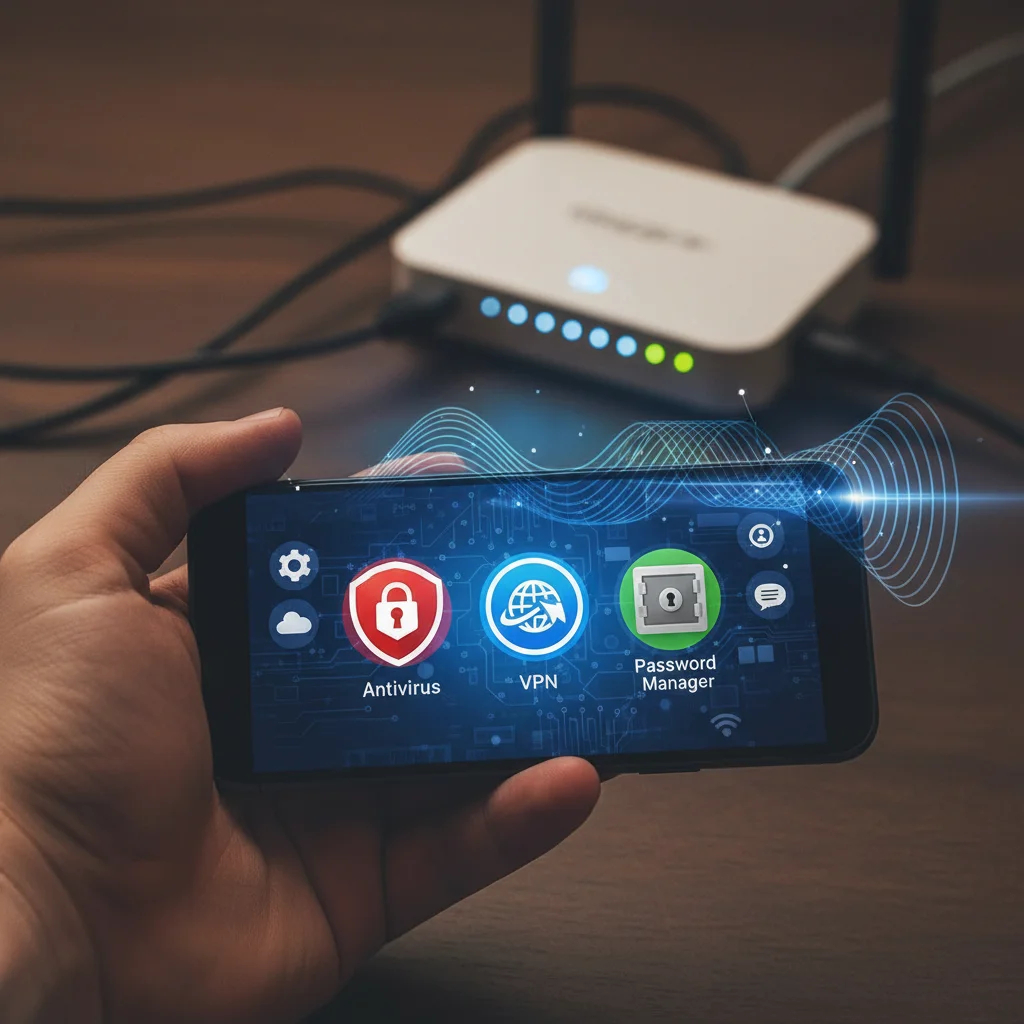
Practical Solution 2: Embrace Proactive Monitoring and Advanced Security Tools
Relying solely on reactive measures is insufficient in 2026. Proactive monitoring and the integration of advanced smart device security tools are essential for detecting and responding to threats in real-time.
a. Implement Multi-Factor Authentication (MFA) Everywhere Possible
MFA adds an extra layer of smart device security beyond just a password. This typically involves using something you know (password) with something you have (a code from an authenticator app or SMS) or something you are (biometrics).
- Why it helps: Even if an attacker steals your password, they cannot access your account without the second factor. This is a critical defense against phishing and credential stuffing attacks.
- How to do it: Enable MFA on your smart home hub, cloud accounts linked to your smart devices (e.g., Amazon, Google, Apple), and any individual smart device apps that support it. Most major platforms now offer this.
b. Utilize a Secure VPN for Remote Access
If you need to access your smart devices remotely (e.g., checking security cameras while away), do so through a Virtual Private Network (VPN). A VPN encrypts your internet connection, making it much harder for eavesdroppers to intercept your data.
- Why it helps: Protects your data in transit, especially when using public Wi-Fi networks, ensuring secure communication between your remote device and your home network.
- How to do it: Consider a router that has VPN server capabilities or subscribe to a reputable VPN service and configure it on your devices or router.
c. Deploy Network Monitoring Tools
Specialized network monitoring tools, often integrated into advanced routers or dedicated smart home security hubs, can detect unusual traffic patterns or unauthorized access attempts on your IoT network. Some services even provide alerts for new devices joining your network.
- Why it helps: Early detection of suspicious activity allows you to respond before significant damage occurs. It’s like having a digital guard dog for your network.
- How to do it: Research smart home security hubs or advanced routers with built-in intrusion detection systems (IDS). Some consumer-friendly options are emerging that offer this level of smart device security.
d. Regularly Review Connected Device Permissions
Many smart devices and their companion apps request extensive permissions during setup. These might include access to your location, microphone, camera, or contacts. Over time, you might forget what permissions you’ve granted.
- Why it helps: Minimizes the data footprint. Less data accessible means less data for an attacker to steal or misuse if a device is compromised.
- How to do it: Periodically review the permissions granted to each smart device app on your smartphone or tablet. Access the settings for each device within its app and revoke any permissions that are not strictly necessary for its function.
Practical Solution 3: Adopt a Privacy-First Mindset and Data Management Practices
Beyond technical safeguards, a critical component of smart device security in 2026 is adopting a privacy-first mindset. This involves being mindful of the data your devices collect, how it’s stored, and who has access to it.
a. Be Selective About Device Purchases and Manufacturers
Not all smart devices are created equal when it comes to security and privacy. In 2026, it’s more important than ever to research manufacturers’ security track records and privacy policies before making a purchase.
- Why it helps: Choosing reputable brands with a commitment to smart device security and regular updates reduces your exposure to poorly designed or insecure products.
- How to do it: Look for devices with security certifications (if available), read reviews focusing on security and privacy, and check the manufacturer’s website for their data handling policies and update frequency. Prioritize devices that offer transparent data practices and end-to-end encryption.
b. Understand Data Collection and Sharing Policies
Every smart device collects data, from your usage patterns to environmental data. It’s crucial to understand what data is being collected, why, and whether it’s being shared with third parties. Many devices have default settings that are not privacy-friendly.
- Why it helps: Empowers you to make informed decisions about your data. You can then configure settings to minimize data collection or choose not to use certain features if you’re uncomfortable with their data practices.
- How to do it: Read the privacy policies for each smart device and its associated app. While often lengthy, paying attention to sections on data collection, storage, and sharing is vital for robust smart device security. Adjust privacy settings within the device’s app to their most restrictive options.
c. Regularly Back Up Critical Smart Device Configurations
Some smart devices, particularly smart home hubs, allow you to back up your configurations and settings. This can be invaluable in the event of a device failure or a successful cyberattack that corrupts your system.
- Why it helps: Allows for quick recovery and restoration of your smart home’s functionality without having to reconfigure everything from scratch, saving time and reducing frustration in a smart device security incident.
- How to do it: Check the settings within your smart home hub’s app for backup and restore options. Store these backups securely, perhaps on an encrypted external drive or a secure cloud service.
d. Securely Dispose of Old Smart Devices
When upgrading or replacing smart devices, don’t just toss the old ones. Many devices store sensitive information, even after a factory reset. This data could be recovered by malicious actors.
- Why it helps: Prevents your personal data from falling into the wrong hands.
- How to do it: Perform a factory reset, then follow the manufacturer’s instructions for securely wiping data. If possible, physically destroy the storage components (e.g., by drilling holes through flash memory chips) before recycling or disposing of the device.
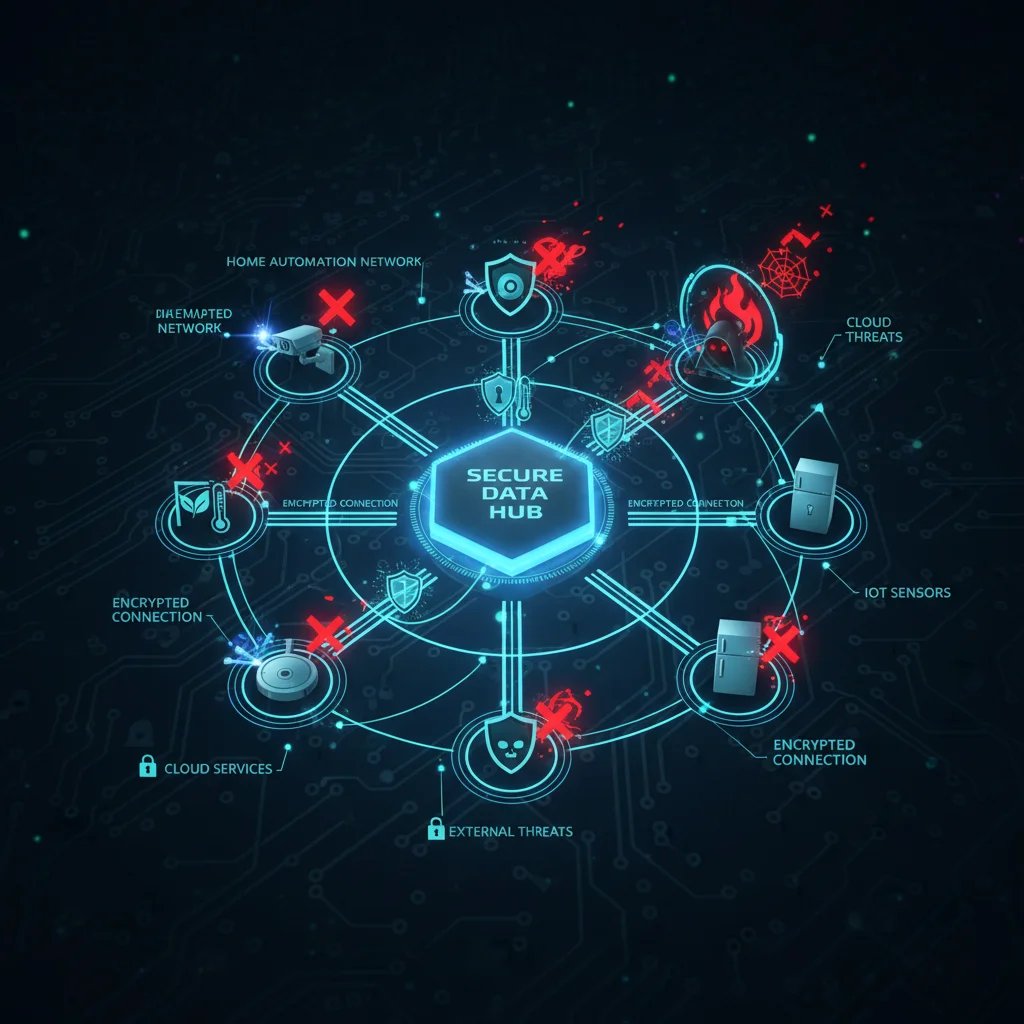
The Future of Smart Device Security: Staying Ahead of the Curve
As we navigate towards 2026 and beyond, the battle for smart device security will continue to intensify. The convergence of AI, quantum computing, and ever-increasing connectivity will present both new opportunities and unprecedented challenges. Staying ahead requires continuous vigilance and adaptation.
We can expect to see advancements in several key areas that will further shape smart device security:
- Decentralized Identity and Blockchain for IoT: Future solutions may leverage blockchain technology to create immutable records of device identities and interactions, making it harder for attackers to spoof devices or manipulate data. This could revolutionize how devices authenticate and communicate securely.
- AI-Driven Anomaly Detection: While AI can power attacks, it also holds the key to defense. Advanced AI-driven security systems will become more adept at detecting subtle anomalies in device behavior that indicate a compromise, offering real-time threat intelligence and automated responses.
- Hardware-Level Security: More smart devices will incorporate hardware-based security features, such as secure enclaves and trusted platform modules (TPMs), to protect cryptographic keys and ensure the integrity of the device’s boot process. This ‘security by design’ approach is crucial.
- Regulatory Push for IoT Security Standards: Governments and international bodies are increasingly recognizing the critical need for IoT security. We anticipate stronger regulations and mandatory security standards for manufacturers, pushing for better smart device security practices from the design phase to end-of-life.
These emerging trends highlight a future where smart device security is not just an afterthought but an integral part of the entire product lifecycle and user experience. However, even with these advancements, the human element remains paramount. Your choices in device selection, configuration, and ongoing maintenance will always play a significant role in your overall security posture.
Conclusion: Your Role in Securing the Smart Home of 2026
The vision of a fully interconnected, intelligent home in 2026 is exciting, but it comes with a non-negotiable prerequisite: robust smart device security. The threats are real, they are evolving, and they demand our attention. By implementing the three practical solutions outlined—fortifying your network perimeter and device settings, embracing proactive monitoring and advanced security tools, and adopting a privacy-first mindset—you can significantly enhance your defense against the cyber threats of today and tomorrow.
Remember, smart device security is not a one-time setup; it’s an ongoing process. Regularly update your devices, review your security settings, and stay informed about new vulnerabilities and best practices. Your proactive efforts today will safeguard your privacy, protect your data, and ensure that your smart home remains a sanctuary of convenience and not a gateway for compromise. Embrace the future of connected living responsibly, and make smart device security a cornerstone of your digital life.