
The 2026 Guide to Homeownership: Financial Preparations for First-Time Buyers
The dream of owning a home is a significant milestone for many, representing stability, security, and a tangible asset. As we look towards 2026, the landscape for first-time homebuyers continues to evolve, presenting both challenges and opportunities. Navigating this journey successfully requires meticulous financial preparation. This comprehensive guide is designed to equip aspiring homeowners with the knowledge and strategies needed to make their first-time homebuyer finance journey a smooth and successful one.
Understanding the financial aspects of homeownership is paramount. It’s not just about saving for a down payment; it involves a holistic approach to your financial health, from credit scores to closing costs, and everything in between. By starting early and planning strategically, you can transform the daunting task of buying a home into an achievable goal. Let’s delve into the essential financial preparations for first-time buyers aiming for homeownership in 2026.
Understanding the Current Housing Market and Economic Climate for 2026
Before diving into personal finance, it’s crucial to have a macro understanding of the housing market and broader economic climate expected in 2026. Interest rates, inflation, and housing inventory all play significant roles in determining affordability and availability. While predictions can shift, staying informed about economic forecasts will help you set realistic expectations and adapt your financial strategy.
Experts anticipate continued, albeit moderated, growth in home values. Interest rates, while subject to change, are likely to remain a key factor influencing monthly mortgage payments. Understanding these trends will allow you to better gauge potential mortgage costs and adjust your savings goals accordingly. For first-time homebuyer finance strategies, this foresight is invaluable.
Advertisements
Assessing Your Current Financial Health: The Foundation of Homeownership
The first step in any significant financial undertaking is to take stock of your current situation. This means a thorough review of your income, expenses, debts, and savings. Honesty and transparency with yourself are key here. This assessment forms the bedrock of your first-time homebuyer finance plan.
Creating a Detailed Budget and Tracking Expenses
A well-structured budget is your most powerful tool. Begin by documenting all sources of income. Then, meticulously track every expense for at least two to three months. This will reveal where your money is truly going and identify areas where you can cut back. Categorize your expenses into fixed (rent, loan payments) and variable (groceries, entertainment). Tools like budgeting apps or simple spreadsheets can be incredibly helpful.
Identifying non-essential spending allows you to redirect those funds towards your homeownership savings. Remember, every dollar saved brings you closer to your goal. This disciplined approach to budgeting is fundamental for effective first-time homebuyer finance planning.
Understanding Your Debt-to-Income Ratio (DTI)
Lenders use your Debt-to-Income (DTI) ratio to assess your ability to manage monthly payments and repay debt. It’s calculated by dividing your total monthly debt payments by your gross monthly income. Generally, a DTI of 36% or lower is preferred by lenders, though some may go up to 43% or even 50% in certain circumstances. A lower DTI indicates less risk and can often lead to better loan terms.
To improve your DTI, focus on reducing existing debts, especially high-interest ones like credit card balances. Paying down student loans or car loans can also significantly impact this ratio. This is a crucial element of preparing your first-time homebuyer finance profile.
Building and Maintaining Excellent Credit
Your credit score is a three-digit number that profoundly influences your ability to secure a mortgage and the interest rate you’ll receive. Lenders use credit scores to evaluate your creditworthiness. A higher score typically translates to lower interest rates, saving you tens of thousands of dollars over the life of your loan.
Checking Your Credit Report and Score
Regularly obtain your credit reports from the three major credit bureaus (Equifax, Experian, and TransUnion) through AnnualCreditReport.com. Review them carefully for any errors or inaccuracies, which can negatively impact your score. Dispute any discrepancies immediately. Knowing your current credit score is the first step in improving it for your first-time homebuyer finance journey.
Strategies for Improving Your Credit Score
- Pay Bills On Time: Payment history is the most significant factor in your credit score. Set up automatic payments or reminders to ensure you never miss a due date.
- Reduce Credit Utilization: Keep your credit card balances low relative to your credit limits. Aim to use no more than 30% of your available credit on any card.
- Avoid Opening New Credit Accounts: Opening new lines of credit can temporarily lower your score due to hard inquiries and a shorter average age of accounts.
- Address Collections or Delinquencies: If you have any outstanding collections or past-due accounts, work to resolve them.
- Maintain a Mix of Credit: A healthy mix of credit (e.g., credit cards, installment loans) can positively impact your score, but only if managed responsibly.
Improving your credit score takes time and consistent effort, but the financial rewards in terms of mortgage rates are well worth it for any first-time homebuyer finance strategy.

Saving for a Down Payment and Closing Costs
The down payment and closing costs are often the most substantial upfront financial hurdles for first-time buyers. While the traditional 20% down payment helps avoid private mortgage insurance (PMI), many loan programs allow for much lower down payments.
Determining Your Down Payment Goal
The ideal down payment depends on your financial situation, the home’s price, and the type of mortgage you choose. While 20% is excellent, don’t feel discouraged if it’s out of reach. FHA loans, for example, require as little as 3.5% down, and some conventional loans offer 3% down options. Researching these options is crucial for your first-time homebuyer finance plan.
Strategies for Saving Effectively
- Automate Savings: Set up automatic transfers from your checking account to a dedicated savings account each payday. Treat this as a non-negotiable expense.
- Cut Discretionary Spending: Revisit your budget and identify areas where you can significantly reduce spending – dining out, subscriptions, impulse purchases.
- Increase Income: Explore opportunities for a side hustle, overtime at work, or selling unused items. Every extra dollar contributes to your down payment fund.
- Utilize Windfalls: Direct bonuses, tax refunds, or unexpected gifts directly into your savings account.
- High-Yield Savings Accounts: While not a get-rich-quick scheme, parking your savings in a high-yield account can earn you a little extra interest.
Understanding Closing Costs
Beyond the down payment, closing costs are another significant expense, typically ranging from 2% to 5% of the loan amount. These include various fees for services like loan origination, appraisal, title insurance, legal fees, and recording fees. It’s essential to budget for these separately from your down payment.
Some sellers may agree to cover a portion of closing costs, or you might be able to roll some into your mortgage, but this increases your loan amount and interest paid over time. Having these funds readily available is a key component of a solid first-time homebuyer finance strategy.
Exploring Mortgage Options for First-Time Buyers
The world of mortgages can seem complex, but understanding the different types available is crucial for choosing the right one for your financial situation. Each loan type has specific requirements and benefits tailored to various buyer profiles.
Conventional Loans
These are the most common type of mortgage, not insured or guaranteed by a government agency. They often require a good credit score (typically 620+) and can offer down payments as low as 3%. If you put less than 20% down, you’ll likely pay Private Mortgage Insurance (PMI), which protects the lender in case you default.
FHA Loans
Backed by the Federal Housing Administration, FHA loans are popular among first-time buyers because they have more lenient credit requirements (as low as 580 with 3.5% down) and allow for lower down payments. However, they require both upfront and annual mortgage insurance premiums (MIP), regardless of your down payment amount.
VA Loans
Available to eligible service members, veterans, and surviving spouses, VA loans are a fantastic option as they often require no down payment and do not carry mortgage insurance. They typically have competitive interest rates and relaxed credit requirements, making them a powerful tool for military families in their first-time homebuyer finance journey.
USDA Loans
The U.S. Department of Agriculture offers loans for properties in designated rural areas. These loans also require no down payment for eligible borrowers and offer competitive interest rates. Income limits and property location restrictions apply, so it’s important to check eligibility.
Comparing Fixed-Rate vs. Adjustable-Rate Mortgages (ARMs)
- Fixed-Rate Mortgage: Your interest rate and monthly principal and interest payment remain the same for the entire loan term (e.g., 15 or 30 years). This offers predictability and stability.
- Adjustable-Rate Mortgage (ARM): The interest rate is fixed for an initial period (e.g., 5, 7, or 10 years) and then adjusts periodically based on market indexes. ARMs can offer lower initial payments but carry the risk of higher payments in the future.
For most first-time buyers, a fixed-rate mortgage offers greater peace of mind, especially when planning long-term first-time homebuyer finance.
Understanding the Mortgage Application Process
Once you’ve strengthened your financial standing, the next step is engaging with lenders. The mortgage application process can be detailed, requiring a significant amount of documentation.
Getting Pre-Approved vs. Pre-Qualified
Pre-qualification is an initial assessment of how much you might be able to borrow based on basic financial information you provide. It’s a good starting point but not a guarantee of a loan.
Pre-approval is a more thorough process where a lender reviews your financial history, credit report, and income documentation to determine the maximum loan amount they are willing to lend you. A pre-approval letter shows sellers you are a serious and qualified buyer, which can be a significant advantage in a competitive market. This is a critical step in your first-time homebuyer finance preparation.
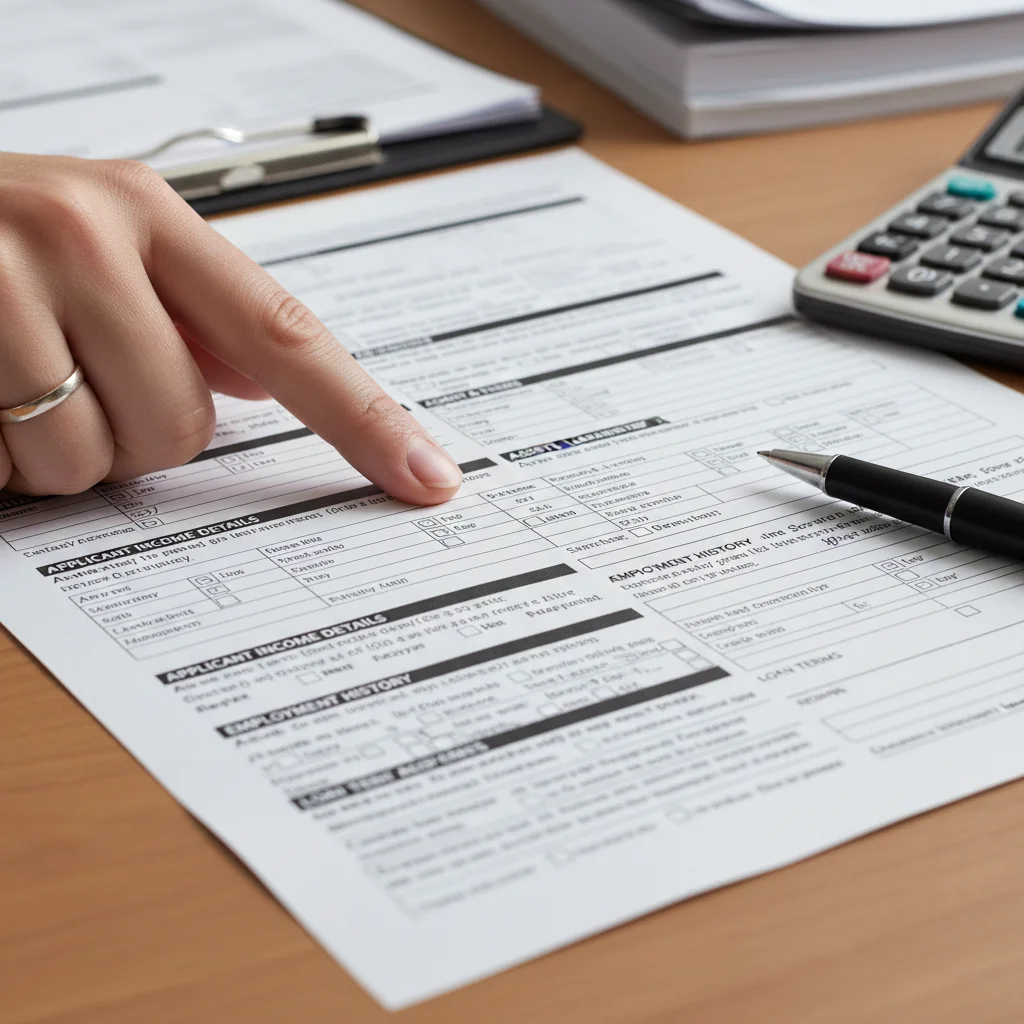
Required Documentation for Mortgage Application
Be prepared to provide a wealth of documents, including:
- Pay stubs (last 30 days)
- W-2 forms (last two years)
- Tax returns (last two years)
- Bank statements (last two to three months)
- Investment account statements
- Statements for all debts (credit cards, student loans, car loans)
- Proof of other income (if applicable)
- Gift letters (if receiving down payment assistance from family)
Organizing these documents beforehand will streamline your application process and demonstrate your readiness for first-time homebuyer finance.
Exploring First-Time Homebuyer Assistance Programs
Many states, counties, and cities offer programs specifically designed to help first-time homebuyers. These can include down payment assistance, closing cost assistance, or even favorable interest rates. These programs can significantly reduce the upfront financial burden.
Types of Assistance Programs
- Down Payment Assistance (DPA) Programs: These often come in the form of grants (which don’t need to be repaid) or deferred loans (which are repaid only when you sell or refinance).
- Mortgage Credit Certificates (MCCs): An MCC allows you to claim a portion of the mortgage interest you pay as a tax credit each year, effectively reducing your federal income tax liability.
- Special Loan Programs: Some programs might offer slightly lower interest rates or more flexible underwriting criteria for eligible first-time buyers.
Research programs available in your specific area, as eligibility requirements (income limits, purchase price limits, education courses) can vary greatly. Websites for your state’s housing finance agency are excellent starting points for discovering relevant first-time homebuyer finance aid.
Understanding the Long-Term Financial Commitment
Homeownership is not just about the monthly mortgage payment. It comes with a host of ongoing expenses that first-time buyers often underestimate. Factoring these into your budget from the outset is crucial for long-term financial stability.
Beyond the Mortgage: Hidden Costs of Homeownership
- Property Taxes: These are assessed by local government and can change annually. They are often included in your monthly mortgage payment (escrow).
- Homeowners Insurance: Protects your home and belongings from damage or theft. Also typically escrowed with your mortgage.
- Utilities: Depending on the size and age of the home, utility costs (electricity, gas, water, internet) can be significantly higher than what you paid as a renter.
- Home Maintenance and Repairs: Experts recommend budgeting 1-3% of your home’s value annually for maintenance. This covers everything from routine upkeep to unexpected repairs (e.g., roof leaks, appliance breakdowns).
- HOA Fees: If you buy a condo or a home in a planned community, you’ll likely pay Homeowners Association (HOA) fees, which cover common area maintenance and amenities.
Creating a separate emergency fund specifically for home repairs is a wise move for any first-time homebuyer finance plan, ensuring you’re prepared for the unexpected.
Working with a Real Estate Agent and Lender
As a first-time homebuyer, assembling a strong team of professionals is invaluable. A knowledgeable real estate agent and a trustworthy mortgage lender will guide you through the complexities of the process.
Choosing the Right Real Estate Agent
Look for an agent who specializes in working with first-time buyers, understands your local market, and is patient and communicative. They will help you find suitable properties, negotiate offers, and navigate the closing process.
Finding a Reputable Mortgage Lender
Shop around for lenders to compare interest rates, fees, and loan terms. Don’t just go with the first offer. Consider banks, credit unions, and mortgage brokers. A good lender will clearly explain different loan options and help you choose the best fit for your first-time homebuyer finance situation.
Final Steps and Preparing for Closing
Once your offer is accepted, there are several more financial steps to take before you can officially become a homeowner.
Home Inspection and Appraisal
A home inspection is crucial to identify any major structural or mechanical issues with the property. While an expense, it can save you significant money down the line by uncovering hidden problems. An appraisal, ordered by your lender, verifies that the home’s value is at least equal to the loan amount.
Securing Homeowners Insurance
Lenders require you to have homeowners insurance in place before closing. Obtain quotes from several providers to ensure you get adequate coverage at a competitive price.
The Closing Day
On closing day, you’ll sign numerous documents, including the promissory note and mortgage deed. You’ll also be responsible for bringing the remaining funds for your down payment and closing costs, typically via a cashier’s check or wire transfer. Review the Closing Disclosure document carefully at least three days before closing to ensure all figures are correct. This final step formalizes your first-time homebuyer finance journey into actual homeownership.
Conclusion: Your Path to 2026 Homeownership
Becoming a homeowner in 2026 is an exciting and rewarding endeavor, but it requires diligent financial preparation. By focusing on building strong credit, saving aggressively for a down payment and closing costs, understanding the various mortgage options, and budgeting for the long-term costs of homeownership, you can confidently navigate the process.
Remember, the journey to homeownership is a marathon, not a sprint. Start early, stay disciplined, seek expert advice, and leverage available assistance programs. With a solid first-time homebuyer finance plan in place, your dream of owning a home in 2026 is well within reach. Happy house hunting!